

Exclusive: Cell AgriTech Buys Up Avant’s Cultivated Protein Equipment After Singapore Exit

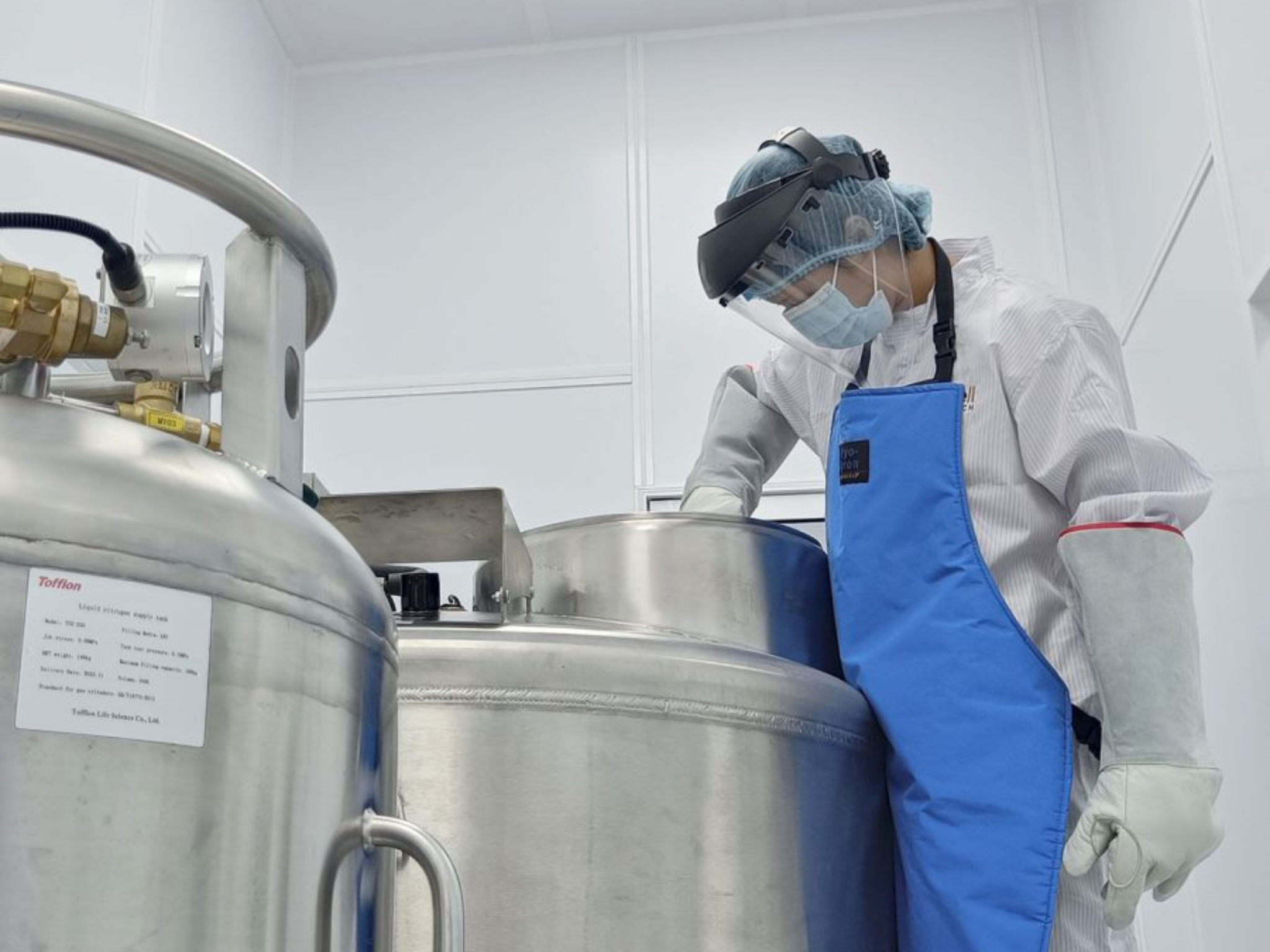
Malaysian firm Cell AgriTech has acquired all equipment from cultivated seafood startup Avant’s research arm in Singapore, which has wound down its operations in the island nation.
Cell AgriTech, a contract manufacturer (CDMO) specialising in cultivated meat, has boosted its production capacity after purchasing all of the Singapore-based equipment from food tech company Avant.
Best known for its cultivated seafood technology and its marine peptide platform, Avant decided to wind down its Singapore research arm, Avant Proteins, last month due to its liabilities. It continues to operate at its headquarters in Hong Kong.
As part of its exit from Singapore, Avant was seeking to sell its equipment. Cell AgriTech, which is building out its manufacturing capabilities, submitted its tender in mid-February and was awarded the assets soon after.
The acquisition amount remains undisclosed, but Cell AgriTech secured the equipment “at a strategic and competitive cost”, according to its founder and manufacturing VP, Jason Ng Chin Aik.
“We decided to acquire these assets to strengthen our CDMO platform and ensure the equipment continues serving the cellular agriculture industry rather than being decommissioned,” Ng tells Green Queen.
Avant equipment ‘adds meaningful capacity’ for Cell AgriTech
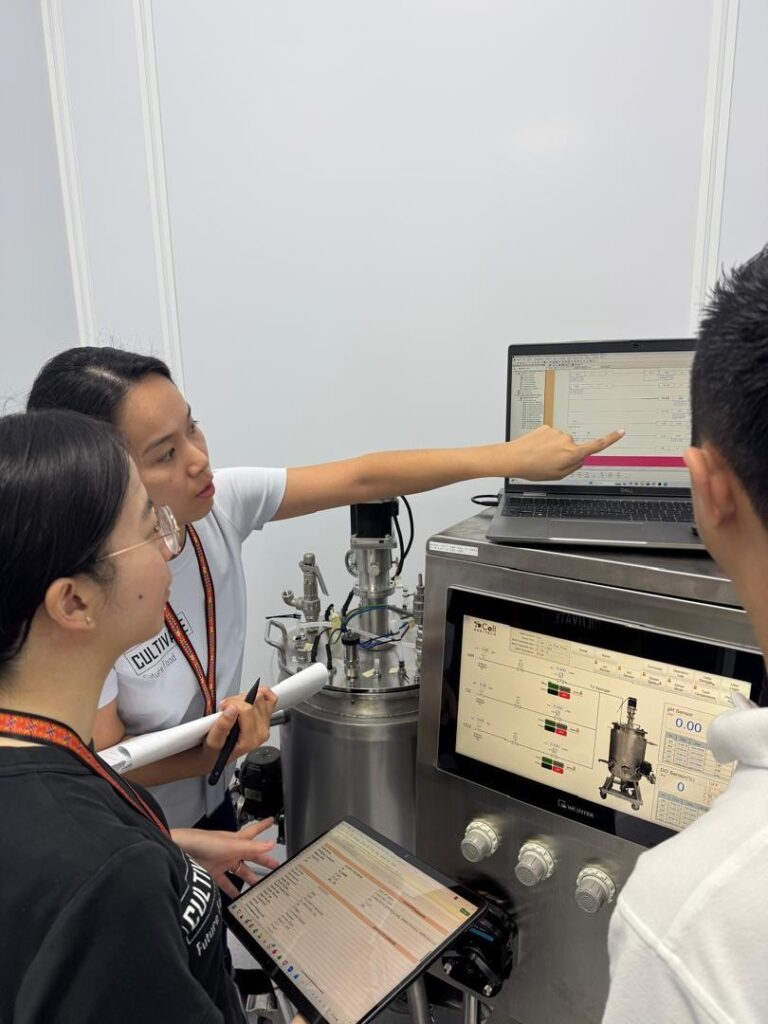
Instead of allowing Avant’s assets to be scrapped, Cell AgriTech chose to acquire, revalidate and redeploy the equipment to transform its existing infrastructure into productive manufacturing capability.
The company has bought a “comprehensive range of equipment” from Avant, including lab-scale production systems, pilot-scale bioreactors, and analytical and processing tools.
“As a dedicated food-grade CDMO for cellular agriculture, we require a full spectrum of equipment to support customers from early-stage R&D through to pilot and commercial production,” explains Ng.
He notes that the buyout significantly enhanced Cell AgriTech’s ability to support the production of cultivated meat and seafood companies at various stages of scale-up.
“This acquisition enhances our equipment diversity, analytical capability, and small-scale process development capacity, allowing us to provide more integrated and efficient scale-up support,” he says.
Cell AgriTech’s manufacturing capacity is currently operating at 70-80%, and it’s concurrently building additional in-house bioreactor systems to expand production. “The acquired equipment adds meaningful capacity, particularly in analytical systems and small-scale bioprocessing, strengthening our overall infrastructure,” outlines Ng.
Avant’s departure from Singapore is reflective of the financial and scale-up challenges being faced by cultivated meat startups, which have put alternative proteins on the back burner in the city-state.
They’re no longer part of Singapore’s food strategy, with environment minister Grace Fu citing “higher production costs and weaker-than-expected consumer acceptance globally”. The country is currently focusing on R&D to make this sector “more competitive and mainstream”.
Cell AgriTech building manufacturing ‘backbone’ for cultivated meat

Cell AgriTech, which opened a facility in Singapore too last year, calls itself the world’s most affordable CDMO for cellular agriculture. It invests in equipment and facilities, providing shared, ready-to-use infrastructure with support for bioreactor capacities from 200ml to 5,000 litres.
This enables cultivated meat companies to focus on innovation, product development, and commercialisation, lowering the capex and opex for infrastructure and skilled workforce.
In addition, it comes with the benefit of regulatory compliance. Cell AgriTech’s Malaysian R&D site has secured Hazard Analysis Critical Control Point (HACCP), Good Manufacturing Practices (GMP), and ISO 22000 certifications. “Our Singapore facility also complies with relevant regulatory requirements, including Health Sciences Authority standards where applicable,” says Ng.
The contract manufacturer is currently working with four cultivated meat and seafood companies, including Umami Bioworks and Aleph Farms, with additional partnerships covering plant cell culture and precision fermentation.
“Our focus remains on building strong biomanufacturing capabilities to support commercialisation,” he says. “We are also working to set up our second, larger production facility in Singapore.”
The company has so far been primarily bootstrapped. “We are evaluating strategic fundraising opportunities as the industry enters a consolidation and recalibration phase. We see strong opportunities to acquire high-quality assets at attractive valuations,” says Ng.
“Food-grade CDMO infrastructure is a critical gap in the cultivated meat industry,” he adds. “Cell AgriTech is building that missing backbone, providing scalable, cost-efficient food-grade manufacturing infrastructure to enable sustainable food production at commercial scale.”