

Sweden’s Largest Retailer Is Now Selling Hybrid Dairy Cheese in Nearly 500 Stores

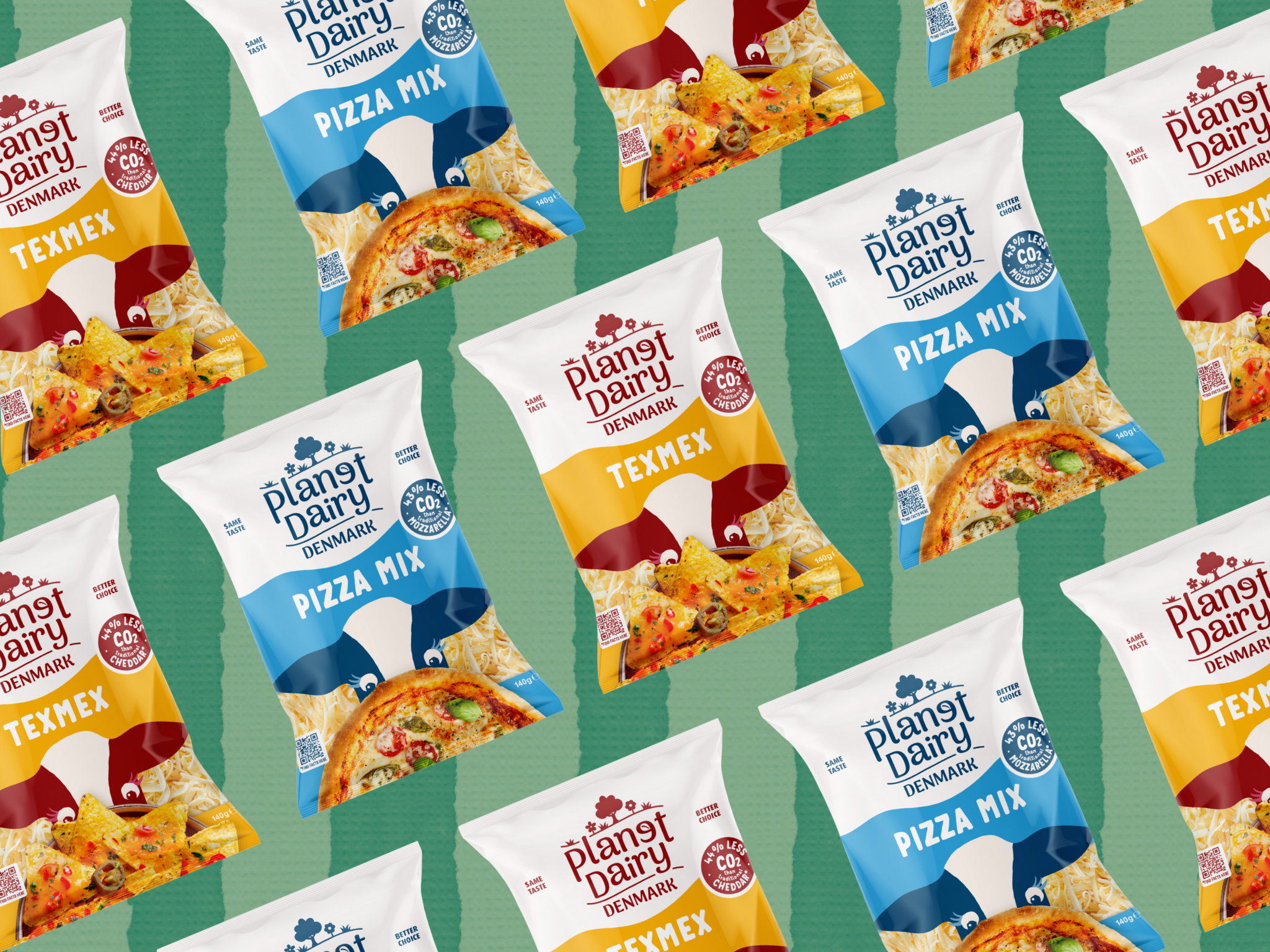
PlanetDairy has gained a listing for its hybrid cheeses at nearly 500 ICA Gruppen locations in Sweden, months after the national dietary guidelines placed plant-based milk on par with dairy.
As new policies and research expand awareness about the environmental friendliness of plant-rich diets Sweden, one startup has reached a major milestone in its quest to greenify the country’s dairy industry.
PlanetDairy, which combines cow’s milk with plant-based ingredients to make hybrid milk, cheeses, and more, has won a listing at Sweden’s largest supermarket.
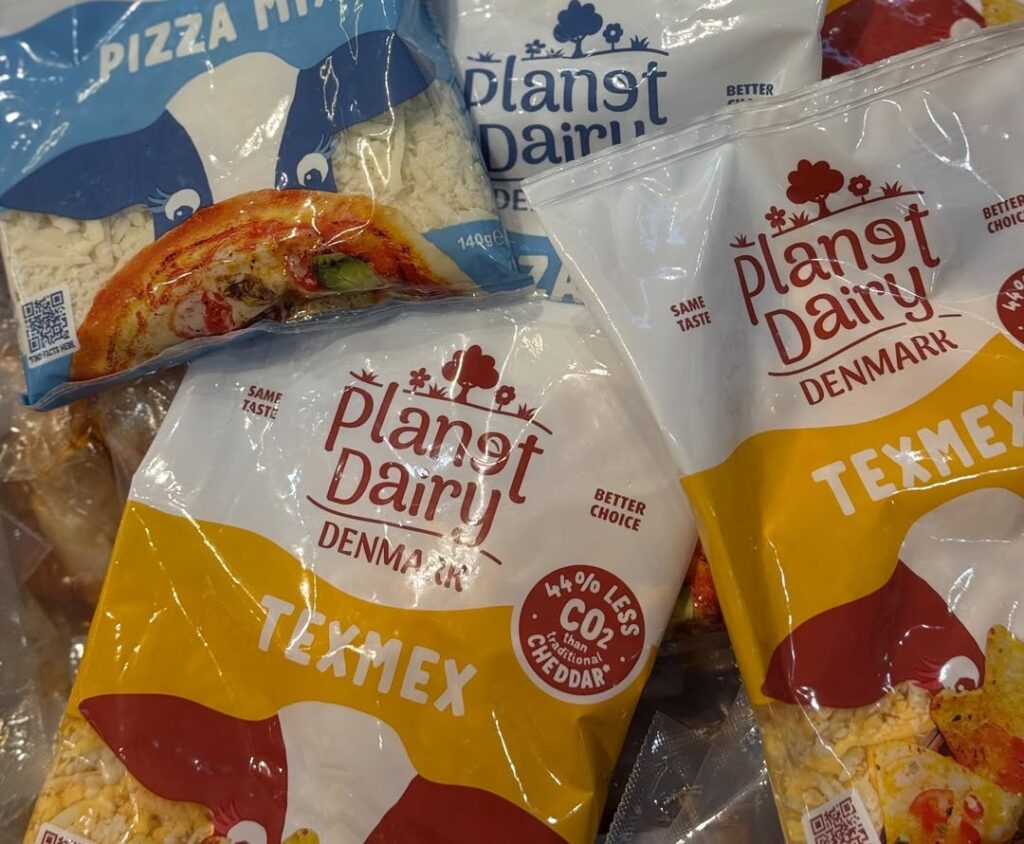
The company’s shredded Pizza Mix and TexMex blends are now available at nearly 500 ICA Gruppen stores across Sweden, including 80 ICA Maxi locations.
The development takes PlanetDairy’s hybrid cheeses to the masses, given that ICA Gruppen accounts for a third of Sweden’s retail market.
It builds on a “highly successful pilot” in around 30 ICA stores, where strong sales and positive feedback from shoppers and store operators alike confirmed the growing demand for hybrid dairy, according to PlanetDairy.
‘Meaningful milestone’ for ICA’s climate ambitions
Based in Denmark, PlanetDairy positions hybrid dairy as the near-term solution while precision fermentation reaches industrial scale.
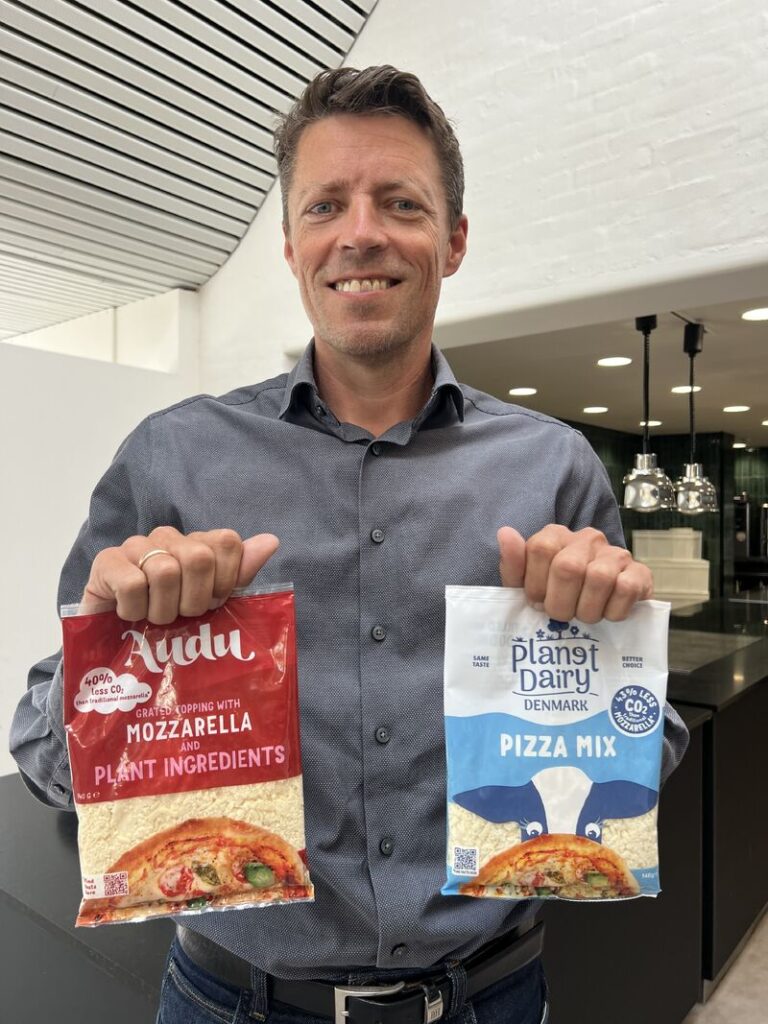
It entered the category through its Audu brand of blended cheese, which combines dairy with coconut oil, potato starch, and pea protein. It sells pizza and Tex-Mex cheeses under its own brand, too, and recently bought the equipment and tech of Swedish plant-based cheese startup Stockeld Dreamery.
The pizza cheese blends mozzarella with 31% plant-based ingredients, including rapeseed and coconut oil, modified starch, fava bean protein, and potato starch. The Tex-Mex has a similar composition, but swaps the mozzarella for Cheddar.
One of the major benefits of the hybrid approach is the lower climate impact. Globally, the dairy industry generates around 4% of all greenhouse gas emissions, thanks in large part to the methane emitted from cattle’s digestive processes.
By swapping some of the cow’s milk with plant-based ingredients, PlanetDairy offers significant wins on the environmental front. According to CarbonCloud, its Pizza Mix has a 42% smaller carbon footprint than conventional shredded mozzarella found in Sweden, and its TexMex blend is 43% more carbon-friendly than shredded Cheddar.
“This broader listing represents a meaningful milestone in ICA’s climate ambitions and PlanetDairy’s mission to bring hybrid dairy products to more Swedish households,” PlanetDairy said in a LinkedIn post. “With our blend of traditional dairy and plant ingredients, we reduce environmental impact without asking consumers to compromise on taste or cooking performance.”
“Our Pizza Mix and TexMex are designed to melt, cook, and perform just like conventional dairy – making them an easy switch for everyday meals such as pizza, tacos and gratins.”
PlanetDairy taps into Sweden’s ‘climate diet’ movement
The mainstreaming of hybrid dairy comes as Sweden’s public policies embrace milk alternatives. In the 2025 update to its national dietary guidelines, the National Food Agency embedded sustainability considerations into its recommendations.
The refreshed guidance emphasises a higher intake of plant-based whole foods, and recognises fortified plant-based milks as nutritionally equivalent to dairy. It aligns with the principles of the Planetary Health Diet, which advocates for a plant-rich eating pattern with reduced meat and dairy consumption.
This is validated by a 2025 study by Swedish researchers, who analysed the diets of over 26,000 participants and found that the most climate-friendly diets were lower in animal-sourced foods, and any reductions in micronutrient intake did not leave relevant differences in biomarkers across all groups.
This followed another study from 2024 by Stockholm University and the University of Oxford, which revealed that Swedish diets rich in plant-based alternatives were associated with significantly lower emissions (30-52%), land use (20-45%), and freshwater consumption (14-27%), and met most Nordic Nutrition Recommendations.
Hybrid dairy can bridge the climate and nutrition gaps between cow’s milk and plant-based alternatives. And they have piqued consumer curiosity on a global level – 75% of millennials have expressed interest in hybrid proteins, with Gen Z (72%) and Gen X (66%) not far behind.
PlanetDairy has already introduced a three-strong line of milks with 30-40% plant-based ingredients in collaboration with Dutch producer Farm Dairy, combining cow’s milk with sunflower oil, faba bean protein, sugar, and salt. Also in the Netherlands, it partnered with retail giant Albert Heijn, which rolled out a whole milk, a semi-skimmed milk, and a yoghurt with 30-40% plant-based content too.
This is a concept fast gaining ground. Sweden’s The Green Dairy uses oats and fava beans to make plant-based and hybrid dairy products, and recently bagged an $8.6M investment from Ikea’s VC arm.
And back in the Netherlands, Time-Travelling Milkman has created a sunflower-seed-based novel fat that can be used in blended dairy products, and Those Vegan Cowboys is targeting hybrid cheeses as an application for its animal-free casein protein.