

Canadian Govt Invests in $11M Scale-Up Project for Whole-Cut Plant-Based Meat

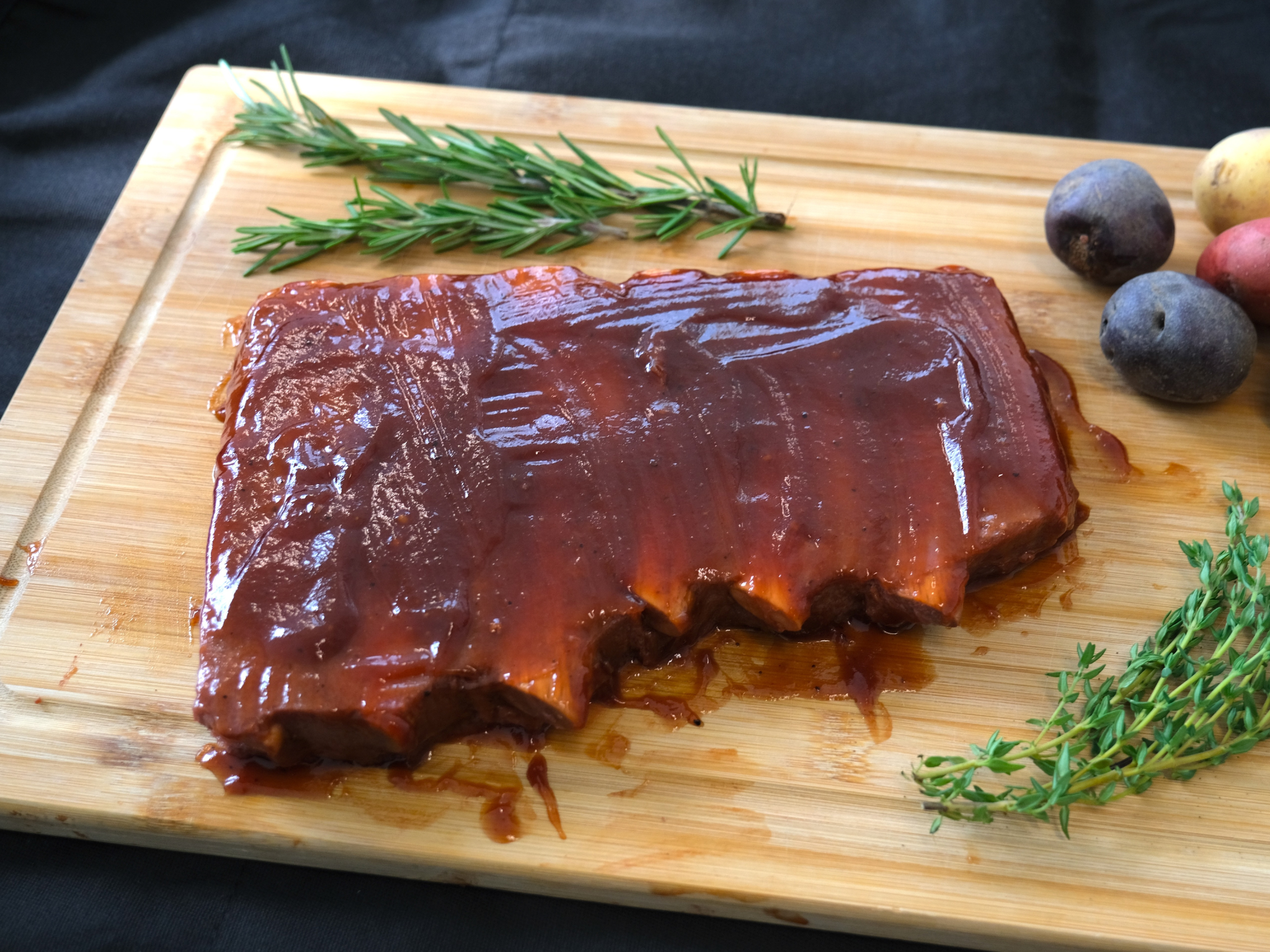
Protein Industries Canada is backing a C$15.1M ($10.9M) project to expand production of whole-cut plant-based meat and seafood alternatives for the local market.
As Canadians look to increase their plant-based food intake, many remain deterred by what they say is an inferior taste or texture of meat alternatives.
A new C$15.1M ($10.9M) project, backed in part by the government, is hoping to change that.
Protein Industries Canada, one of the government’s five innovation clusters, has committed C$4.9M ($3.5M) to the effort, with industry partners providing the rest.
The initiative involves local firms NS/TX Industries, New Protein International (NPI) and Infusd Nutrition, and is focused on scaling up NS/TX’s manufacturing tech for whole-cut meat and seafood alternatives.
The investment will help establish an end-to-end soy protein value chain, generate innovation-based jobs, and increase significant economic output. It will “strengthen Canada’s food system by building a domestic supply chain that transforms locally grown crops into high-value protein ingredients”, according to Mélanie Joly, the federal minister of industry.
How NS/TX Industries makes whole-cut meat and seafood alternatives
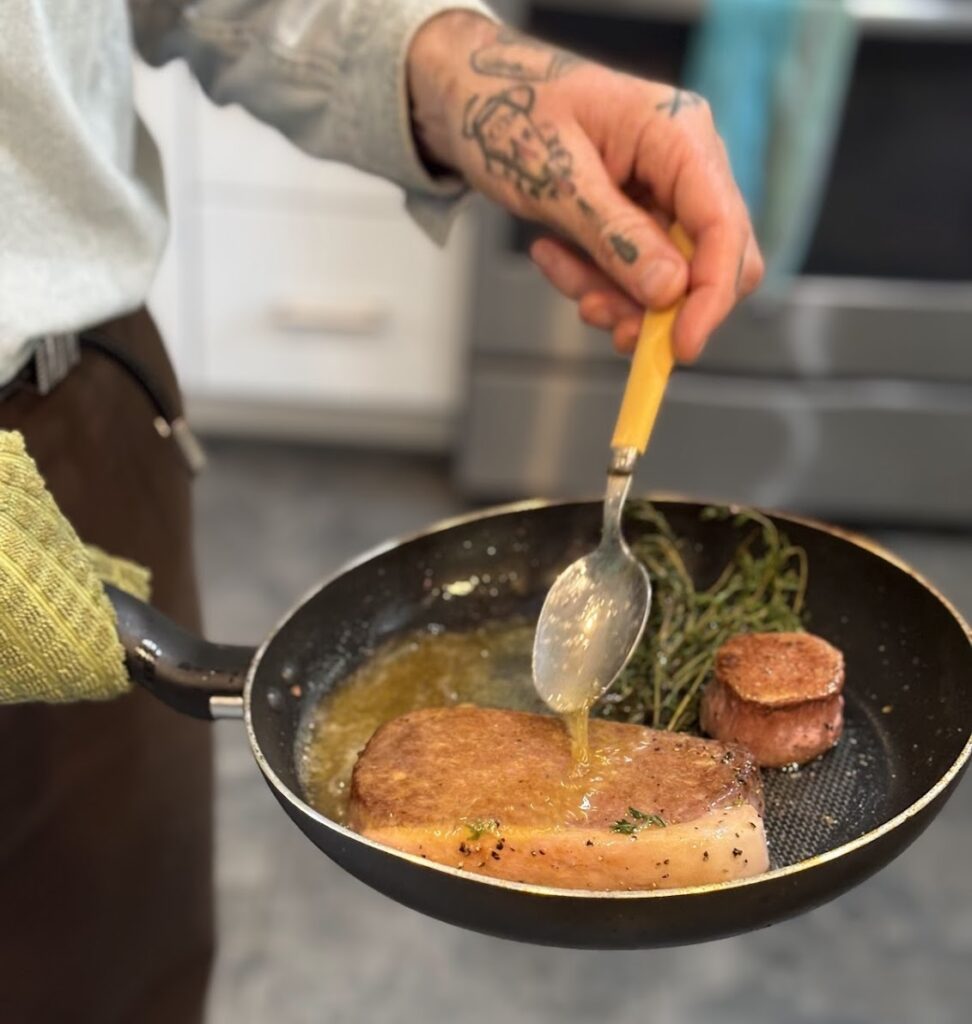
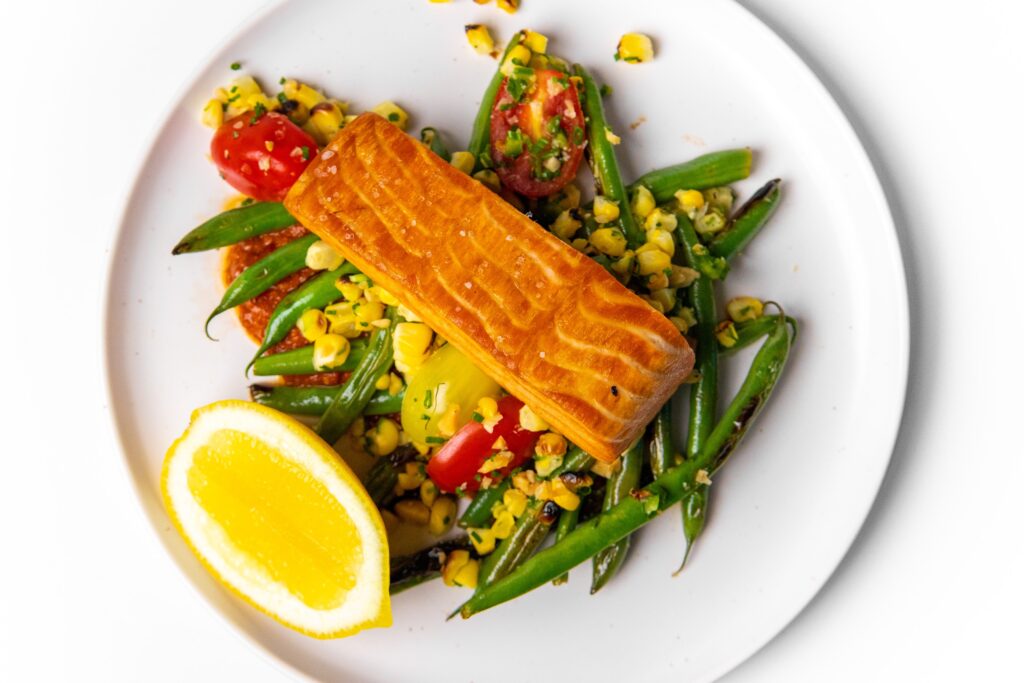
Based in Toronto, NS/TX (New School Textures) evolved from the New School Foods brand of whole-cut plant-based salmon last year. The startup uses directional freezing to allow products to start raw and cook like conventional meat.
A plant-based scaffolding mimics animal muscle and connective tissues, with the same diameter, length, strength and behaviour. The layers of tissue are reproduced via a patent-pending injection process, giving products a flaky texture.
The scaffold macrostructure can be made into any shape and size, and the texture can be modified by tuning the diameter, length and resistance of the muscle fibres to match any meat type. The pattern and composition of the connective tissue can be customised, and the multi-layered scaffolds can be infused with “nearly any protein, liquid oil, flavour and colours”, according to the company.
NS/TX now serves as the parent company of the New School Foods brand and its R&D and manufacturing divisions. It operates a 28,000 sq ft facility in Toronto, using off-the-shelf food manufacturing equipment that significantly lowers costs compared to extrusion or cellular agriculture, and can also use its tech to produce red meat alternatives.
The funding from Protein Industries Canada and industry partners will support the startup’s efforts to expand its production of whole-cut seafood, beef and pork for Canadian consumers, foodservice operators and white-label brands.
The project will introduce automation to NS/TX’s assembly line, with the company scaling up its tech platform to increase output, decrease unit costs, and support B2B manufacturing across a range of product applications.
“By working with NPI and Infusd, we’ll have access to more high-quality ingredients to continuously improve our products and processes,” said NS/TX founder and CEO Chris Bryson.
Canada continues alternative protein bet as consumers embrace plants
NS/TX’s expanded manufacturing capabilities will feature a broad range of locally grown peas, fava beans and soybeans to improve the nutritional profiles of its proteins. These include NPI’s hexane-free, clean-label soy varieties.
“This collaboration is an important step toward scaling Canada-made, clean-label protein ingredients,” said Graham Markham, NPI’s chief development officer. “This project also supports the next phase of NPI’s growth as we prepare to deploy our technology through Canada’s first soy protein manufacturing plant.”
Infusd, meanwhile, is validating the world’s first water-stable creatine ingredient at pilot scale, applying its nutritional processing knowledge to the nutraceutical and functional ingredient spaces.
“Our proprietary technology enables the incorporation of science-backed functional ingredients that face formulation issues such as solubility, taste and stability, into food and beverage applications,” said Infusd Nutrition co-founder David Giffin.
“This project highlights the strength of Canada’s food production and value-added agriculture across the entire value chain – from our crops to the potential of advanced food processing and innovation,” noted Protein Industries Canada CEO Tyler Groeneveld.
Canada is a leader in state-led financing for alternative proteins, having committed C$353M for Protein Industries Canada between 2018 and 2028. The country’s plant-based sector has been recognised as “central” to its broader food tech ecosystem, representing a quarter of all domestic food tech companies and garnering 12% of the industry’s total funding.
It comes as 54% of Canadians look to increase the amount of plant-based food they eat, but 36% cite taste and texture as a key barrier. That said, the majority agree that the government should invest in protein diversification and prioritise more sustainable and healthier proteins in public institutions like hospitals, schools and prisons.
“By scaling new technologies and increasing domestic production, we are creating economic opportunities here at home while delivering high-quality, accessible food products to consumers in Canada and around the world,” said Groeneveld.