

Meat-Free Restaurant Clover Food Lab to Close All Locations After 17 Years

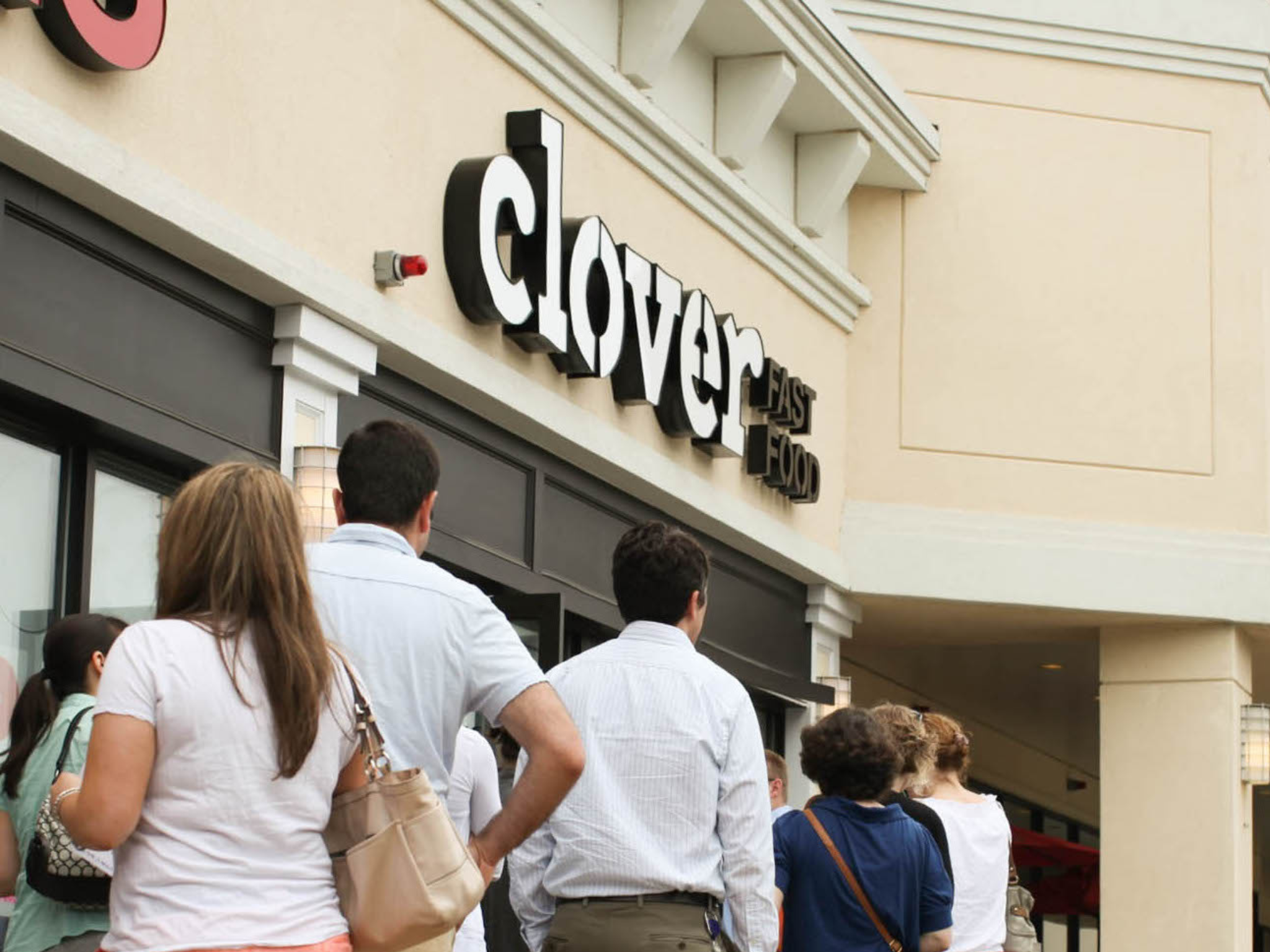
US meatless restaurant chain Clover Food Lab is closing all its 11 locations this week, after failing to find a buyer for the distressed business.
After nearly two decades in operation, Cambridge-based vegetarian stalwart Clover Food Lab is shutting its doors.
The fast-casual chain will close its 11 remaining locations this week, two-and-a-half years after emerging from bankruptcy and two months after it first warned of this fate.
At the end of March, the business filed a Worker Adjustment and Retraining Notification (WARN) Act letter with the state of Massachusetts, announcing that all 182 employees would be affected if the business didn’t find a new buyer by the end of May.
Companies with 50+ employees are legally required to file a WARN notice before mass layoffs or closure, and provide workers with 60 days’ notice. In the document, Clover Food Labs said some employees will continue to work for a limited time to wind down the restaurant chain.
Its efforts to save the business were eventually unsuccessful. “For 17 years, we have championed local farms and served tens of thousands across Greater Boston,” Clover Food Lab CEO Julia Wrin Piper wrote in a statement to customers.
“We’re deeply saddened to share this news – for our employees, New England farmers, and you, our guests and supporters,” she added.
How Clover Food Lab got here
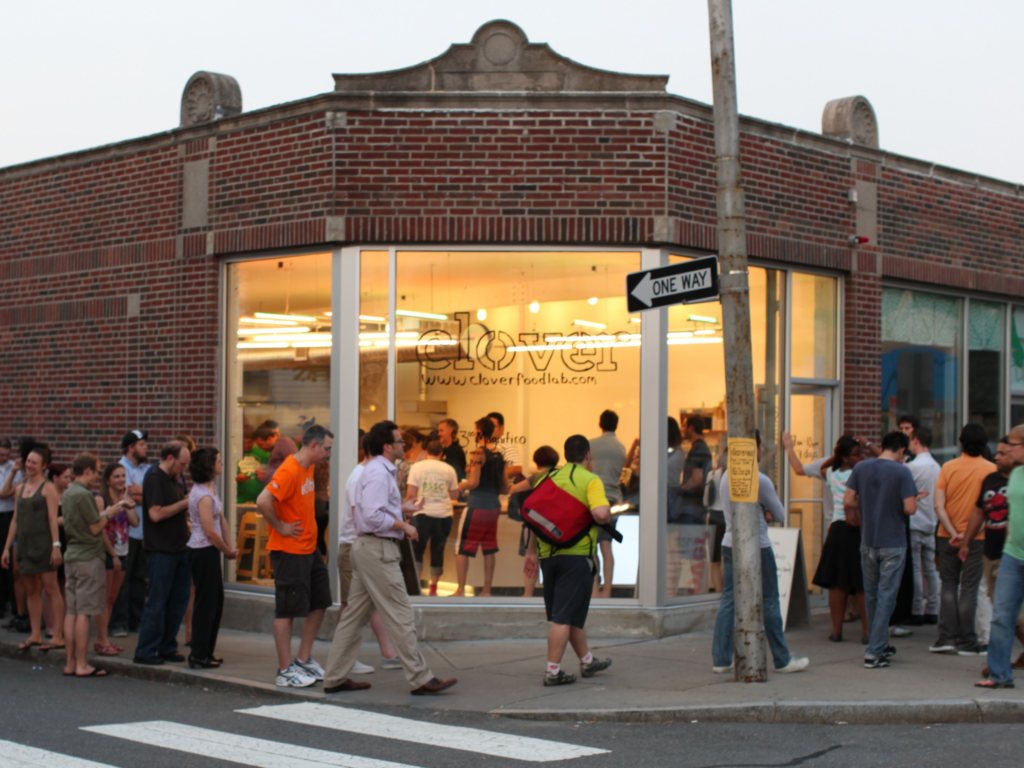
Clover Food Lab began as a food truck run by Ayr Muir, a graduate from the Massachusetts Institute of Technology (MIT) and Harvard University, with a spotlight on sustainability. Aside from its meat-free philosophy, its trucks were retrofitted cargo vehicles that partly ran on recycled vegetable oil, and its cutlery was fully compostable.
The concept evolved into brick-and-mortar locations, a meal box delivery service, and a catering business. At its peak, Clover Food Lab had over 400 employees working in 15 restaurants across the Greater Boston area, with $1.7M average unit volumes and EBITDA margins of 18% of revenues.
But like many businesses, the chain was hit hard by the Covid-19 pandemic and the ensuing financial crisis. Slowing sales, rising costs, and difficulties in raising funds led the company to file for bankruptcy protection in November 2023.
In its Chapter 11 filing, Clover Food Lab said it was unable to pay the lease for its new commissary, which was set to serve as a base for its expansion across New England and into New York City.
The restructuring effort saw two of its locations close down and Piper – who was the COO – take over from Muir as CEO, with the company emerging from bankruptcy in April 2024 with just 20 fewer employees.
The new leadership announced an aggressive expansion strategy, with a plan to open 50 more locations across New England in the coming five years. Since then, however, two other locations have shut down, and the increasingly challenging restaurant environment meant its expansion did not materialise.
Rising inflation cuts into already razor-thin margins
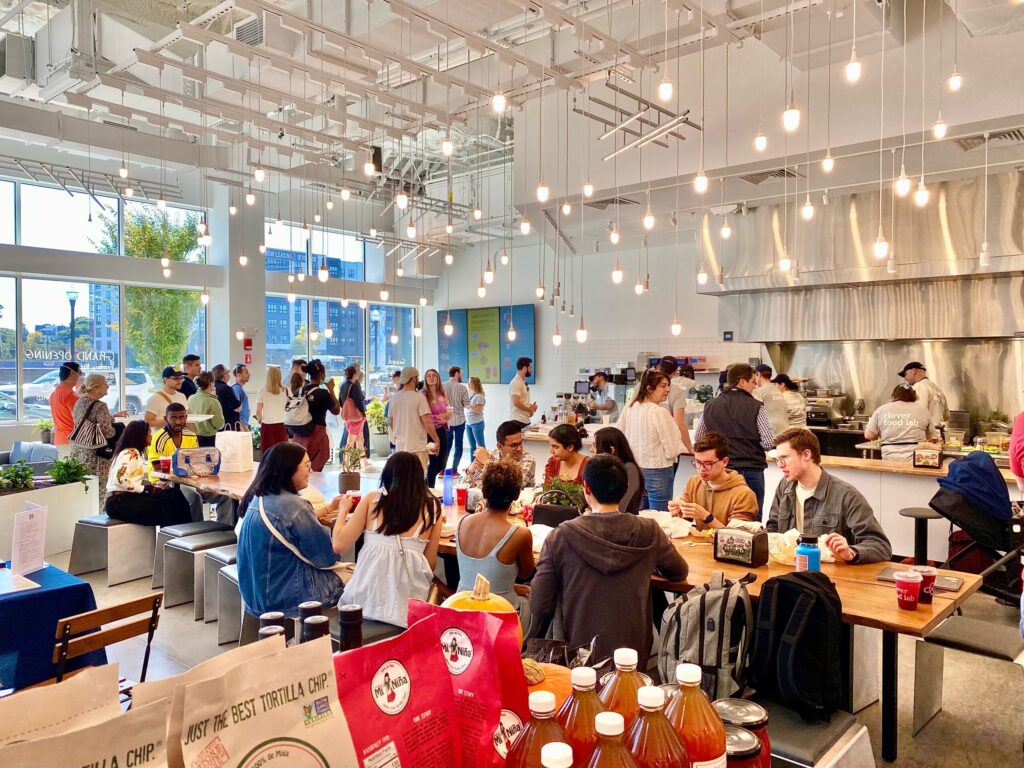
One of the chief reasons behind Clover Food Lab’s closure – as has been the case for many restaurants across the globe – is the hike in ingredient costs, which Piper said had inflated by 30-50% over the last two years.
“In the best of times, margins are thin, building new restaurants is expensive, and our industry is the most exposed to macroeconomic forces,” she noted. “Today, everyone is getting hit with rising costs. Food prices are up. Delivery prices are up. And a hundred other costs are moving in the same direction.”
And while Clover Food Lab raised its prices, there was only a limit to how much or often it could do so. “Every one of you is likely thinking about how you save and spend right now, too,” Piper pointed out.
It isn’t the only meat-free eatery to have suffered this fate lately. Kevin Hart’s Hart House, Leonardo DiCaprio- and Lewis Hamilton-backed Neat, Matthew Kenney’s Veg’d, and pioneering fast-food chain Amy’s have all shuttered.
Vegan sushi chain Planta fell into liquidation before a new company emerged out of its bankruptcy, which continues to operate seven locations.
Other restaurants, including three-starred eatery Eleven Madison Park, have attempted to turn things around by adding meat back to their menu. That said, this has resulted in mixed success – Sage Regenerative Kitchen, for instance, closed shortly after it made this transition.
These challenges aren’t unique to vegan or vegetarian eateries. In the US, three in five restaurant operators reported a decline in traffic in 2025, and 45% were unable to turn a profit. Analysis shows that a higher share of non-vegan restaurants closed in 2025, compared to the percentage of plant-based eateries that shut.
In 2025, total broadline distributor sales of plant-based proteins (including meat alternatives, tofu, tempeh and veggie burgers) in the US foodservice sector reached $291M, a 7% decline in dollar sales. But several plant-based meat formats experienced an uptick – as did milk alternatives, which recorded $288M in sales (up by 14%), and creamers, which saw a 4% rise to $189M.