

Nestlé Partners with Helaina to Develop Baby Formula with Recombinant Breast Milk Protein

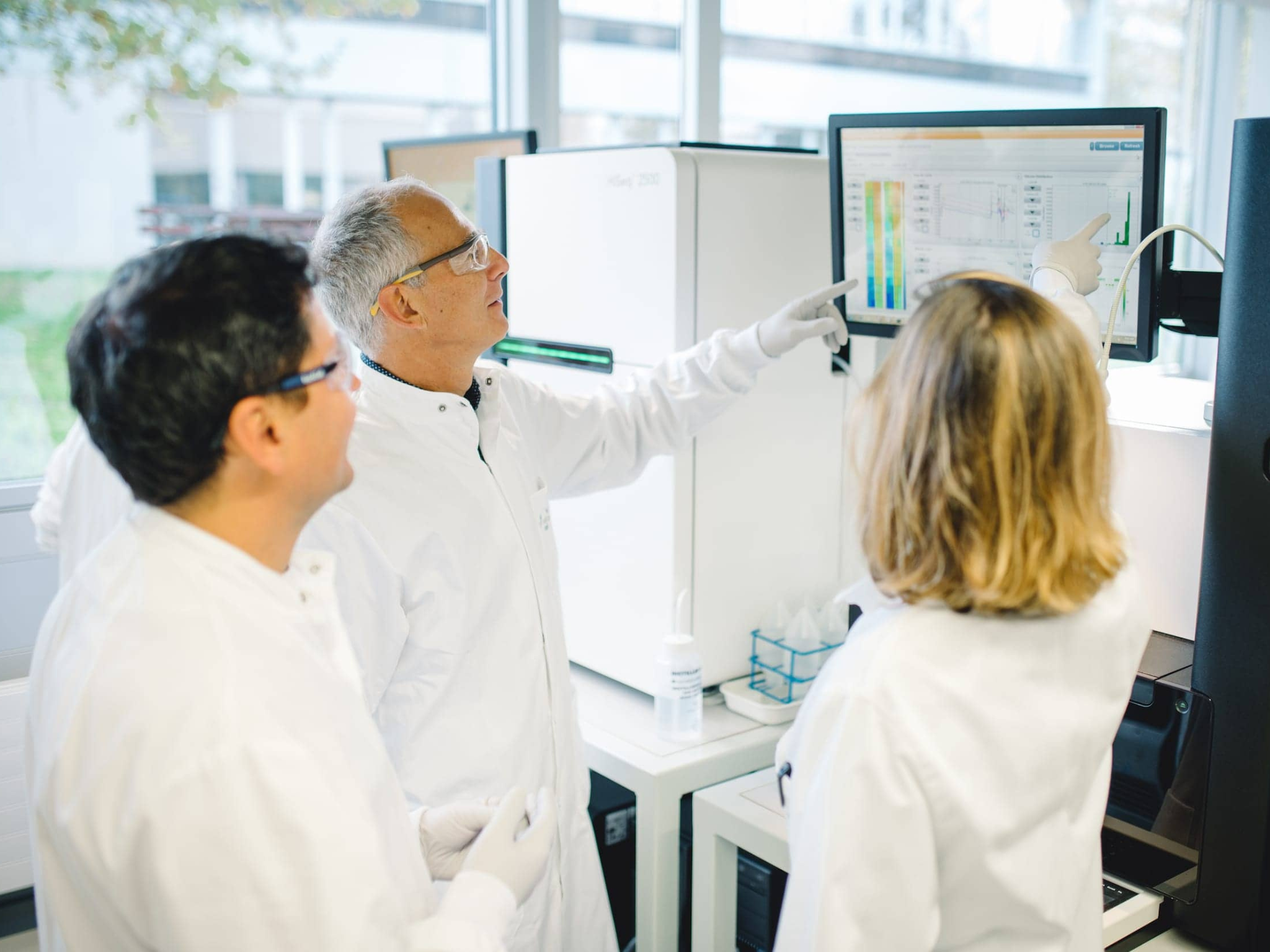
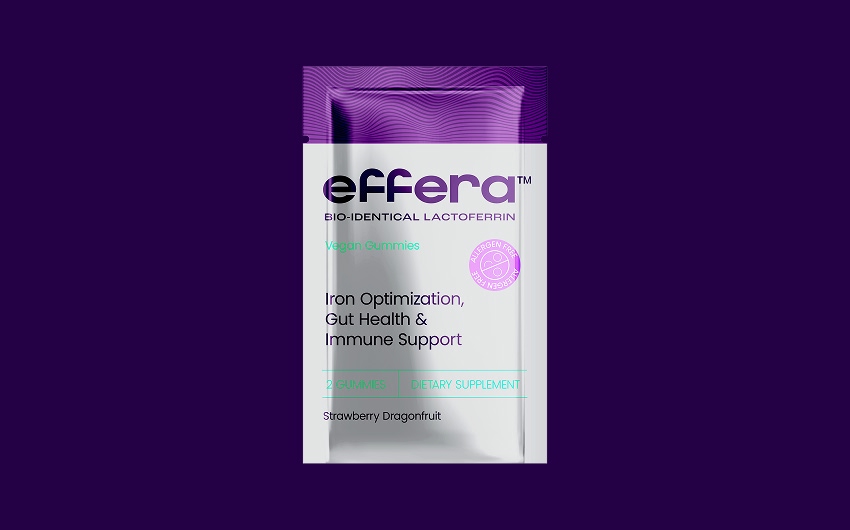
Nestlé has teamed up with US startup Helaina to advance research on bioactive proteins and develop infant formula using the startup’s precision-fermented human lactoferrin, effera.
One of the world’s first innovators of baby formula is embracing synthetic biology to bridge the gap with breast milk and secure the safe supply of infant nutrition.
Swiss conglomerate Nestlé, which has been making infant formula for nearly 160 years, has begun a multi-year collaboration with Helaina, a New York-based startup using precision fermentation to produce a bioidentical breast milk protein.
The two companies will explore the role of new bioactive proteins in early-life nutrition and develop infant formula with effera, Helaina’s human identical lactoferrin ingredient.
It comes months after Nestlé was forced to recall many of its formula products over the potential presence of toxins that could cause food poisoning, spanning more than 60 countries. Effera, however, offers a safer, consistent, and stable supply for infant formula, while delivering the same benefits as breastfeeding.
Why Nestlé is betting on precision-fermented lactoferrin
Research has shown that about 5-10% of women are physiologically unable to breastfeed, and many more say they’re not producing enough or have nutritional deficiencies in their milk. In the US, less than half of women continue to exclusively breastfeed after three months, and only a quarter keep doing so at six months, the recommended period by the American Academy of Pediatrics.
In fact, most of the world’s 130 million babies born annually are fed infant formula at some point. However, roughly 2-3% of infants are allergic to cow’s milk, and up to a sixth suffer from some kind of discomfort, according to parental reporting.
Moreover, infant formula continues to fall short of breast milk nutritionally, particularly in the lack of bioactive compounds that boost immunity, digestion and long-term wellbeing. In breast milk, the most highly concentrated bioactive protein is lactoferrin, which is missing from most formula products.
Lactoferrin is found in human milk and bovine colostrum immediately after birth, but it’s present at significantly higher concentrations in human milk. An iron-binding glycoprotein, it is revered for its antiviral, antibacterial, immunity-boosting, and gut-strengthening properties, and is used to treat low iron levels during pregnancy and lower the risk of respiratory tract infections.
Producing purified lactoferrin is difficult, so supply is limited and costs are astronomical. Precision fermentation enables companies to overcome this bottleneck by inserting DNA into microbes to teach them to produce lactoferrin during fermentation.
Helaina ferments a yeast strain, Komagataella phaffii, in bioreactors, a process similar to beer brewing. The microbes are fed a specific set of nutrients to produce the protein, which is filtered out from the fermentation broth at the end.
The startup explains that bovine lactoferrin only shares about 70% homology with the human milk version, which can influence how efficiently the protein is recognised, absorbed and utilised by the body. Effera can offer several advantages over cow-derived protein, including enhanced biological recognition, greater digestive stability, and improved intestinal absorption.
“Unlike bovine-derived proteins, bioidentical proteins are designed to match the structure and function of proteins naturally present in the human body, enabling greater biological relevance, consistency, and clinical reproducibility,” Helaina founder and CEO Laura Katz told Green Queen in January.
Helaina’s effera protein can close formula’s gap with breast milk
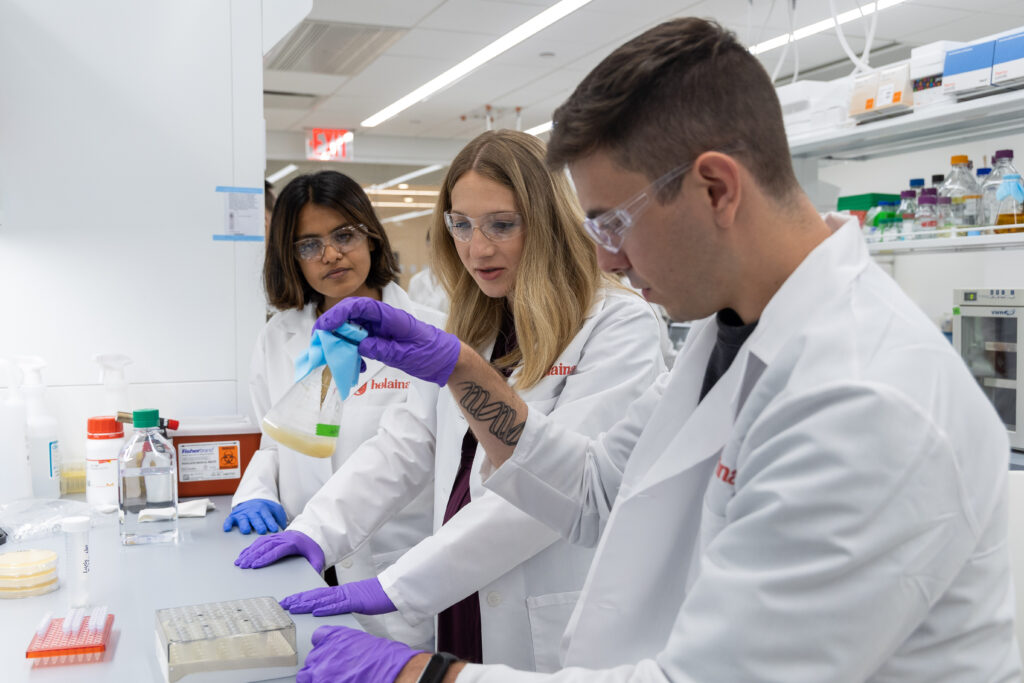
Helaina’s latest collaboration combines its biotech capabilities and precision fermentation platform with expertise in early‑life nutrition and product development, and gives the Swiss manufacturer access to a consistent supply of effera for next-gen formula products.
“We believe new bioactive proteins present a significant innovation in nutrition right now,” said Katz. “We’re focused on manufacturing these bioactives at scale with clinical credibility, and together with Nestlé, we can uncover new developments that advance early-life nutrition.”
Nestlé has been making baby formula since 1867, a year after the company was founded. It’s the leading player in this space today, accounting for nearly a quarter of the market share. Its success hasn’t been without challenges, such as the product recall this year and a decades-long boycott over its marketing of dairy-based formula as healthier than breastfeeding.
The Helaina collaboration can help the company overcome supply challenges and deliver a formula product that matches breast milk, thanks to the precision-fermented lactoferrin.
“Nestlé has always been at the forefront of advancing scientific knowledge on key nutrients and bioactives that are important during early life, including their interactions with the gut microbiome and the immune system,” said Isabelle Bureau‑Franz, head of the Nestlé Product Technology Center for nutrition and health.
“Collaborations with external partners such as Helaina, form an integral part of our broader open innovation strategy to deepen scientific understanding in this field, while gaining access to emerging technologies,” she added.
Nestlé also has more than 30 years of research experience in human milk oligosaccharides and bioactives, and the company aims to translate scientific insights and advanced analytics into robust nutritional solutions and sustained investment in maternal and infant nutrition research.
Helaina, meanwhile, has raised over $95M and is valued in the hundreds of millions, according to the Wall Street Journal. It’s advancing Effera’s use cases across life stages, targeting areas like women’s wellness, active nutrition, longevity, gut health, and hair and skin health. The recombinant lactoferrin ingredient already appears in at least 10 nutrition products in the US.
Aside from Helaina, Australian firms All G and Eclipse Ingredients, Portuguese startup PFx Biotech, China’s Guoke Xinglian, and Canada’s Pinnacle Food Group are all working on precision-fermented lactoferrin. Israel’s Wilk is developing cell-cultured breast milk, and Yali Bio, Checkerspot, The Live Green Co, and Primogene are all using synbio techniques to create human milk fats or molecules.