

Molecular Farming Startup Plantopia Bags $9M to Grow Dairy Proteins in Oats

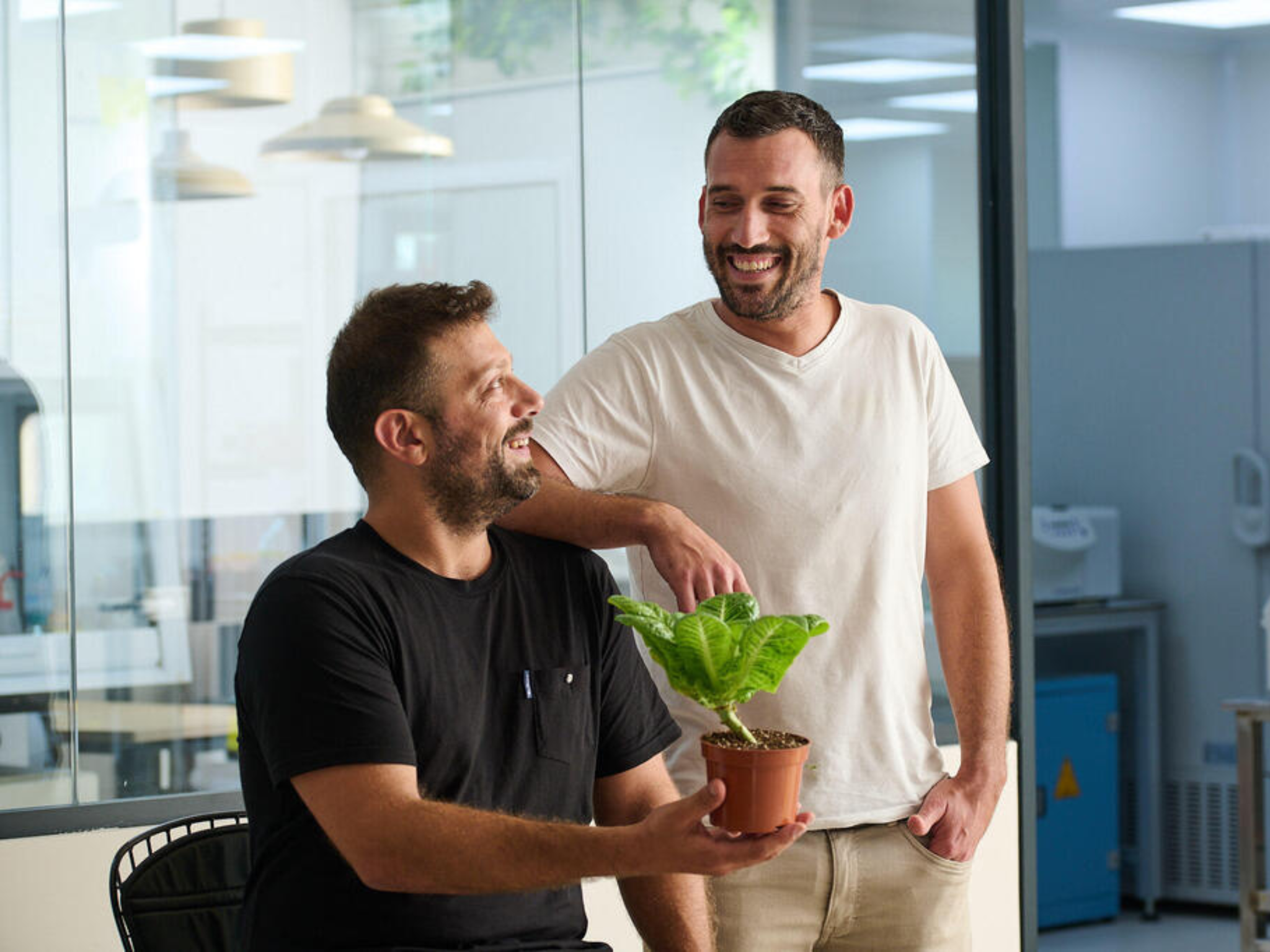
Israeli food tech startup Plantopia has secured $9M in funding to establish a molecular farming facility to produce casein proteins within sprouted oats.
Plantopia, a molecular farming firm growing dairy proteins in oats, has raised $9M in a new investment round to transition from R&D to commercial production.
The funding was led by dairy giant Schreiber Foods and VC firm Siddhi Capital, with further participation from Yotvata Dairy, Arkin Capital, and the Fresh Start FoodTech Incubator. It brings the startup’s total raised beyond $16M.
It will use the funds to establish a manufacturing facility in Kibbutz Sdot Yam, which is set to begin operations this quarter. The company is growing all four casein proteins in sprouted oats, which it plans to sell to food manufacturers to produce animal-free dairy alternatives like mozzarella.
Plantopia expressing all four forms of casein

Founded in 2019 by Alexander Vainstein, Tal Lutzky and Amir Tiroler, Plantopia is built on tech developed at the Hebrew University of Jerusalem, using plant molecular farming to produce cow-free dairy proteins.
The technology involves modifying plant cells (rather than animal or microbial cells, as in cultivated proteins or precision fermentation) to enable them to express animal proteins within the crop, which can then be harvested from leaves or other plant tissues for use in food applications.
Plantopia is leveraging this to grow casein, the main group of proteins found in dairy. Known for its emulsification, stabilisation and gelation properties, casein is what makes hard cheeses melt, stretch, bubble and brown.
There are four types of casein proteins found in milk, which fold into spherical structures called micelles, where they are suspended in a highly hydrated solution and bound to minerals like calcium. This is central to casein’s functional attributes, and Plantopia has successfully expressed all four forms of casein.
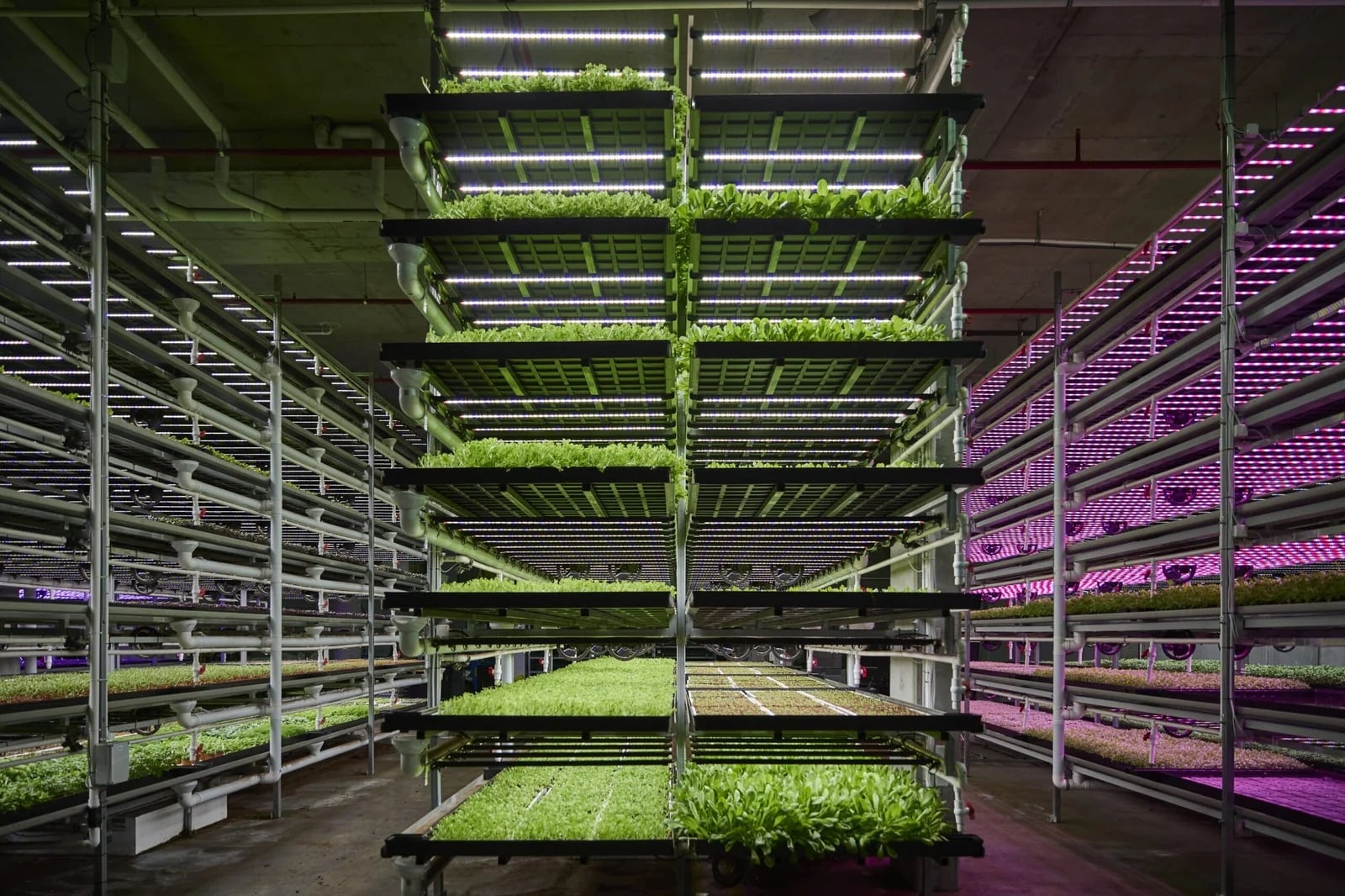
The startup is using sprouted oats grown on vertical farms to produce its proteins, in a process that is independent of farmland, sunlight and climatic conditions. It has achieved “complete equivalency” to conventional casein, matched dairy functionality on coagulation, and is positioned to deliver its ingredient at $15-20 per kg, which it says is on par with cow-derived casein.
“Plantopia’s technological achievement is the holy grail of dairy proteins – proteins that are identical in composition to those found in cow’s milk,” said Lutzky, who is the company’s CEO.
“Having completed the development stages that have been our focus in recent years, we are now moving into commercial production,” he added.
Molecular farming will help Plantopia meet GLP-1-fuelled protein demand
Aside from its functional properties, casein is a high-performance protein that can deliver extended recovery, satiety and functional nutrition, making it a desirable ingredient for the GLP-1 nutrition category, which Plantopia is targeting.
In the US, users of these weight-loss drugs nearly doubled from 10% in 2024 to 18% in 2025, which has contributed to the ongoing protein boom. Medications like Ozempic and Mounjaro cause a 25-40% decrease in muscle mass over 8-16 months (much higher than non-medicated weight-loss approaches and age-related muscle loss), making protein an important dietary tool.
But conventional dairy supply is increasingly exposed to climate and disease shocks (such as the ongoing H5N1 outbreak in the US), geopolitical risks, and feed market disruptions.
The whey market is a prime example of this: contracts for this dairy protein have been sold well into 2026, and some supplies are sold out for the rest of the year. Whey prices broke records in 2025, and have kept on surging since. Over the last two years, the cost of whey protein concentrate has risen by 108%, and whey protein isolate has nearly doubled in price.
Lutzky said the casein proteins his company is producing will “help meet the growing demand for dairy proteins while enabling us to produce products that are as good as the original, providing a commercially viable alternative to one of the world’s largest sources of pollution”.
Plantopia is one of several companies using molecular farming to grow proteins for human consumption. Within Israel, Finally Foods and PoLoPo are leveraging potatoes to produce casein and potato proteins, respectively, and NewMoo is growing casein in soybeans. Casein is also the focus of US startups Alpine Bio and Mozza Foods (via soybeans), as well as New Zealand’s Miruku (via safflower).
Elsewhere, Luxembourg’s Moolec Science produces Piggy Sooy (soybeans that contain pork proteins) and PEEA1 (peas that produce bovine myoglobin), among other ingredients.