

Canada’s No Meat Factory Closes US Plant-Based Facility, Laying Off Over 120 Workers

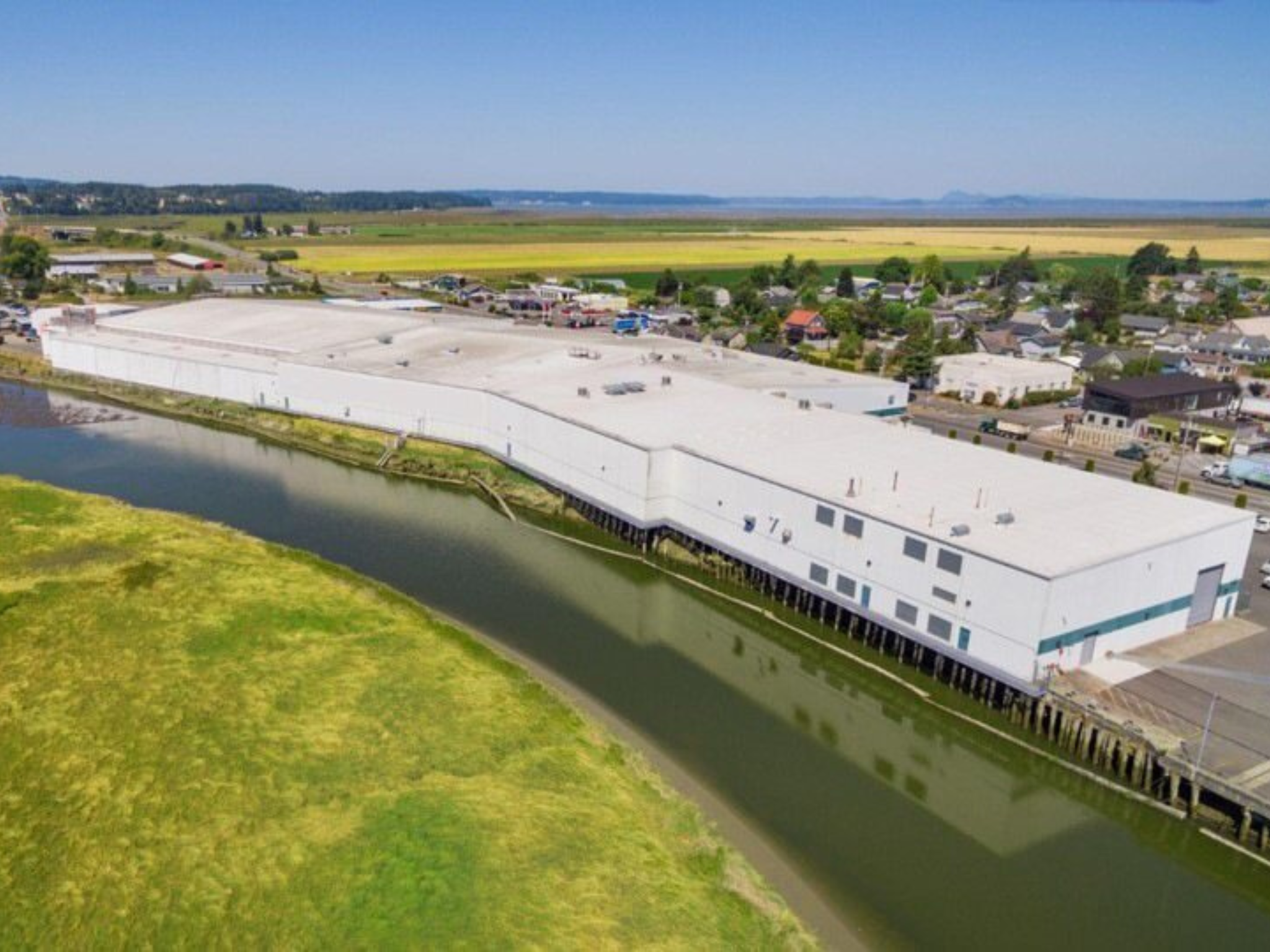
Canadian plant-based meat startup No Meat Factory has shuttered its $19M facility in Stanwood, US, laying off 123 employees and leaving its British Columbia site as its only production hub.
The contraction of the North American plant-based market has brought unprecedented challenges for companies in the sector, from product rationalisation to workforce cutbacks to manufacturing shifts.
No Meat Factory is the latest meat alternative maker to feel the effects. The Canadian company is closing its factory in Stanwood, Washington just over two years after its opening, it said in a Worker Adjustment and Retraining Notification (WARN) notice filed with the US state last week.
Under the WARN Act, employers are required to provide 60 days’ notice before mass layoffs or plant closures affecting 50 or more employees, to give workers time to seek alternative employment or retraining opportunities.
No Meat Factory’s decision to shut its Washington plant is set to affect 123 employees across multiple departments, including senior leadership, with the layoffs taking effect on September 16.
Affected employees include No Meat Factory CEO
No Meat Factory was founded in 2019 by MD Veggie Food founder Dieter Thiem and former ADM executive Leonidas Bell, two experts with over 65 years of combined experience in the plant-based industry at the time.
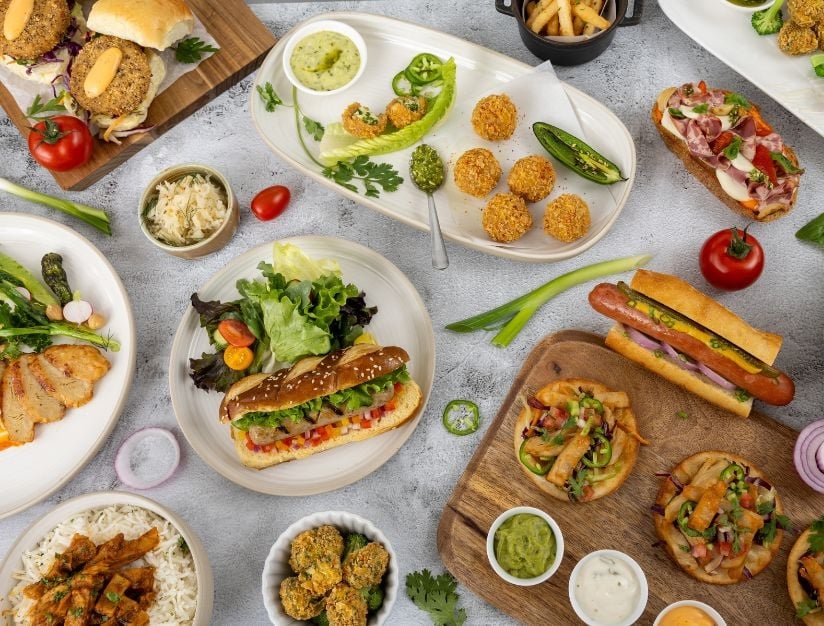
The company manufactures chicken, pork, lamb, beef and fish alternatives for B2B partners, including meatballs, crab cakes, whole-muscle strips, and bacon, as well as whole-food products such as cauliflower burgers and spinach-broccoli popcorn.
In early 2023, it closed a $42M Series B funding round, a month before purchasing the 200,000 sq ft Stanwood plant from its previous owner, Twin City Foods, in a $19.4M deal.
Twin City Foods, which processes frozen vegetables, had been operating in the city since 1943, but closed the Stanwood site in 2018. In 2023, the Washington state department announced that No Meat Factory would take over the facility, supported by a $200,000 state grant for upgrades.
The site features a 55,000 sq ft freezer capacity, processing capabilities for ready-to-cook and ready-to-eat foods, production lines for sausage and deli alternatives, packaging facilities, and pasteurising and co-extrusion capabilities.
According to the WARN notice, the employees set to be laid off include 61 production workers, 14 night sanitation technicians and the CEO, Michael Parks.
“The company will provide affected employees with information regarding available benefits, final pay, continuation of health coverage, unemployment insurance, and available workforce transition resources,” the notice reads.
Lack of sales and funding drive closures and layoffs
The US production hub’s closure means that the 40,000 sq ft co-manufacturing plant in Coldstream, British Columbia will serve as No Meat Factory’s sole facility now.
The development reflects a tough landscape for plant-based meat in the US, where year-on-year sales of these products dipped by 10% in retail and 7% in foodservice in 2025. Meanwhile, investment in these startups has fallen off a cliff, from $1.5B in 2022 to just $450M in 2025 (when it witnessed a slight year-on-year increase).
The challenges have underscored the wave of consolidation in the alternative protein segment. Since September 2024, more than 80 players involved in this space have been bought out or acquired, merged, fallen into insolvency, or shut down. And 72% of them were focused on plant-based technologies.
Apart from No Meat Factory, several other companies have been forced to make cutbacks. Industry giant Beyond Meat, whose stock fell to an all-time low last year, laid off 44 employees in North America (6% of its workforce in the region). Meati Foods came close to the brink before being saved by a $4M takeover, but that followed its dismissal of all 150 employees.
This trend can be seen globally, too. Nestlé announced it will let go of 80 employees at its Krupka factory in Czechia, in response to slowing demand for plant-based meat.