

French Future Food Fermentation Project Enters Next Phase with $22M in Govt Funding

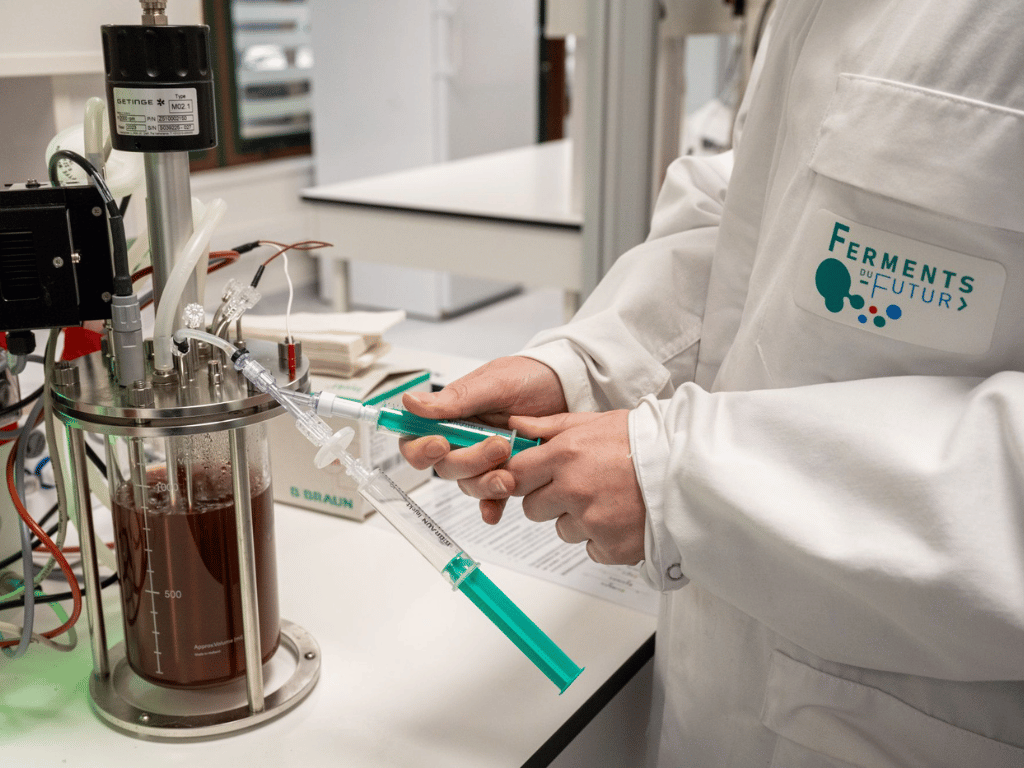
Ferments du Futur, a public-private research initiative to industrialise fermentation technologies for future food production in France, has received a €19.1M ($21.8M) funding boost from a government agency.
France is bolstering its fermentation ecosystem with a new investment in an ongoing public-private research programme, which will kickstart a new phase centred on three strategic priorities.
The government’s National Research Agency (ANR) has pumped in a further €19.1M ($21.8M) in the Ferments du Futur project for the 2026-28 period as part of the France 2030 programme.
The investment is part of the €100M earmarked for the project over a 10-year period starting December 2022, with €48.3M coming from ANR and the rest from private investors.
The first phase of the project was supported by a €10M investment from ANR to acquire state-of-the-art equipment at the project’s CI2F innovation centre in the commune of Orsay and partner research units. The results of this chapter will be released early next year.
Ferment du Futur’s second stage will use €5M ($5.7M) of the new funding for developing the capacity and labs of the distributed platform around three areas: automation and digitalisation, solid-state fermentation, and the optimisation of post-fermentation steps.
What Ferments du Futur focused on in its first phase
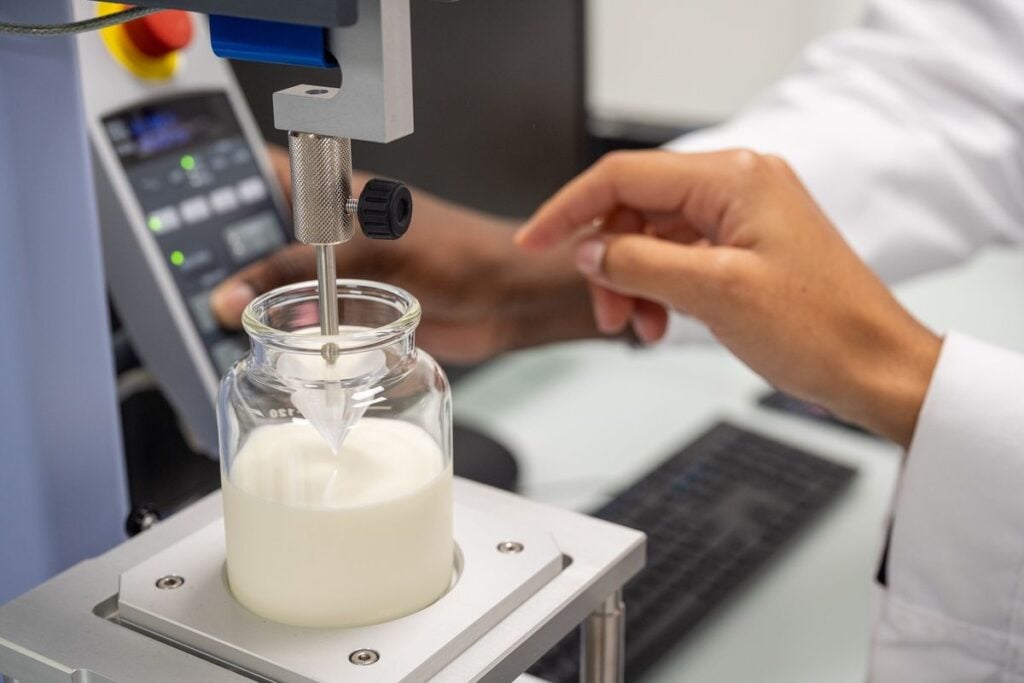
One of the key priorities of Ferments du Futur’s first phase was sensory optimisation, with a partner team testing various fermentation processes to enhance the aroma of pea-based products. This generated a wide variety of scents, ranging from brioche-like and fruity notes to even fishy aromas.
This effort was driven by the fact that scent is a key marker for consumer adoption. “If we can control the aromas of plant products by fermenting them, we will be able to more easily incorporate them into our food,” said Ferments du Futur director Damien Paineau.
To analyse the molecules that make up the aroma, scientists used an approach combining gas chromatography-mass spectrometry and sensory analysis with panellists. Building on that, the project plans to acquire a tribometer to characterise the texture of food once it’s in the mouth.
Gut health is another focus for the project. Our gut microbiota contains nearly 40 trillion bacteria, weighing a few hundred grams. They can be modified in the presence of microbes from fermented foods, whose interactions are studied in vitro. However, these devices require numerous manipulations and significant maintenance before and after each experiment.
Ferments du Futur used a device called BioLector XT to simplify this work. Its 2ml microfermentation plates enable the team to run up to 48 fermentation runs and have helped them identify combinations of microbial strains from fermented plant-based products that have beneficial effects on certain gut bacteria.
To complement that research, the project will make a 3D printer available to researchers to better understand the spatial organisation of microorganisms, as well as their interactions in space and time.
Finally, the 2023-25 stage of the project sought to test the impact of fermentation using computers before conducting the experiments. But that requires an extremely well-structured database, prompting the team to use Siduri, an extensive library of data detailing genomes, their behaviour during processing, and their impact on food and the gut.
“We have developed analytical tools to predict the ability of ferments to produce vitamins from plant juices,” said Paineau. “Siduri perfectly embodies Ferments du Futur’s desire to push back boundaries by making modelling tools available to complement traditional experimental approaches.”
Fermentation can benefit public and planetary health
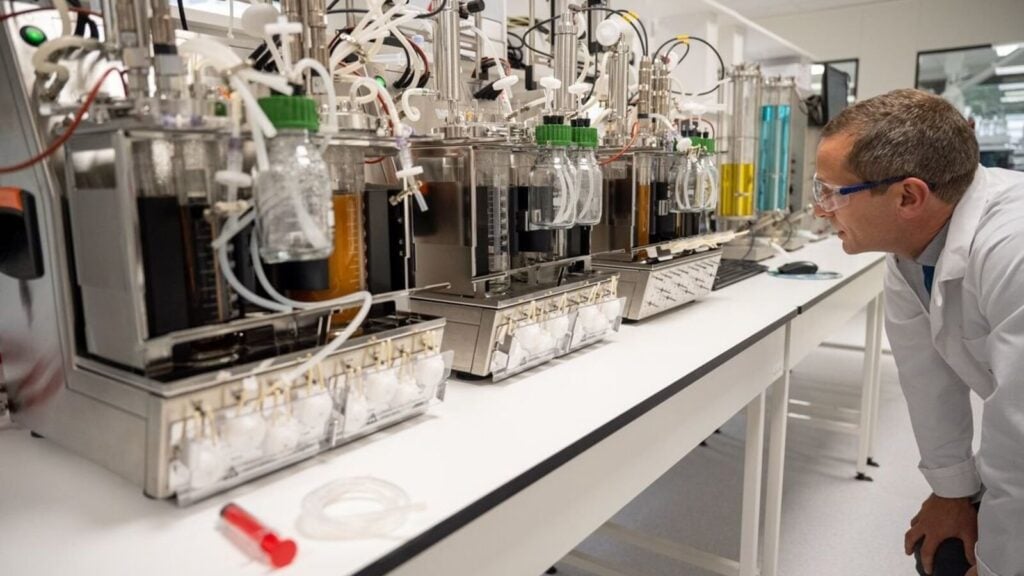
Ferments du Futur is comprised of nine research and educational institutions, 25 private companies, and seven professional organisations, including the French National Research Institute for Agriculture, Food and Environment (INRAE), Danone, Bel Group, Roquette, Verley, and Standing Ovation.
It aims to contribute to the shift towards healthy diets for a growing global population without encroaching upon the planet’s increasingly depleted resources.
Fermented foods offer a variety of benefits for gut health, a focus for consumers over the last couple of years. The popularity of weight-loss drugs like Ozempic and Mounjaro has contributed to this shift, as fermented foods can trigger the body’s natural GLP-1 response.
Fermentation also enables the production of high-value ingredients like proteins, preservatives, colourings, and vitamins, and bolsters nutritional and sensory qualities with minimal processing.
The next phase of the Ferments du Futur project is focusing on automation and digitalisation because they’re essential for optimising fermentation management. Solid-state fermentation remains underutilised despite its innovation and sustainability advantages. And the optimisation of post-fermentation steps is necessary for purifying and preserving products.
The renewed funding comes weeks after the initiative partnered with Soufflet Malt to create next-gen food ingredients via solid-state malt fermentation, starting with a cocoa substitute made from sprouted grains.
Research has shown that if France treats the shift to alternative proteins as a strategic priority, it could bolster its food security and environmental resilience and boost the economy with €18B in gross value added.
The end products of this industry could be worth over €10B (as much as the French coffee market), while the full value chain could push this market’s value past €15B, making the country among the largest beneficiaries of the protein transition.