

SaladStop Pledges to Source 60% of Protein from Plant-Based Food Globally

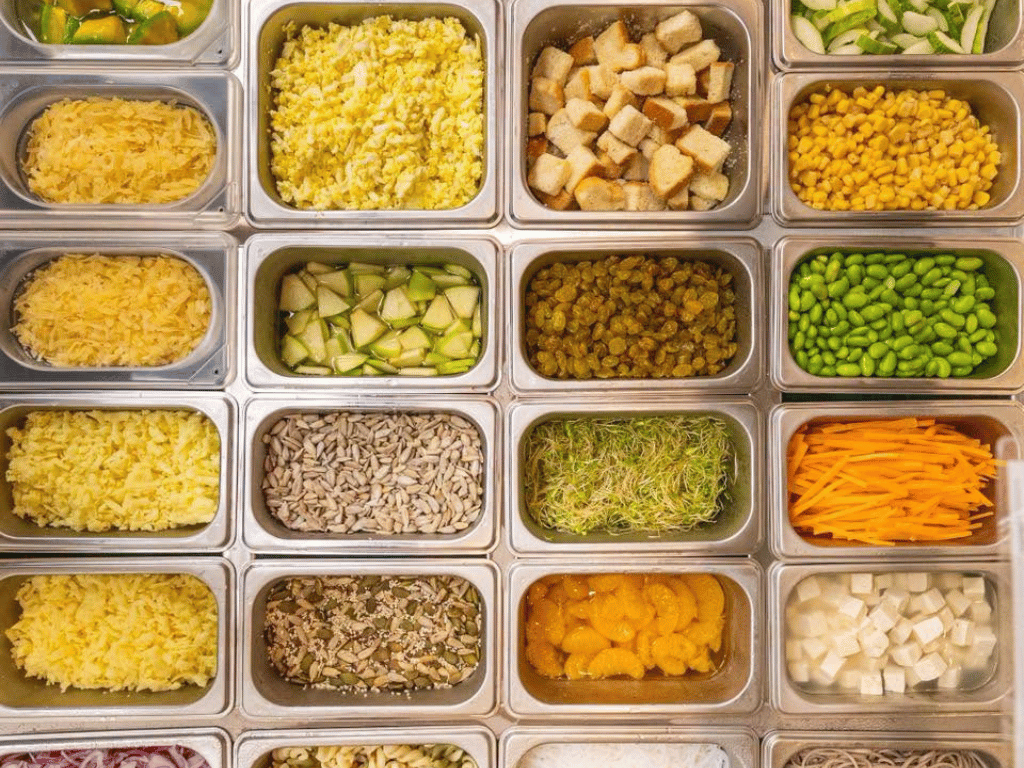
Asian fast-casual chain SaladStop has set a target to source at least 60% of its protein options from plant-based sources across all its locations.
SaladStop, the Singapore-headquartered salad chain with locations across Asia-Pacific, is betting on plant proteins to reach its net-zero ambitions.
In a new protein diversification pledge, the company has set a target of sourcing at least 60% of its protein from plant-based ingredients across its stores globally.
The commitment covers more than 80 SaladStop shops across Singapore, the Philippines, Indonesia, South Korea, Thailand, and Hong Kong, which collectively serve over five million diners a year.
“At SaladStop Group, we believe that great food should offer richness, variety, and flavour while remaining well-balanced,” said Adrien Desbaillets, CEO of SaladStop Group.
“We are reinforcing that philosophy with our protein diversification policy goal of sourcing at least 60% of our protein from healthy plant-based sources across our shops and operations globally.”
Leaning into Asia’s protein diversification need
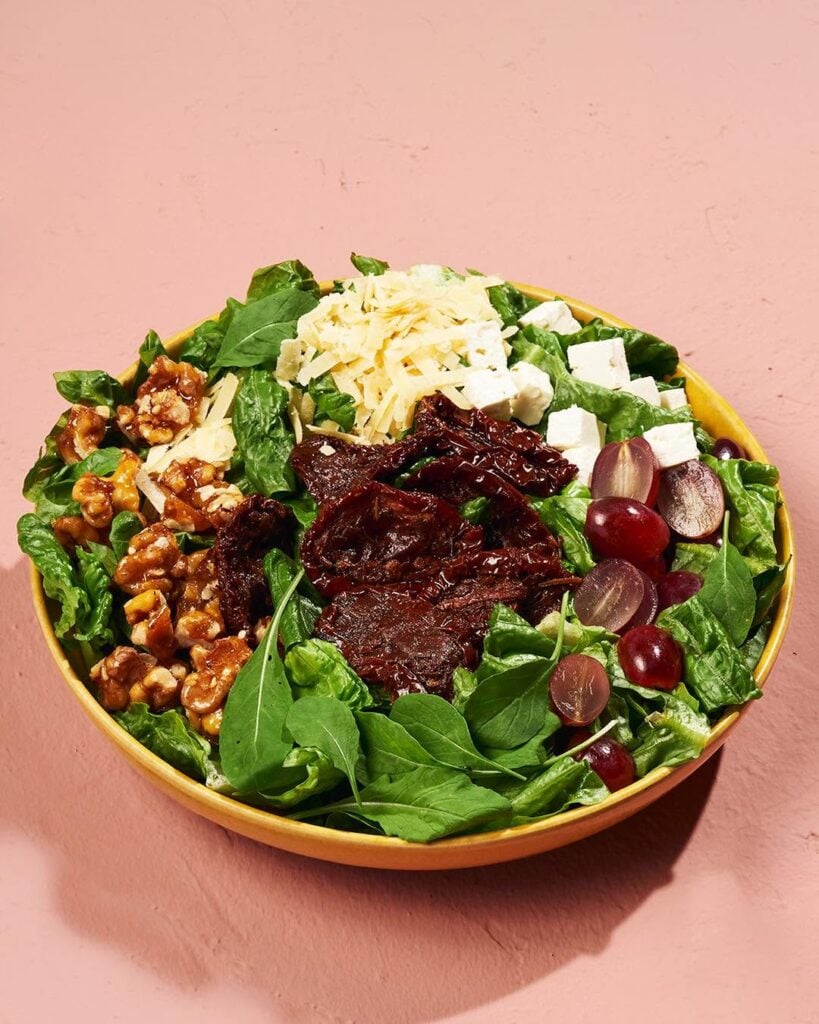
Founded in 2009, SaladStop already incorporates a wide variety of plant-based foods on its menus, from legumes, nuts and seeds to seitan, whole grains, leafy greens, and mushrooms.
The company has committed to achieving net-zero emissions across its operations by 2030, and the 60% plant-based protein pledge is an important “additional measurable step” towards lowering the carbon intensity of the food it serves. It allows the group to translate the broader sustainability goal into something customers can choose every day.
Livestock farming accounts for up to a fifth of global emissions and 80% of the world’s farmland, and some suggest it’s the leading driver of climate change when you use updated metrics to measure its impact.
A landmark paper from 2023 suggested that this way of eating reduces emissions, water pollution and land use by 75% compared to meat-rich diets. And in 2025, another study found that vegan diets cut carbon emissions by 46%, water use by 7%, and land use by 33%.
Asia is one of the most promising markets for climate-friendly foods. Its food system feeds half the world and produces nearly half of all agrifood emissions, making decarbonising menus a priority. Research suggests that alternative proteins would need to make up 50% of Asia-Pacific’s protein supply by 2060 if the region is to decarbonise.
But only 14% of consumers in Asia-Pacific were frequently consuming meat-free food in 2024, representing at least a five-point decrease from 2023. High prices of meat alternatives and an inferior flavour were the biggest complaints, as cited by 40% and 37% of Asians, respectively.
That said, people in this region are among those with the strongest interest in eating more plant-based food, with Vietnam leading the way globally (over 90% of people there express a growing appetite for meat-free options). This was also true for nearly 85% of Indonesians and more than 75% of Thai respondents.
SaladStop commitment an ‘industry-leading example’
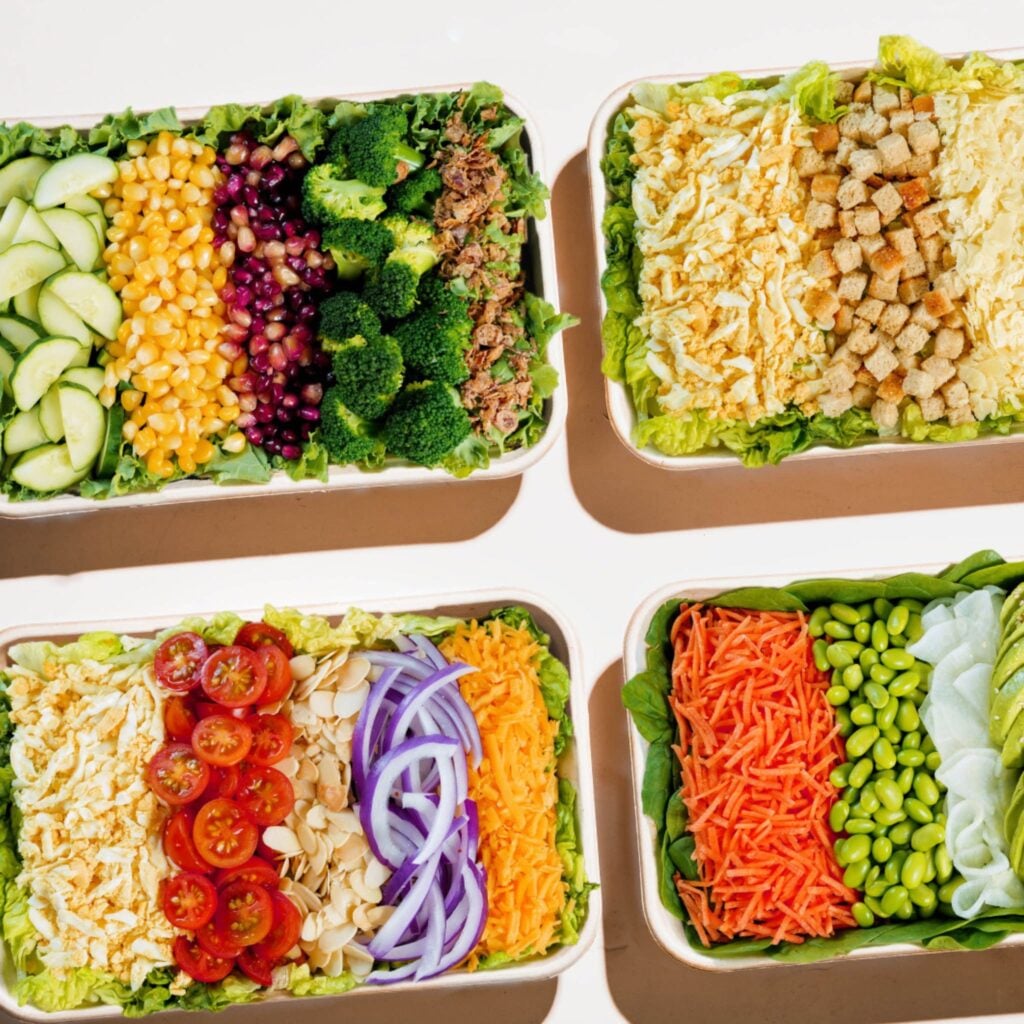
SaladStop said its “Eating Wide Awake” motto captures its commitment to finding the best possible ingredients to “feed the mind and body” while accounting for the planet and the food chain.
“This approach allows us to explore diverse ingredients and create exciting, satisfying dishes for our customers while strengthening our commitment to reducing environmental impact,” said Desbaillets.
The company, which became a B Corp-certified business in 2023, noted that it seeks out like-minded partners who share its commitment to sustainable sourcing and deliver the freshest ingredients possible.
Plant-based proteins, which it views not just as protein sources but ingredients that provide essential nutrients, fibre, phytochemicals, and satiety, already play a prominent role across the group’s portfolio of brands, including Heybo, Wooshi, Smoosha and FreshKitchen, and SaladStop.
The company has previously dabbled with meat alternatives through a partnership with Beyond Meat, which supplied its signature burger patty as part of a Beyond Me bowl.
“SaladStop Group is setting an industry-leading example of how protein diversification can be embedded into a growing global food business without compromising taste, freshness, or nutritional balance,” said Marielle Lagulay, sustainability programme manager at Lever Foundation, which supported the development of the commitment.
“In formalising a goal of sourcing at least 60% of its protein from plants, the group has established a clear and meaningful benchmark that we hope other food service companies will follow.”