

Revo Foods Turns Apricot Kernels Into Protein-Packed Dairy-Free Cottage Cheese

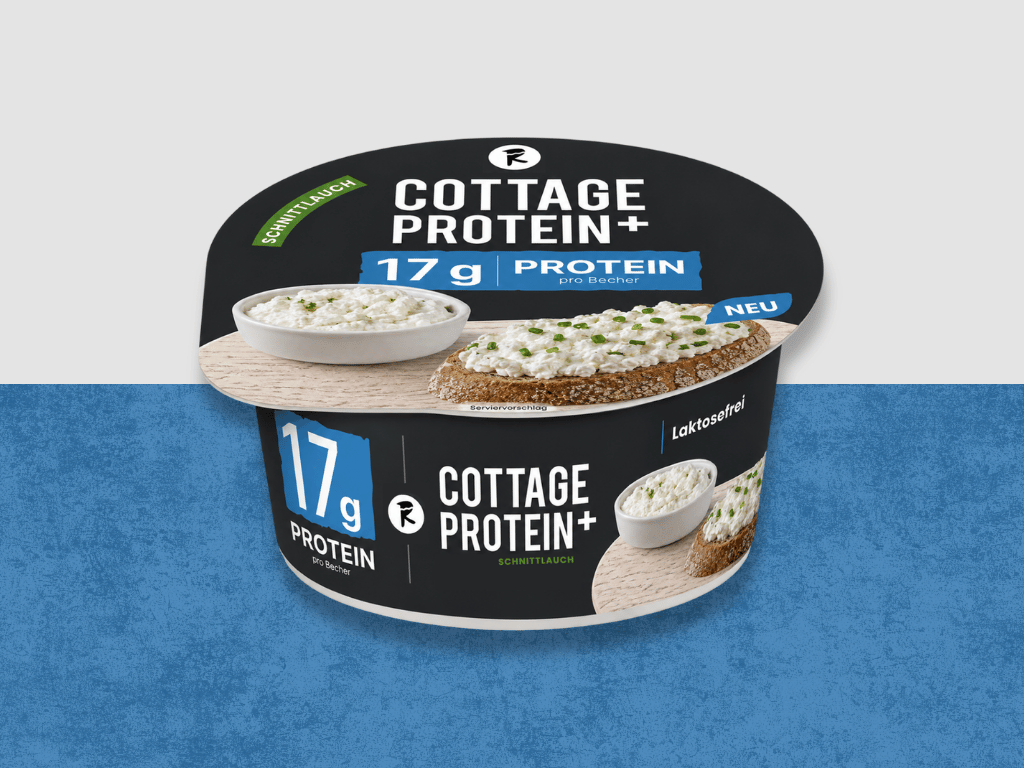
Austrian fermentation startup Revo Foods has expanded beyond meat alternatives with a new high-protein cottage cheese alternative that valorises apricot seeds and beats its dairy counterpart in taste tests.
High-protein, superior taste, clean-label, and waste-valorising. Revo Foods is hitting on the hottest food trends with its answer to dairy’s trendiest product: cottage cheese.
The Austrian startup, which made its name with mycoprotein-based seafood alternatives, is moving into the dairy aisle with Cottage Protein+, a dairy-free soft cheese made by fermenting apricot kernels that would otherwise be discarded or incinerated.
It contains just five ingredients – 40% soft apricot kernels, water, salt, live cultures and chives – and delivers 17g of protein per 150g pot. The product is being rolled out at Edeka and Rewe in Germany, where volume sales of cottage cheese have nearly doubled in the last three years, leading to empty shelves in supermarkets.
Revo Foods’s dairy-free cottage cheese derives its protein and fat content from the apricot seeds themselves, and its flavour has been preferred over its dairy-based counterpart by 60% of consumers in a blind taste test.
“The cottage format is a great fit for a versatile, high-protein product with very few ingredients,” Revo Food founder and commercial director Robin Simsa tells Green Queen.
“This follows the protein trend, which keeps accelerating, yet the supply of dairy protein is under extreme pressure. We think there has rarely been better timing for such a product on the market, which comes with such a simplistic, natural ingredient list, yet such a great nutritional composition.”
Cottage Protein+ leverages apricot kernels’ native protein and fat content
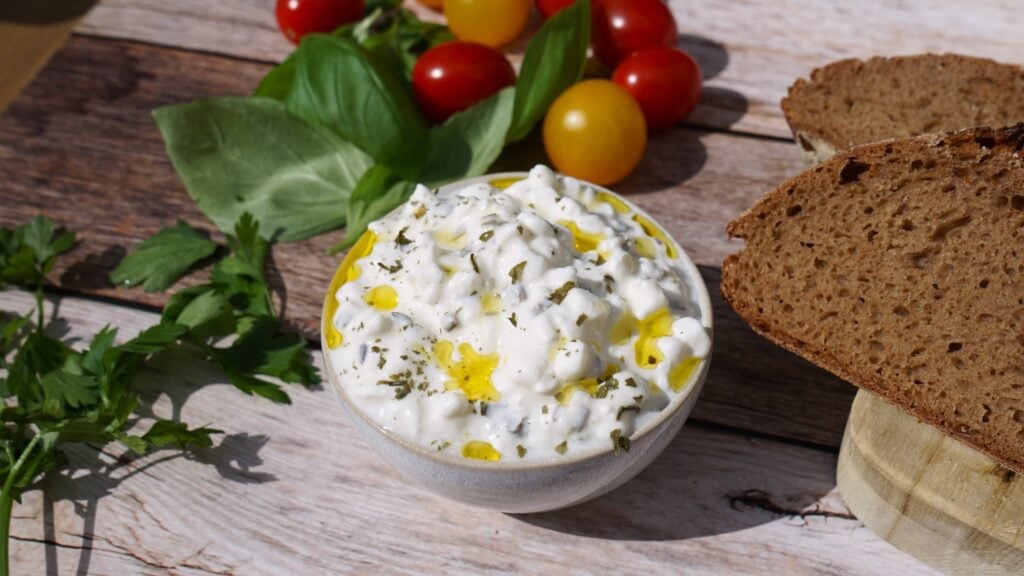
Unlike its meat alternatives, which leverage fermentation and 3D printing, the Cottage Protein+ is produced via a simpler process. “We mix ground, preprocessed apricot kernels with water and vegan cultures, then ferment them so the characteristic texture and flavour develop, with salt completing the recipe,” explains Simsa.
“The key is the combination of kernels, starter cultures and process conditions, which took years to optimise and allows us to avoid complex formulations,” he adds.
Apricot kernels are unique for their high protein content and suitability for fermentation. “Mycoprotein is not really suitable for product applications like these. Hence, we were not really considering it. We are, however, pragmatic, and chose the best plant-based products for a given application,” Simsa explains.
The product stands out from others in the segment, which are built on coconut or palm oil and have a protein content in the low single digits. Revo Foods says its non-dairy cottage cheese has fewer ingredients than most conventional versions, and more protein than many. The fat comes entirely from the apricot seeds, which are rich in unsaturated fatty acids, with a profile resembling that of olive oil.
“Most plant-based fresh products aren’t fermented; they’re formulated: coconut fat, starch, thickeners, and usually no protein to speak of. We do it the other way around,” says Niccolò Galizzi, head of food tech at Revo Foods.
“With Cottage Protein+, the fermentation cultures do the work for us. Texture, acidity and flavour develop in the fermenter, not on the ingredient list. That’s why we need only four ingredients and still end up with a product that stands out on both taste and nutrition.”
Apricot kernels are available in large quantities wherever the fruit is processed into jam, juice or dried fruit. Revo Foods saves them from being thrown away or destroyed, using a sidestream as the main raw material in line with circular economy principles.
“We purchase apricot kernels from several suppliers to maintain a stable supply chain, using a byproduct of fruit processing. There is substantial supply potential, although establishing consistent food-grade collection and processing is an important part of scaling,” notes Simsa.
Revo Foods isn’t the only startup making plant-based dairy products from apricot kernels. Fellow Austrian firm Kern Tec uses them to make non-dairy milk, yoghurts, ice creams, cheese, and more, while Roots of Quality Foods and 138 Degrees sell apricot kernel milks in Asia-Pacific.
Not a vegan cheese alternative; a high-protein fitness product
This is Revo Foods’s first foray into the cheese category, joining its innovative mycoprotein range, which includes salmon and whitefish filets, octopus tentacles, whole-cut chicken, as well as fungi protein products that don’t intend to mimic meat.
“Our focus is on the wider shift towards sustainable proteins, and we choose the protein source that works best for each application. With Cottage Protein+, we are appealing to consumers through taste, protein content and simple ingredients, without making the ‘alternative’ label the main selling point,” says Simsa.
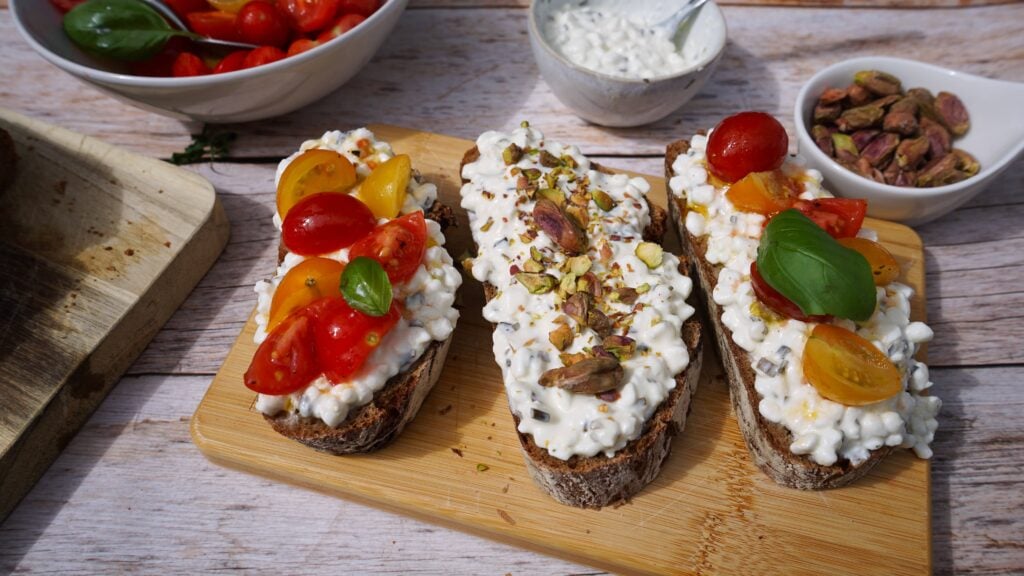
Expanding on this, he argues that people don’t usually care about the protein source in products like cottage cheese; they’re instead more concerned about nutrition and price. It’s why Revo Foods isn’t positioning the product as a vegan cottage cheese alternative, rather, it sees it as a high-protein fitness product with a cottage texture.
“The distinction is slight, but it makes all the difference in the world, because it does not reach the same emotional consumer response as meat products elicit, and is more suitable to take a similar high-growth path as plant-based milk has,” he explains.
That said, he confirms the company isn’t moving away from offering centre-of-plate solutions and “more meat-like product offerings”: “We are, however, working on diversifying and offering consumers more choices for sustainable protein products, no matter the eating occasion.”
Revo Foods’s current focus is to scale and commercialise Cottage Protein+, though there’s potential for further applications with fermented apricot kernels.
“Our approach will remain to choose the ingredient and process that deliver the best product for each application. Fermentation gives us unique opportunities here,” Simsa says. “Even within cottage, there are many different application types to still be discovered (different flavours, organic, formats, etc.).”
The startup has raised around €15M ($17.4M) since its founding six years ago and is currently crowdfunding (it has already raised €900,000 toward its €1M target). “We have grown quite positively in terms of revenue last year, and target to reach profitability by mid next year, possibly earlier depending on the speed of some ongoing listings,” says Simsa.