

Beyond Ground Faba, Rubisco Protein & Microbial Silk Among Time’s Best Inventions of 2026

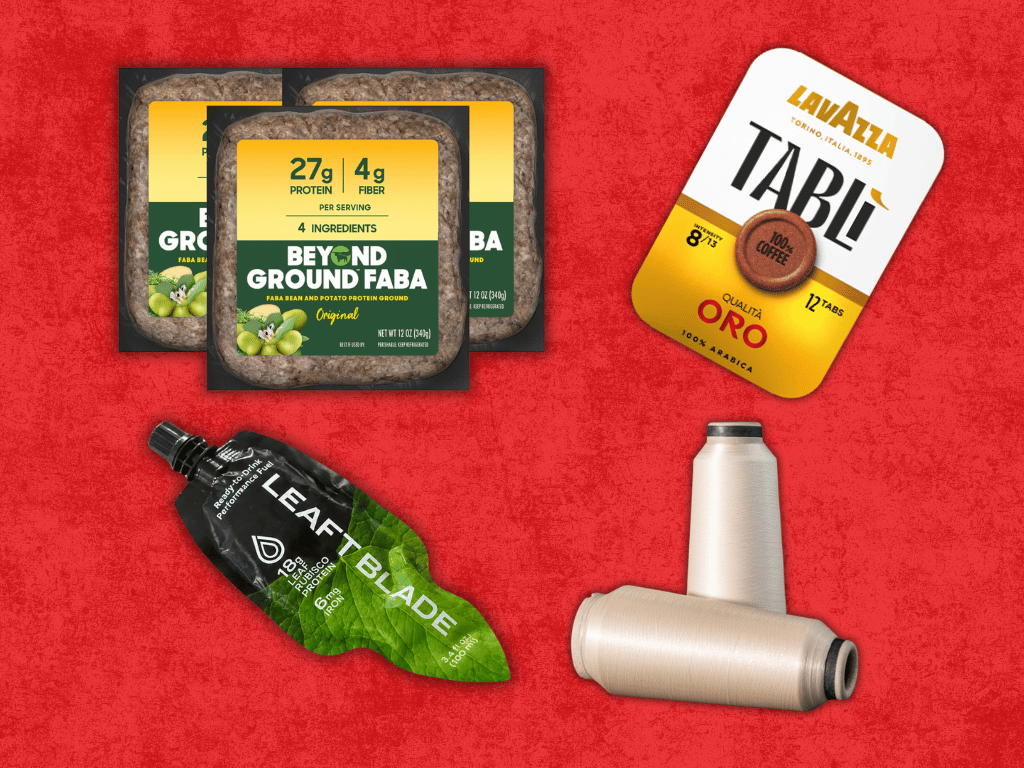
Time Magazine has published its 2026 list of the world’s best inventions, this time featuring Beyond Meat’s faba bean mince, Leaft Foods’s Rubisco protein, and Lavazza’s plastic-free Tablì coffee tabs.
Beyond Meat’s move beyond meat mimics is paying off – at least in the zeitgeist, if not financially.
The plant-based giant’s faba bean mince has been named on Time Magazine’s Best Inventions of 2026 list, which also includes Leaft Foods’s alfalfa-based Rubisco protein, but is otherwise lighter on alternative protein than previous years.
The magazine’s annual publication is in its 26th year, for which it sought nominations from its editors and correspondents, as well as through an online application process. It paid special attention to “growing fields such as healthcare, AI, and green energy” and evaluated each contender on factors like “originality, efficacy, ambition, and impact”.
The 300-strong list is headlined by Apple’s iPhone Duo, and includes innovations like Lavazza’s plastic-free Tablì coffee pods, AMSilk’s recombinant spider silk, and Living Ink’s Algae Black pigment.
In terms of food innovations, Beyond’s Ground Faba product and Leaft Foods’s pre-workout Blade drink are the standouts; Milkadamia’s 2D-printed sliced oat milk is one of 100 special mentions.
Time recognises Beyond Ground’s simplicity
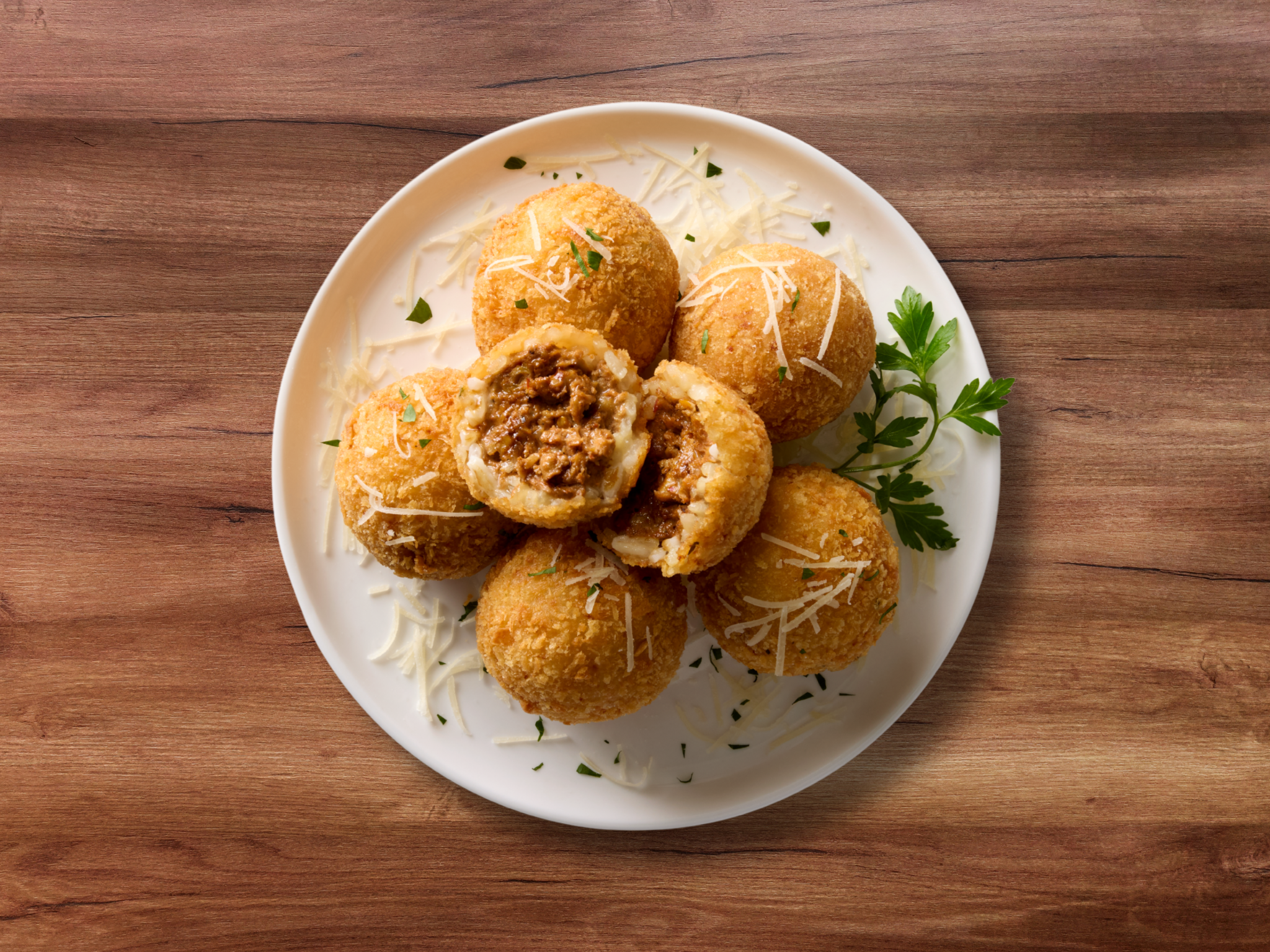
A day after Whole Foods highlighted ‘simple ingredients’ as one of its food trend predictions for 2027, Time has identified Beyond’s diversification strategy as a differentiator.
The faba bean mince was first launched last year, with the original flavour containing just four ingredients: water, faba bean protein, potato protein, and psyllium husk. The product was designed to answer critics of Beyond’s ultra-processed formulations and long ingredient lists.
The product contains 27g of protein and 4g of fibre per 4oz serving (outperforming beef), with just 140 calories and 1.5g of fat, and no cholesterol or saturated fat. Home cooks can add any seasonings, marinades, or sauces to build their meals around the ground protein.
To make the innovation, the company uses an extruder to efficiently extract plant nutrients, before applying heat and pressure to convert them into a format resembling the texture of animal protein – but it isn’t meant to mimic beef, unlike its signature Beyond Beef. “It’s a way of skipping that entire process of having an animal consolidate [nutrients],” founder and CEO Ethan Brown told Time.
Beyond Ground Faba is still only available on the company’s e-store. Could the recognition as one of Time’s best inventions of the year be a catalyst for its brick-and-mortar debut?
Leaft Foods hailed for unlocking inextricable protein
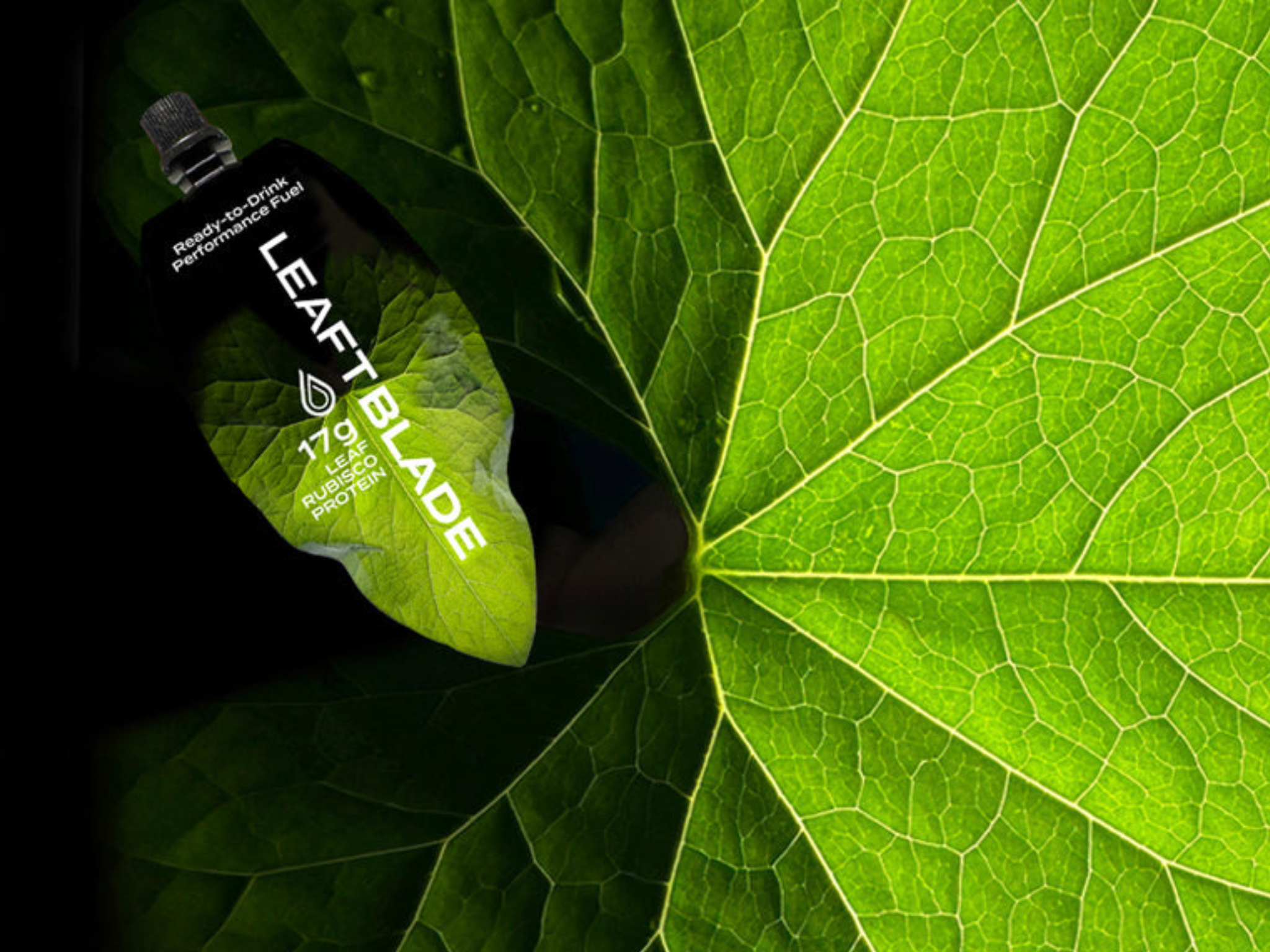
Based in New Zealand, Leaft Foods is commercialising Rubisco, a protein found in the leaves of every green plant – we’ve all consumed a lot of it without knowing it. It’s a complete protein, with high levels of essential amino acids and a PDCAAS score similar to beef, egg whites, and dairy proteins, and it’s rich in vitamins, minerals, antioxidants, and micronutrients.
Rubsco is the most abundant protein on Earth. However, it’s trapped within tough cell walls and only accounts for 3% of a leaf’s content. Scientists have been attempting to extract it for over a century, and most efforts have destroyed its delicate structure, rendering it worthless.
Leaft Foods spent years developing a gentle, food-safe process entailing ideal crop selection, harvest timing, and material handling, which preserves protein integrity and enables Rubisco harvesting at scale. Its alfalfa-based protein isolate generates 97% fewer greenhouse gases than whey.
Its first product, Leaft Blade, was launched last year. It’s a single-serve pre-workout drink with 18g of protein per 100g, which the body can digest up to six times faster than conventional proteins. It contains 50,000 green per serving, alongside L-tyrosine to sharpen focus and support brain function, leucine to trigger growth, and tryptophan to restore balance, and was used as the base of a smoothie by Californian açaí chain Palmetto Superfoods.
Bio-based silk and plastic-free coffee pods make it to Time’s list
Time Magazine outlines how silk is not a sustainable fibre, given that it requires water-thirsty mulberry trees and lots of energy to boil silkworm cocoons.
AMSilk, however, uses AI-driven protein engineering and precision fermentation to produce recombinant spider silk proteins that generate 1% fewer emissions than mulberry silk, while using 92% less land and 97% less water. It has worked with Mercedes, Airbus, Balenciaga, and Omega, and is scaling up to industrial levels with Ajinomoto Foods Europe.
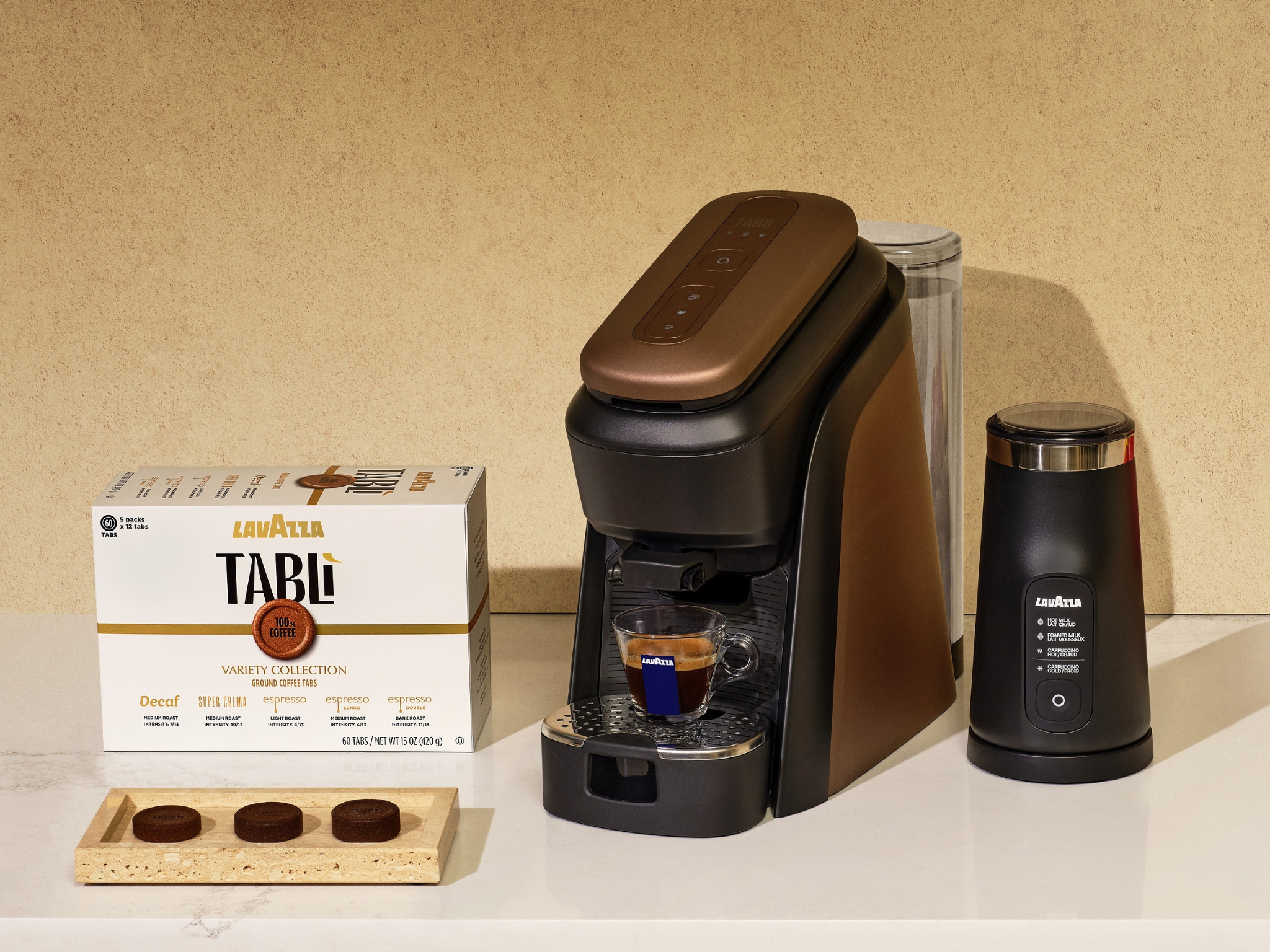
Meanwhile, Lavazza is tackling the long-standing problem of coffee pod recyclability with the Tablì coffee system, which was developed over five years and replaces traditional capsules with what it calls “tabs”.
The tech compresses precisely dosed, ground and tamped coffee into a ready-to-brew puck, without requiring any measuring or setup. They’re made entirely of ground coffee, although they’re not entirely plastic-free, since the packaging comprises two sheets of thin plastic film.
Elsewhere, in the special mentions, Time recognises Milkadamia’s 2D oat milk slices. These are shelf-stable sheets that can be blended with water to make oat milk at home in 60 seconds.
Milkadamia starts with an oat milk paste that is printed into sheets via a proprietary 2D-printing process, which are then covered in compact and lightweight packaging, reducing packaging waste by 94% and weight by 85%, as well as cutting down emissions from transportation.