

Beans, Clean Labels & Zero Waste 2.0 Star in Whole Foods Market’s 2027 Food Trends

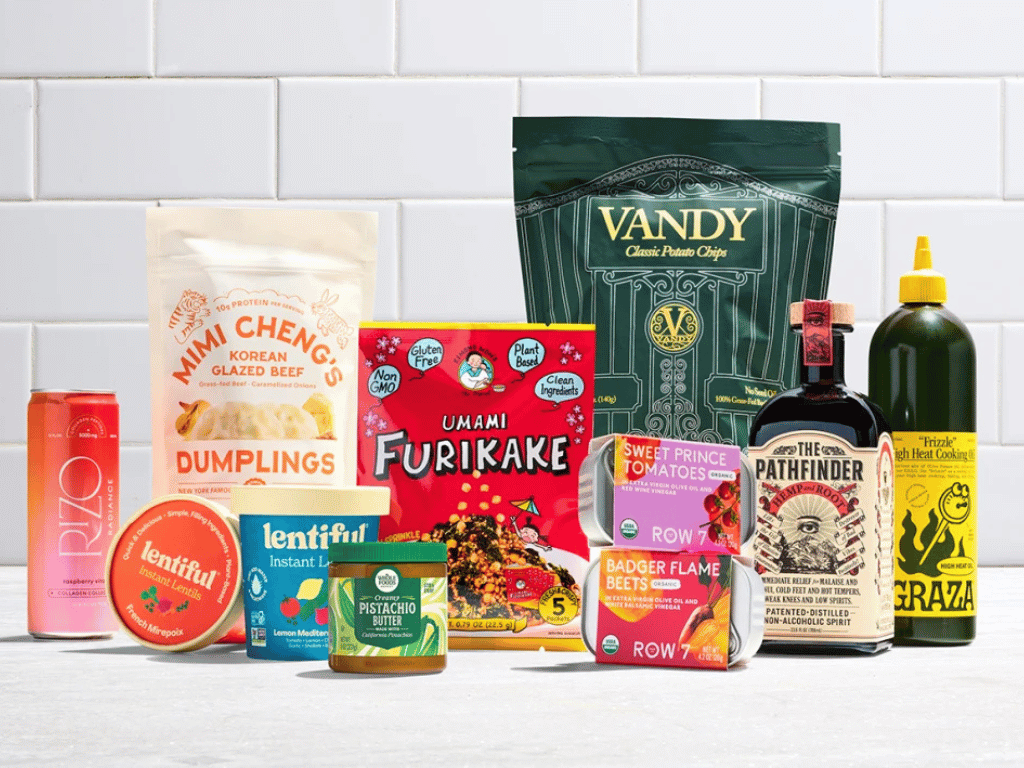
Whole Foods Market has released its annual food and beverage trends report, shining a light on the bean boom, ingredient minimalism, ‘beautrition’, zero waste 2.0, and more for 2027.
From the bean renaissance to the clean-label wave, Americans’ food choices will centre on whole foods, unexpected flavours and functional nutrition in 2027, according to Whole Foods Market.
The Amazon-owned grocer has published the latest edition of its food and beverage trend predictions, compiled by a council of foragers, buyers, culinary experts, and other team members.
“Our trends council spends the year in the field, from farmers’ markets to trade shows to neighbourhood restaurants, and the 2027 list captures just how quickly these ideas are moving from emerging concepts into everyday kitchens,” said Cathy Strange, ambassador of food culture for Whole Foods and a member of the trend forecasting team.
“This year’s predictions reflect a real shift in how people are eating – a curiosity about origin, a willingness to try bitter and unexpected flavours, and a meaningful return to simpler, whole-food ingredients,” Strange said.
According to the report, next year will be all about terroir, Japanese comfort food, bitter flavours, and food-as-skincare, with a focus on simpler ingredients, waste reduction, and legume-based products. Many of these trends will be relevant to companies in the alternative protein and future food space.
Beans are back
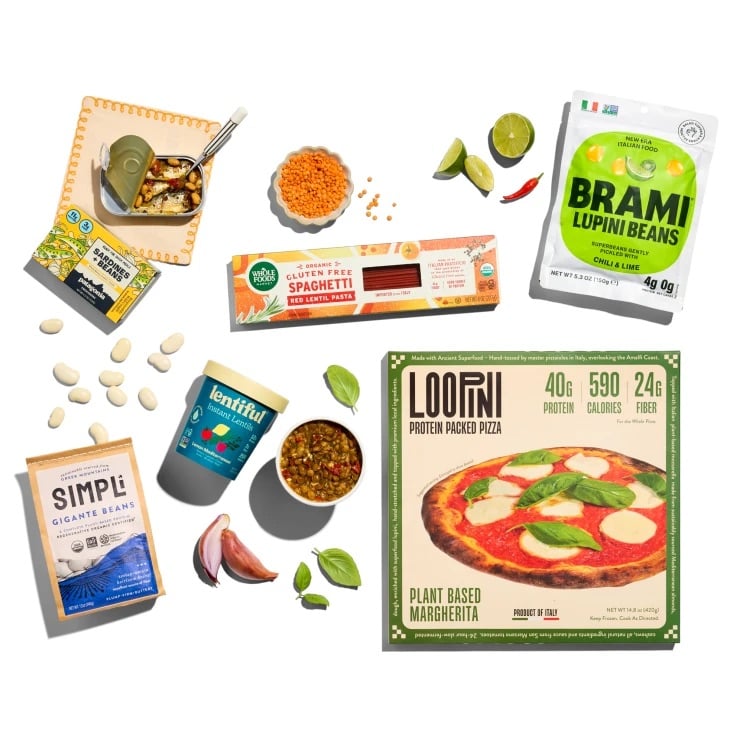
Whole Foods is talking up the resurgence of beans from side-dish to centre-of-the-plate status amid Americans’ search for whole-food sources of protein and fibre that are wallet- and gut-friendly, too.
“From brothy butter beans and crispy chickpeas to lentil-forward bowls and heirloom bean stews, legumes are increasingly appearing in chef-driven dishes that treat beans less like pantry staples and more like premium ingredients,” its report reads.
The shift comes as three in five US shoppers say they’re willing to eat less meat (62%) or open to replacing it with beans (57%) at least once a week, citing the latter’s health benefits, cost advantage, and minimally processed nature. It’s driven by the rise of GLP-1 drugs, which are pushing Americans to consume more protein and fibre.
This is why bean-led startups are attracting investors. Simpli is part of the latest cohort of startups funded by Chipotle’s Cultivate Next fund, Brami raised $33M to scale its high-protein, high-fibre lupini bean pasta, and Bare Beans secured $2.8M to launch ready-to-eat beans.
“Social media is even fuelling renewed enthusiasm for beans through viral dense bean salads, cosy ‘beans on toast’ variations and aesthetically styled pantry content (dubbed BeanTok) centred around colourful heirloom varieties,” Whole Foods outlines.
Less is more
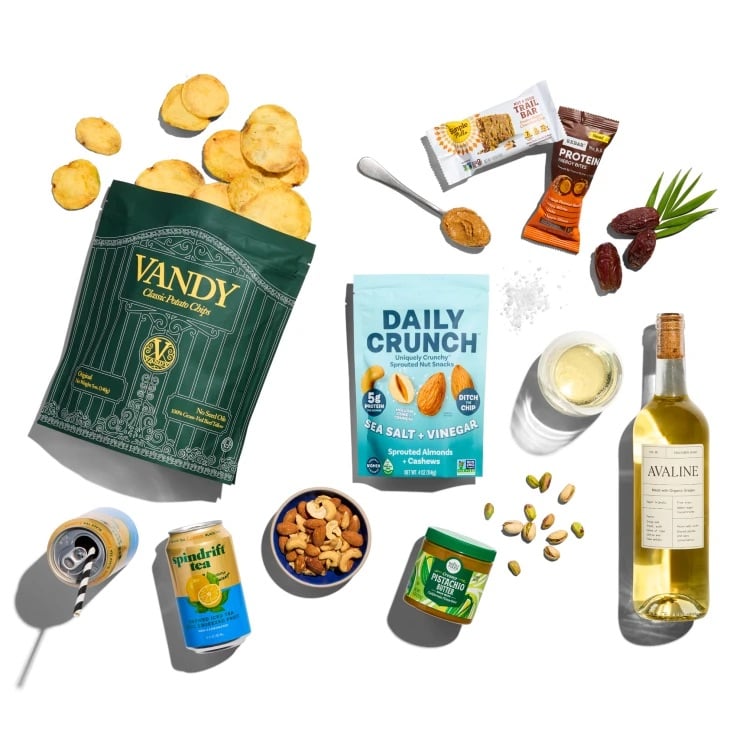
Clean ingredients are all the rage right now, thanks to ‘read your labels’ social content and a pushback against additives and ultra-processed foods (UPFs). It’s led to a landscape where shorter ingredient lists are a marker of higher quality.
Over seven in 10 Americans are trying to avoid ultra-processed foods, and 38% identify them as products with artificial additives, chemicals, dyes, or hard-to-pronounce ingredients. And 82% of them believe the fewer artificial or unfamiliar ingredients a food has, the healthier it is. Plus, 69% check labels to avoid highly processed ingredients, and 80% prefer familiar ingredients over artificial additives.
“Manufacturers are responding by simplifying formulations, replacing once-lengthy ingredient lists with concise ones. A growing number of non-UPF apps and certification programmes are also emerging to help consumers navigate store shelves,” the report states.
Indeed, companies like Beyond Meat have diversified their portfolios to put whole foods and clean ingredients to the fore, with more than 20 of its products now certified by the Clean Label Project. And the Non-UPF Program, the Non-GMO Project, and Wisecode have all come out with non-UPF verification labels, as has the state of California.
Elsewhere, Humble Planet recently released a five-ingredient oat milk featuring banana purée and baking soda, while Malk Organics credited its short ingredient lists for the 46% bump in sales of its plant-based milks in 2025, reaching $94M.
Food is beauty
Speaking of Beyond, the company has doubled down on functional nutrition with its Phytosphere range, which includes protein powders, sparkling drinks, and bars that contain ingredients like antioxidants, adaptogenic mushrooms, probiotics, polyphenols, plant sterols, and more.
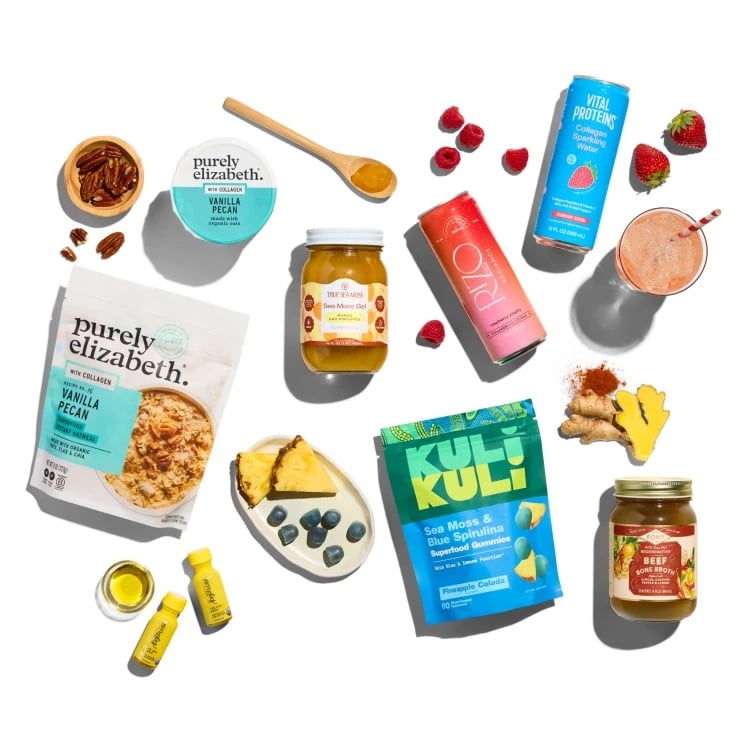
The move underlines the ‘beautrition’ trend, as consumers adopt a beauty-from-within approach to focus on ingredients rich in “collagen, antioxidants, healthy fats and hydration to support skin health”.
“Collagen jelly sticks, skin glaze gummies, olive oil shots and ‘drink your sunscreen’ products are emerging in the beauty and wellness market, blurring the lines between snack, supplement and skincare,” Whole Foods notes.
“Both content creators and wellness media continue to drive momentum around nutrient-dense, skin-supportive foods like carrots, cabbage, cucumber and tinned fish,” it explains. “This trend is also extending to food-inspired aesthetics (from ‘glazed donut skin’ to ‘strawberry girl makeup’) and products made with edible ingredients (like lip plumpers enhanced with cinnamon and cayenne).”
Food waste reinvented

In the US, 29% of the food supply goes unsold or uneaten, and households are responsible for a third of all food waste. Consumers spend an average of $762 each on surplus food each year.
Whole Foods says food waste reduction has been gaining traction for years, but Americans are now adopting a broader zero-waste mindset by looking for ways to cut waste across their daily lives.
“Rather than viewing sustainability as a series of individual actions, shoppers are embracing more circular systemsthat maximize resources and minimise what ends up in landfills. Upcycling has moved beyond the produce department, which led this trend, to become a source of product innovation in other categories,” it states.
Look to companies like Wasted Pasta, which turns unused bread into pasta; Renewal Mill, which converts oat pulp and okara into baking ingredients; or Spare Food, which upcycles surplus vegetables into blended meat. Whole Foods’s own-brand coffee, meanwhile, spotlights cascara, the cherry-like fruit surrounding the coffee bean that’s often discarded, and Graza uses olive pomace for its Frizzle olive oil.
“To serve customers with zero-waste mindsets, retailers are investing in refill formats, bulk departments and circular collaborations,” the retailer says, citing its partnership with food waste recycler Mill and surplus food apps like Too Good to Go.
Whole Foods sees provenance and terroir going beyond the wine aisle into coffee, chocolate, grains and more. The yōshoku effect – adapting Western dishes with Japanese flavours – will materialise in a big way next year, as will foods reinventing classics into novel experiences (think birria ramens and cinnamon roll focaccia). Plus, consumers are shifting to bitter flavour profiles, driven by expanding palates, digestive wellness and the sober-curious movement.