

57% of Americans Think UPFs Can’t Be Healthy, As Wait for Federal Definition Continues


There’s a gap between awareness and understanding of ultra-processed foods in the US, where nearly three in five consumers believe these products can’t be healthy, despite experts’ call for nuance.
The US government’s war on ultra-processed foods (UPFs) reached fever pitch when President Donald Trump returned to the White House in 2025, thanks in large part to his appointment of Robert F Kennedy Jr as health secretary.
Kennedy has long been a critic of UPFs, describing them as “poison” and previously pledging to remove them from school lunches. It’s a rare issue that has united policymakers from across partisan lines.
The administration’s attempts to officially define UPFs are in limbo as officials realize just how difficult it is to fit a complex food system into a broad classification.
That federal definition may have been delayed, but UPFs are still front of mind for Americans. They make up 55% of their calories, rising to 67% among children, and top their list of health concerns.
There is a chasm between consumers’ awareness and understanding of these products, according to a new 2,000-person survey by The Harris Poll on behalf of the American Heart Association (AHA).
The research found that while 90% of adults have heard of UPFs, only a third are very or extremely familiar with them. Still, 72% say they can confidently identify whether a food is ultra-processed or not, and two-thirds believe they could explain the term to someone else. Further, they’re split on the healthfulness of UPFs, and are strongly influenced by on-pack labels.
The gap has renewed calls for the Office of Management and Budget (OMB) to release the long-anticipated definition of UPFs, which the AHA notes has languished in draft form for months due to aggressive opposition from “industry interests”. It is, in fact, one of only a handful of public health groups granted an OMB meeting to date.
What makes a product ultra-processed?
The UPF category first appeared in the Nova classification in 2009, whose description of foods with industrial formulations and techniques and cosmetic additives bundled everything from Coke and Doritos to whole-grain bread or fortified soy milk under one umbrella.
It’s why many health experts have criticised the Nova definition of UPFs as too broad and misleading. It risks alienating foods that are actually good for you, and while studies have linked UPFs to a host of health ailments (including early death), leading health voices have warned against conflating processing with nutrition.
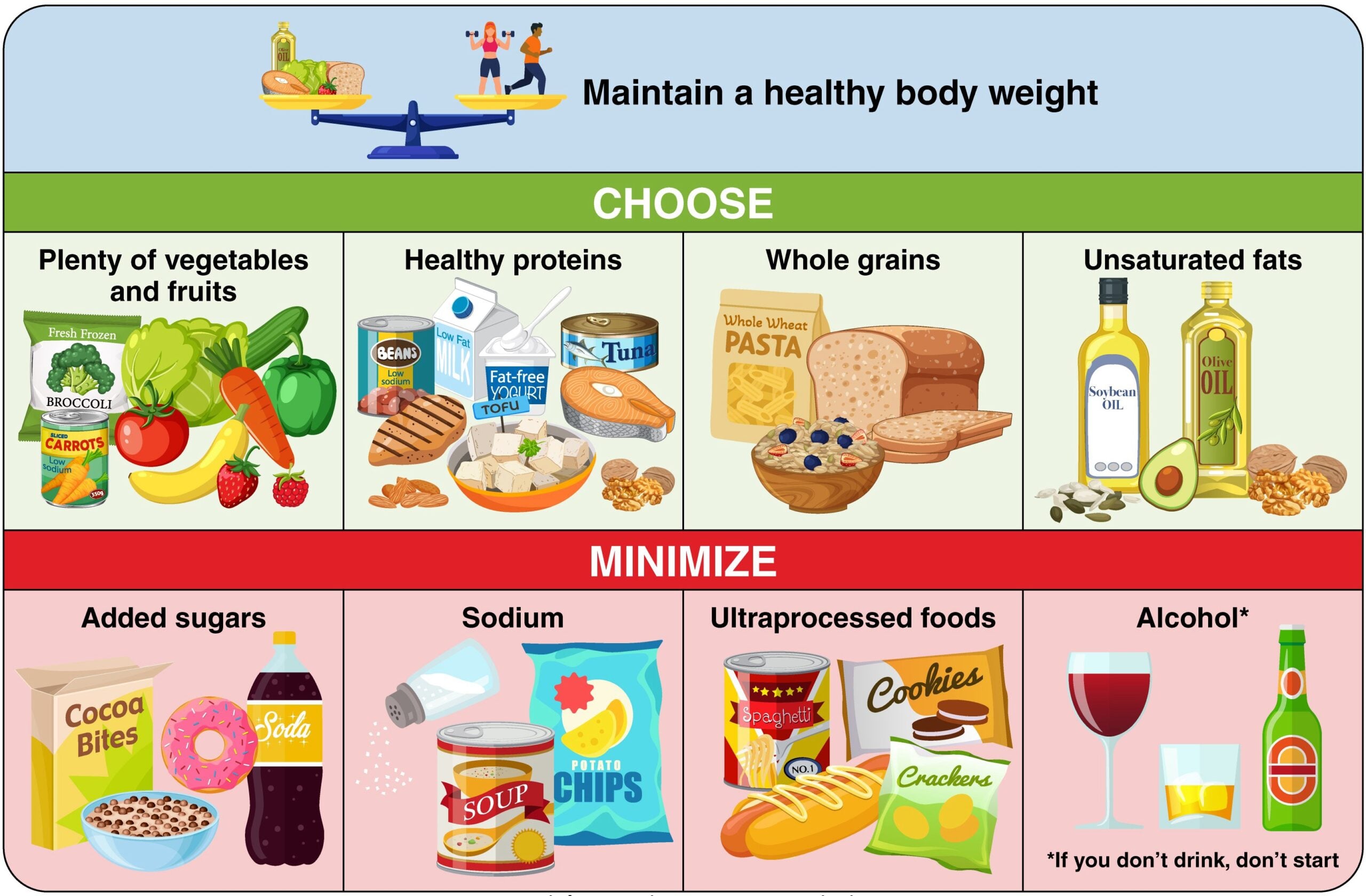
The AHA itself advised consumers to choose minimally processed ingredients in its dietary recommendations this year, and indicated that the category’s loose definition makes it hard to paint all products with the same brush. And last year, it cautioned against considering all UPFs as bad for you, suggesting that some foods – especially those high in fibre, like many plant-based meat products – are actually beneficial for health.
Still, the Trump administration blamed “highly processed foods” for diet-related diseases in the new (and highly criticised) dietary guidelines, and is considering acting on a petition calling for the revocation of the GRAS status of certain UPFs. Some states are phasing out UPF use in schools, including California, Arizona and Virginia.
And consumers don’t seem to be heeding experts’ calls for nuance. In the AHA survey, 57% of respondents believe no food product can be ultra-processed and healthy at the same time. A similar share (54%) agree processed foods are always better than UPFs, and 83% say whole foods trump processed foods.
When asked what they think makes a food ultra-processed, 38% link it to artificial additives, chemicals, dyes, or hard-to-pronounce ingredients. Another 23% associate them with heavy industrial processing or a major alteration from the food’s natural state, and just 15% relate them to junk foods high in sugar, salt and/or fat.
On the contrary, a quarter of Americans associate non-UPFs with natural ingredients, 22% describe them as fresh, raw, farm-to-table, or straight from the source, 20% view them as free from preservatives, artificial ingredients, dyes or chemicals, and 19% link them with minimal processing or as foods close to their original state.
Americans trust health experts over federal government for UPF guidance
To determine whether a given product is ultra-processed or not, consumers put a lot of faith in labels. Three-quarters (76%) believe foods labelled as UPFs are unhealthy, and 62% think those marked as ‘not ultra-processed’ are good for them.
That explains why organisations and governments are coming out with non-UPF certification labels. California Governor Gavin Newsom recently signed a bill that creates a front-of-pack ‘Non-Ultraprocessed Certified’ seal, which food manufacturers can use on products that meet certain criteria.
Likewise, a host of non-UPF verification labels have cropped up over the last couple of years from the likes of the Non-UPF Program, the Non-GMO Project, and Wisecode.
These labels target the 71% of Americans trying to avoid UPFs, according to the AHA poll, with consumers concerned about high levels of added sugar (80%), sodium (79%), and saturated fat (78%).
In addition, the survey found that most Americans trust their health provider (87%) or health non-profits (78%) to categorise foods as either whole, processed, or ultra-processed. Fewer than half (45%) trust the federal government, and one in five (22%) don’t have faith in it at all for labelling guidance on UPFs.
The AHA said a clear federal definition would inform research, nutrition policy, and consumer choice, and establish a more consistent and common framework for discussions about nutrition and health.
“Defining ultra-processed foods would represent an important step to encourage healthy eating, but additional policy actions are also needed,” said Mariell Jessup, the AHA’s chief science and medical officer. “Consumers need clear information not only about how foods are processed, but also the nutrients they contain and their overall nutritional quality.
“That’s why the AHA also continues to advocate for mandatory front-of-package nutrition labelling, increased investment in nutrition research and other policies that make healthy choices easier and more accessible.”