

New Culture Secures California Approval to Produce Mozzarella from Animal-Free Casein

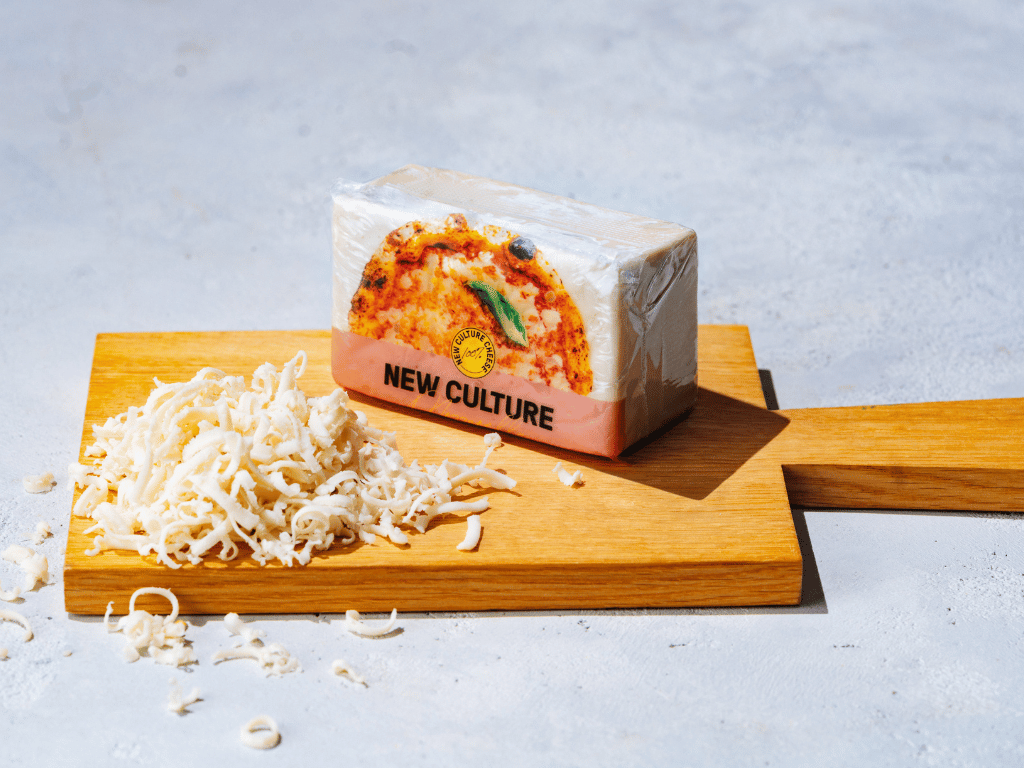
US food tech startup New Culture has received the green light from the California government to produce animal-free mozzarella cheese from its precision-fermented casein protein.
Californians will soon be able to get their hands on dairy mozzarella made without the cow.
San Francisco-based New Culture uses precision fermentation to produce casein bioidentical to the protein found in dairy, which is combined with plant-based ingredients to replicate conventional cheese.
The startup has now secured the necessary approvals from the California Department of Food and Agriculture (CDFA) to manufacture its flagship product under the label ‘mozzarella-style animal-free dairy acheese’.
“CDFA’s approval covers three components: the production process for our animal-free dairy mozzarella; the commercial facility in the Bay Area where we’ll be manufacturing our cheese; and the official product label,” New Culture co-founder, CSO and CTO Inja Radman tells Green Queen.
The green light clears the way for New Culture to sell its mozzarella to pizzerias in the state, since the firm has already self-determined its casein protein as Generally Recognised as Safe (GRAS) in the US.
Cow-free casein ‘truly the best of both worlds’
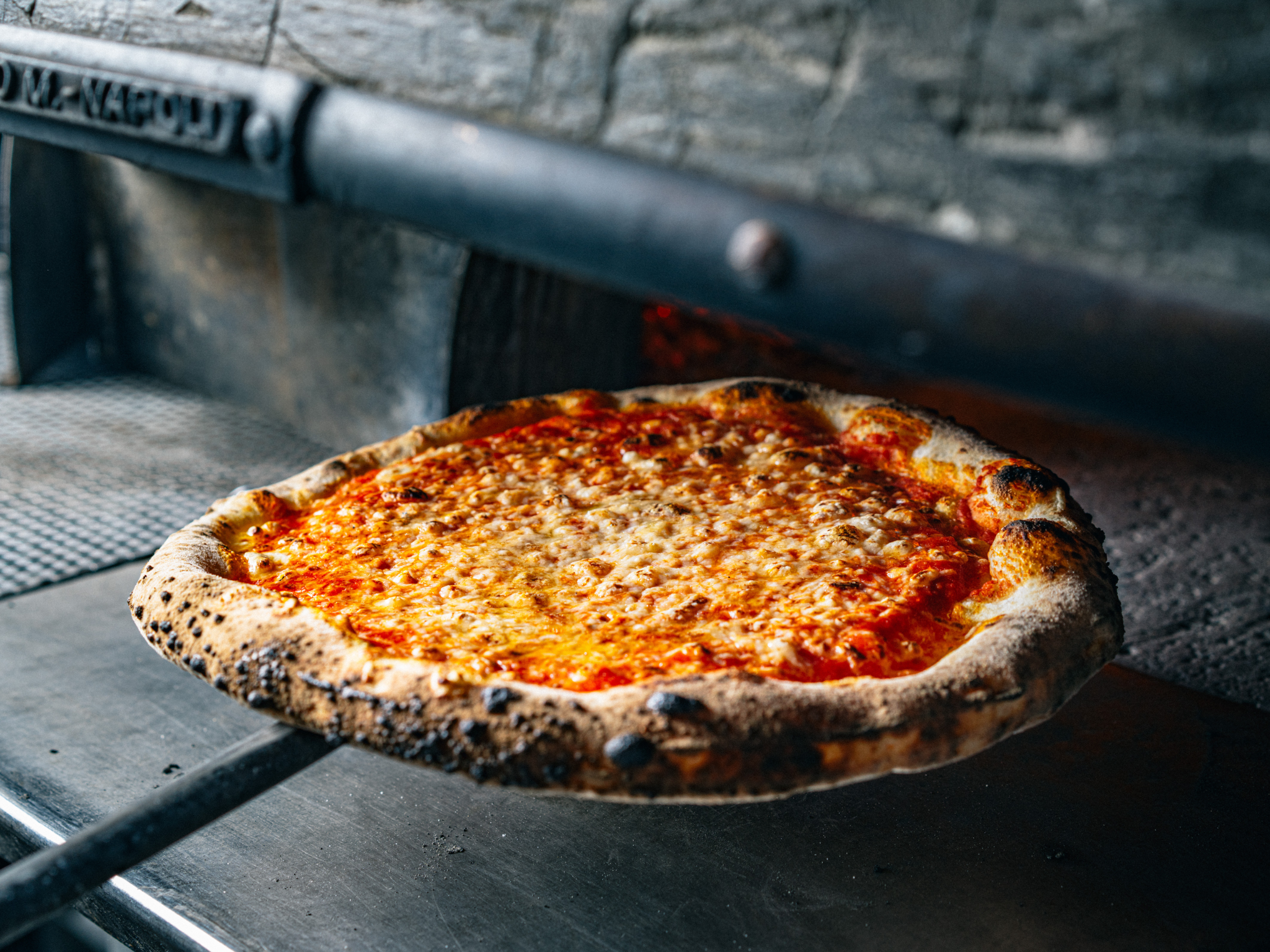
Casein is a group of proteins accounting for 80% of the protein content in dairy and responsible for emulsification, gelation, thickening, and foaming – it’s what makes hard cheeses melt and stretch when heated.
New Culture uses precision fermentation, which involves inserting specific DNA into microbes to teach them to produce the desired molecules when fermented, to produce αS1-casein, the most abundant protein fraction in cow’s milk, making up around 40% of total casein content in milk.
It employs high-density, aerobic bacterial fermentation and a custom-developed downstream process to produce and isolate its high-purity casein powder. Radman believes the animal-free dairy protein is “truly the best of both worlds”.
“It provides the unique functionalities only previously offered by animal casein, such as in emulsification, gelation and foaming properties,” she says. “Yet, since our casein doesn’t come from an animal, it enables us to produce dairy that’s free from lactose, cholesterol, and trace hormones and antibiotics.
“In addition, by manufacturing our casein using precision fermentation, our protein isn’t susceptible to animal agriculture’s price shocks or market swings like animal casein.”
The firm says it’s a leader in developing and optimising the strain, fermentation and downstream process required for the cost-effective production of recombinant alpha-S1 casein on a large scale. Its core IP and expertise lie in utilising this ingredient as the sole protein source in animal-free dairy products.
Given casein’s cheesemaking abilities, the “most exciting and unique property” for New Culture’s ingredient is cheese. “We’re able to transform our casein into dairy products with the same sensory experience and performance characteristics of conventional dairy,” says Radman.
New Culture’s combines its powdered casein with water, sunflower and coconut oils, salt, sugar, starch, and minerals to make mozzarella for foodservice clients. It contains 5g of protein and 2g of carbs, and needs less than half as much casein (28%) as its conventional counterpart, helping lower costs for an otherwise expensive technology.
It works with partners including CJ CheilJedang (an investor in the startup) and ADM to manufacture its casein, and the resulting mozzarella is linked to an 85% reduction in GHG emissions and a 95% cut in land and water use.
Its broader patent portfolio spans cheese products made with casein bioidentical to the versions found in cows, sheep, goats, buffaloes, camels, and other species.
New Culture looks to scale up cheese production
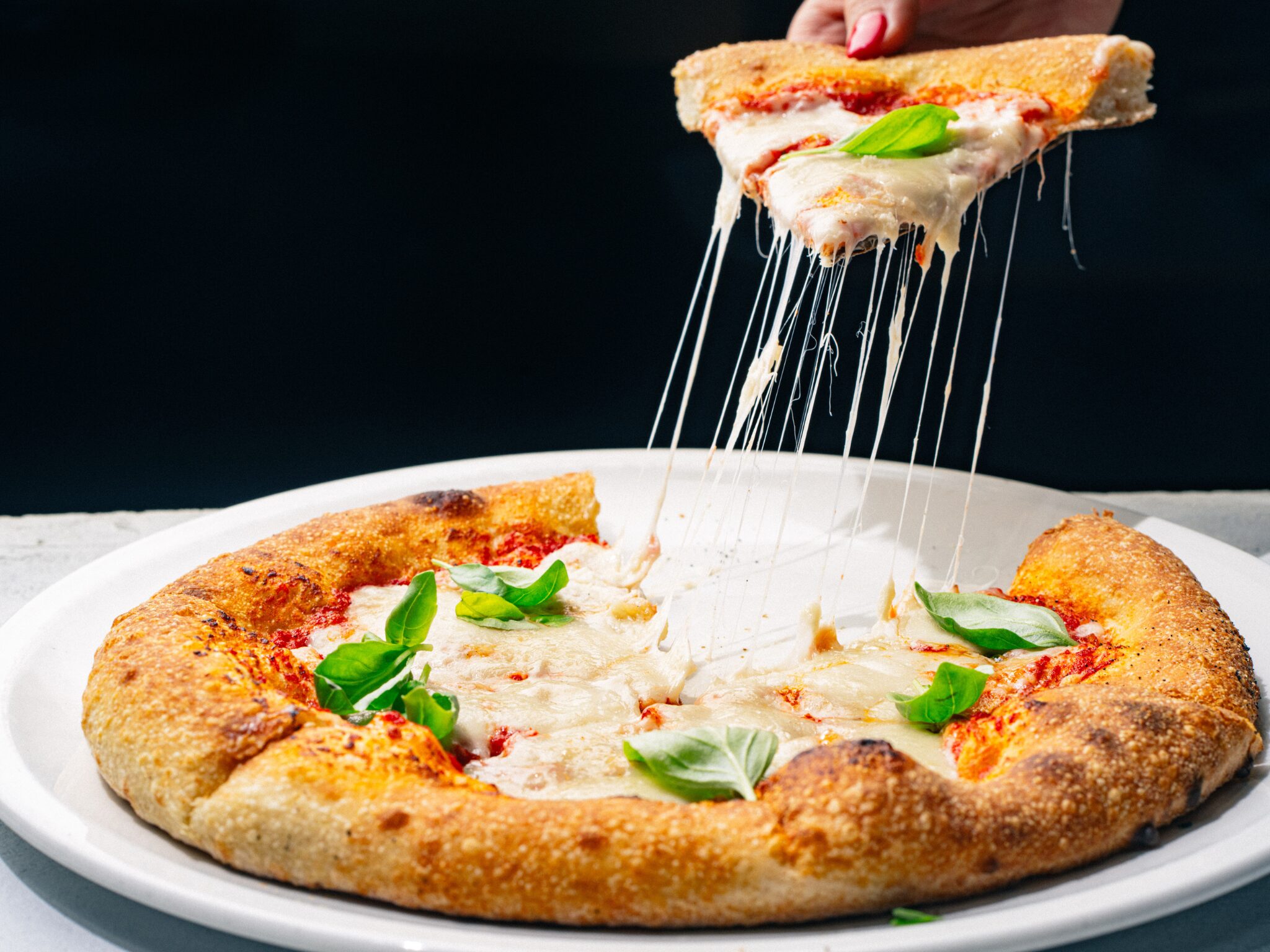
“Thanks to CDFA’s rigorous and collaborative approach, we now have the necessary product manufacturing, facility and label approvals for our animal-free dairy mozzarella,” says Radman. “While there remains work ahead, the most important part of these approvals is that this pushes us one massive step closer to commercialisation.”
The California nod has been a long time coming, with the startup filing its application with the state’s agrifood agency in April 2024. “Given CDFA had not received a submission for animal-free dairy cheese before, it took time to work through various details together,” says Radman.
“Future products manufactured in California would require the same set of approvals, though now that there’s a precedent with our mozzarella, we would expect a much quicker process,” she reveals.
The New Culture co-founder notes that the CDFA team has years of experience in the “nitty-gritty details of product labelling”. “We believe the CDFA-approved label proactively and effectively communicates to consumers what makes our product both unique and appealing,” she says, though she wasn’t drawn on whether she expects pushback from the dairy industry.
The startup has raised $28.5M in venture capital, and isn’t fundraising right now. Radman also has no updates on whether the firm plans to notify the Food and Drug Administration of its GRAS determination, which may soon be necessary.
“Now that we’ve secured the necessary CDFA approvals, we’re able to shift our efforts back toward the broader commercialisation process. This process includes further scaling our casein and cheese production,” she says.
Last year, New Culture secured $5M in early demand from pizza purveyors across the US. One of the restaurants New Culture has previously announced a collaboration with is Nancy Silverton’s Pizzeria Mozza in Los Angeles, but Radman did not specifically address Green Queen’s query about the partnership’s status.
The company is a pioneer in precision-fermented casein, a category with only a handful of players. Dutch startup Those Vegan Cowboys and Germany’s Formo have secured a ‘no questions’ letter from the FDA for αS1-casein, too, while Australia’s Eden Brew has self-affirmed GRAS status.