

FDA Proposes Rule to End Self-Affirmed GRAS Pathway, Delays Ultra-Processed Food Definition

The Trump administration has published its long-awaited proposal to scrap a rule that allows companies to self-determine which ingredients are GRAS, but it has postponed its promised definition of ultra-processed foods.
Nearly a year after suggesting an amendment to its Generally Recognized as Safe (GRAS) rule, the Department of Health and Human Services (HHS) has published a proposal that would mark a sea change in US food policy.
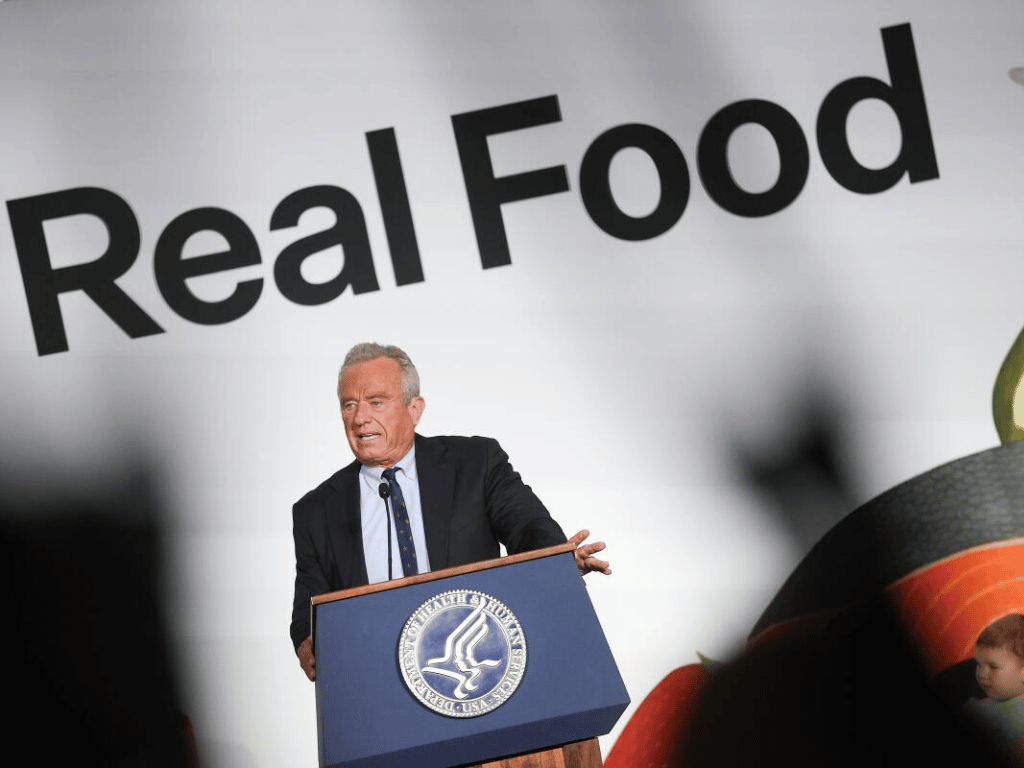
Health secretary Robert F Kennedy Jr announced an action to “bring greater transparency to what’s in our food and stronger science to federal nutrition policy”, in an attempt to modernise federal oversight of food ingredients.
Currently, the Food and Drug Administration (FDA) operates a voluntary programme that allows companies to self-affirm their ingredients as GRAS and enter the market without formal review from the agency, a provision RFK Jr has labelled a food safety “loophole”.
The proposed rule, however, would mandate that they submit GRAS notices to the FDA and provide details on how they deemed their ingredients or additives safe, ending the decades-old self-determination system.
“By proposing mandatory GRAS notifications, we are closing critical information gaps and giving the FDA greater visibility into substances entering the food supply,” said Kyle Diamantas, the acting FDA commissioner.
What is the self-affirmed GRAS rule?
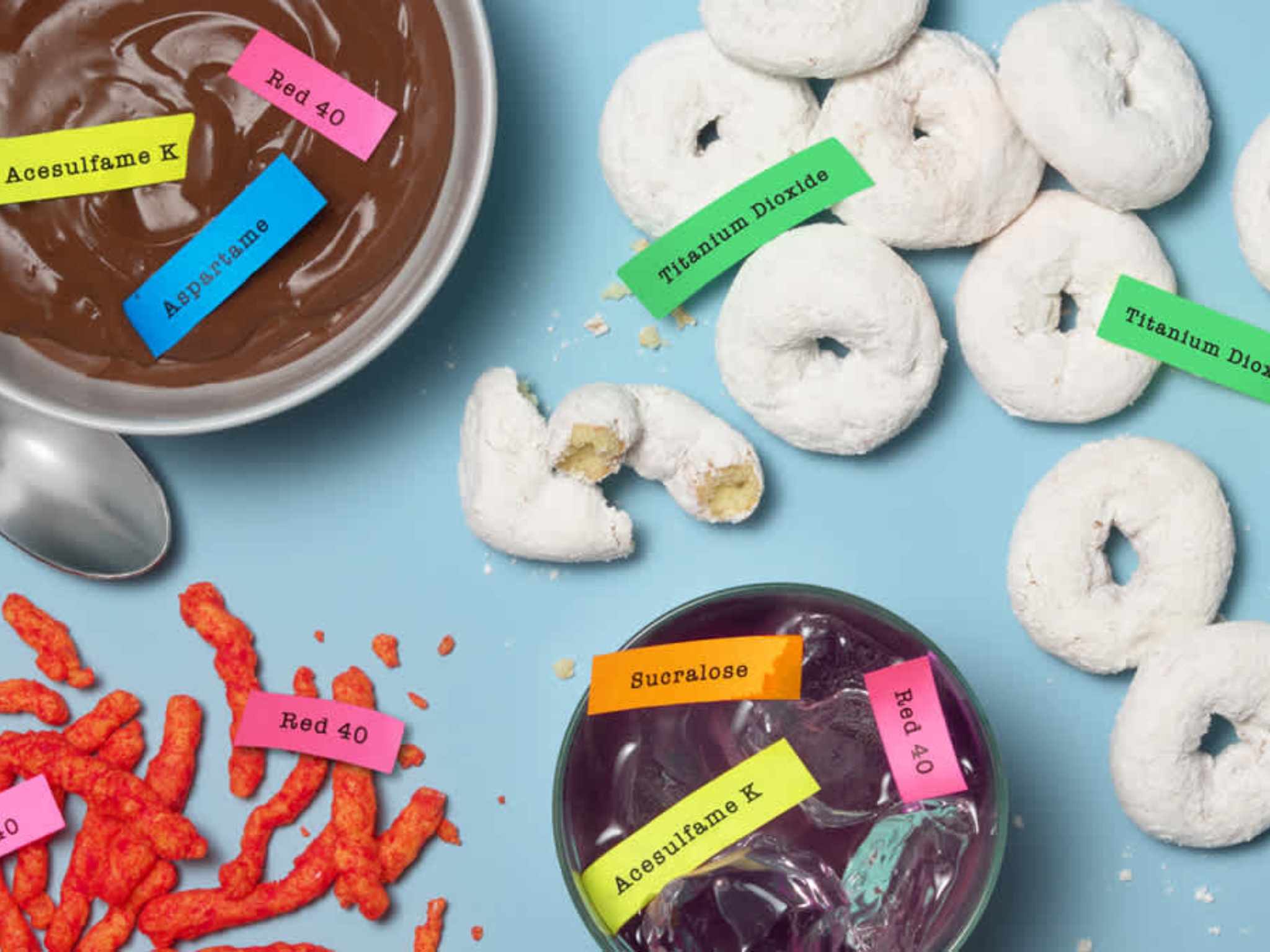
The GRAS rule was created by Congress in 1958, with the self-affirmation provision introduced in 1972. This pathway doesn’t legally require FDA review – instead, companies only need to conduct a safety assessment by a scientific panel, which can include both internal and external experts.
Since producers choosing this pathway don’t need to notify the FDA or disclose information publicly, they can maintain the confidentiality of proprietary information and trade secrets. It’s also a cheaper, easier, and faster way to get to market – the FDA only evaluates around 75 GRAS notices a year, and each approval takes up to 180 days.
Critics, including Kennedy, argue that this allows food companies to make their own safety assessments independently of the FDA, and enables ingredients to be introduced into the food supply “often with unknown safety data”, the health secretary said last year.
This is why many producers choose to go through the full GRAS notification process. It’s much more rigorous and requires the submission of a host of comments, including both positive and negative reviews and studies of a company’s ingredients.
If approved, the FDA sends a ‘no questions’ letter, deeming the ingredient safe for sale – this is seen as a more transparent process with publicly available data and breeds both market and consumer confidence.
What changes has the FDA proposed?

The proposed rule would convert the voluntary GRAS notification programme to a mandatory system, and if a manufacturer fails to file a notice for its ingredient’s conditions of intended use, the FDA would consider the non-compliance a factor in prioritising the substance for post-market review.
However, mandatory notification doesn’t establish a pre-market review programme, so a company could conclude a substance is GRAS, introduce it into the market, and submit the notice without waiting for FDA review or a ‘no questions’ letter.
Ashish Talati, a lawyer specialising in FDA regulatory matters, argued that this distinction matters legally, but less so commercially. “How many companies will launch a new ingredient knowing FDA could question its GRAS status a year later? And how many major customers or retailers will accept that risk?” he said in a LinkedIn post.
And what of the more than 2,000 self-affirmed GRAS substances on the market? The proposal would establish a time-limited streamlined submission pathway for these ingredients, giving manufacturers a year to provide the agency with information about existing uses. They will not need to undergo the full review process, minimising burdens for both companies and the regulator.
The FDA estimates that 967 companies would submit information for ingredients that have been self-affirmed as GRAS for human foods, and the process will only take 31.5 hours to prepare, a sixth of the time needed for a full review (180 hours).
A company would need to provide its name and address, the name of the substance, conditions of use (including usage levels and purpose), and evidence that it was already in interstate commerce. It will not need to file an underlying safety dossier, and even identifying whether the self-determined conclusion was based on scientific procedures or common use in food will be optional.
However, the FDA can still decide that any of these ingredients require a deeper review and then order companies to submit a full GRAS notice or food additive petition.
How will future food companies be affected?

In the food tech sector, manufacturers that use fermentation to produce alternative proteins, fats, dyes, and other ingredients will be hit the hardest, since they rely on the self-determination pathway to enter the market more than others in the sector.
Although the FDA intends to stick to its 180-day timeline for responding to notifications, the expected influx of new submissions could cause delays. “If there is a significant increase in GRAS notifications submitted to the FDA by mandate, without increasing funding and resources, review timelines will likely suffer,” Tony Pavel, a partner at Keller and Heckman LLP, told Green Queen last year.
The proposed rule is set to be published in the Federal Register on August 11, after which it will be subject to a 120-day public consultation period.
However, there are questions over whether the FDA has the legal authority under the Food, Drug and Cosmetic Act to require companies to submit GRAS notifications without congressional action. While a federal judge in 2021 ruled that the agency had the power to create a voluntary programme, that did not cover a mandatory system.
The FDA said the rule would enable it to more effectively identify the use of potentially unsafe substances in food and take appropriate action to regulate their safety. Mandatory notification would help it ensure that GRAS conclusions have a scientific basis, and is intended to strengthen public confidence in the department’s ability to oversee food safety.
The regulator cited a 1980 court decision to claim authority over its move, though that case only addressed its “authority to determine GRAS status – not its authority to mandate industry-wide notification”, Talat explained.
“FDA has made an extensive case for why it wants the information. I am less convinced that it has made the case for why Congress gave it the legal authority to require it,” he said.
Where is the FDA’s ultra-processed food definition?
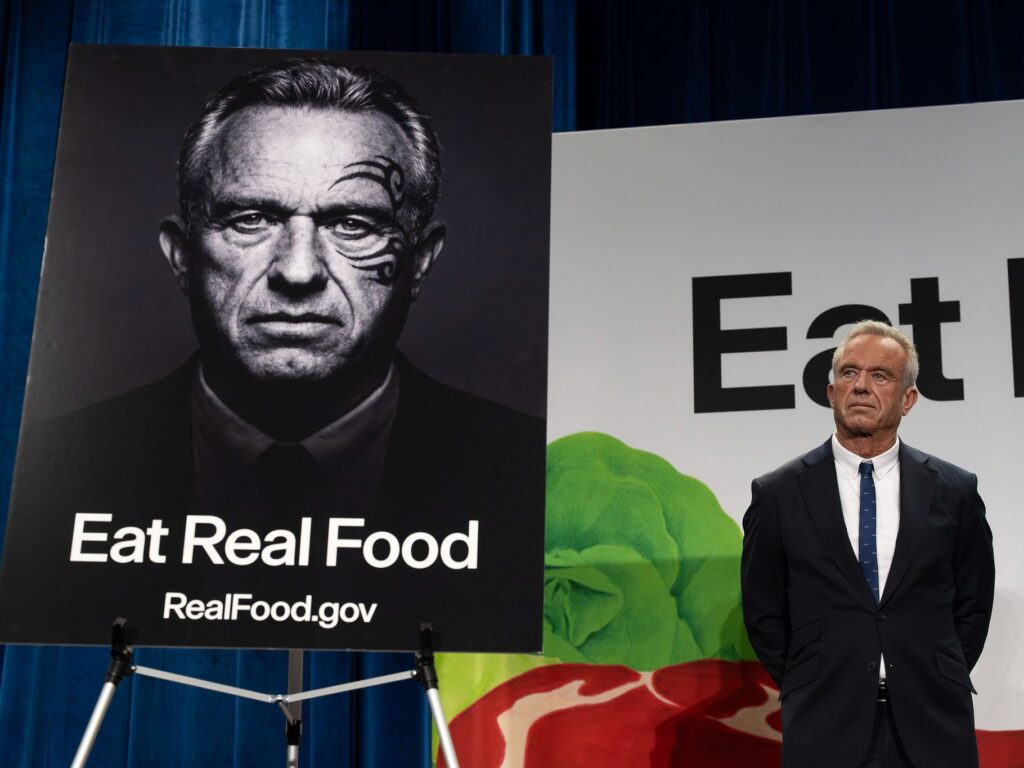
HHS’s second announcement this week concerned ultra-processed foods (UPFs), which have become the most hotly debated food policy issue under the Trump administration.
Trump officials have been working on a definition of UPFs to encourage companies to label their offerings as ‘non-ultra-processed’ the same way products are marketed as sugar- or fat-free. Since these products could include everything from high-fibre supermarket bread and fortified plant-based milk to a pack of Oreos and a bottle of Coca-Cola, this task is easier said than done.
RFK Jr had previously promised a definition by April; then, last month, the FDA’s acting deputy commissioner for food, Donald Prater, said the agency has found it “quite challenging” to land on a standardised version because there are a variety being used out there. Diamantas also said defining UPFs is “really hard”.
UPFs make up 55% of Americans’ calories, rising to 67% among children. These products now top consumers’ list of health concerns – 72% of them are trying to avoid these products in their diets, and 79% feel they’re a “significant threat” to public health.
They have been a key target of RFK Jr’s Make America Healthy Again drive, with the health secretary describing UPFs as “poison” and previously pledging to remove them from school lunches. He has said the FDA “will act” on a petition seeking revocation of the GRAS status of certain UPFs. However, an outright ban seems to be off the table.
UPFs are a highly contentious food category, since their broad profile makes it difficult to paint them with a single brush. Studies have found that these products don’t carry the same health risks as, say, a KitKat bar or a bottle of Coke, so bundling them into the same category is misleading.
Now, HHS and the US Department of Agriculture have submitted a proposed definition of UPFs for final review, which Diamantas said is “aimed at creating a stronger foundation for future federal nutrition research”. There are no other details on what this entails, with the FDA chief stating that additional information “will be shared at a future time”.
“By advancing a proposed definition of ultra-processed foods, we seek to create a stronger foundation for future nutrition research. Together, these reforms represent a significant step toward a more transparent and modern food safety system,” he said.