

Those Vegan Cowboys Leads €1.2M Project to Make Sports Nutrition Products with Cow-Free Casein Protein

Dutch startup Those Vegan Cowboys and partner organisations have received €1.2M from an EU-backed fund to create sports nutrition products using its precision-fermented casein protein.
Those Vegan Cowboys is expanding the spectrum of its animal-free casein with a new joint project funded by an EU-backed programme.
The Dutch precision fermentation startup has been awarded a €1.2M subsidy to develop sports nutrition products using its casein protein with Interfood, HAS Green Academy, and XXL Nutrition.
The funding for the project, which runs until the end of March 2028, comes from the European Regional Development Fund (ERDF), the Dutch national government, and the province of North Brabant, via the OpZuid programme.
“The total project budget is €2.58M, of which more than €1.2M is covered by public funding,” Hille van der Kaa, CEO of Those Vegan Cowboys, tells Green Queen.
“The remainder is contributed by the consortium partners through their own investment in the project, including R&D capacity, personnel and development work. The contributions are fairly distributed among the partners, reflecting their respective roles, activities and responsibilities within the project.”
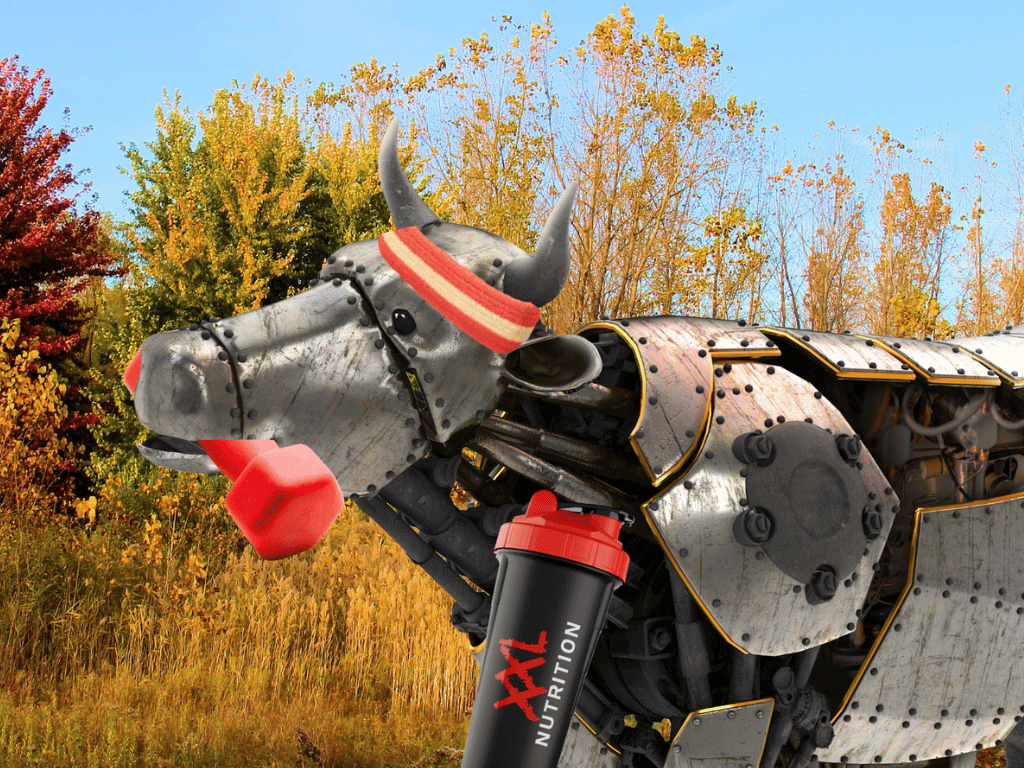
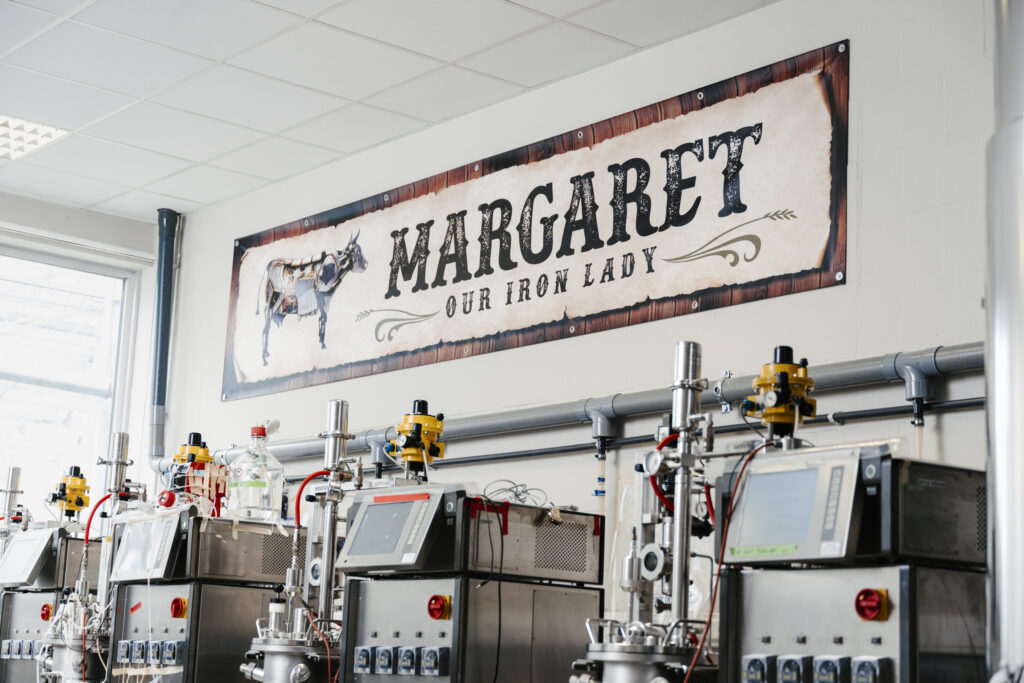
Those Vegan Cowboys has been focused on cheeses as the first application for its recombinant casein proteins, but in July, it established Margaret’s Finest, a collaborative discovery programme to explore its ingredients’ potential in other applications, including sports nutrition. It’s a reference to the firm’s stainless-steel cow, Margaret, named after former British prime minister Margaret Thatcher.
Van der Kaa noted that casein’s complete protein profile, slow digestion, and sustained amino acid release make it an interesting ingredient for muscle recovery over a longer period than only immediately after exercise.
“That is particularly relevant for strength and resistance athletes focused on muscle growth and recovery, but potentially also for athletes with high training loads who need sustained recovery between sessions or competitions,” she says. “The exciting part is that this project is actually meant to take us much deeper into that question.
“With precision fermentation, we don’t necessarily have to settle for the casein composition a cow happens to give us. We can explore individual caseins, different combinations and even caseins from different species. We want to investigate whether these could offer additional nutritional or functional benefits for specific groups of athletes and specific applications.”
Project to investigate nutritional and functional properties of casein
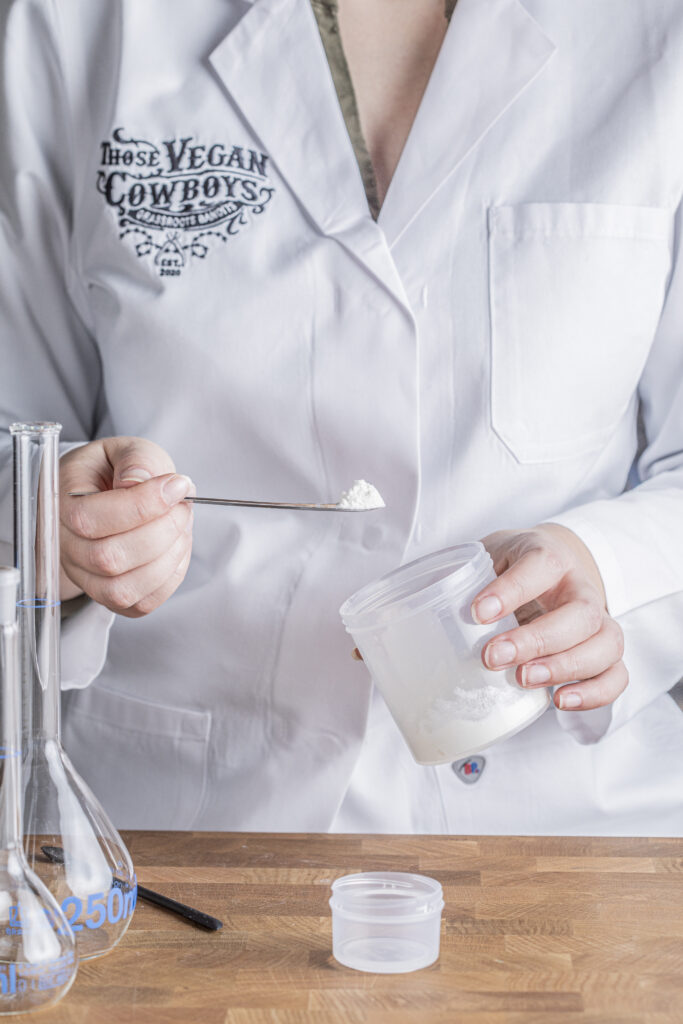
Precision fermentation involves inserting specific DNA into microbes to teach them to produce the desired molecules when fermented, surpassing the animal altogether. The technology is widely used in the dairy industry to make rennet for cheese, but Those Vegan Cowboys is using it to make recombinant caseins from cows, sheep, goats, buffaloes, llamas, and other mammals at lab scale.
The project will bring together protein production, nutritional research and consumer insights to prepare new products for the market, with the teams studying how protein behaves in food products and which applications are the most promising, and developing sports nutrition prototypes.
“The nice thing about the consortium is that it brings together the whole chain,” says van der Kaa. “Those Vegan Cowboys develops and produces the caseins. Interfood brings extensive knowledge of dairy proteins, ingredients and applications. HAS Green Academy contributes research and product development expertise, while XXL Nutrition brings sports nutrition expertise, consumer knowledge and a direct route towards actual products.”
She adds: “Together, we will investigate both the nutritional and functional properties of the proteins and translate those findings into prototypes and ultimately products. We could look at formats such as high-protein drinks, shakes, powders, bars and other sports nutrition products.
“But an important part of the project is exploration: rather than defining all the answers upfront, we want to understand where these new caseins can add the most value.”
The project is set to boost collaboration between companies, researchers and students in North Brabant, part of which is a proving ground at Interfood, where the partners will apply their combined knowledge of precision fermentation and product development.
“Within our Protein Transition in Nutrition research group, we study how animal proteins and promising sustainable alternatives can complement each other in a more balanced food system,” said HAS Green Academy’s Ingeborg Haagsma-Boels. “We want to translate that knowledge into practical solutions together with companies.”
Those Vegan Cowboys eyes opportunities both sides of the Atlantic
The consortium is focused on product development and will look into both the technical possibilities and consumer acceptance of protein-boosted foods for sports nutrition, with an eye towards bringing these innovations to market.
Those Vegan Cowboys has already self-affirmed its alpha-S1 casein protein as Generally Recognized as Safe (GRAS) in the US, and expects a ‘no questions’ letter from the Food and Drug Administration (FDA) later this year.
The startup is working with over 10 food companies, including dairy majors Westland Kaas and Hochland, to produce cheese and milk chocolate products with its cow-free casein. It is focusing on cheeses like mozzarella, Camembert, feta, burger cheeses, and aged varieties, as well as chocolate bars, bonbons and coatings.
XXL Nutrition itself has been in talks with Walmart over a potential collaboration, which could see its products land in 4,000 stores. With the US also being Those Vegan Cowboys’s first target market, there is a potential overlap here with the new project.
“For Europe, precision-fermented casein will require novel food approval, which means the regulatory pathway will take longer. The advantage of this project is that we can do the research, understand the nutritional and functional properties of the proteins, and develop and validate applications while that regulatory process is ongoing,” says van der Kaa.
Her startup, which recently raised €12.25M ($14.2M) from equity and crowd investors, has previously indicated its intention to file for approval not just in the EU, but in Singapore and the UK, too. That said, a green light in the former could automatically enable it to sell in the latter country, thanks to the newly signed Sanitary and Phytosanitary (SPS) agreement.
“Ultimately, the knowledge and products coming out of this project could be relevant on both sides of the Atlantic, and potentially beyond. The good thing is that product development and regulatory approval can run in parallel. We can already do the research, understand the proteins, develop applications and validate functionality while the regulatory process is ongoing,” van der Kaa notes.
“Our aim is, of course, to have the regulatory pathway completed when products are ready for European commercialisation, although the exact regulatory timeline is not entirely in our hands.”