

BLG Might Be the Best Protein for Muscle & Metabolic Health. How We Produce It Must Change


Scientists say beta-lactoglobulin, the most abundant whey protein in dairy, outperforms all other forms of whey and casein. But tapping into precision fermentation is crucial to unlocking its true potential.
It’s impossible to ignore protein in food and nutrition discourse today, especially when brands are stuffing it into everything they can, from coffee syrups to cereal to even water.
Despite most people in the West overconsuming protein, the drive to supercharge our food supply with the macroingredient isn’t stopping anytime soon.
At the same time, the conversation is shifting from quantity to quality – not all protein sources are created the same. Animal proteins like whey and eggs have among the highest digestibility scores, as do plant-based sources like soy and fungi-derived mycoprotein.
According to researchers at the University of Copenhagen, one protein trumps the rest when it comes to muscle and metabolic health, the two chief drivers of protein intake today.
Beta-lactoglobulin (BLG), which comprises 65% of the whey content in dairy, is revered by manufacturers for its gelling, foaming and emulsification properties, enabling them to enhance the mouthfeel and texture of products. Beyond its functional benefits, though, the review found that BLG outperforms all other forms of whey and casein, the two main protein groups in dairy.
However, the ingredient is currently in short supply and commands high prices, not to mention it’s a product of an industry that emits twice as many greenhouse gases as the aviation sector. To truly tap into the potential of BLG, precision fermentation is a key solution.
Why beta-lactoglobulin eclipses other proteins
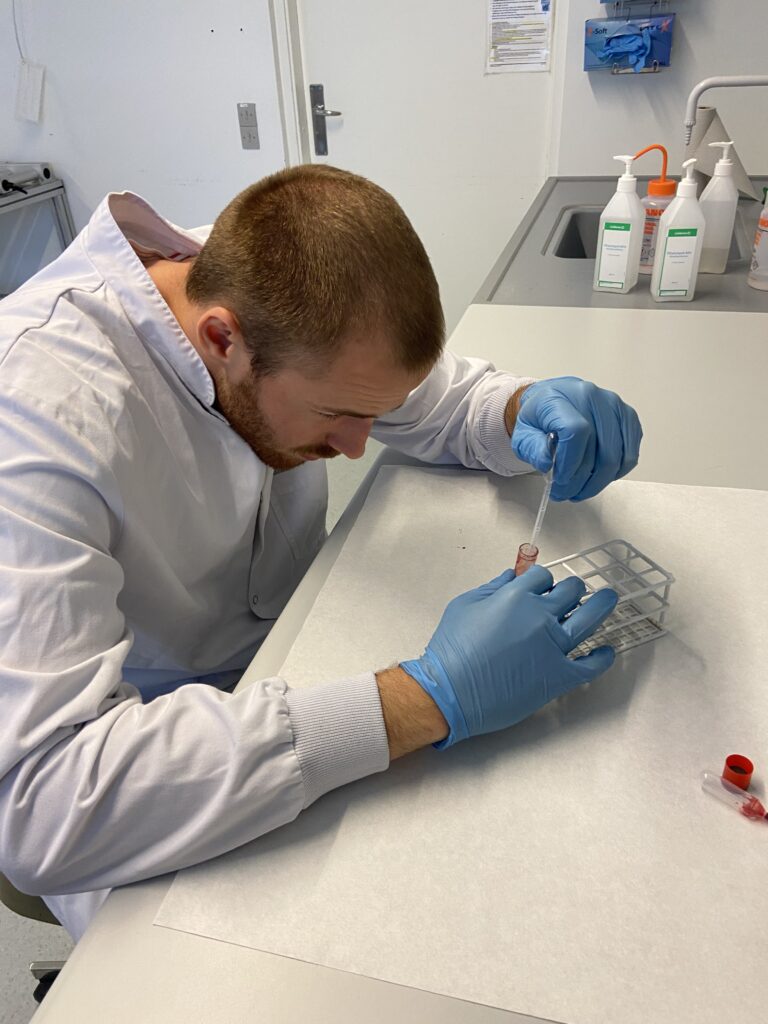
Described as a combination of traditional fermentation with the latest advancements in biotech, precision fermentation involves inserting specific DNA into microbes to teach them to produce a specific molecule when fermented.
The technology is decades-old and currently used to make a host of foods and pharmaceuticals, like rennet for cheese and insulin. Now, a range of startups are leveraging it to make recombinant animal proteins without the vast environmental impact.
Among these, BLG is the most widely targeted protein. Californian pioneer Perfect Day, Israel’s Remilk and Imagindairy, Dutch startup Vivici, and Danish firm 21st.Bio have all been cleared to sell their cow-free BLG proteins in the US.
So what makes BLG so special? According to the review, published in the Journal of Nutritional Physiology, it contains 1.5 times more leucine than standard whey or casein, providing a strong trigger for muscle protein synthesis. Further, it ensures sustained and longer amino acid availability.
BLG can bind hydrophobic ligands such as fatty acids and retinol, and during digestion, it releases bioactive peptides that can support glucose regulation and satiety. These attributes support the protein’s metabolic benefit, influencing insulin, GLP-1, GIP and glucagon, promoting glucose uptake, and slowing gastric emptying.
“These combined actions position BLG as a unique nutritional solution for interconnected health challenges such as conditions causing muscle loss, immobilisation and age-related muscle loss, and weight management,” explained researchers Emil Lundgren and Morten Hostrup (who also works as a consultant for 21st.Bio).
“Unlike current pharmacological approaches, BLG shows potential to both enhance appetite suppression and protect against muscle mass loss, which could prove particularly interesting for people under GLP-1 therapies,” they added.
Precision fermentation can solve whey’s bottlenecks

The authors noted that BLG isn’t only for those with specific health needs. “It’s a protein that can support muscle and metabolism, particularly beneficial if you’re active or managing your weight, or anyone seeking to optimise their nutritional intake. We can see ourselves adding it to our own diet,” they said.
The review comes amid a rise in global demand for BLG. The market for the ingredient was valued at $25M last year, and is set to reach $35M by the end of the decade. The problem is, most BLG suppliers are sold out until at least 2026, thanks to constrained dairy supplies.
There are a range of structural challenges here, including fewer and ageing farmers, farm closures, and strict emission targets limiting herd expansion. In addition, whey prices have continued to rise.
The conventional ways of sourcing BLG aren’t sustainable, both from a supply and environmental perspective. Precision fermentation can offer consistent quality and optimised bioactivity for a fraction of the climate footprint – Perfect Day’s BLG produces up to 97% fewer emissions, uses up to 99% less water, and requires 29-60% less energy than conventional whey.
The review earmarks the technology as a scalable path forward. “Advances in precision fermentation now enable the production of recombinant BLG with consistent bioactive properties. Such advances may eliminate seasonal variations while dramatically reducing land, water, and carbon footprints compared to conventional dairy farming,” it reads.
“This technology also enables production of modified BLG variants with optimised amino acid profiles or enhanced bioactive peptide sequences for specific therapeutic applications,” it adds.
21st.Bio co-founder and CEO Thomas G Schmidt said the study sums up why BLG is setting a new standard for protein: “As consumer education and global demand for high-quality protein rise, precision fermentation offers a way to deliver the nutritional and functional benefits of BLG at scale – without relying on cows.”
The five-year-old startup’s tech is built on strain optimisation expertise developed at Novonesis, and positions itself as a “launchpad” for precision-fermented proteins, offering licensing programmes that span everything from strain development to scale-up. In July, it unveiled a new platform to produce animal-free alpha-lactalbumin (another whey protein) cost-effectively.
“Our production technology enables food and nutrition companies to unlock these health benefits in a sustainable, commercially viable way,” said Schmidt.