

China Gets Its First Industry Standard to Propel Plant-Based Food Growth


A Chinese trade association has developed the country’s first national plant-based food standard to address the industry’s biggest commercial challenges.
Chinese companies are accelerating the country’s drive to become a sustainable protein powerhouse with a new initiative to enhance the marketing and understanding of plant-based food.
The China Chamber of Commerce of Foodstuffs and Native Produce (CFNA) recently launched a national-level group standard for the plant-based industry, aiming to improve consistency and address a host of challenges plaguing the sector.
Li Cheng, head of the CFNA’s plant-based food subcommittee, suggested that for local consumers, product labelling can be confusing or even missing. Further, businesses have “no standards to follow” during R&D and production, causing unhealthy competition that weakens their motivation for innovation.
New standard aims to safeguard consumers and companies alike

CFNA pointed out that the government hasn’t yet formulated a national standard, and existing ones from the industry are inadequate, so it is imperative to form a set of standards in line with international norms to help homegrown brands expand beyond China.
The goal is to establish unified standards to ensure the rapid and sustainable development of the plant-based industry by addressing challenges like inconsistent product quality, unclear marketing terminology, and limited consumer understanding.
Crucially, this doesn’t represent an effort to impose constraints, raise hurdles, or hinder the industry’s development. Instead, Li suggested a group standard would safeguard the progress of businesses, help them move towards standardisation and regulation, and create a broader development space for them.
The establishment of the standard is aimed at systematically regulating product definitions, classification, core nutritional component requirements, as well as labelling. This, CFNA argued, will protect consumer rights and drive healthy competition.
As part of this effort, the plant-based arm of the organisation will design certification marks to help member companies efficiently reach the market with their products.
Homegrown brands could benefit from industry standard
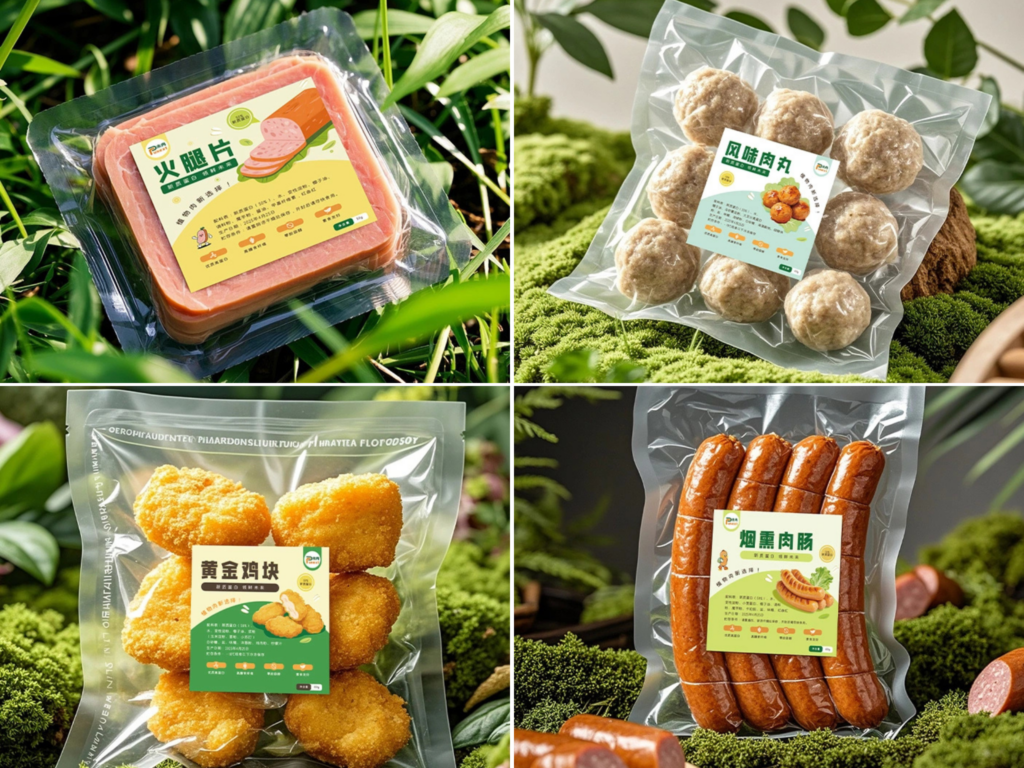
CFNA’s plant-based subcommittee was launched in May 2025 to advance plant protein applications and bolster engagement with regulators to support policy development for the sector.
This year, the branch will host a national roadshow to help food companies seize the market opportunities and expand their brand influence.
Li suggested that the industry has entered the mainstream only in the last five years, but already, there’s a trend of “passing off inferior products as superior ones and bad money driving out good ones”. The lack of unified standards, he said, had led to disorderly market competition and hindered the industry’s development.
The move comes at a time when foreign brands, like Beyond Meat and Oatly, are struggling in the Chinese market, while homegrown businesses are increasingly looking to go global.
US President Donald Trump’s tariffs have pushed Chinese companies to relocate manufacturing to other countries and enter the market with their own consumer brands. This shift is also a response to expanding industrial overcapacity and a slowdown in domestic consumption.
According to Dao Foods International, a Toronto-based impact investment firm focused on China, these businesses have spotted it as an opportunity to drive higher margins, brand value, and market resilience in international markets.
Still, with the government investing heavily in alternative proteins, and the health benefits of a vegan diet keeping consumers interested in the category, there’s a lot of scope for growth. An industry-wide standard could propel the success of China’s plant-based producers, both locally and internationally.