

US Healthcare & Education Industries Embrace Blended Meat with Upcycled Vegetables

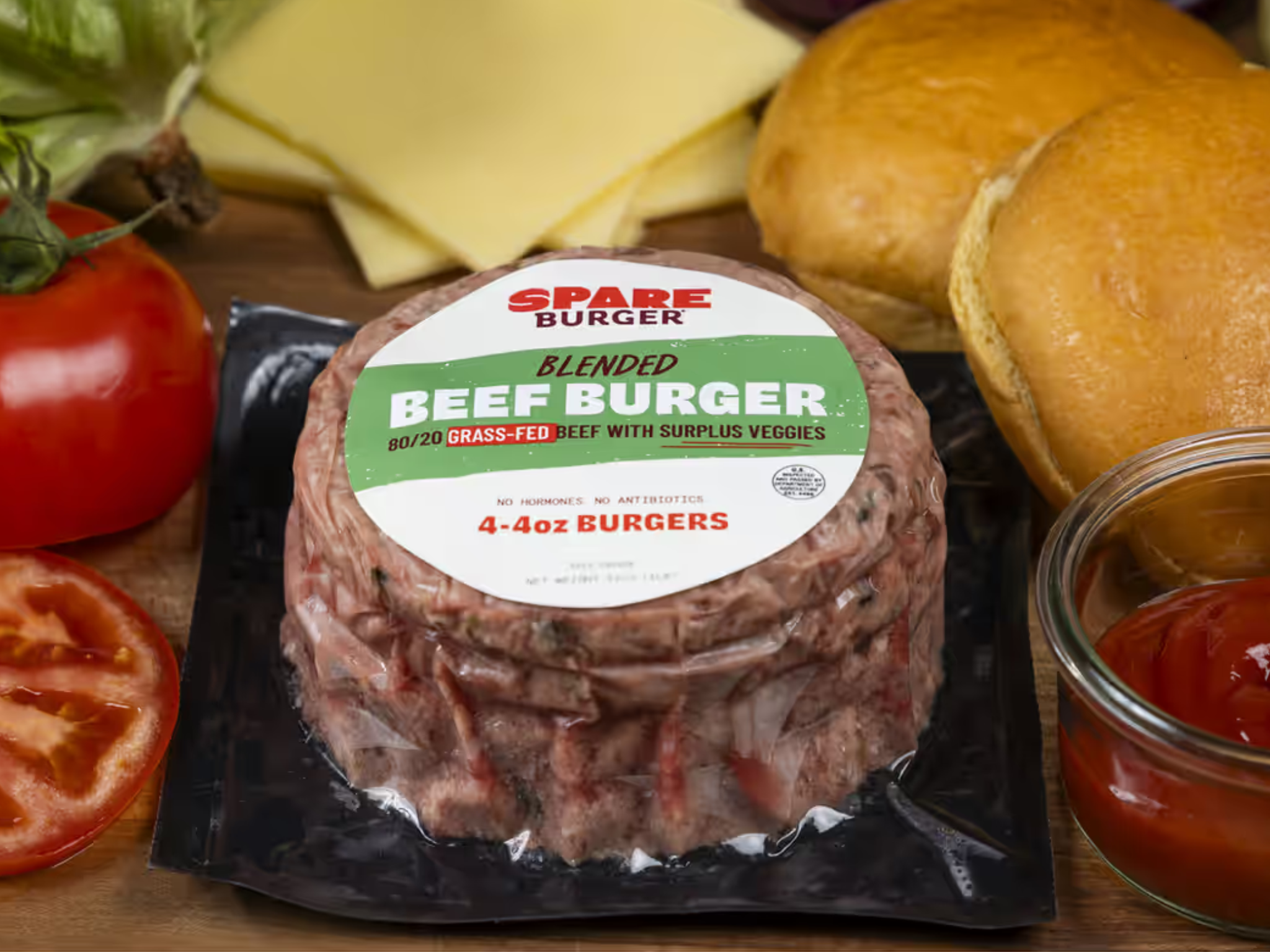
The Spare Food Co, a startup that upcycles produce for use in blended meat, has won a national contract with Premier to bring its proteins to hospitals, schools, universities, and corporate kitchens.
A new foodservice partnership has perpetuated the blended meat wave in the US, taking these proteins to thousands of healthcare, education and corporate dining sites nationwide.
Premier, one of the country’s largest healthcare group purchasing organisations, has awarded a national contract to New York-based The Spare Food Co, which upcycles surplus vegetables into a flavour-packed base that is combined with beef to make burgers and mince.
The partnership will significantly expand access to Spare’s blended meat products, making them available to Premier’s wide network of healthcare accounts and non-healthcare foodservice operations.
These include over 4,250 hospitals and 325,000 other healthcare providers, as well as colleges, universities, K–12 schools, senior living communities, corporate kitchens, regional dining groups, and more.
The Spare Food Co offers climate, nutrition and economic wins

Spare’s blended meat products build on its debut offering, Spare Starter, a chef-crafted plant-based ingredient made from surplus vegetables and spices. This starter reduces food waste and is adaptable to a wide array of flavour profiles, from sauces and taco fillings to noodle topping and even waffle batter.
When culinary teams began adopting Spare Starter in large kitchens, a majority of the chefs were using it specifically to lower the amount of animal protein in recipes that traditionally called for 100% beef. This planted the seed that bloomed into the blended meat concept, which could help kitchens reduce emissions and waste and offer better health outcomes, without compromising on flavour or workflow.
To make the Spare Burger and Ground, the startup swaps out 30% of the beef with its upcycled produce. The Spare Starter contains cauliflower, zucchini, onion, tomato, eggplant, garlic powder, and black pepper, which are bound together with carrot fibre.
The result is a burger with lower cholesterol, saturated fat and calorie content, free from allergens and the scrutiny around ultra-processed ingredients. These are all attributes relevant in healthcare and institutional environments, which prioritise nutrition standards, procurement requirements, and operational consistency.
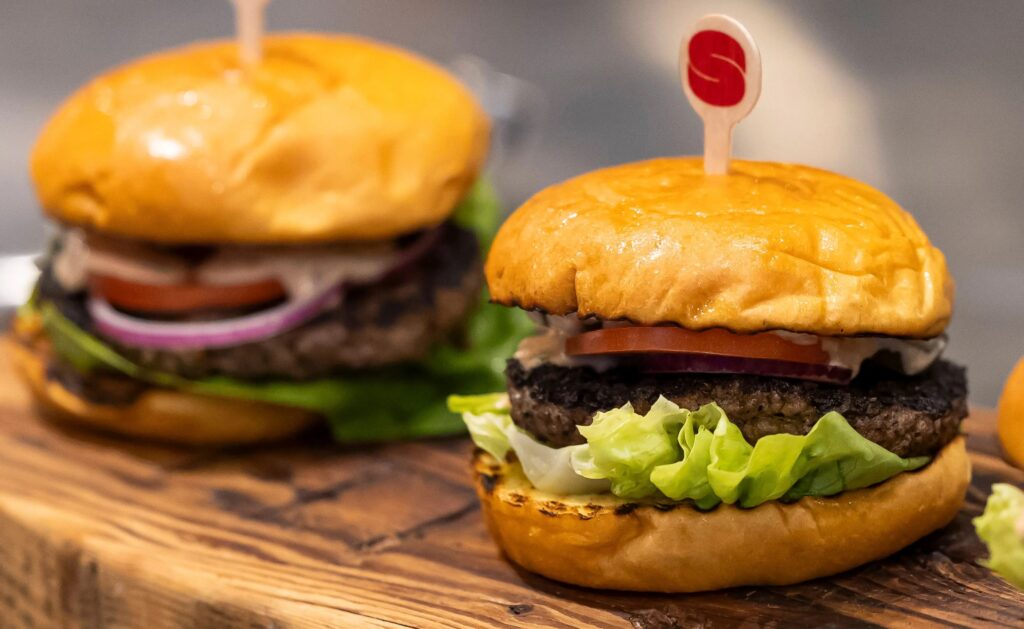
Chefs use the two products the same way they would conventional beef. They make for a one-to-one replacement in burgers, meatballs, sauces, chilis, tacos, and other dishes.
By reducing the volume of beef being used in their kitchens, foodservice and healthcare operators won’t just benefit from a nutrition and environmental perspective – they’ll also reap the economic rewards, since beef is in short supply, and has never been more expensive in the US.
Blended meat expands nationwide amid food waste reduction efforts
“From the beginning, we’ve focused on creating food that works in real kitchens – delicious and made from simple ingredients, implementable at scale and under real-world operational constraints, and measurably better than the products they are intended to replace,” said Spare’s chief culinary officer, Adam Kaye, who founded the startup with his brother Jeremy.
“This contract with Premier validates that approach at a national level. It proves you can deliver a familiar, better-tasting product made with only beef and vegetables, that operators trust and diners genuinely enjoy and help meet the demand for healthier, more plant-forward meals without asking diners to make dramatic shifts in how they eat.”
Premier is the latest company to offer Spare’s blended beef to institutions across the US. The latter’s products are already available at Princeton University, Syracuse University, Vanderbilt University, University of Massachusetts Amherst, and other higher education institutions, in partnership with ISS Guckenheimer.
Spare Burger and Ground can also be found in the corporate cafeterias of LinkedIn and Kirkland & Ellis. Additional volume will continue to be expanded through foodservice operators and healthcare-focused environments, while broadline partners like US Foods and Sysco have further accelerated national distribution.
The development comes shortly after Joyn Foods, which blends beef with its mycelium protein, secured approval to sell its burgers and meatballs to K-12 schools across South Carolina.
It’s a marker of blended meat’s explosive growth over the last year. In the US, 74% of omnivores are interested in the concept, and more than half of meat-eaters found 11 of 22 blended protein products as good or better-tasting than conventional meat in a large taste test last year.
Spare’s partnership with Premier follows the revelation that US foodservice operator ramped up their food waste mitigation efforts in 2024, resulting in a 4,000-tonne reduction in waste, a $15.9M decrease in the wholesale cost of surplus food, and 21% decline in related greenhouse gas emissions.