

Why China is Leveraging Pharma Factories to Establish Its Future Food Leadership

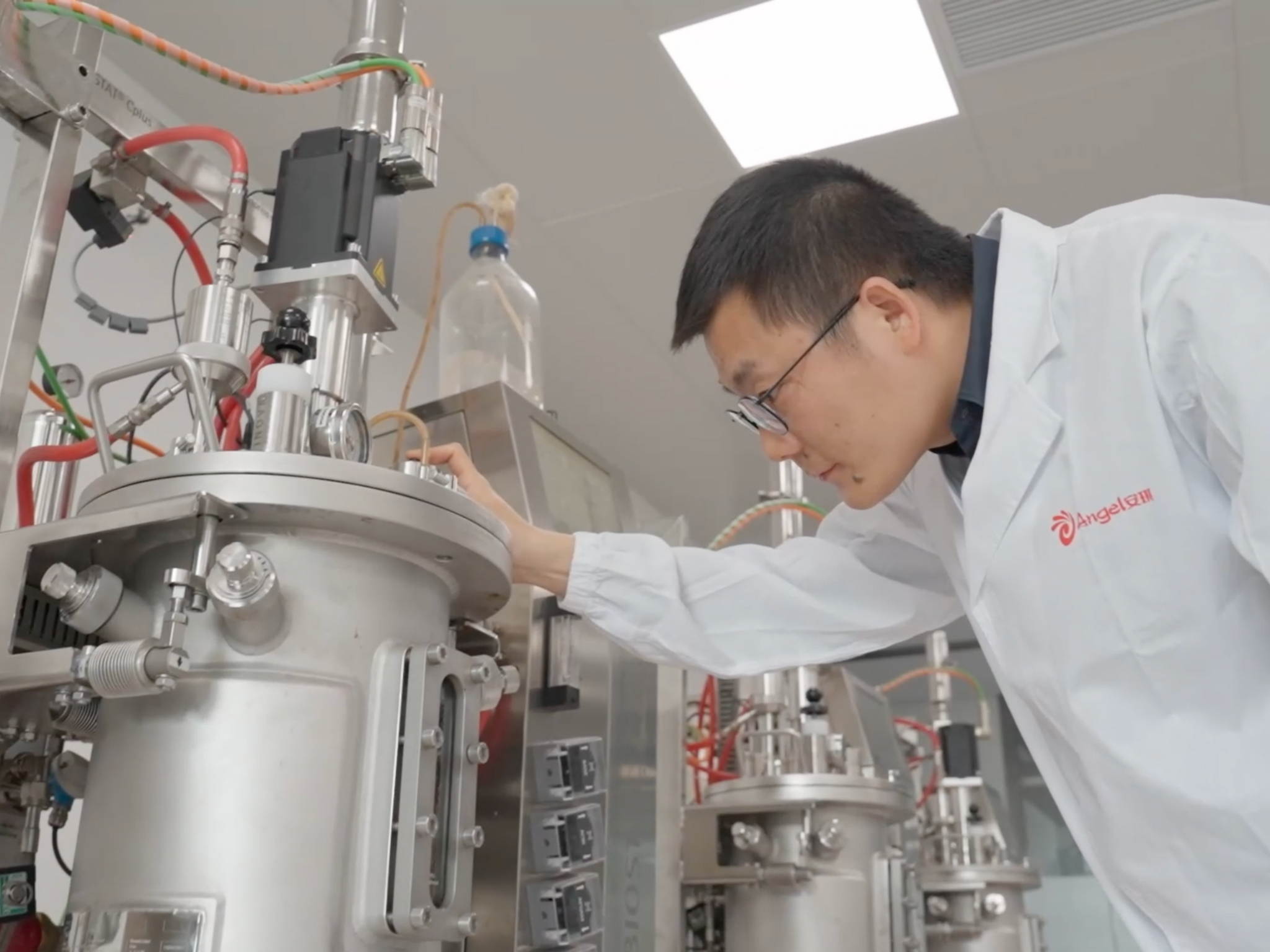
China is repurposing its pharmaceutical manufacturing network to produce novel foods for the global alternative protein industry, strengthening its bid to become a leader in this future-friendly space.
In China, the path to tech leadership has always been built on unlocking scale and cost competitiveness in already mature industries.
Huawei began as a reseller of telecom switching equipment and grew into a communications technology leader. CATL made standard consumer electronic batteries before becoming the country’s largest electric vehicle (EV) battery manufacturer. And BYD started as a low-cost nickel cadmium battery producer – three decades later, it’s the world’s largest EV company.
These instances serve as useful parallels for China’s industrial fermentation sector, according to a new report by the Good Food Institute (GFI) APAC. Having developed world-leading scale and manufacturing capacity in established industries such as amino acids and vitamins, companies are now seeking to deploy these capabilities in higher-value segments, such as alternative proteins.
GFI APAC argues that the country has created a manufacturing sector with vast production capacity, experienced technical talent, established supply chains, and competitive operating costs – capabilities that are “difficult to ignore” and are driving its push to become a future food leader.
Two underlying trends are dictating China’s protein transition. Firstly, the government and local companies are committed to manufacturing novel foods at competitive prices “more so than any other country on Earth”, which directs its pre-existing strengths in fermentation into novel foods and genuinely drops prices.
Moreover, global geopolitical tensions are creating significant uncertainty around supply chains, technology collaborations, end market access, and tariffs. While novel foods have rarely been targeted directly (given their small market size), they could get caught up in broader government actions.
The economic and strategic levers driving China’s protein transition
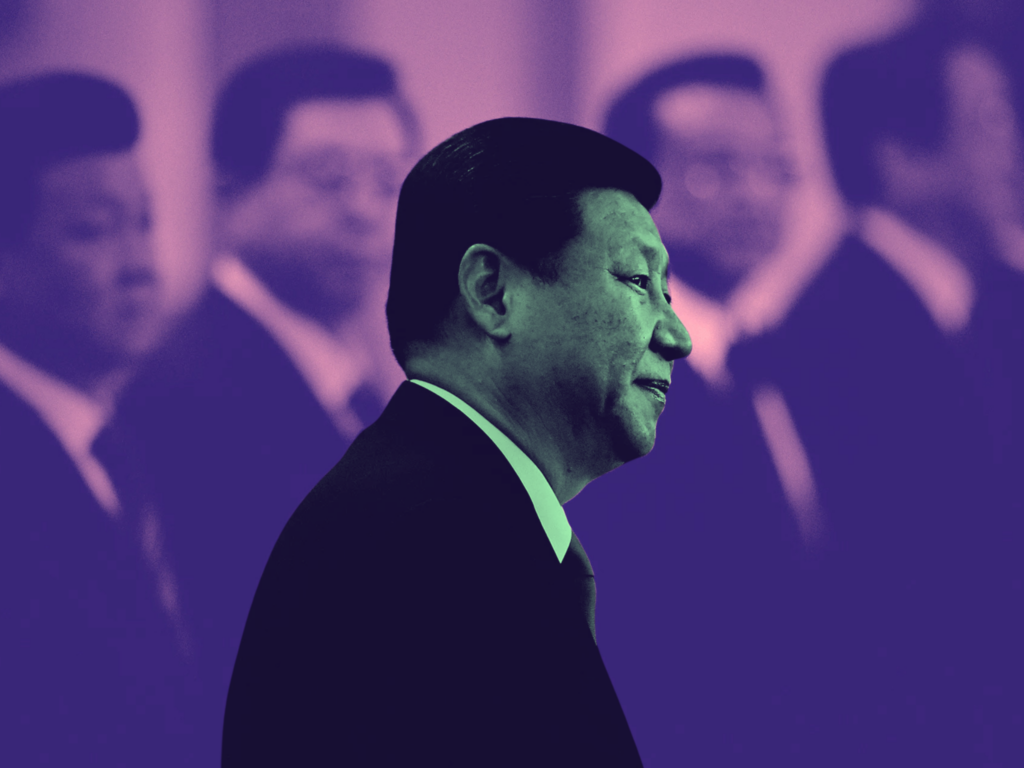
The report suggests that China’s novel food transformation is being driven by two main factors: economic and strategic. On the former front, slow domestic economic growth, structural oversupply, and intense global competition have created substantial price pressure for bulk fermentation products.
Meanwhile, biopharma manufacturers are facing overcapacity. They may have historically been reluctant to enter the food category, given it commands far lower prices than pharmaceuticals, things are changing now.
A combination of expanded biopharma capacity and intense competition in off-patent biological drugs that are broadly similar to generic options has dimmed the attractiveness of some pharma manufacturing markets, pushing some players to explore novel foods by leveraging their existing fermentation capacity to produce yeast and microbial proteins, precision-fermented fats, and more.
The strategic drivers of China’s protein transition are underpinned by the government’s increased support for alternative proteins, which fit into its food security and biotech agendas. Historically, its food biotech efforts have focused on crop and animal breeding, and experiences with food shortages and safety have led to a cautious regulatory approach towards novel proteins.
But the government has changed course dramatically this decade, with a range of forward-thinking policies that put future foods at the heart of its food and biotech strategy. Government data suggests that the national protein supply could face a 30-50% shortfall by 2050, which is why it prioritised novel foods and protein diversification in the food security strategy outlined in its 15th five-year plan.
“When the central government sets technology priorities in China, it is a signal to lower-level governments, universities, research organisations, financiers, companies, and other parts of the system to funnel resources into that technology,” the report states.
“These actors then compete to capture market share and secure favourable positions within the emerging industry. The result is often rapid scaling, intense competition, falling prices, and, in some cases, substantial overcapacity.”
Government support isn’t just about subsidies. Rather, it’s the broader policy certainty it creates – businesses gain confidence that favourable measures will be in place, like preferential purchasing and continued political backing. “As a result, when companies look across the spectrum of potential pivot industries, they are more inclined towards those with explicit government support,” it notes.
And at the regulatory level, China has made it easier to secure approval for alternative proteins derived from genetically engineered microorganisms, and companies interviewed by GFI APAC expressed high confidence that the government will act quickly as new regulatory challenges emerge for the sector.
Why China’s manufacturing is so cost-effective

For alternative protein producers, scalability and cost have been two primary bottlenecks. This is where China shines: building biomanufacturing facilities here is much faster and cheaper than in most innovation-forward regions globally.
Experts suggest that construction costs in the US and China are numerically similar – the difference lies in the local currency. For instance, a $100M facility in the US would cost roughly ¥100M ($15M) in China. This is because capital expenditure costs are significantly lower in the latter country.
Chinese construction and manufacturing companies are also highly experienced in building new fermentation facilities and are well positioned along the supply chain for building materials. The government is committed to reducing red tape and costs for manufacturers, enabling rapid scaling and falling prices. Plus, lower wages, more affordable land, and subsidies all play a part, too.
These advantages have led many international food tech companies to partner with Chinese fermentation specialists. Australia’s Nourish Ingredients is working with Cabio Biotech to scale up its precision-fermented animal fats. Its compatriot, All G, is also working with a top contract manufacturer in China to produce its animal-free lactoferrin protein.
Likewise, the New Zealand-Portuguese startup Nutrition From Water has teamed up with Chinese pharma giant JSPC to produce its microalgae-derived Marine Whey protein. At the same time, local firms like Fushine Biotech and Angel Yeast have invested in large-scale fermentation capacity.
The trade-offs and risks of non-engagement with China

The report does warn of some potential trade-offs for foreign players looking to this country for scale-up. US investors are, for now, wary of Chinese manufacturing plans for their portfolio companies, and political tensions could make these a target for Chinese authorities.
Exports from China to the US and the EU could be hit with unexpected or highly variable tariffs, especially from the Trump administration. And there’s a possibility that, in the long term, US export controls will be applied to Chinese use of American biological tools like CRISPR, high-end foreign bioreactors, and databases.
The report highlights concerns about IP leakage, geopolitical tensions, regulatory uncertainty, and reliance on foreign manufacturing partners for trade with China. However, the risks of non-engagement are equally high.
If China succeeds in scaling up alternative protein production the same way it has vitamins, amino acids, solar energy, and EV batteries, businesses that choose not to work with this market may preserve greater control over their tech, but could ultimately struggle to compete on cost, speed, and scale.
“Companies can pursue a spectrum of approaches, ranging from relationship building and pilot projects, to manufacturing partnerships or strategic investments, thus allowing them to test opportunities, build optionality, and scale involvement as conditions evolve,” the report notes, outlining alternatives to an all-or-nothing approach to engagement.
“China will affect all global stakeholders in novel food. It is a potential market, a potential manufacturing destination, a future source of world-leading innovators, and it is often involved in the geopolitics of supply chains and manufacturing,” it says.