

Italian Poultry Major Amadori Snaps Up Plant-Based Meat Brand Unconventional

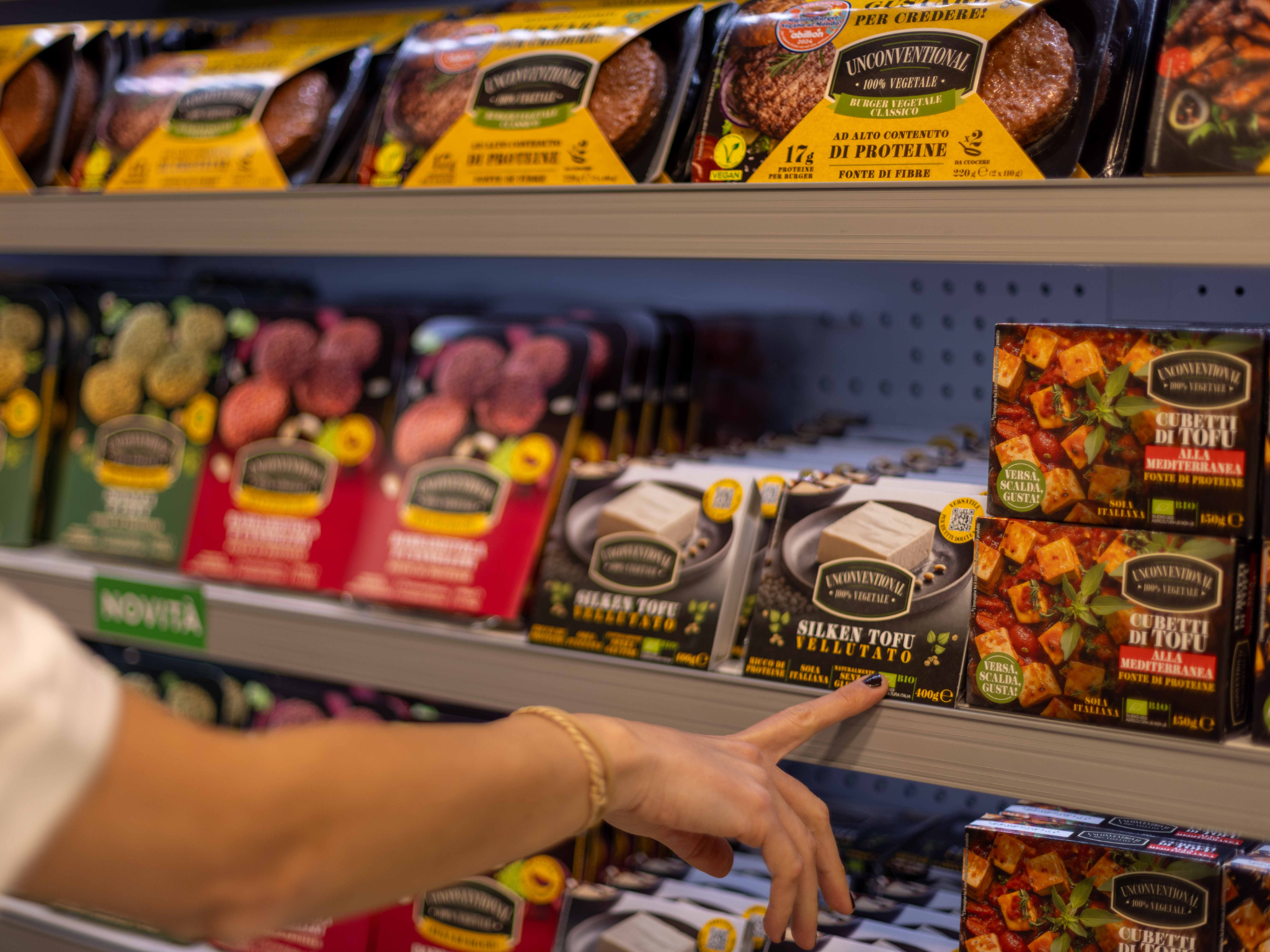
Italian meat giant Amadori Group has acquired Bologna-based plant-based protein player Unconventional, making it the country’s third-largest vegan brand.
With an expansion in both sales and the consumer base for plant-based products in Italy, poultry leader Amadori Group has moved into the meat-free world with the acquisition of Unconventional.
The meat giant has purchased the Bologna-based business from dairy producer Granarolo for an undisclosed sum, taking over full management of the Unconventional brand and its production site in Coriano.
The transaction makes Amadori the third-largest player in Italy’s plant-based protein market, which has witnessed continued growth in the last few years as health concerns drive locals towards animal-free products.
“This acquisition represents an important acceleration in our growth path, allowing us to become one of the top three branded players in the plant-based processed foods sector,” said Amadori CEO Denis Amadori.
It’s also the latest example of consolidation in the alternative protein sector, which has seen more than 70 companies be bought out or acquired, merge, fall into insolvency, or cease trading since September 2024.
Unconventional will help Amadori diversify protein portfolio
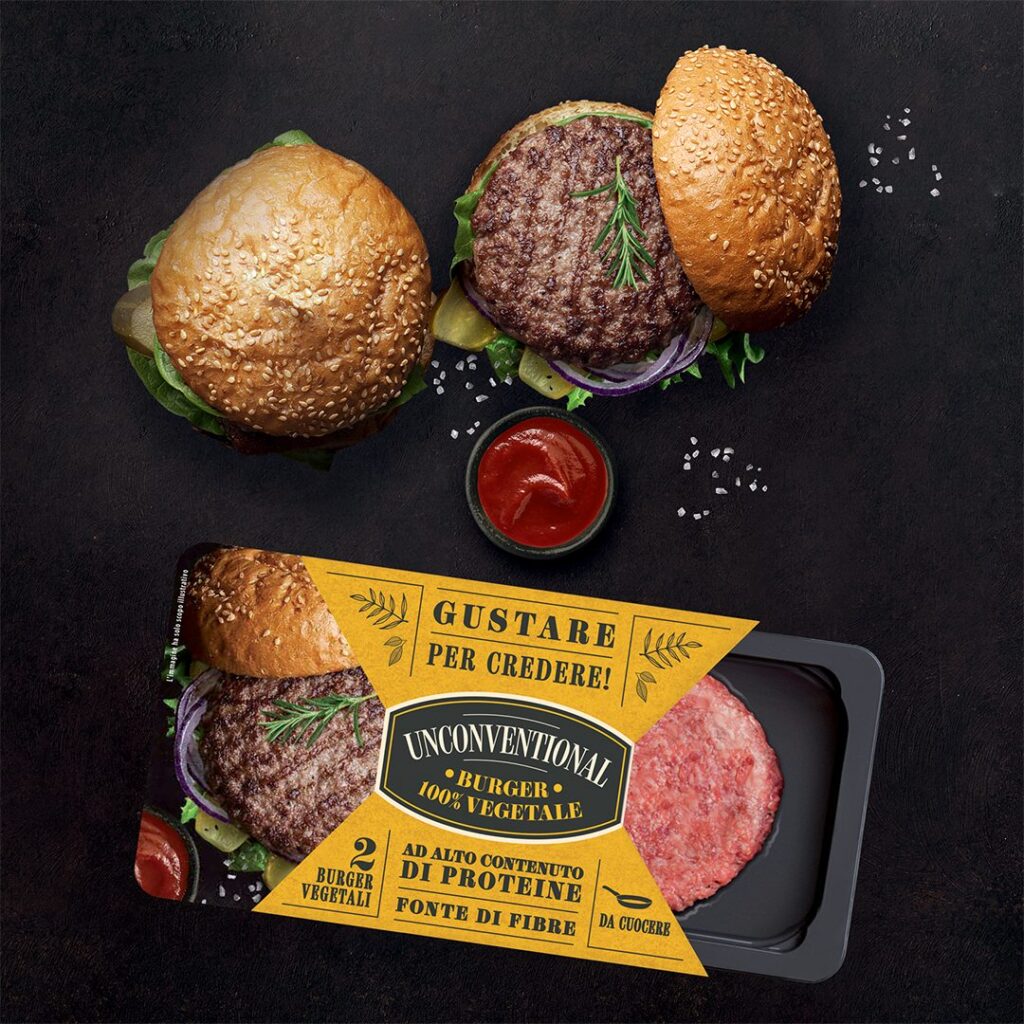
Unconventional was founded in 2020 by Granarolo, and today makes a range of soy-based meat alternatives, including burgers, meatballs, sausages and chicken fillets, as well as tofu and mini veggie burgers, for both retail and foodservice.
It is now one of the leading players in Italy’s plant-based market, but Granarolo’s decision to offload the business follows a shift in its business priorities. “With a view to simplifying our business model, we are focusing on the milk and dairy products market,” explained its president, Stanislao Fabbrino.
“We are extremely pleased to have completed this important transaction, underlining the continuity of Italian ownership, with a solid, traditional company from our region. We are collaborating with this company and are confident it will ensure further growth for a recognisable and well-regarded brand like Unconventional.”
For Amadori, the integration of Unconventional is part of its bid to accelerate and strengthen its leadership in the overall protein offering, and diversify its portfolio to solidify its position in the market.
The targeted investment in the brand and the plant-based market will be supported by its widespread logistics and sales network, ensuring supply continuity for a product lineup it says has become a “benchmark” in the local plant protein sector.
“Unconventional 100% Vegetable enriches our offer with products with a high rate of innovation, responding to the new needs of consumers looking for a balanced and varied diet,” said the Amadori CEO.
“We will integrate this brand into our ecosystem, certain that the strength of the Amadori Group will be able to project it towards new goals,” he added.

Italy’s plant-based sector on a roll
The transaction builds on the fast-growing traction of plant-based foods in Italy. Last year, sales of these products grew by 3.8% to cross €208M, with volumes also up by nearly 6%, data from Circana shows. Today, they can be found in the homes of 28.7% of Italian families.
This represents “years of uninterrupted growth”, according to Amadori. Indeed, the number of Italians who eat meat and dairy alternatives has increased by 10.6% since 2023, according to the Italian Food Union’s plant-based products arm. Nearly half (46%) now consume plant-based products two to three times a month.
The research found that meat-free burgers, meatballs, sausages, and cold cuts are consumed by 45% of citizens and lead the plant-based market. Asked why they consume plant-based foods, 42% of respondents said they want to diversify their diet, and 19% cited a wish to increase the intake of plant proteins.
Vegan food is perceived very positively among Italians – over 73% of respondents found plant-based products healthy, recognising them as a rich source of fibre, vitamins, minerals and protein, with a low fat and cholesterol content.
Meanwhile, 66% credited their elevated intake of plant-based foods to culinary creativity, noting that they allow them to experiment with new flavours, textures and ingredients in the kitchen. For 65%, they are an excellent option when there’s little time to cook, and enable them to eat vegetables even when they’re not fully in season.
Sustainability plays a role, too. Over two-thirds of respondents (68%) said they choose plant-based products because they’re made exclusively without animal-derived ingredients, and 63% cited their low environmental impact.
Separate research reveals that a transition to alternative proteins could boost Italy’s self-sufficiency by reducing the reliance on imports, adding €10B in gross value annually by 2040.
It’s perhaps why, in 2024, Gruppo Tonazzo closed its meat operations after 136 years in business, focusing entirely on plant-based proteins through its Kioene brand. In another signal of the category’s potential, 32-year-old vegan food producer The Bridge was acquired by asset manager Ambienta earlier this year.