

The EU Backs The World’s First Cultivated Meat Farm

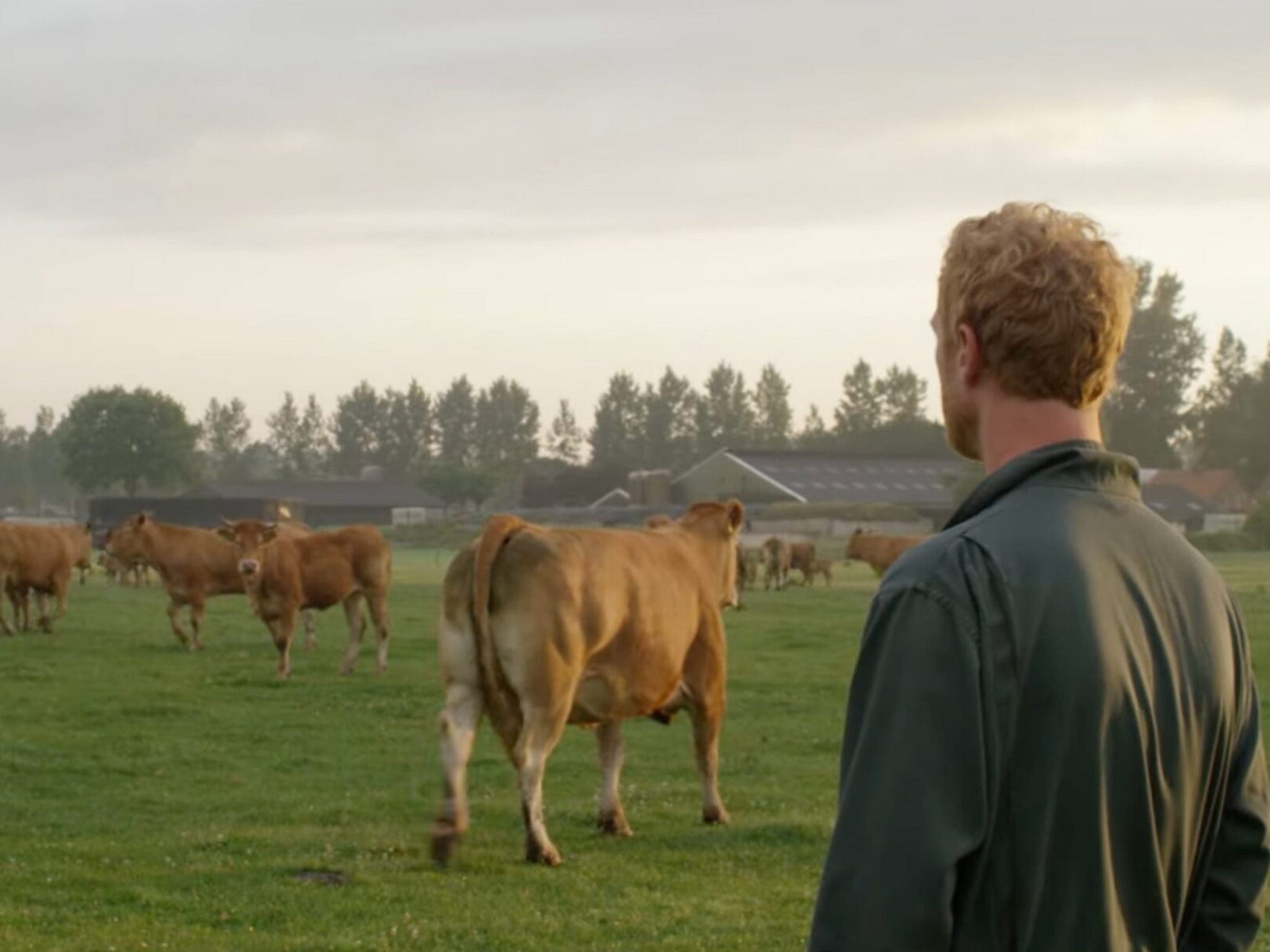
The Craft Consortium is building a cultivated meat farm in the Netherlands, a first-of-its-kind project co-funded by the EU.
When it comes to ensuring the safety of cultivated meat, way more Europeans place their trust in farmers (27%) than retailers or private companies (11%), according to a Euroconsumers survey this year.
The fact that farmers themselves will be most acutely affected if cultivated meat takes off on a large scale further emphasises their critical role in this future food sector.
These factors have led several stakeholders to join forces under the Craft (Cellular Revolution in Agriculture and Farming Technology) Consortium, with the aim of building the world’s first cultivated meat farm in the Netherlands.
The project has been awarded the first €2M of a €4M grant request, co-funded by the EU-backed accelerator, EIT Food. It’s designed to decentralise cultivated meat production and enable farmers to diversify their businesses.
The consortium is made up of RespectFarms, Wageningen University & Research, cultivated meat firms Mosa Meat, Aleph Farms, Multus, sustainable agriculture company Kipster, and facility design specialist Royal Kuijpers.
“Craft boils down a world problem to farm size. So we can solve it,” said RespectFarms co-founder Ralf Becks. “And once it works, we scale this out to the world to increase impact. Let’s export technology instead of meat and animals.”
How the cultivated meat farm would work
The project is looking to integrate cultivated meat into real farms, ensuring that the production is led by farmers and embedded locally. It will demonstrate how cultivated meat can coexist with livestock and crops, creating resilient and sustainable food systems.
“It is important for food innovations to stay as close as possible to primary food production, making use of local resources and waste streams,” said René Wijffels, a bioprocessing engineering professor at Wageningen University.
RespectFarms has previously explained that through this model, farmers can work with experts (like architects) who can retrofit their stable with new designs that are fit for cultivated meat production and a farm of the future.
They’d be able to produce more meat with fewer cows, and they don’t need to be slaughtered. It safeguards them against any disease risk to the livestock (and eventually humans who consume their meat), because you’re essentially taking them out of the equation.
“This represents the first effort globally to merge cellular and traditional farming and promises to deliver consumers the best of both worlds: the unrivalled experience of real meat, through products produced and sold locally,” noted Peter Verstrate, co-founder and COO of Mosa Meat, which this year applied for regulatory approval for cultivated beef fat in the EU.
“The project will deliver a business model that is fundamentally new on one hand, and centuries old on the other, and will add [a] new perspective, also for farmers, to agriculture as we know it,” he added.
As things stand, the food system is simply not sustainable, both from a food security and climate perspective. There’s not enough land to produce food for a global population that will approach 10 billion by mid-century, while the emissions linked to livestock production make up the bulk of agriculture’s environmental footprint.
Cultivated meat, though, can reduce water consumption by 78%, land use by 95%, emissions by 92%, and societal costs by 56%. “We need to find other ways to provide for our food – within the Earth’s capacity, with as little impact as possible on animals, humans, [and] the climate, and with a future for the (livestock) farmer,” said Ruud Zanders, co-founder of Kipster and RespectFarms. “Et voila: the cultured meat farm.”
Many farmers have embraced cultivated meat

The threat to farmers has been the source of reasoning behind bans (and attempted bans) on cultivated meat in the US and Europe, despite livestock producers being open to the competition and advocating for consumer choice.
Farmers in the UK recognise the opportunities presented by cultivated meat, and are more worried about the social issues brought on by these proteins, like Big Food controlling the market or the knock-on effects on rural communities, than the impact on their bottom lines.
This was the argument of the Euroconsumer report. “Cultivated meat can offer opportunities for farmers – but only if we make smart choices now, keep things fair, and make sure benefits don’t just go to a few big players,” it stated.
In the US, too, livestock farmers themselves have opposed the numerous bans on cultivated meat, noting that they didn’t need the government’s help to compete with these proteins.
“This is not an anti-farmer sector; this is a sector that is using farmed products in new ways. And generally using farmed products that are more profitable and highly sustainable in the way they’re produced,” Andy Jarvis, director of the Bezos Earth Fund’s Future of Food scheme, told Green Queen last year. “The [culture] media are sugars, and all sorts of minerals and things that are coming from crops, and they’re farmed goods.”
This sentiment was echoed by Euroconsumers, which highlighted “small-scale on-farm cultivated meat production” as an opportunity for farmers.
Now, the EU agrees with this assessment, having invested in the Craft Consortium. “This grant enables us, together with RespectFarms and our partners, to pioneer farm-scale cultivated meat production, empowering farmers with viable, resilient, and sustainable models that align with Europe’s mission for healthier lives and fairer food systems,” said Neta Lavon, co-founder & CTO of Aleph Farms.
“Combining knowledge, building trust and creating new narratives is what excites me about this project,” said Ira van Eelen, co-founder of RespectFarms and board member of Cellulaire Agricultuur Nederland. “I envision children’s books with fun educational stories about ‘Happy the Cell’ and his adventures in becoming the king’s meatball. This project is literally ‘Food for Thought’.”