

Steakholder Foods to Launch Whole-Cut Plant-Based Meat Brand in the US

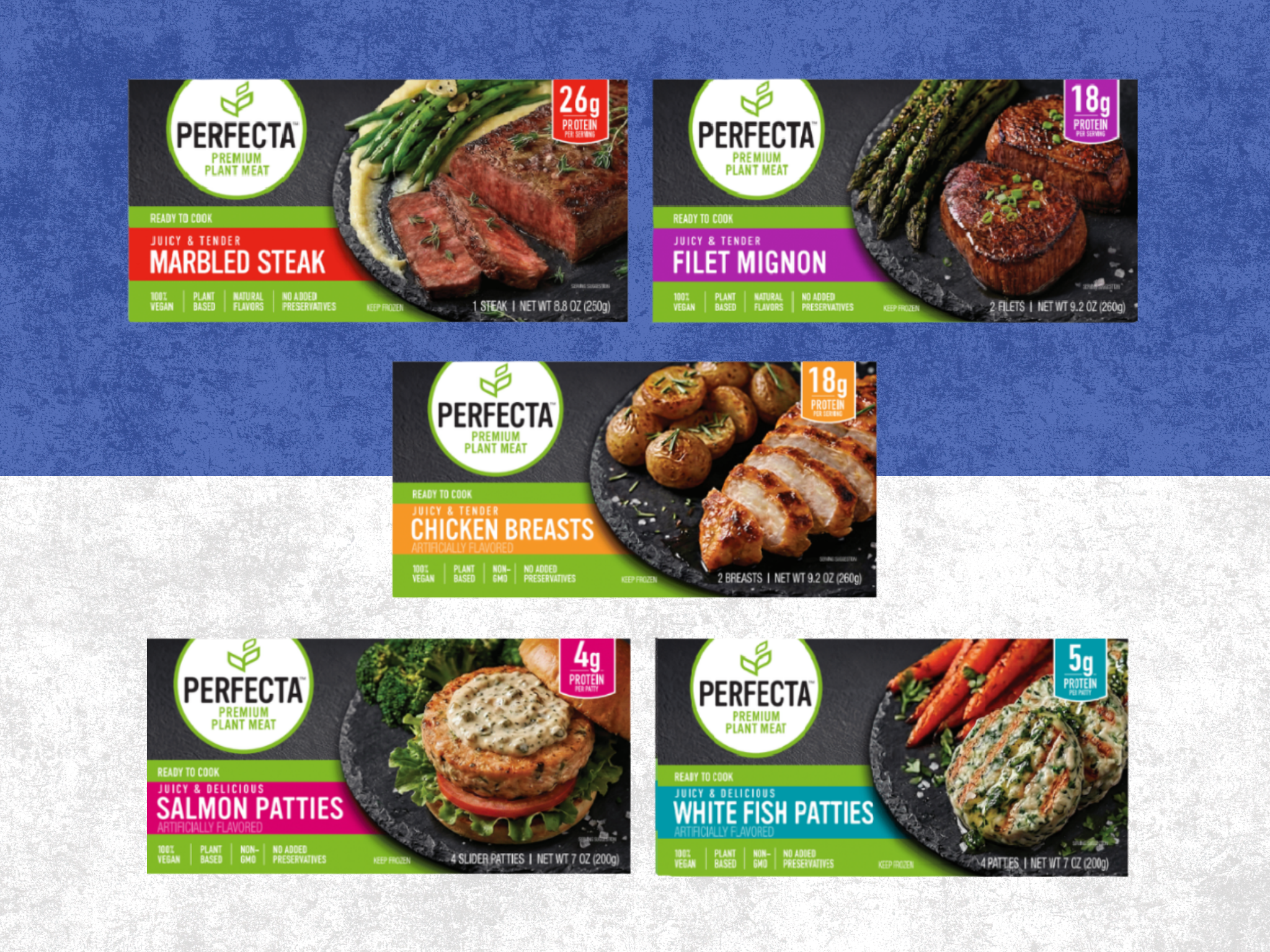
Steakholder Foods is bringing its 3D-printed, whole-cut meat alternatives to the US with the launch of its new plant-based brand, Perfecta, in the second half of 2026.
After years of developing its 3D-printed meat manufacturing technology for B2B clients, Steakholder Foods is expanding into the consumer market.
The Israeli food tech startup will launch Perfecta, a new retail brand of meat alternatives, in the US in the second half of this year. The range, which includes whole-cut steaks and seafood patties, is designed to address the key barriers limiting wider adoption of plant-based meat: taste and texture.
“Over the past several years, our team has worked relentlessly to solve one of the biggest challenges in alternative proteins – creating products that can truly deliver on taste, texture, and the experience consumers expect from meat,” co-founder and CEO Arik Kaufman said in a LinkedIn post. “Perfecta represents the result of that work.”
The launch comes a year after it debuted two fish-free seafood products in grocery stores in Israel under the Atid Yarok (Green Future) brand.
Steakholder Foods brings 3D printing expertise to plant-based meat
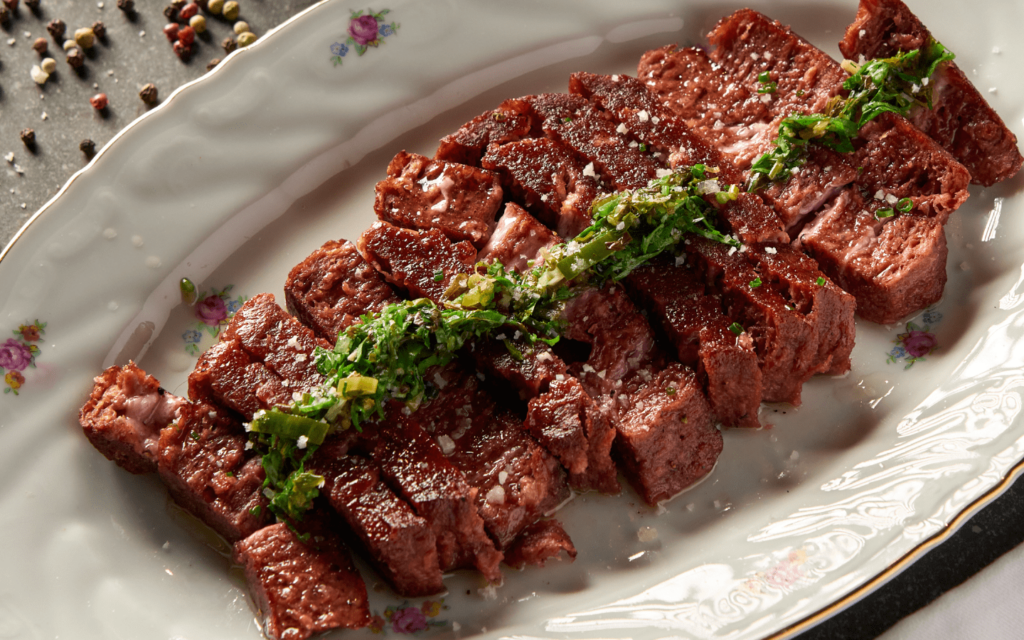
Formerly known as MeaTech, Steakholder Foods was founded in 2019 and makes 3D-printing production machines and premix blends for plant-based and cultivated proteins, including beef steaks, white fish, shrimp, salmon, and eel.
Its MX200 Meat Printer leverages its Fused Paste Layering tech, which combines two distinct materials to replicate the natural interplay of fat and muscle in animal-derived meat. The printer features a shaping mechanism that matches the form of any meat and can produce up to 420kg of plant-based protein per hour.
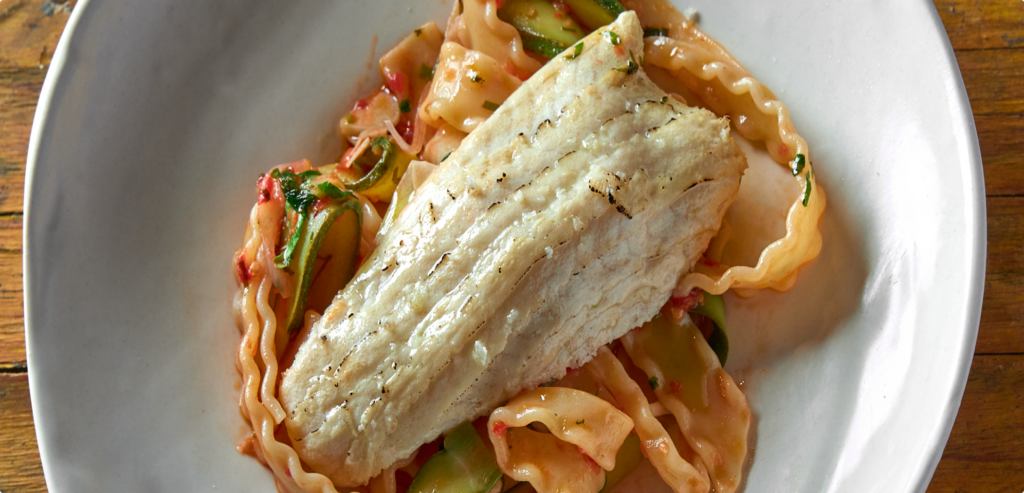
Meanwhile, its seafood-focused Printer HD144 is equipped with Drop Location in Space technology, which enables it to precisely place plant-based ingredients in specific patterns and layers to mimic the delicate, flaky texture of seafood.
Steakholder Foods serves as a B2B supplier of 3D bioprinters and bio-inks for alternative protein manufacturers, allowing them to mass-produce price-competitive meat and seafood analogues. This has the capacity to generate 100kg of plant-based fish products an hour.
The company has also unveiled several cultivated meat and seafood prototypes over the years, an effort that includes a two-year state-backed R&D project with Singapore’s Umami Bioworks to figure out the feasibility of producing 3D-printed cultivated fish fillets at scalable volumes.
It is taking this 3D-printing tech to its Perfecta brand, through which it will sell whole-cut marbled steak (with 26g of protein), filet mignon and chicken breast (18g of protein each), as well as salmon (5g of protein), whitefish (4g of protein) and burger patties.
“Our planned entry into the US market marks a pivotal step in Steakholder Foods’ path toward commercialisation, reflecting both our technological maturity and our readiness to begin engaging with one of the world’s most important markets,” said Kaufman.
Can Steakholder Foods tackle the taste and texture troubles of meat alternatives?
Steakholder Foods is entering the US at a difficult time for plant-based meat and seafood, which still make up less than 1% of overall meat sales and saw purchases fall by 10% in 2025. Filets, steaks and cutlets saw a 15% drop.
The ultra-processed nature of these proteins has deterred many Americans from them, despite the expanding demand for protein. A large survey of omnivores last year found that only around 30% of US consumers like the taste and texture of the average meat-free product, compared to two-thirds who say the same for the animal-based benchmark.
Vegan alternatives were found to be savoury 35% less often and have a weird aftertaste or off-flavour five to six times more often than animal proteins. They were described as juicy 62% less often than conventional meat. For whole cuts, reducing the off-flavour and aftertaste, mushy texture, and dryness and toughness were identified as the biggest opportunities.
Steakholder Foods said Perfecta’s plant-based meats have a fibrous structure and mouthfeel, with marbling-like characteristics to support their premium positioning. “Our goal is to bring consumers a premium plant-based experience designed to better replicate conventional meat,” said Kaufman.
The brand is targeting flexitarians in the US, who are regularly identified as the biggest opportunity for alternative proteins. Perfecta’s launch will begin with a phased rollout in the Northeast, followed by retail expansion as the supply chain and distribution are scaled up, along with marketing campaigns to drive awareness and establish repeat-purchase momentum.
Currently, only 11% of households buy plant-based meat in the US. So Steakholder Foods has its work cut out, but it will hope its 3D-printing tech will overcome the hurdles that have plagued this industry. It will also compete with a host of whole-cut meat analogues in the US, from players including Chunk Foods, Juicy Marbles, and Beyond Meat.