

Elea & Lili Bags $2.9M to Scale Microplastic-Free Material for Diapers & Farming

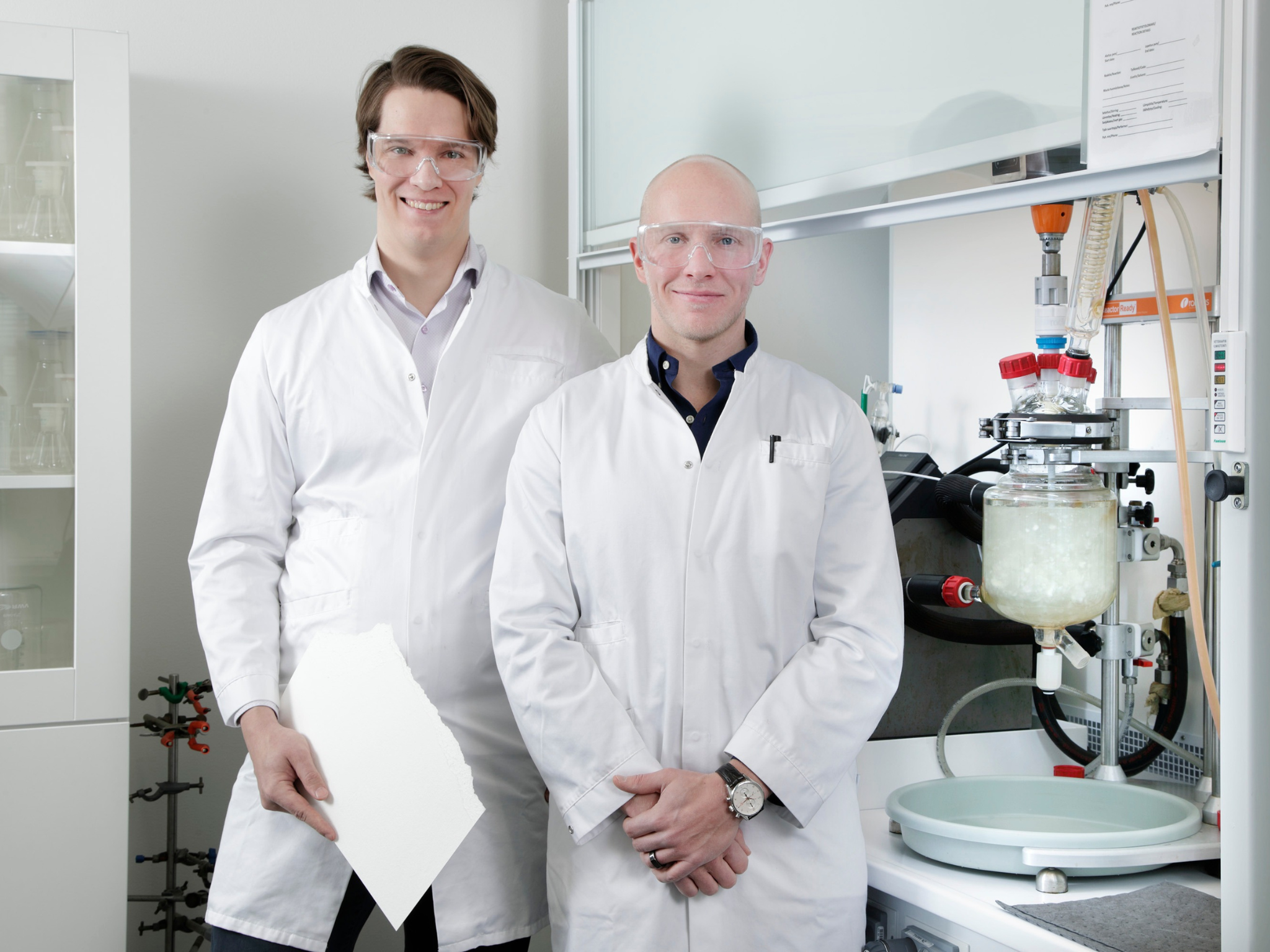
Finnish startup Elea & Lili has emerged from stealth with a €2.5M ($2.9M) funding round to launch its cellulose alternative to fossil-based polymers for the hygiene and agriculture industries.
Eco materials firm Elea & Lili has spun out of the VTT Technical Research Centre of Finland with fresh funding to bring its microplastic-free superabsorbent material to market.
The startup has raised €2.5M ($2.9M) in a seed funding round led by Lifeline Ventures, with additional participation from Ikorni Invest and Baltiska Handels.
It offers a cellulose-based alternative to superabsorbent polymers (SAPs), which are non-biodegradable materials widely used in the diaper industry and by the farming sector to retain water and boost the nutrient efficiency of crops.
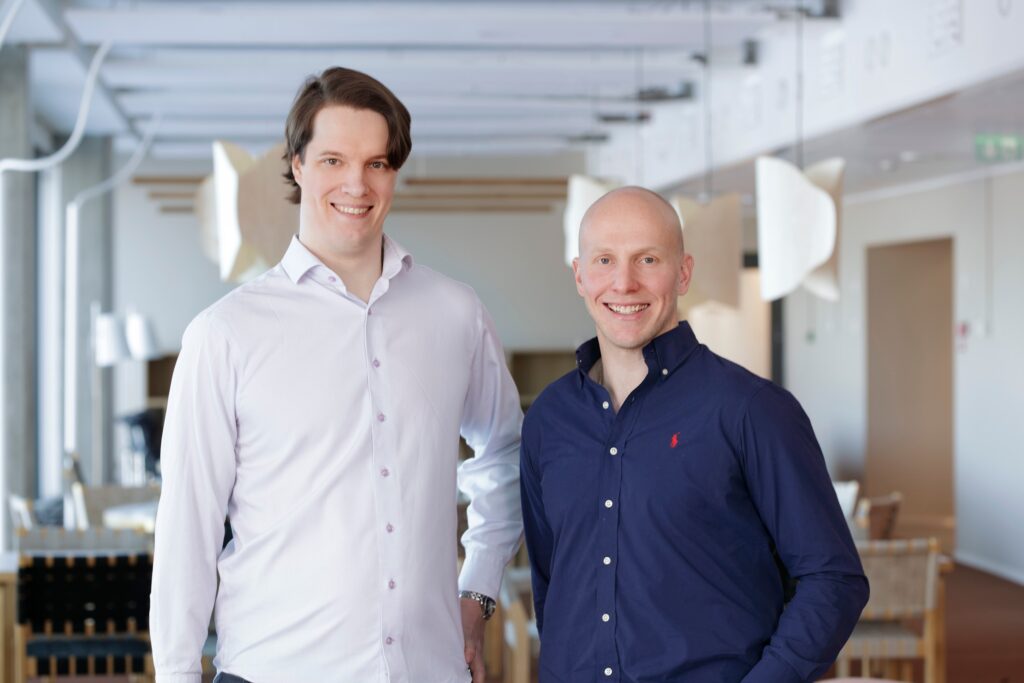
“Hygiene and agriculture are equally strategic entry points for us,” said CEO Tatu Miettinen, who founded the startup with CTO Miika Nikinmaa. “In both markets, absorbent materials are mission-critical components – and today they are fossil-based. We are replacing them with a scalable biomaterial.”
Fossil-free absorbent can tackle the diaper waste problem
Elea & Lili was born out of deeply personal experiences for Miettinen. After the birth of his first child in 2017, he realised the sheer amount of waste and environmental mess created by the disposable diaper industry.
According to the World Economic Forum, each child uses around 4,000 to 6,000 diapers. Globally, somewhere near 170 billion diapers are produced every year, and disposable diapers generate nearly 40 million tonnes of waste.
It was in 2019, after the birth of his daughter Elea, that the idea really sparked to life. “Her start to life was extremely difficult. She suffered from hypoxic-ischemic encephalopathy (HIE) and spent her first days fighting for her life in the neonatal ICU,” Miettinen said in a LinkedIn post.
“The experience profoundly reshaped our family’s perspective,” he recalled. “At that moment, I decided: if she recovers, I will dedicate myself to building something meaningful and sustainable for the next generation.”
After consulting with investors and fellow entrepreneurs, he began R&D work with VTT, where he met Nikinmaa in 2020. “After our first discussion, it was immediately clear that we should build this together,” he said.
Now out of stealth, Elea & Lili is aiming to phase out SAPs, “the last remaining non-biodegradable component in modern diapers”. They’re derived from petroleum and contribute to long-lasting plastic waste and microplastic pollution. It’s why the first disposable diaper ever made is likely still in a landfill somewhere.
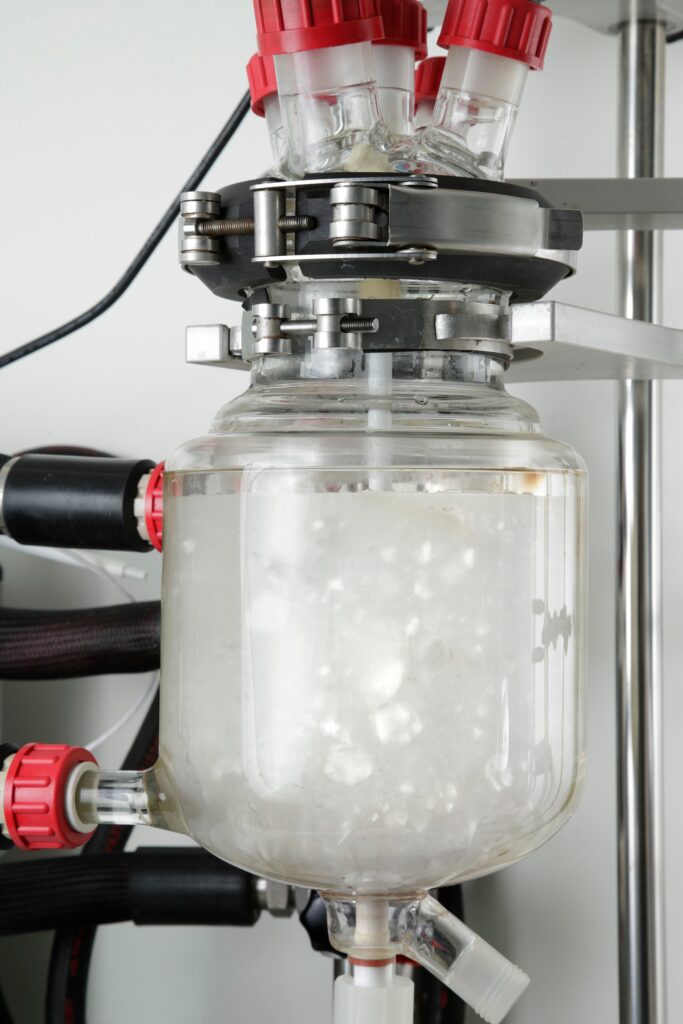
The startup leverages the world’s most abundant polymer, cellulose, to create a sustainable, biodegradable alternative to fossil-based SAPs. Called Cellulose Super Absorbent, it’s designed as a scalable material platform, rather than a single product.
The platform combines advanced material science with industrial capacity, and is designed to deliver high-performance absorption on par with SAPs, fit into existing diaper production systems, and enable scalable manufacturing with ongoing validation and life-cycle transparency. It has already undergone safety and skin compatibility testing in line with the relevant ISO standards.
Elea & Lili eyes agriculture industry ahead of US and Europe launch
It’s not just the diaper industry that’s reliant on SAPs. These polymers are present in the food system, too, where they’re mixed directly into the soil, allowing permanent plastics to leach into farmland.
Elea & Lili’s Cellulose Super Absorbent enables water retention, reduces irrigation demand, enhances nutrient delivery, and supports regenerative agriculture, all while being biodegradable and leaving plastic residues out of the soil.
This is critical for the agrifood industry in the EU, which will begin restricting the use of intentionally added fossil-based plastic components that persist in soil from 2028.
Armed with the new capital, Elea & Lili will now expand production of its patented cellulose material from pilot to industrial scale, for which it is already working with leading cellulose and biomaterials companies. “We are not creating a niche eco-product. We are replacing a global material category,” said Miettinen.
The startup will also use the money to advance regulatory validation, expand its core team, develop its first commercial diaper products, accelerate agricultural field trials, and build towards its first launches in the US and Europe.l
“I have been waiting for a non-fossil alternative, and Finland’s top expertise in biomaterials makes it natural for it to emerge from here,” added Timo Ahopelto, founding partner at Lifeline Ventures. “Today, a good part of those 170 billion diapers remains in our soils forever, and we grow food in microplastics.”
The funding comes shortly after fellow biomaterials startup Seprify closed a 12.25 million francs ($15.7M) Series A funding round to scale its cellulose-based alternatives to titanium oxide for the food, cosmetics, and coatings sectors.