

Swiss Startup Seprify Secures $15.7M to Replace Titanium Dioxide with Cellulose Materials

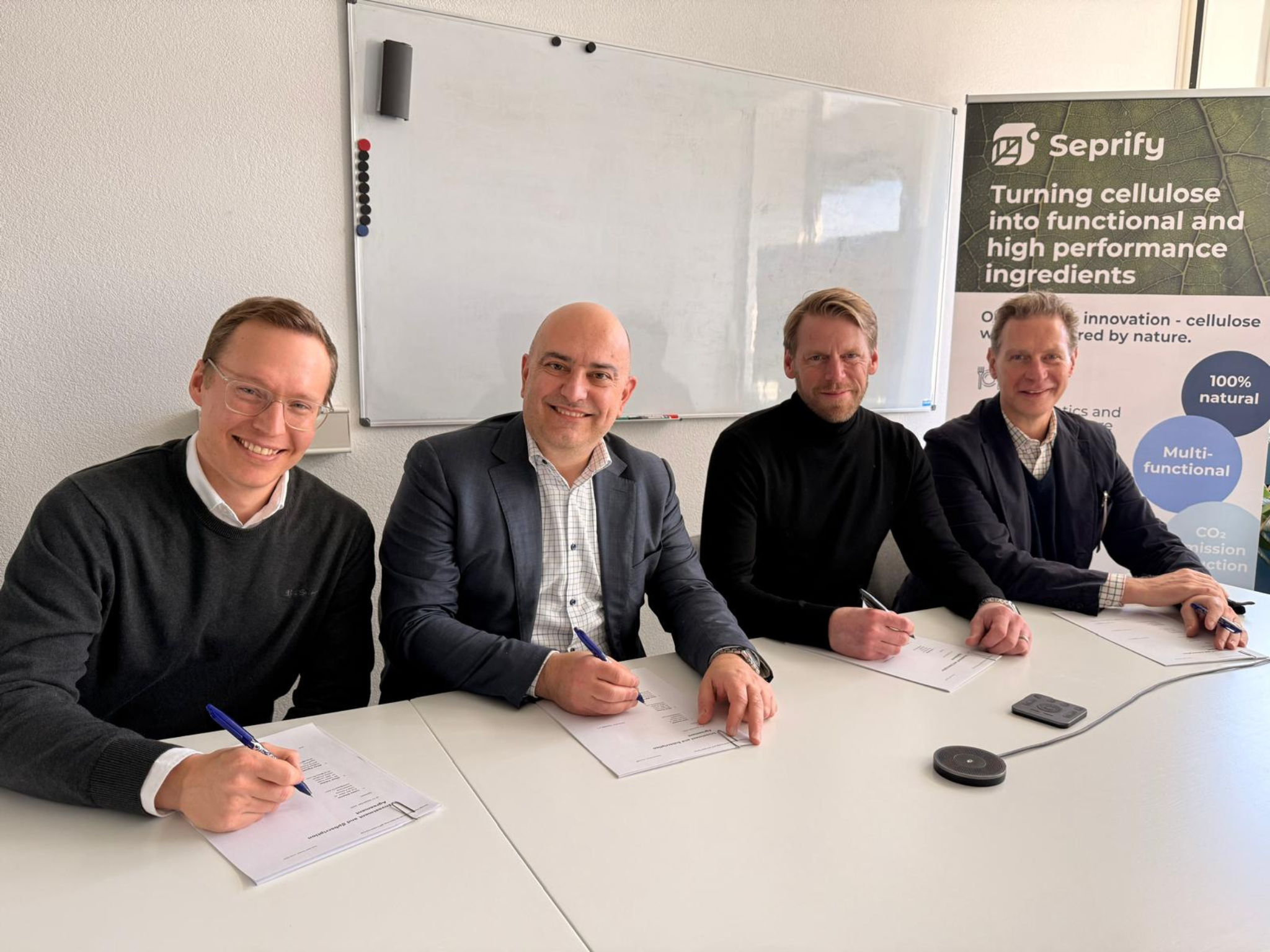
Swiss biomaterials firm Seprify has raised 12.25 million francs ($15.7M) to scale its cellulose-based alternatives to titanium dioxide for the food and cosmetics sectors.
As the consumer goods industry reckons with the impact of planet-harming dyes in its products, a wave of startups is stepping up with bio-based reformulation solutions.
Among these is Swiss player Seprify, which develops cellulose-based ingredients that can replace titanium oxide, a whitening agent banned by the EU in 2022, in food, cosmetics, coatings and more.
The company’s cellulose platform has now transitioned from pilot validation into procurement-ready industrial supply, following a 12.25 million francs ($15.7M) Series A funding round.
Investors in the round include Inter Ikea Group, Una Terra Early Growth Fund, Zürcher Kantonalbank (ZKB), Cambridge Enterprise Ventures, Kickfund, and others aligned with the circular economy.
“At Ikea, we look for solutions that can realistically replace high-impact incumbent materials while fitting into existing manufacturing and recycling systems,” said Robert Carleke, innovation ventures manager at Inter Ikea Group
“Seprify’s cellulose platform has reached a level of maturity that makes this a credible path to explore – not only for specific applications such as coatings and surface finishes, but as a scalable materials platform with the consistency and operational readiness required for industrial use. We’re looking forward to this exploratory project.”
A beetle-inspired alternative to titanium dioxide
Formerly called Impossible Materials, Seprify was founded by Lukas Schertel and Oliver Polcher as a spinout from the University of Cambridge and the University of Fribourg in 2022.
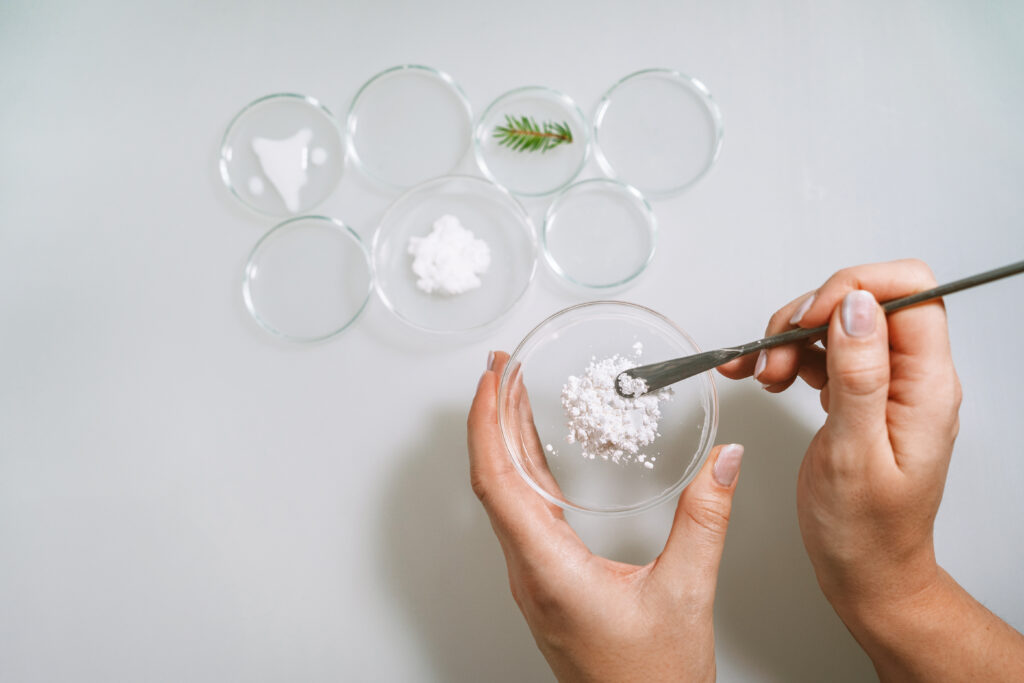
It leverages cellulose, the world’s most abundant polymer, to create sustainable and biodegradable alternatives to conventional whiteners and texturisers, enabling manufacturers to transition away from titanium dioxide and fossil-based polymers.
The EU already prohibits the use of titanium dioxide as a food additive due to genotoxicity concerns. And while it is permitted in other countries, many companies have been on the lookout for alternatives. For instance, last year, Mars removed titanium dioxide from its Skittles candy brand.
The whitening ingredient is also detrimental to the planet, since conventional manufacturing methods involve coal-fired or sulfate-based processes, which require significant energy and lead to high emissions and chemical waste.
Seprify sources its cellulose from industrial sidestreams, pulps, agrofibres, and recycled products, which undergoes a unique extraction, separation and purification process.
It takes inspiration from the Cyphochilus beetle, specifically the thin layer of scales on its exoskeleton, which scatters all wavelengths of light to make the insect shine a bright white. These non-uniform scales are made up of a rough, porous structure, which enables light to bounce and reflect. Seprify tunes the size of its cellulose-based microparticles to optimise scattering.
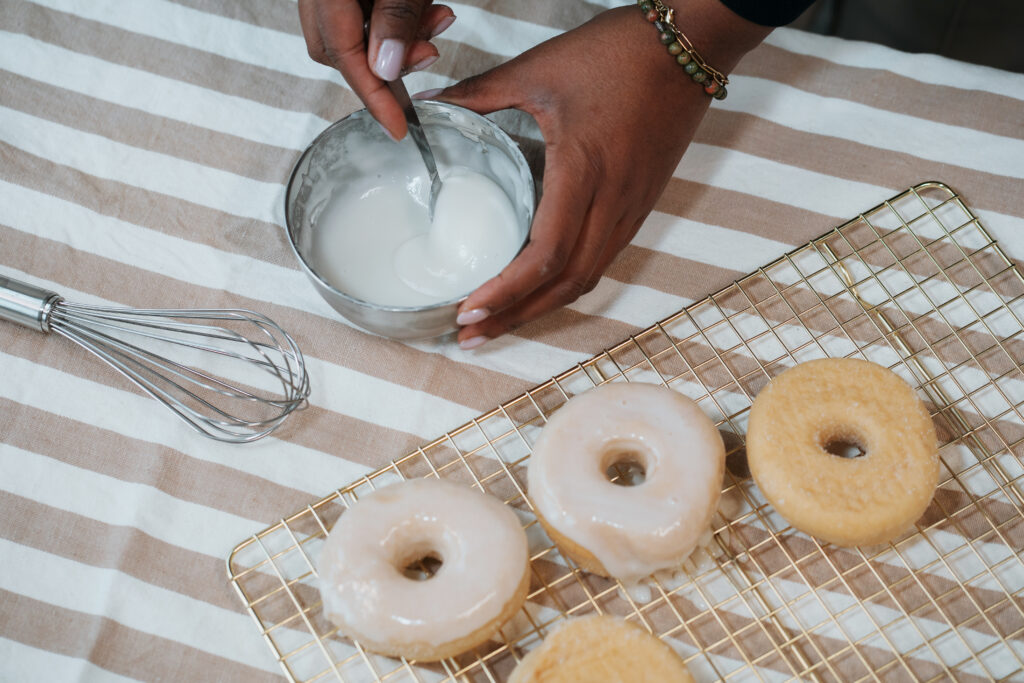
One of its flagship products is SilvaAba, a food-grade whitening solution and functional replacement for titanium dioxide, which can be used in products like plant-based milk, coffee creamers, confectionery, and pet food.
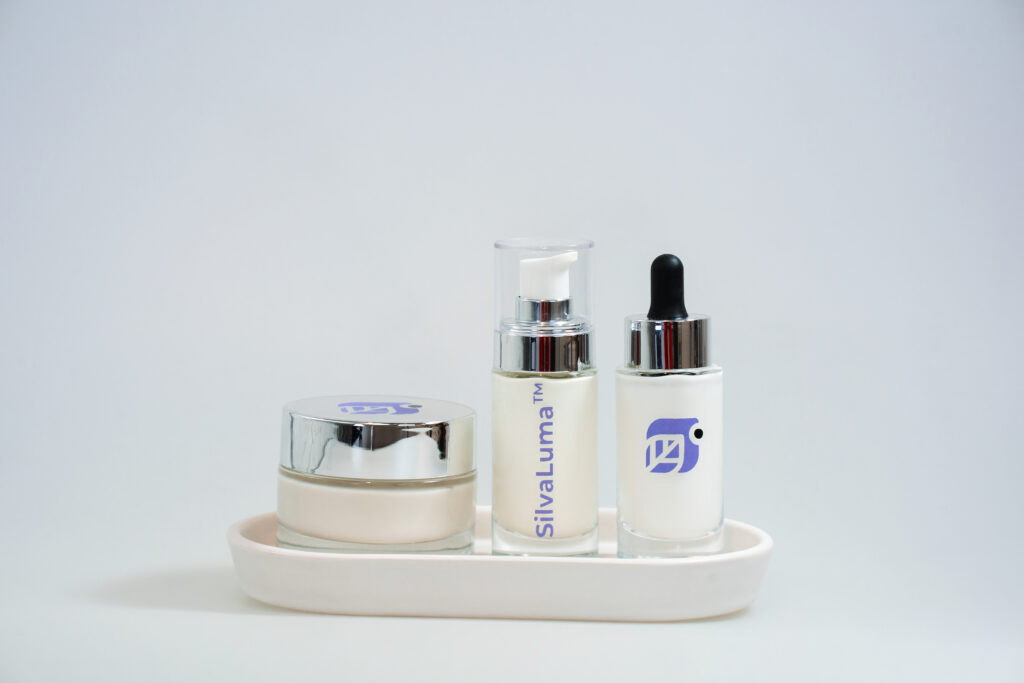
It also makes SilvaLuma, an SPF booster for personal care products that replicates titanium dioxide’s UV filtering properties, and SilvaFolia, a range of functional grades for coatings, paints and inks.
Seprify in talks with more than 100 companies for cellulose materials
Seprify will use the fresh capital to scale commercial production to hundreds of tonnes a year through established manufacturing partners, support commercial rollout across its priority markets, and advance engineering work for future industrial-scale capacity.
“This funding enables us to focus on execution and scale. Our immediate priority is delivering consistent quality and reliable supply, meeting the operational standards large industrial customers require,” said Schertel, Seprify’s CEO.
“In the near term, that means supporting cosmetics and personal care, including suncare, as well as food and pet food. We are also scaling for higher-volume applications such as coatings, inks and printed electronics, reflecting the broader potential of our cellulose platform.”
The firm’s production platform has been validated at Technology Readiness Levels (TRL) 7-9 via hands-on collaboration with industry partners, and it’s now progressing through supplier qualification processes, early commercial contracts and procurement discussions.
Seprify is currently engaged with over 100 companies across human and pet food, personal care, cosmetics, and coatings, spanning active evaluations through to early commercial supply.
These include Grolman Group, which has rolled out SilvaLuma at scale for the European personal care market, and Oterra, which will bring SilvAba’s whitening solutions to the food and beverage industry.
Bio-based colour alternatives are proving to be a hot property in the eyes of investors. In November, Chromologics raised $8M to launch its food-grade, microbial alternative to synthetic red dye in the US and Europe. And in January, Octarine Bio secured $5.8M to launch precision-fermented pigments for food, textiles, and personal care.
A month later, Sparxell – a fellow University of Cambridge spinout – closed a $5M funding round for its plant-based colours, which can replace fossil-fuel-derived pigments in the textile, cosmetics, food, packaging, paint and automotive sectors.