

Meatly Raises $14M to Build Europe’s Largest Cultivated Meat Facility

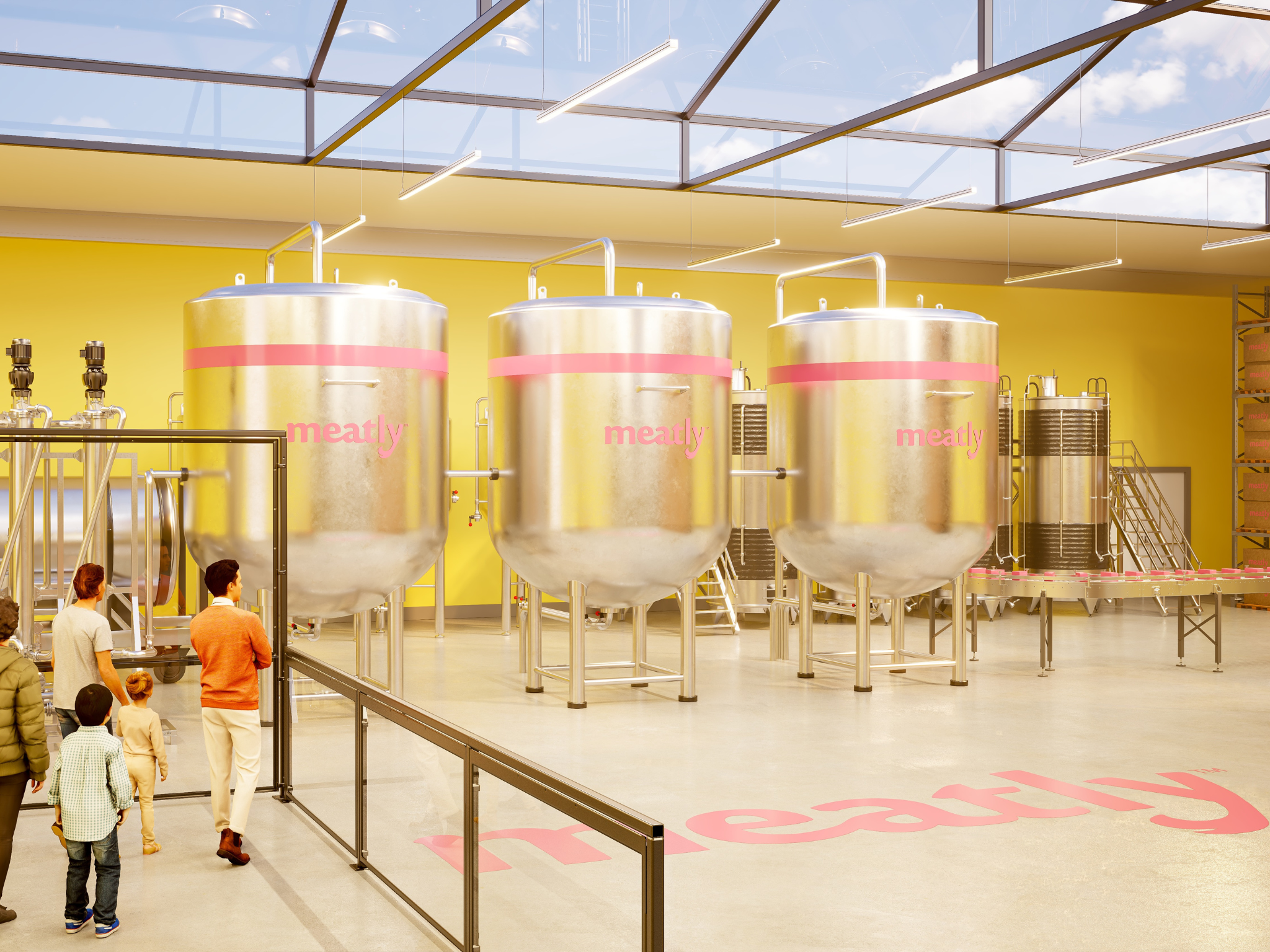
UK startup Meatly has raised £10M ($14.1M) to establish Europe’s largest cultivated meat facility in London, with pet food product launches slated for 2027.
British food tech firm Meatly has secured £10M ($14.1M) in Series A funding to build a 20,000-litre pilot plant for cultivated meat.
Located in London, it will be Europe’s largest facility for cultivated meat. It will begin fitting out the existing warehouse immediately, and expects to launch products for the pet food market next year.
“Working within an existing space reflects our broader approach, being capital efficient and focused on what actually moves the needle, which is production, not property,” Meatly co-founder and CEO Owen Ensor told Green Queen.
Meatly was the world’s first company to be cleared to sell cultivated meat for pets, debuting dog treats in the UK with fellow London-based startup The Pack last year.
Over the last year, it has been working to slash the production costs of its chicken, and it will build on that work by scaling up to commercial capacities in the new site.
“Once our pilot facility is operational, we’ll look to bring more products to market. Our immediate focus is the pet food market – it’s where we made history with the world’s first cultivated product of its kind, and this facility will allow us to make it more sustainable and scalable,” Ensor said.
The investment round – which was teased by Ensor last summer – saw participation from existing backers such as Agronomics and first-time investors Oyster Bay Venture Capital, Clean Growth Fund, and JamJar Investments. It brings the startup’s total raised to £17.4M ($23.5M).
Elise Schumacher, an investor at Oyster Bay Venture Capital, said Meatly was “laying the foundations for an entirely new protein category”. “Cultivated meat is emerging as one of the most sustainable and ethical ways to produce meat today,” she noted.
“From advancing the science to early retail sales for pets, Meatly has shown a clear ability to move from concept to real-world application, with the foundations to scale across Europe and globally.”
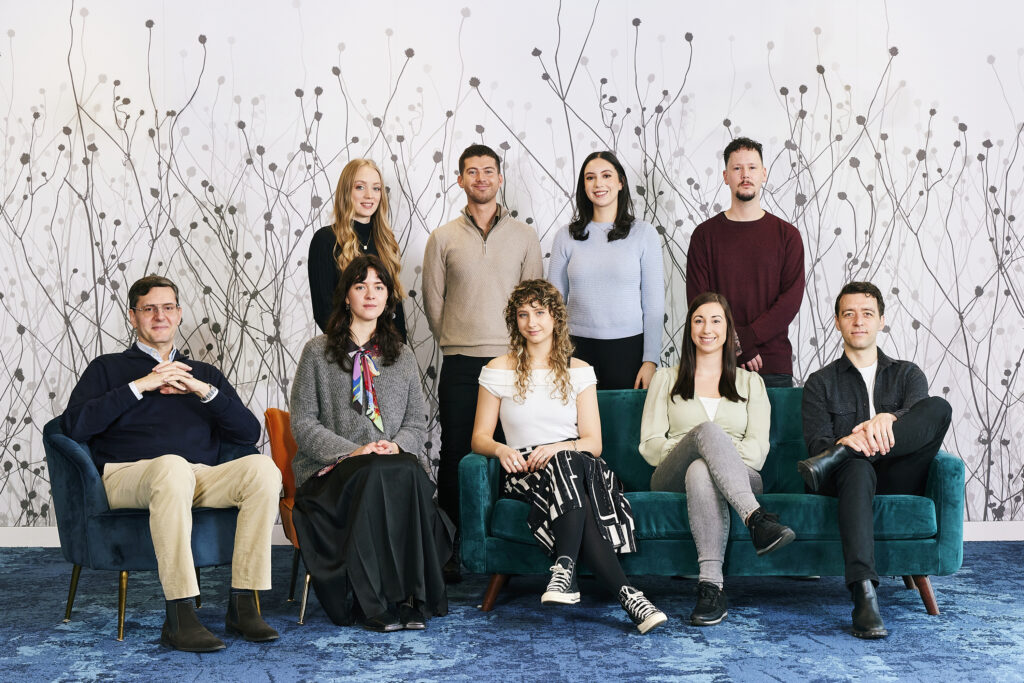
Meatly drives cost reductions for cultivated meat
Founded in 2021 as Good Dog Food, Meatly is one of several startups making cultivated meat for companion animals. It’s a leader in this burgeoning category, having received regulatory approval from the UK’s Animal & Plant Health Agency in 2024.
The startup derives its meat from a single sample of chicken cells, which can produce enough meat “to feed pets forever”. The cells are fed on a mix of nutrients that facilitate their growth, and nurtured in a container that controls temperature and acidity.
The resulting cultivated chicken breast contains all essential amino acids, critical fatty acids, vitamins and minerals needed for pet health, while being more sustainable and just as palatable.
Feeding trials conducted by Meatly showed that half of the dogs who ate its meat continued licking the bowl after finishing, and three-quarters of pet owners reported greater enjoyment than with their dogs’ baseline diet.
When it launched its first product in the UK, a dog treat SKU called Chick Bites, it was priced at £3.49 per 50g pouch and contained only 4% of cultivated chicken – the rest was made up of plant-based ingredients.
It highlighted the scale and cost bottlenecks faced by the cultivated meat industry. Meatly has been working behind the scenes to close the price gap with conventional meat.
In 2024, it created a protein-free culture medium that contained no serum or animal-derived components, which cost just £1 per litre (compared to hundreds of pounds for incumbent options). Last year, it slashed the cost to 22p per litre, which it said would be further reduced to just 1.5p at industrial scale.
Additionally, Meatly successfully built and conducted a first cell growth run in a custom-designed, pilot-scale bioreactor with a capacity of 320 litres. This costs just £12,500, making it 95% cheaper than traditional fermenters, which can cost up to £250,000.
“The entire purpose of this pilot facility is to prove viability at scale to produce the first commercially competitive cultivated meat product,” said Ensor.
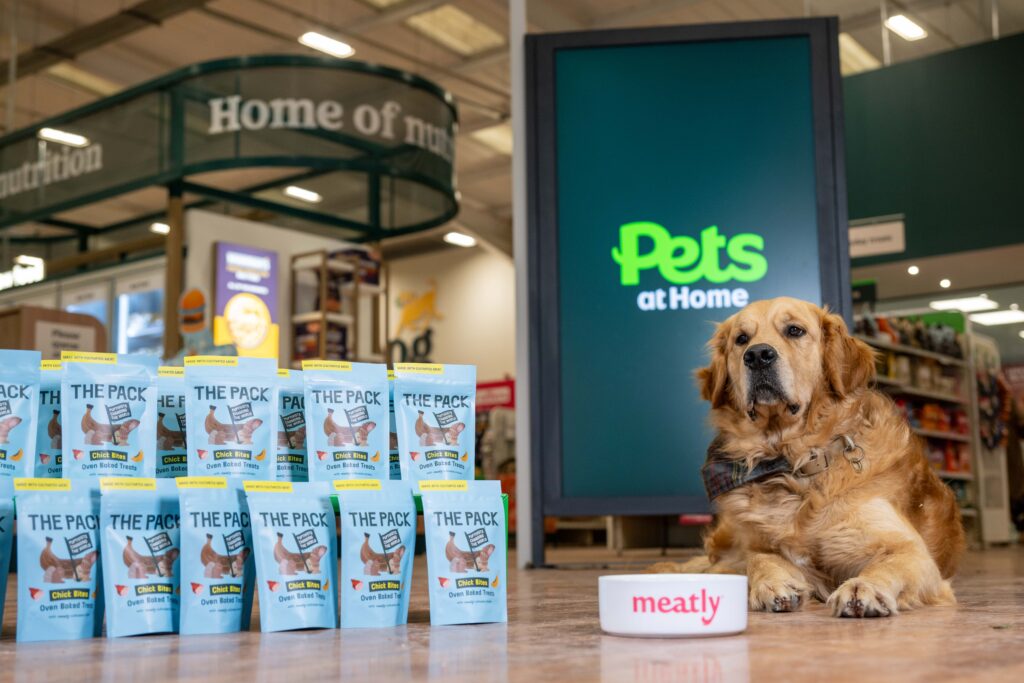
Cultivated pet food on the charge as Meatly approaches commercial scale
“The market opportunity for sustainable and high-quality protein is enormous, but success in this category ultimately comes down to one thing: bringing down the cost of production,” said Jim Mellon, executive chairman of Agronomics and chairman of Meatly.
“The team at Meatly has consistently cracked this challenge, reducing costs by building their own bioreactors, developing their own culture medium, and staying focused on what it takes to scale,” he added.
The new bioreactors designed last year were touted to have the biocompatibility, longevity, scalability and overall performance to meet the cell culture requirements of an industrial-scale facility with multiple 20,000-litre bioreactors.
At the time, Meatly said it intended to develop tanks with the latter capacity as part of its next funding stage, which it announced today. It has previously also noted that the new large-scale facility would be a low-cost site and be able to profitably scale production of its cultivated meat.
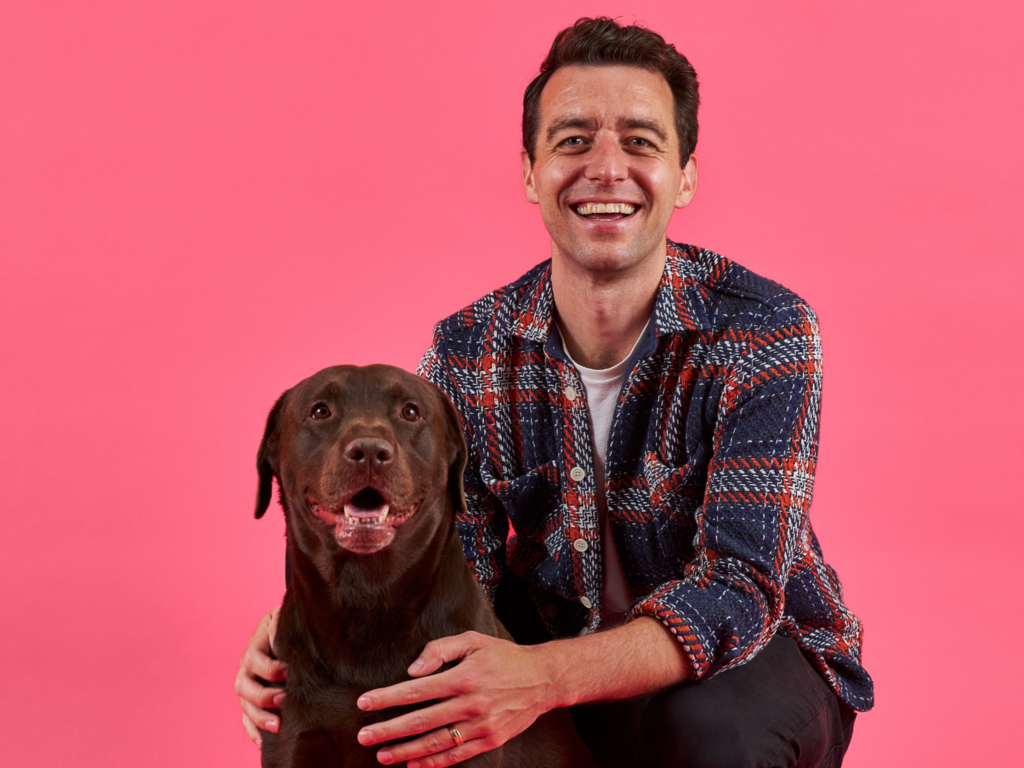
“Meatly has one focus – to make commercially viable cultivated meat a reality,” said Ensor. “Over the last four years, Meatly’s pioneering team has systematically focused on reducing key costs and building the strongest possible technical foundation for growth.
“Now we have our own industry-leading technology, and we are ready to scale. This step will allow us to prove commercial viability at scale and start to continually produce Meatly Chicken for the UK pet food market.”
The Series A round is a vote of confidence for the wider cultivated meat sector, which has struggled to attract investors. Last year, startups in this segment raised only $74M, nearly half of the funding total from the previous year, and 20 times less than the peak investment levels seen in 2021.
“We have spent over four years building strong relationships with investors and earning their trust through a proven track record of capital efficiency and technical delivery. In this time, we’ve reduced costs, secured regulatory approval, and put our product on shelves. With new and existing backing, we can make our mission to make cultivated meat more accessible a reality as quickly as possible,” noted Ensor.
The industry has seen regulatory progress accelerate over the last 12 months, during which seven cultivated meat products have been cleared for sale across multiple countries ( many others are awaiting the green light). Among those was Friends & Family Pet Food, which is rolling out 12 cultivated meat products for cats and dogs this month.
Meanwhile, Bene Meat Technologies, Biocraft Pet Nutrition and Umami Bioworks have registered their cultivated meat as feed materials in the EU, allowing them to sell their products as pet food ingredients. And Magic Valley is currently commercialising cultivated dog treats under its Rogue Pet brand within the voluntary framework developed by the Pet Food Industry Association of Australia.