

‘No Artificial Colors’: FDA Approves Beetroot-Based Natural Red Dye for Food

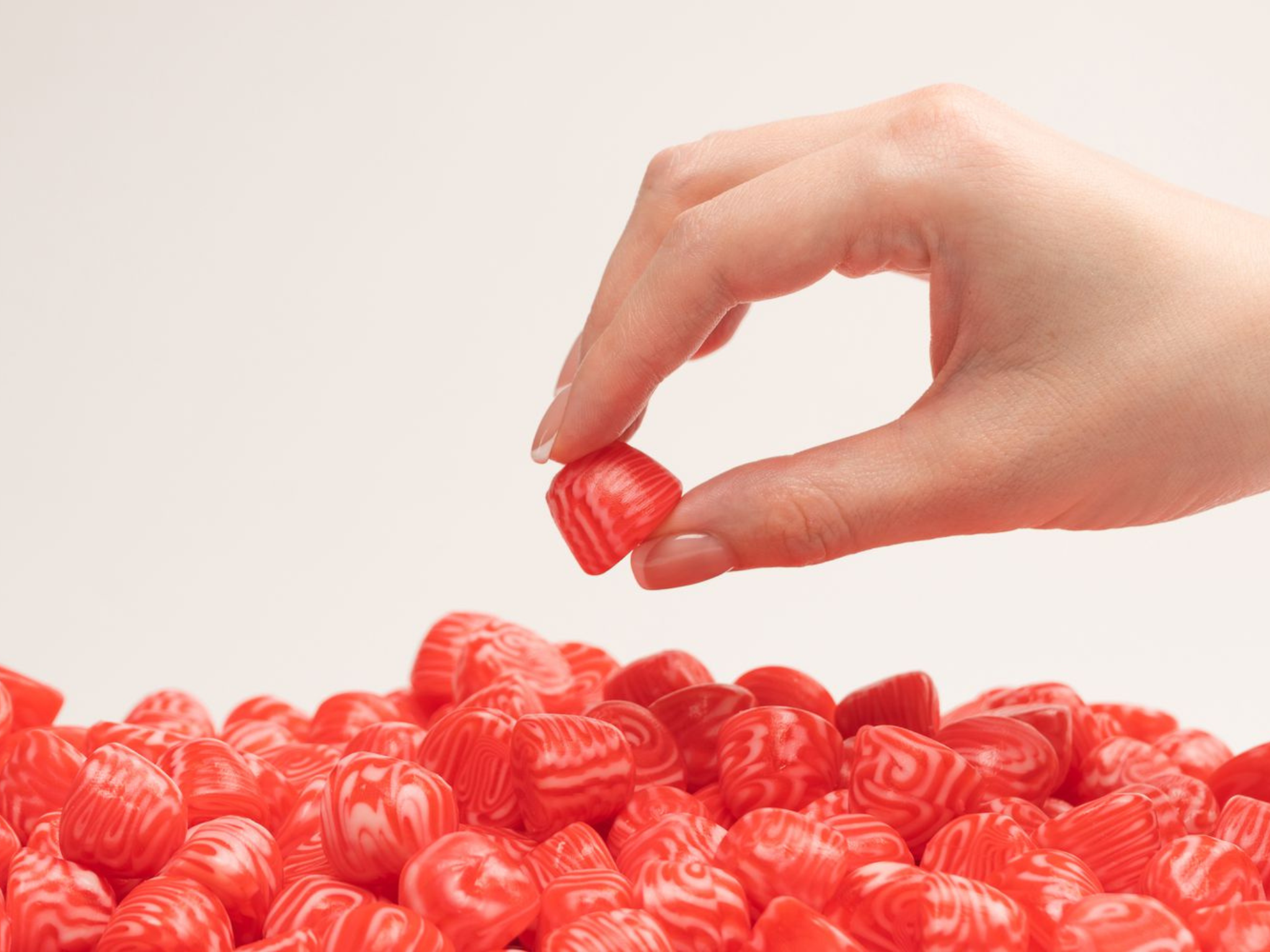
The US Food and Drug Administration has relaxed rules that restrict companies from labelling their food products as free from synthetic dyes, and approved a new beetroot-derived natural red colour.
With food dyes firmly in focus in America’s health discourse, manufacturers will benefit from the approval of a natural alternative to red dye and revised labelling rules.
The Food and Drug Administration (FDA) has amended the colour additive regulations to recognise the safe use of beetroot red in food products, granting a petition filed by Israeli startup Phytolon in late 2023.
“Now, food manufacturers will have the option to replace artificial dyes with natural ones without compromising on cost and supply issues of agro-based alternatives,” the company said following the approval.
It comes a year after the FDA banned the use of Red Dye No. 3, a petroleum-derived colourant identified as harmful to both human and planetary health. The move pushed US food manufacturers to shift away from the use of artificial colours in their products.
The beetroot red approval coincided with the federal agency’s announcement that food labels can now claim to have ‘no artificial colors’ if they are free from petroleum-based dyes. Previously, companies could only make this claim if the products had no added colouring at all.
“We acknowledge that calling colours derived from natural sources ‘artificial’ might be confusing for consumers and a hindrance for companies to explore alternative food colouring options,” said FDA commissioner Marty Makary. “We’re taking away that hindrance and making it easier for companies to use these colours in the foods our families eat every day.”
Phyotolon uses precision fermentation to produce beetroot red
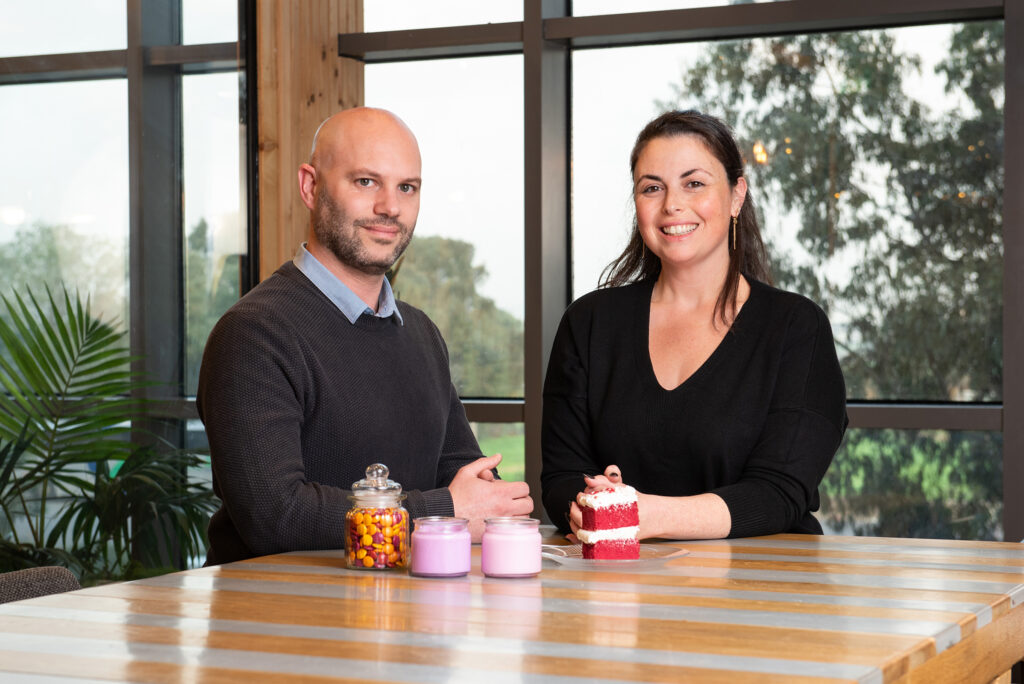
Phytolon’s beetroot red dye is produced via precision fermentation, a technology that involves inserting a DNA sequence into microbes to teach them to produce specific molecules when fermented.
The 2018-founded startup genetically engineers baker’s yeast to produce betanin, part of a class of water-soluble pigments found primarily in red beets. Its process expresses betanin via controlled fermentation, following which the production organism is removed from the fermentation broth.
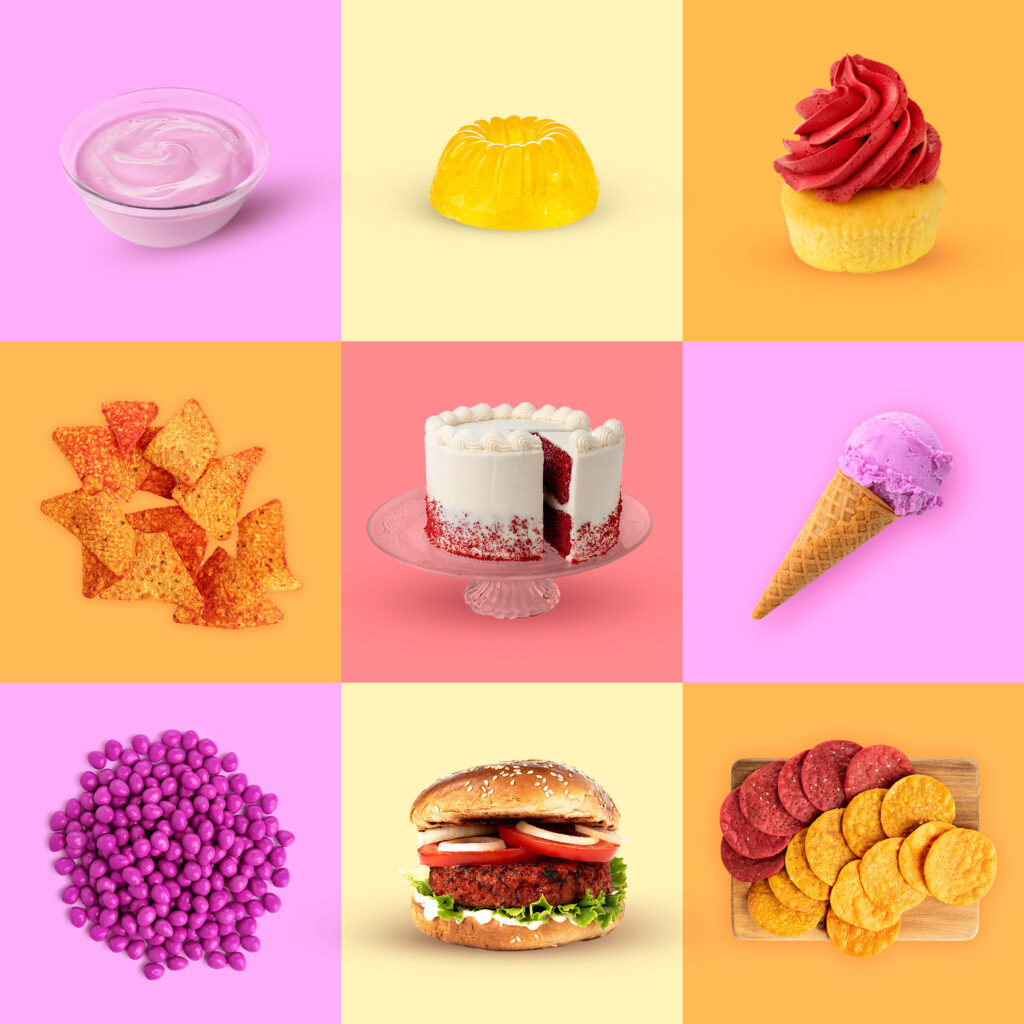
Phytolon’s colour is available both in liquid and powdered formats, and can be used at levels “consistent with good manufacturing practices”. The Red Dye No. 3 alternative can cater to a wide range of applications, including bakery, savoury, frozen, dairy and confectionery, but is still restricted from infant formula and certain USDA-regulated foods.
“By this approval, the FDA enables a long-awaited solution for natural colours directly to the hands of the consumers. The Beetroot Red portfolio offers unseen quality and performance compared with most natural colours in multiple food categories,” Phytolon said.
The FDA has also approved the expanded use of spirulina extract, a blue-green colour derived from microalgae, following a 2024 petition from plant-based dye manufacturer GNT.
These actions take the total number of new food colour options approved under the current administration to six. “We are working diligently to facilitate [the] industry’s phaseout of petroleum-based colours and speed up authorisations for colours that are derived from alternative sources,” said Kyle Diamantas, deputy commissioner of the FDA’s Human Foods programme.
“The actions announced today give companies even more ways to transition to the use of alternative colours derived from natural sources,” he added.
Natural food colours are all the rage
Health secretary Robert F Kennedy Jr’s Make America Healthy Again movement has been the key instigator of the backlash against synthetic food colours, which appear in nearly a fifth of packaged food and beverage products in the US. RFK Jr has called food colourings “the most egregious” type of additives, linking them to health issues including cancer, hyperactivity and possibly autism.
The FDA announced a ban on Red Dye No. 3 shortly before he took office, with studies suggesting the petroleum-derived hue was carcinogenic in rats. Other artificial colours, like Red 40 (or Allura Red), have been linked to hyperactivity in children and cancer in animals.
Red Dye No. 3 has either been banned or severely restricted in Europe, Japan, Australia and New Zealand, while the EU has required manufacturers to put warning labels on products containing Red 40 since 2010.
Within the US, California has led the charge, announcing bans on Red Dye No. 3 as well as six other common colourants from school foods. At least 26 other states have followed suit, either introducing or passing bills that would ban, restrict or require warning labels for artificial dyes.
Two-thirds of Americans support RFK Jr’s calls for the food industry to ditch synthetic colours, with manufacturers like Nestlé, Mars, Kellogg’s, General Mills and others obliging by removing these dyes from various products. In fact, the FDA has a public tracker for consumers to see which companies have made such pledges.
“We are making it easier for companies to move away from petroleum-based synthetic colours and adopt safer, naturally derived alternatives. This momentum advances our broader effort to help Americans eat real food and Make America Healthy Again,” Kennedy said.
Phytolon’s regulatory win is the latest advancement in the alternative colour world. In November, Chromologics raised $8M to launch its food-grade, microbial alternative to synthetic red dye in the US and Europe, and last month, Octarine Bio secured $5.8M to launch precision-fermented pigments for food, textiles, and personal care.
University of Cambridge spinout Sparxell, meanwhile, closed a $5M funding round for its plant-based colours, which can replace fossil-fuel-derived pigments in the textile, cosmetics, food, packaging, paint and automotive sectors.