

Leading UK Chocolate Supplier Embraces Cocoa-Free Alternatives with New Partnership

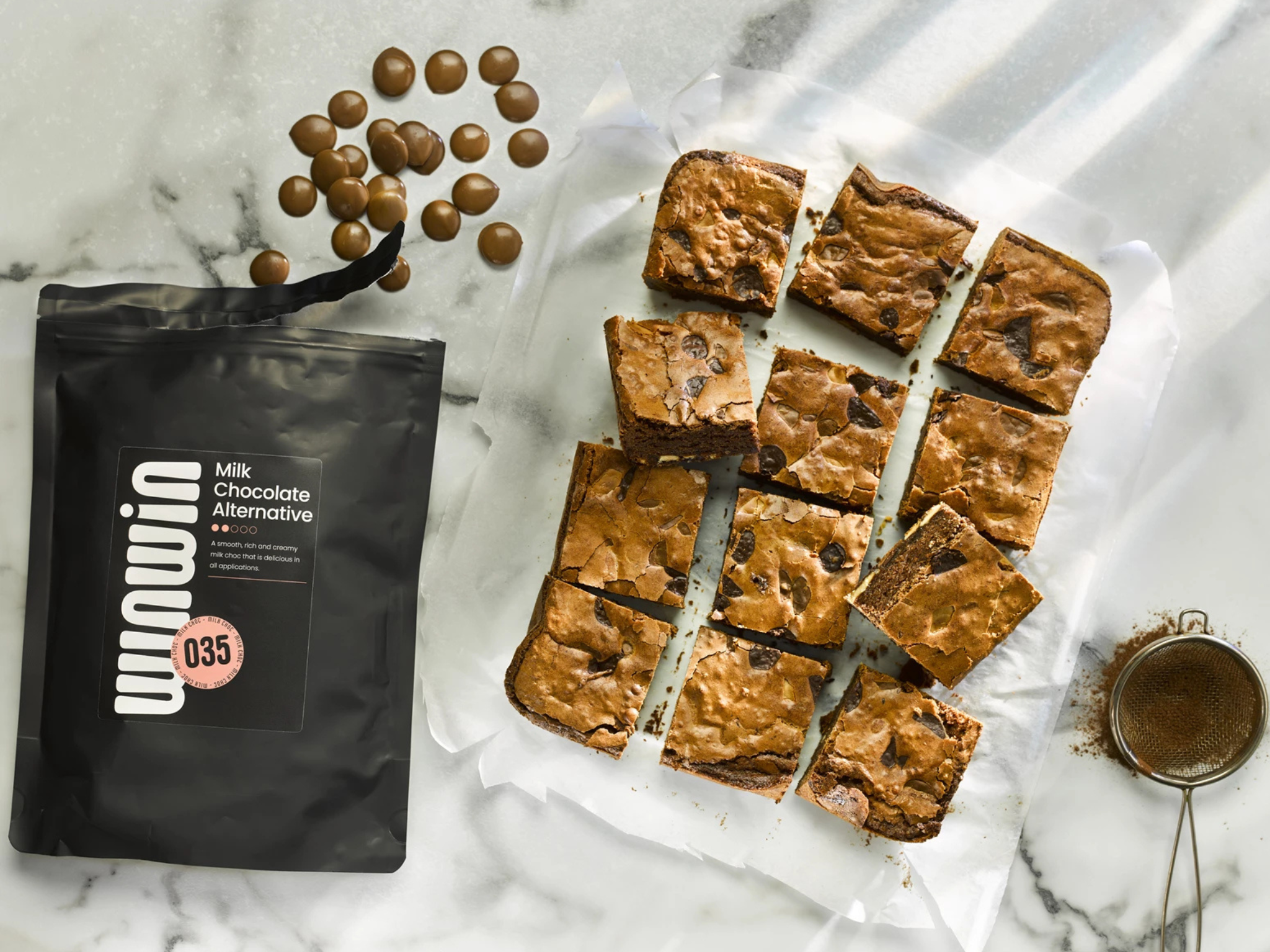
UK food tech startup Win-Win has signed an exclusive distribution deal with confectionery wholesaler Keylink to expand the reach of its cocoa-free chocolate alternatives.
The cocoa-free chocolate wave is raging on.
Food companies across Europe are embracing climate-friendly alternatives to the world’s favourite sweet treat, and British confectionery supplier Keylink is the latest to join that list.
It has teamed up with London-based startup Win-Win on an exclusive distribution deal, which has become the only cocoa-free chocolate in Keylink’s portfolio.
“We’re proud to be the exclusive UK distribution partner for Win-Win,” said Sanjeev Ramchandani, managing director of Keylink. “We believe Win-Win offers an exceptional product range, that is closer in taste to couverture than compound, is highly workable and easy to use, and supports long-term price stability and sustainability.”
Win-Win taps traditional chocolate techniques to make the cocoa redundant
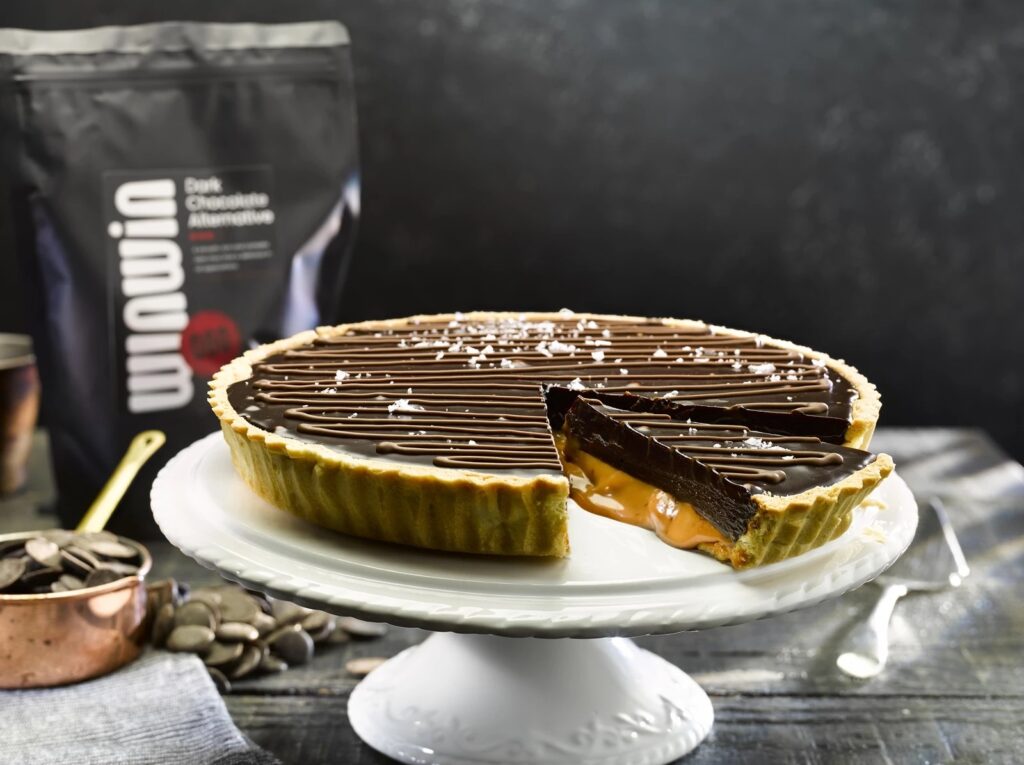
Win-Win is modernising carob-based chocolate by combining the legume with fermented rice, sunflower seeds, and a blend of shea and RSPO-certified palm oil.
The startup employs the same techniques found in conventional chocolate making, from fermentation to roasting, grinding, refining and tempering. Its process is designed to replicate the complex flavours of chocolate, while retaining its look, shine and snap.
Win-Win’s portfolio includes dark, vegan milk, milk and white chocolates, which can be tempered and baked the same way as their conventional counterparts. They are “indistinguishable” across a range of applications, including cookies, cakes, pastries, ice cream and desserts, and can be used either as an extender or direct replacement of chocolate.
This is important, considering that the chocolate industry is reeling from the effects of the climate emergency, which has pushed cocoa stocks to their lowest levels in a decade and driven prices to all-time highs.
Extreme weather and crop diseases are hitting plantations hardest in the Ivory Coast and Ghana, the two largest producers of cocoa, which have already lost over 85% of their forest cover since 1960. And scientists warn a third of the world’s cocoa trees could die out by 2050.
The industry itself is a major food-related driver of climate change. Producing chocolate emits more greenhouse gases than any other food except beef, and is linked to widespread deforestation. Additionally, making a single bar requires 1,700 litres of water on average. Win-Win’s chocolate alternatives use up to 80% less water and generate 82% fewer CO2e emissions.
“We all love chocolate, but with such complex and perpetual issues affecting the supply chain, we need to look to alternative solutions now that will ensure consumers can still enjoy their favourite treats in the future,” said Win-Win CEO Mark Golder.
“We’re delighted to partner with Keylink to make our products easily accessible to customers looking for a delicious, easy-to-use range of sustainably sourced cocoa-free chocolate alternatives that deliver on taste, performance and reliability.”
Cocoa-free alternatives on Big Chocolate’s radar
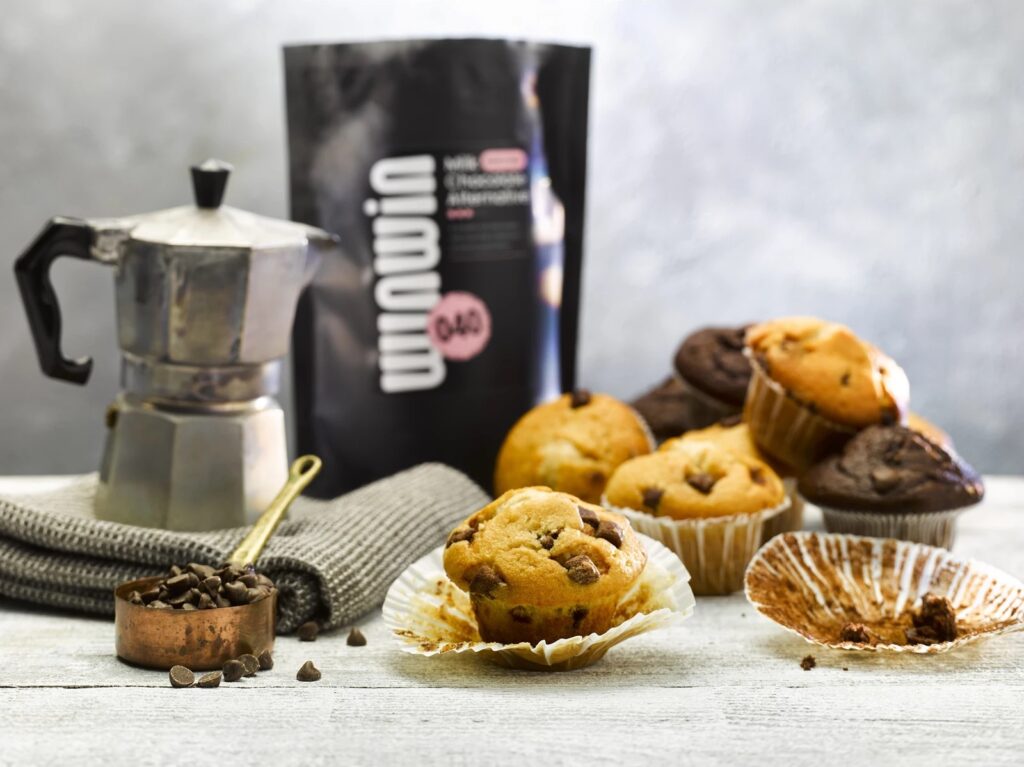
Keylink is a leading supplier of chocolate, cocoa products and confectionery ingredients to chefs, chocolatiers and bakers across the UK. It will now stock a variety of Win-Win’s products, including the milk, dark and white variants, which will be available in 10kg bags of Easymelt Chiips and Bakestable drops.
The chocolate alternatives are already available for purchase on Keylink’s website, and to encourage uptake, the distributor is offering a 15% discount on the list price until July 31, 2026.
“The industry is rapidly changing, and it’s important we support our customers in navigating these challenges, providing workable, alternative solutions where possible,” said Ramchandani. “We’re excited to welcome Win-Win to our portfolio and look forward to seeing how our customers innovate with these versatile alternatives.”
This is the second major distribution deal for Win-Win over the last year. In July, it collaborated with Hanover-based bakery giant Martin Braun-Gruppe for two cocoa-free glazes, after raising $4M to develop new products and expand into European markets like Germany, France, Switzerland, the Nordics, and Benelux.
The company’s alternative chocolate has also appeared at Toad Bakery and Lyaness bar in London, and is currently featured at Michelin Green Star holder Apricity. Plus, Win-Win has previously rolled out dark chocolate thins, a Daim-style Waim! bar, and copycat versions of Cadbury Wholenut, Terry’s Orange and Tony’s Chocolonely on limited runs with its consumer brand.
A number of Big Chocolate players are foraying into the cocoa-free space. Barry Callebaut, the world’s largest B2B chocolate supplier, has struck partnerships to explore both cell-based and cocoa-free chocolate.
Puratos, Cargill and Mondelēz International have invested in alt-chocolate startups too, while giants like Dulciar, Walcom, Lindt, and Piasten have co-launched cocoa-free products with these disruptors.