

Cultimate Foods: Cultivated Meat Maker Files for Bankruptcy, Remains Hopeful About Future

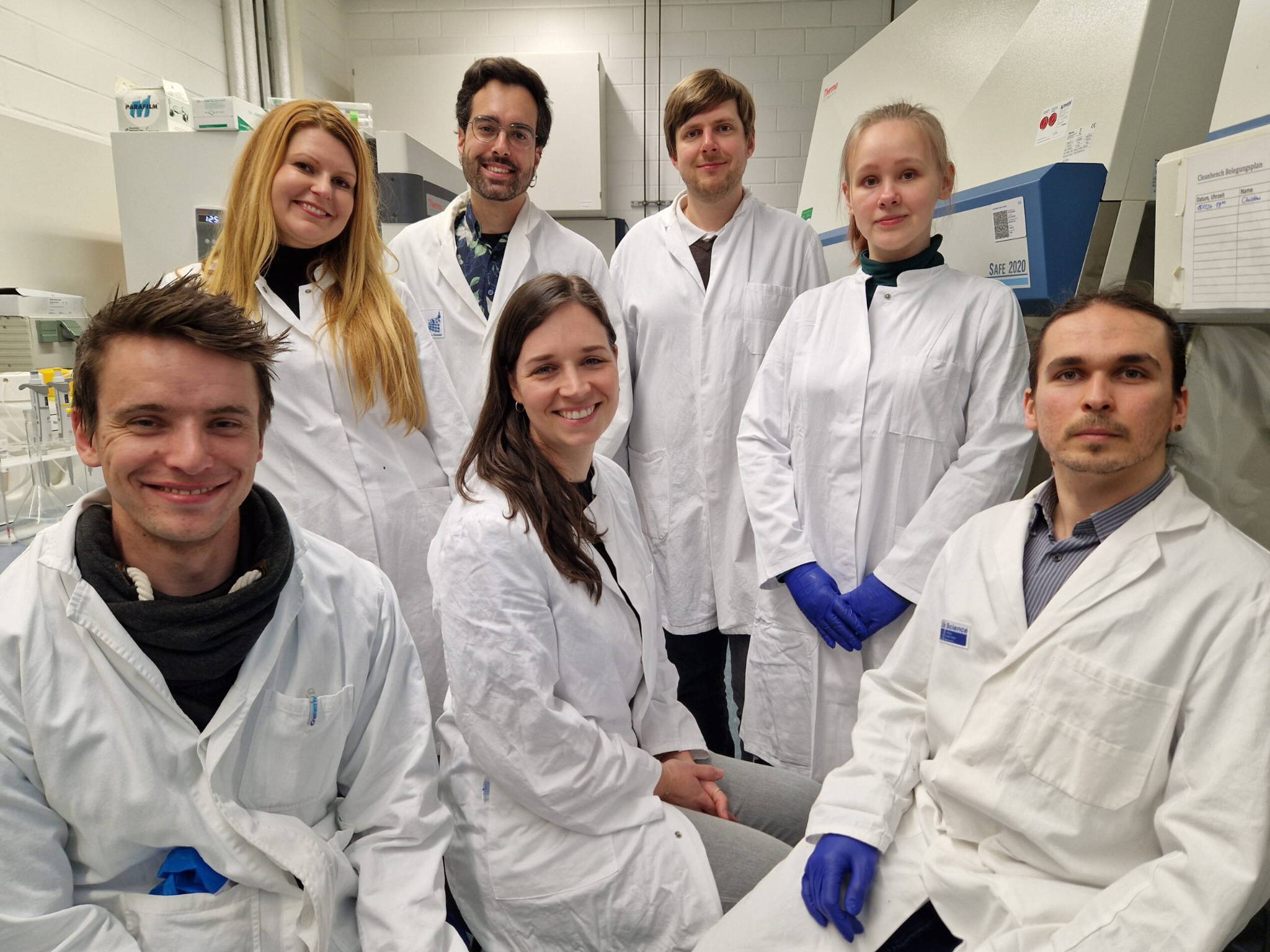
German cultivated fat startup Cultimate Foods has filed for bankruptcy and initiated a financial restructuring to return the business to the path of long-term growth.
The financial abyss facing alternative proteins continues to plague the cultivated meat sector.
Berlin-based startup Cultimate Foods, which produces a cell-cultured fat to enhance the flavour of cultivated meat products, last month filed for bankruptcy and appointed administrators to examine the future of the business.
In a LinkedIn post, the company said it was “initiating a structured financial reorganisation to strengthen our foundation and position the company for long-term growth”.
Cultimate Foods remained optimistic about its prospects for continued operations, with co-founder and CTO Jordi Morales-Dalmau confirming to Green Queen that the team is exploring ways to save the business.
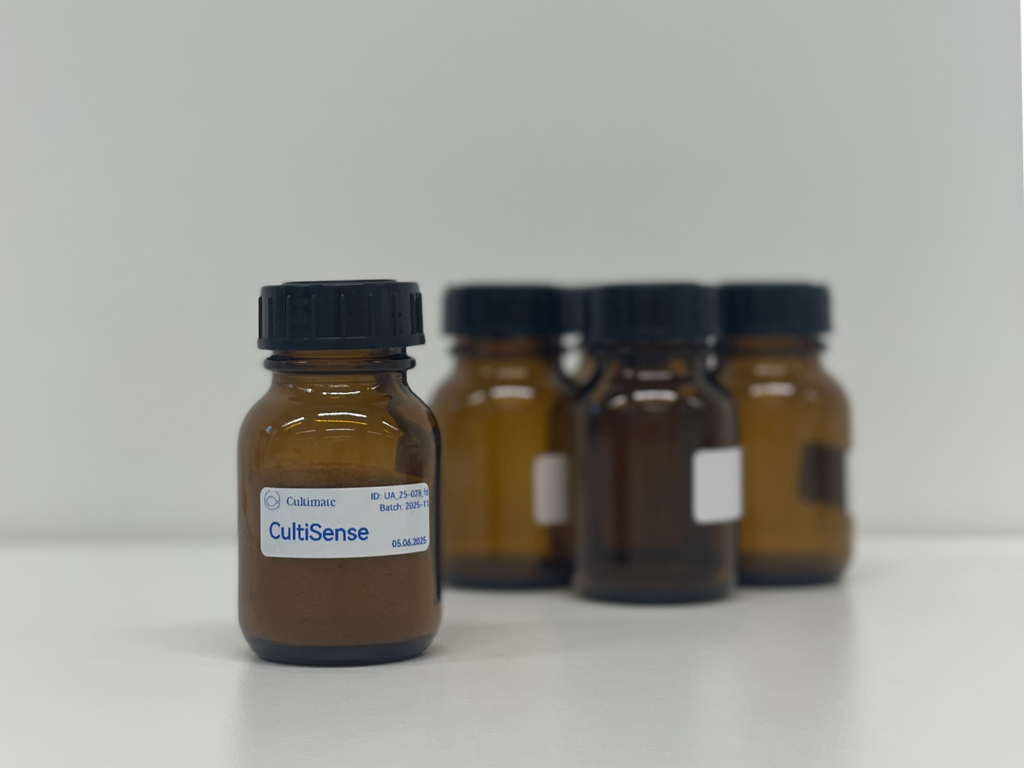
“Our team remains fully operational and committed to advancing CultiSense – our proprietary flavouring technology for the food industry – and to delivering on our commitments to our customers,” the company said.
“We are in active dialogue with investors and financial partners and are confident in navigating this transition successfully.”
A cultivated fat ingredient to boost the flavour of cultivated meat
Founded in 2022 by Eugenia Sagué, George Zheleznyi and Morales-Dalmau, Cultimate Foods is taking the fat route to cultivated meat.
The company’s flagship innovation, CultiSense, is a cell-cultured fat ingredient that delivers the savoury flavour and aroma of meat without animal components. It starts by selecting a small number of cells from cows and pigs, and developing immortalised cell lines for beef and pork fat, respectively.
These cells are grown in its proprietary culture media inside bioreactors, enabling proliferation in a controlled, scalable environment. Once harvested, the cells are processed into flavour ingredients for industrial use.
The ingredient is seen as a bio-based flavour precursor to enable complex meaty notes with just a single component, helping manufacturers reduce ingredient count, simplify formulations, lower greenhouse gas emissions, and stabilise their supply chains.
Focusing on cultivated fat instead of proteins is seen as a much more viable way to bring affordable cultivated meat to market in the near term. The fat can be mixed with plant-based ingredients to create hybrid meat products, an approach adopted by leading players such as Mission Barns, Mosa Meat, and Hoxton Farms.
“Fat is the primary driver of flavour in meat, influencing taste, aroma, and mouthfeel. Of the main components of meat – muscle, fat, and connective tissue – fat has the most significant culinary impact,” Maarten Bosch, CEO of Dutch cultivated beef producer Mosa Meat, told Green Queen last year.
Funding woes fuel closures and pivots in cultivated meat space
Cultimate Foods, which has a staff of 21 (according to its website), had raised €2.3M in a seed investment round in 2024 to scale up production and expand commercial operations for CultiSense.
And last year, it was awarded funding from the European Regional Development Fund (ERDF) and the state of Lower Saxony for a project to establish a scalable and robust production platform for cultivated fat.
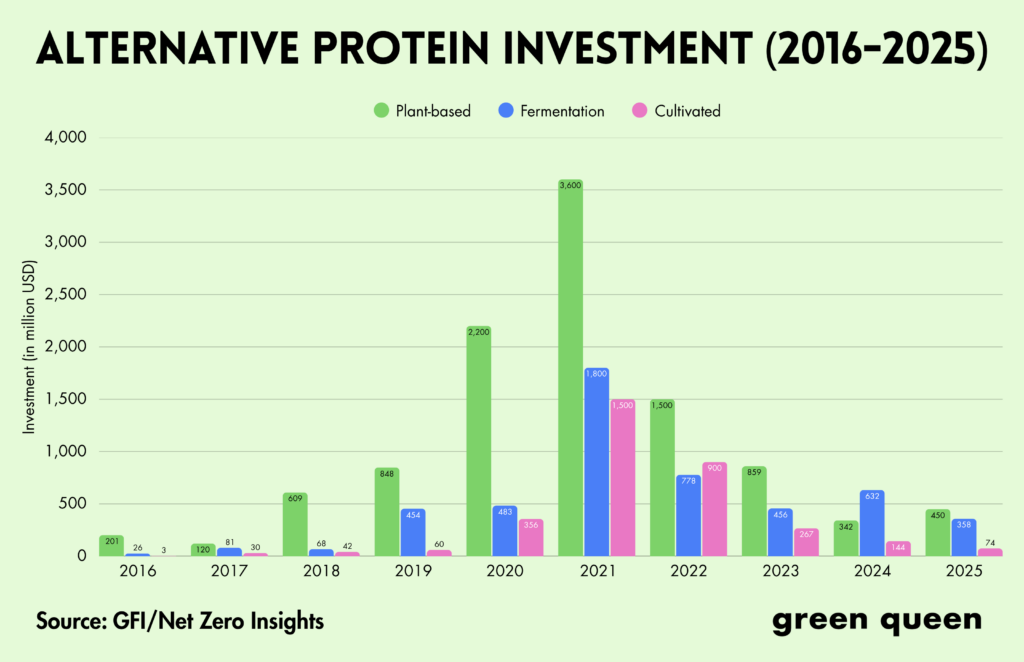
But its restructuring reflects the financial realities of the cultivated meat space. Last year, startups in this segment raised only $74M, nearly half of the funding total from the previous year, and 20 times less than the peak investment levels seen in 2021.
These struggles have proven to be the death knell for several firms in the industry, including Believer Meats (which had secured both FDA and USDA approval to sell cultivated chicken in the US), Meatable, and fellow cultivated fat producer Upstream Foods.
Meanwhile, Uncommon Bio sold off its cultivated meat business and pivoted to theapeutics instead; CellRev, a bioprocessor of cell culture technologies for applications including meat, ceased trading; and cultivated fish startup Avant shuttered its research arm in Singapore (it maintains a headquarters in Hong Kong).
Even Upside Foods, the best-funded company in the space, branched out with a new division, Lucius Labs, targeting the life sciences sector