

Danish Startup Takes Over Orkla Factory to Scale Up Lacto-Fermented Plant-Based Ingredients

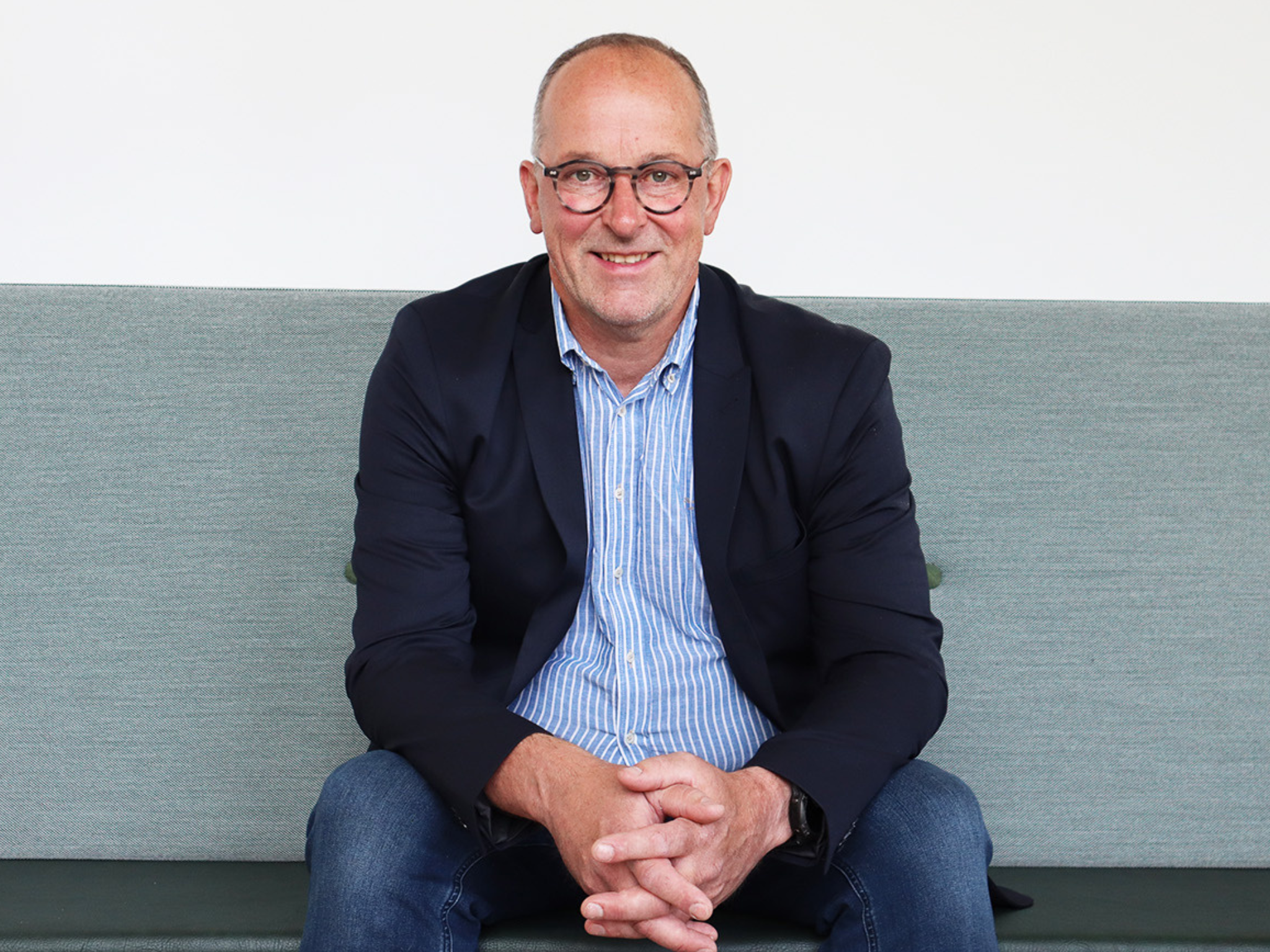
Danish food tech startup Ferm Food has acquired Orkla’s former facility to expand production of its fermented plant-based ingredients, like fava beans and rapeseed cake.
Using lacto-fermentation to transform common plant-based ingredients into nutritional and functional boosters, Denmark’s Ferm Food has taken a major step to scale up production.
The startup has purchased Orkla’s former manufacturing facility in Skovlund, Denmark, which the Norwegian conglomerate produced pasta in, but decided to close late last year.
The takeover is set for April 1, when Ferm Food will begin churning out ingredients like fermented oats, rye, fava beans and rapeseed cake at the site, with an output of nearly 20,000 tonnes at full capacity.
“We expect production to start shortly after we take over the facility to supply our current customers,” Ferm Food founder and CEO Jens Legarth tells Green Queen.
Fermentation tech fit for nearly every raw material or byproduct
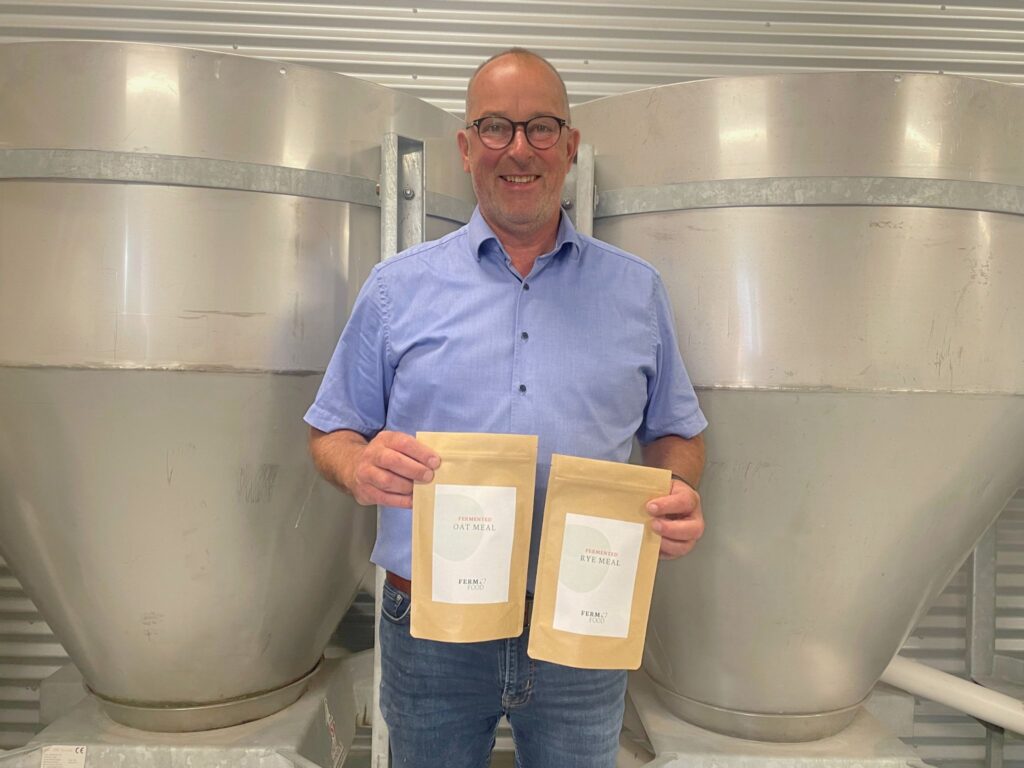
Ferm Food employs fermentation to turn plant-based crops and byproducts into natural binders, texturisers, shelf-life extenders, and protein and fibre sources for use in a wide range of applications.
“We use solid-state fermentation, which is a drier fermentation process compared to liquid fermentation that uses less water and requires less energy,” says Legarth.
“A mix of lactic acid bacteria converts carbohydrates. The process increases the digestibility of protein and fibres while increasing access to vitamins and minerals. The process also preserves and reduces anti-nutritional factors such as lectins, vicine, and bitter taste,” he adds.
One of the startup’s flagship ingredients is fermented rapeseed cake, a byproduct of canola oil production that contains 28-30% protein with a strong amino acid profile. It can be used in bread, cakes, pâté, sausages, and other plant-based products, and received novel food approval in the EU last year.
“The technology can be used on almost every byproduct or raw material thinkable,” says Legarth. “We are already selling fermented ingredients, and our fermentation process is authorised for food processing – the rapeseed cake was merely a matter of novel food approval.”
Ferm Food’s fermented fava bean ingredient performs a similar function in plant-based foods. The rye and oats, meanwhile, can be used to replace meat in formats like vegan or blended mince, meatballs and burgers, thanks to their unique binding abilities and their rich concentration of fibre and various micronutrients.
Ferm Food’s ingredients already powering a host of products
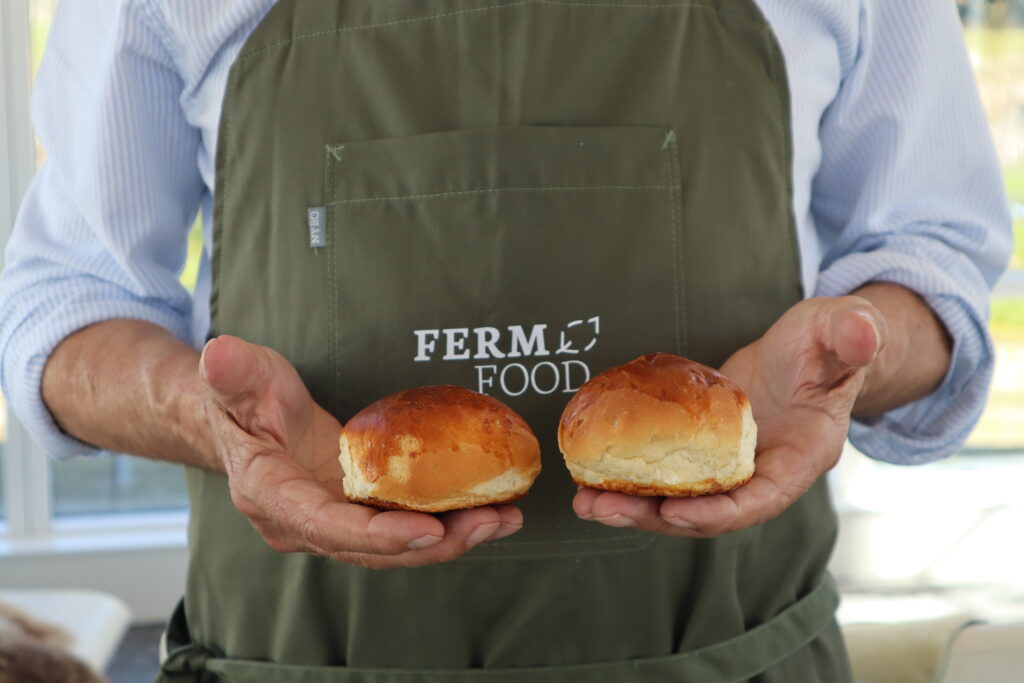
The startup’s fermented ingredients – available in whole, cut or flour formats – are already being used in retail products and foodservice applications in Denmark, including salads, ready-to-eat legumes, breads, plant-based meat, and blended meat.
Among its customers are food manufacturer Dava Foods, wholesale bakery Vadehavsbageriet, and family farm Gunnarshög Gaard (which leverages the rapeseed cake). Others remain undisclosed, but are “producers of plant-based foods, meat producers, and market-leading industrial bakers”, according to Legarth.
Ferm Food has previously partnered with Orkla itself to produce fermented rye at the Skovlund factory, in a bid to increase consumer adoption of plant-based foods. “With the Skovlund site, we are scaling up to supply fermentation-based ingredients to many more manufacturers and categories,” says Legarth.
“We produce at our existing pilot facility in Bække, Denmark, where our headquarters is currently located. The cumulative capacity depends very much on the product – ready-to-serve fermented legumes in 250g bags, or fermented legume flour in big bags (1000 kg),” he adds.
Ferm Food is owned by Fermentationexperts, with Nordic Plant Protein joining as a shareholder in 2024. “So far, we’ve managed to finance our growth through our shareholders,” the CEO says when asked about the company’s fundraising plans.
Aside from Denmark, Fermentationexperts operates facilities in the US, Malaysia and Ukraine, too. “Our fermentation technology makes it possible to use fermentation in everyday foods. It offers manufacturers a more natural ingredient solution with functionality, and a way for consumers to benefit from fermentation in mainstream products,” says Legarth.