

Döhler Snaps Up British Cocoa-Free Chocolate Startup Nukoko

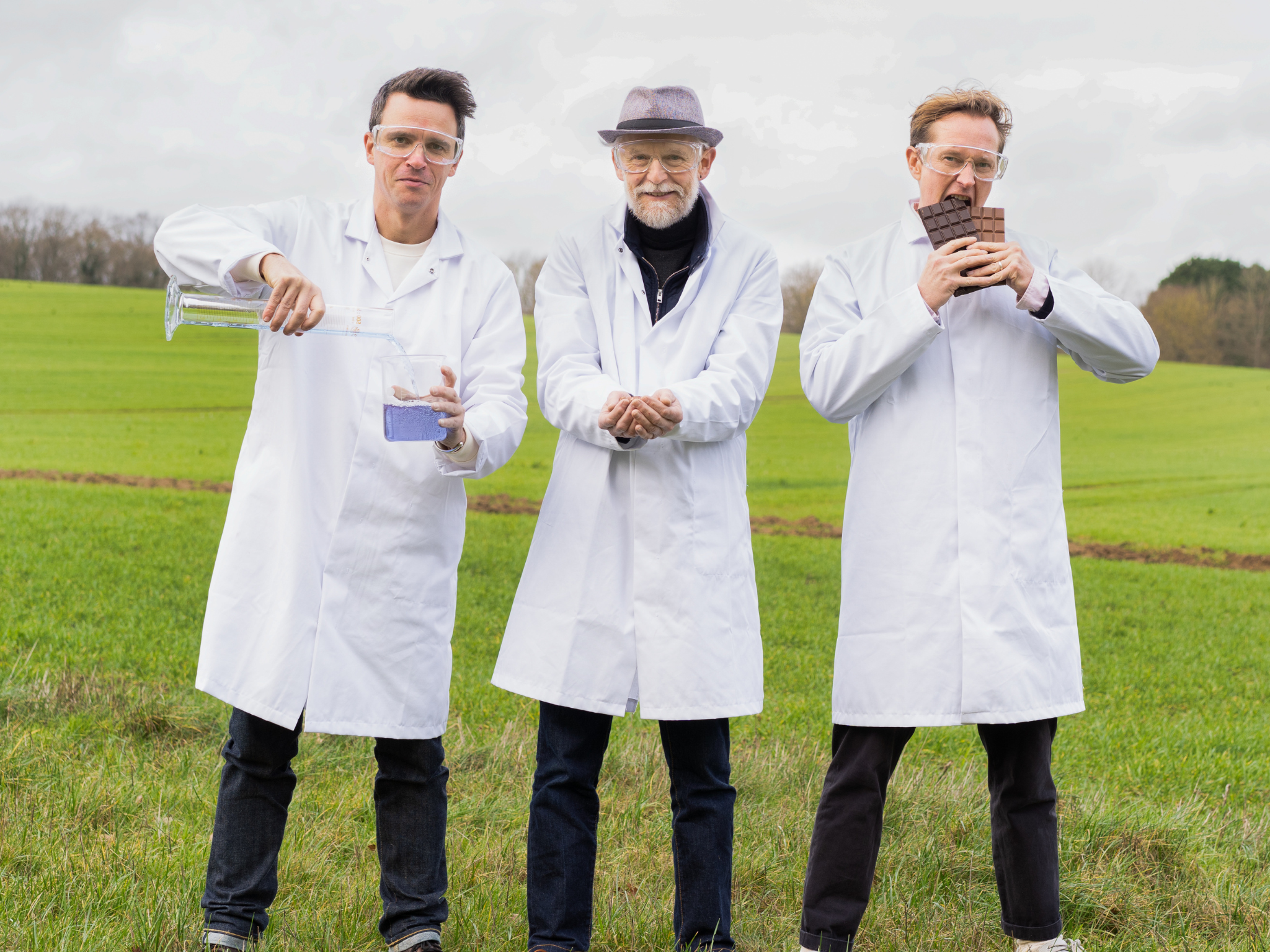
German manufacturing giant Döhler Group has acquired Nukoko, a UK startup producing cocoa-free chocolate from fava beans.
UK food tech startup Nukoko, which is aiming to transform the meaning of “bean to bar” chocolate with its cocoa-free solution, has been acquired by Döhler Group.
The deal comes two years after German manufacturing specialist invested in the startup, and expands its chocolate alternative capabilities, combining Nukoko’s fava-bean-based approach with an advanced biotech platform to address the supply chain and cost volatilities plaguing the world’s favourite sweet treat.
Nukoko will complement Döhler’s wider portfolio of plant-based ingredients and integrated solutions, with customers benefitting from the former’s technology and the latter’s extensive flavour and ingredients expertise. The company now plans to make samples available this August.
“Nukoko’s technology now has the platform to be delivered at scale around the world,” said Nukoko co-founders Kit Tomlinson and Ross Newton. “It is incredibly exciting to join the Döhler team. With its global reach and trusted industry expertise, we can create unique solutions that do not currently exist on the market.”
Why Nukoko is using fava beans to make chocolate alternatives
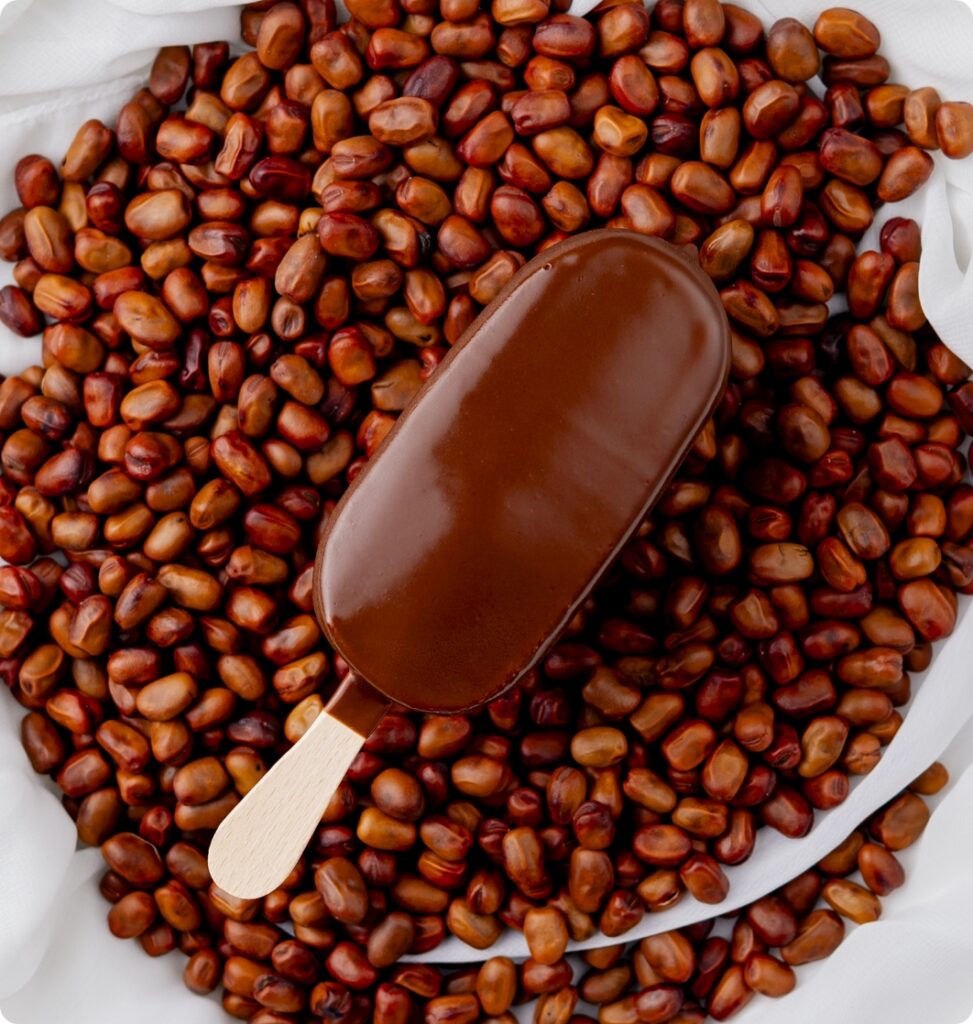
Fava (or broad) beans form the base of a host of staple dishes across the world, from falafels and fūl in Egypt to pachamanca in Peru and doubanjiang in China.
They are significantly higher in fibre than the average protein source consumed by Europeans today, and this fibre-rich content is linked to lower risks of heart disease and type 2 diabetes. Research shows that fava beans could deliver €42M in annual healthcare cost savings, as well as help boost farmer incomes by up to 20% in Europe.
Nukoko is making use of these beans to produce cocoa-free chocolate, leveraging the same fermentation and processing techniques as the conventional chocolate industry to produce a climate-friendly and -resilient alternative.
Founded in 2022 by Newton, Tomlinson and David Salt, the startup puts the fava beans through “unique biotransformation” and controlled fermentation processes, before they’re dried, roasted and ground into a cocoa powder that can be used in all sorts of chocolate formulations.
It chose to use fava beans since they’re a hardy cover crop that’s grown domestically in the UK and the EU, can fix nitrogen, promote soil health, and reduce the need for fertilisers.
Its chocolate alternative is said to generate 90% fewer emissions, while also benefitting the human body through its high protein and fibre qualities, alongside 40% lower sugar content.
But the company claims this reduction in sugar has no effect on the flavour – and this could be thanks to the fact that fava beans, just like cocoa, contain a seed storage protein called vicilin. When this breaks down and the peptides are roasted, you’re left with chocolatey flavours.
Döhler becomes latest industry giant to dig deep into cocoa-free chocolate
“By bringing Nukoko into the Döhler Group, we are addressing one of the category’s biggest challenges: delivering great-tasting, scalable cocoa-free alternatives that help reduce exposure to volatile cocoa markets,” said Kerstin Bergander-Kleinert, head of Döhler’s cereal, nuts and pulses division.
That volatility has been brought on by the climate crisis. In 2024, global cocoa stocks fell to a decade low, and the ingredient’s prices hit an all-time high. In the US, a tonne of cocoa was going for a record $12,565 that December. And scientists say a third of all cocoa trees could die out by 2050.
Chocolate itself is one of the primary food-related drivers of climate change, emitting more greenhouse gases than any other food except beef. On average, it can take as much as 1,700 litres of water to produce a single bar of chocolate. And the industry is notorious for causing rampant tropical deforestation, making it the subject of anti-deforestation legislation in the EU and the UK.
It’s why chocolate alternatives are among food tech’s hottest commodities today. Ask Big Chocolate itself. Nestlé, Barry Callebaut, Cargill, Puratos, Mondelēz International, and Lindt have all invested in or worked with startups innovating with cocoa-free or cell-based chocolate, which include Voyage Foods, Planet A Foods, Prefer, Win-Win, Foreverland, California Cultured, Kokomodo, Celleste Bio, and more.
Nukoko, which operates purely as a B2B player, currently has a pilot facility where it works in 500kg batches. In 2024, it raised €1.3M in seed funding, before Döhler became an investor and began helping it with a transition to 10,000-litre fermentation batches.
Speaking to Green Queen at the time, Newton said the company would supply milk and vegan milk chocolate alternatives, with the former containing 23% fava bean powder, shea butter, sugar, and sunflower lecithin. Its website also teases dark chocolate and cocoa powder formats.
Döhler noted that its innovation approach helps companies move from early-stage ideas to market-ready concepts with greater speed and confidence, and it will work with customers to develop application-specific solutions with Nukoko’s chocolates, combining “great taste, supply chain resilience, formulation flexibility and commercial scalability”.
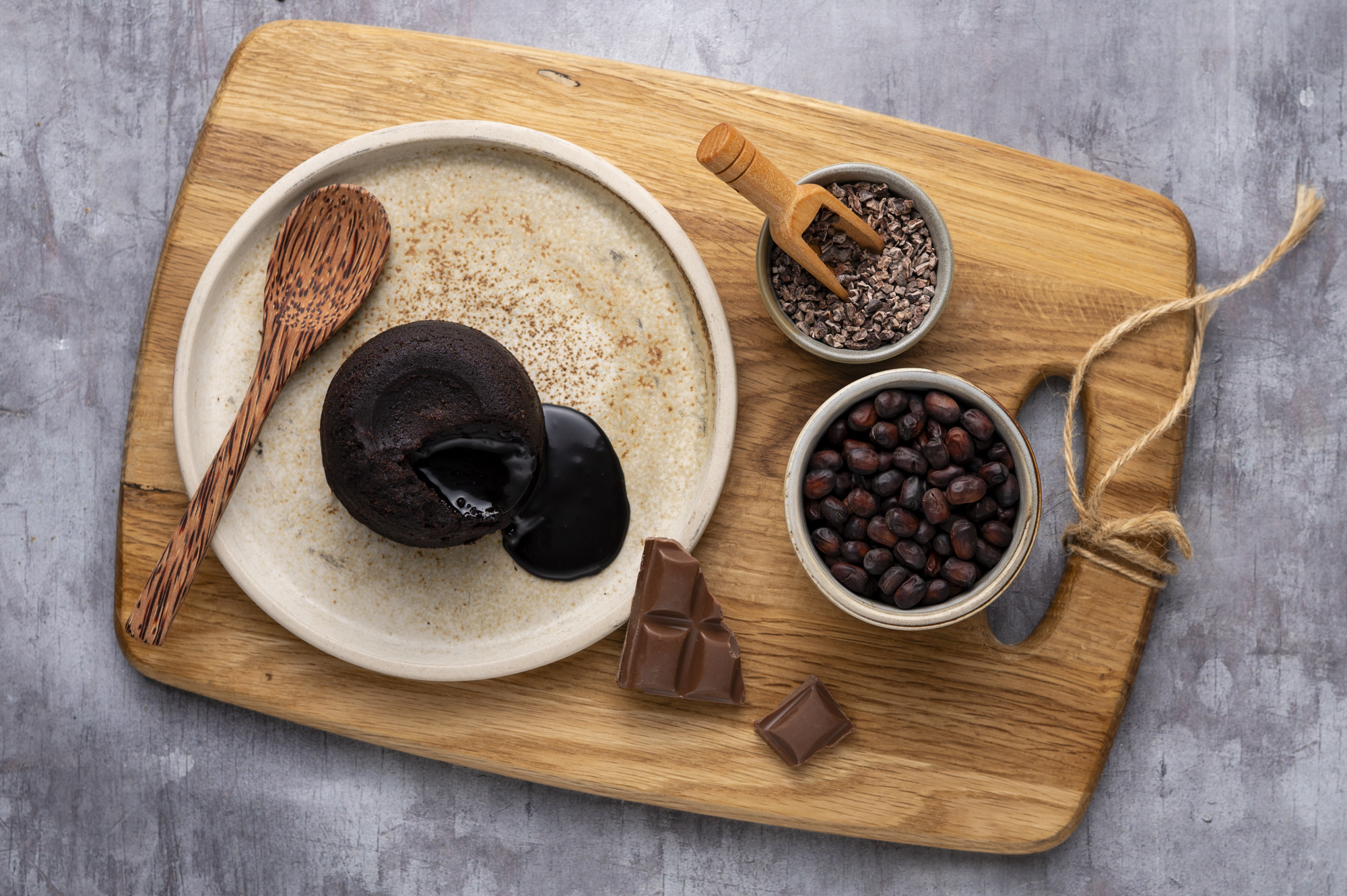
Some of the applications set to be sampled this year include confectionery products, baked goods, cereal-based breakfast and snack products, ice creams, coatings, and fillings.
“Supported by Döhler’s global ingredient, R&D and application expertise, we can help customers create resilient, future-oriented product concepts without compromising sensory experience,” Bergander-Kleinert noted.