

Future Food Quick Bites: Silk Protein, Pee for the Planet & The Coffee Bean

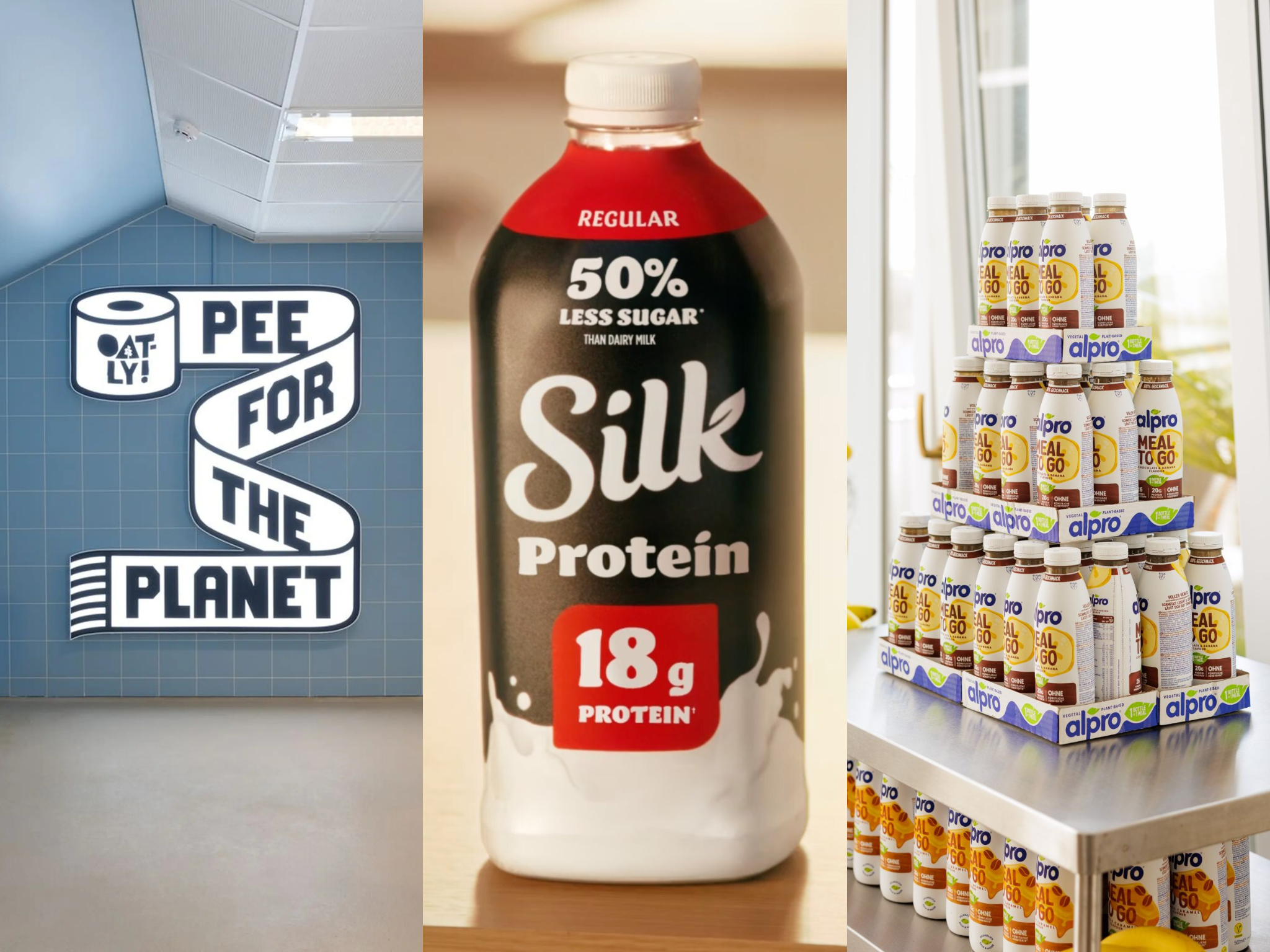
Our weekly column rounds up the latest sustainable food innovation news. This week, Future Food Quick Bites covers Silk’s ultra-high-protein milk, a urine-to-fertiliser project featuring Oatly, and The Coffee Bean & Tea Leaf’s non-dairy milk decision.
New products and launches
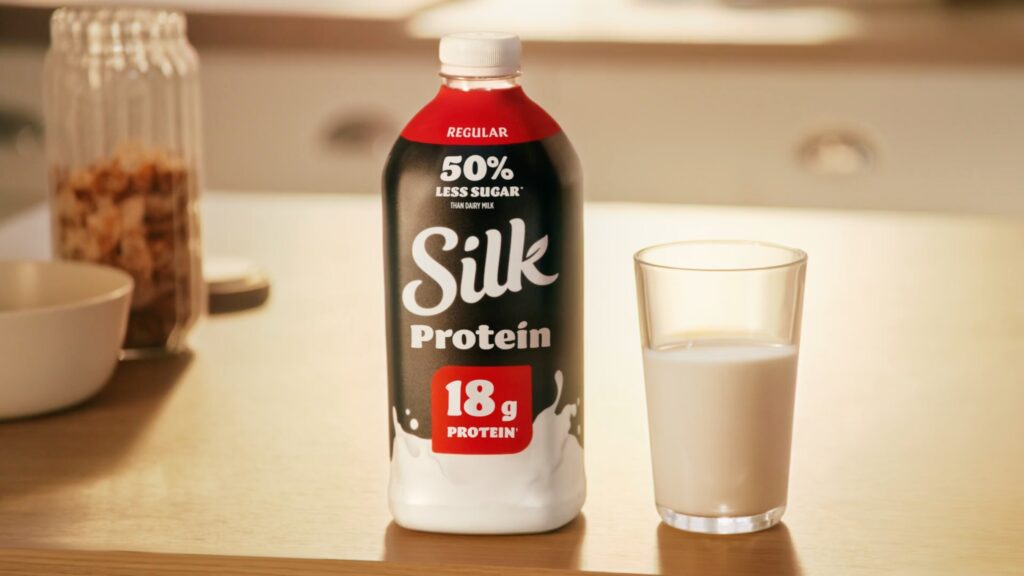
Danone-owned dairy-free brand Silk has released a protein soy milk in Canada, featuring a whopping 18g of complete protein per 250ml serving – that equates to 7.2g per 100ml, more than double that of cow’s milk, and higher than the protein milk it sells in the US. It’s available at major retailers in 1.42-litre bottles in plain and chocolate flavours.
US plant-based meat maker Daring has launched the diced and shredded versions of its microwaveable vegan chicken at Sprouts Farmers Market.
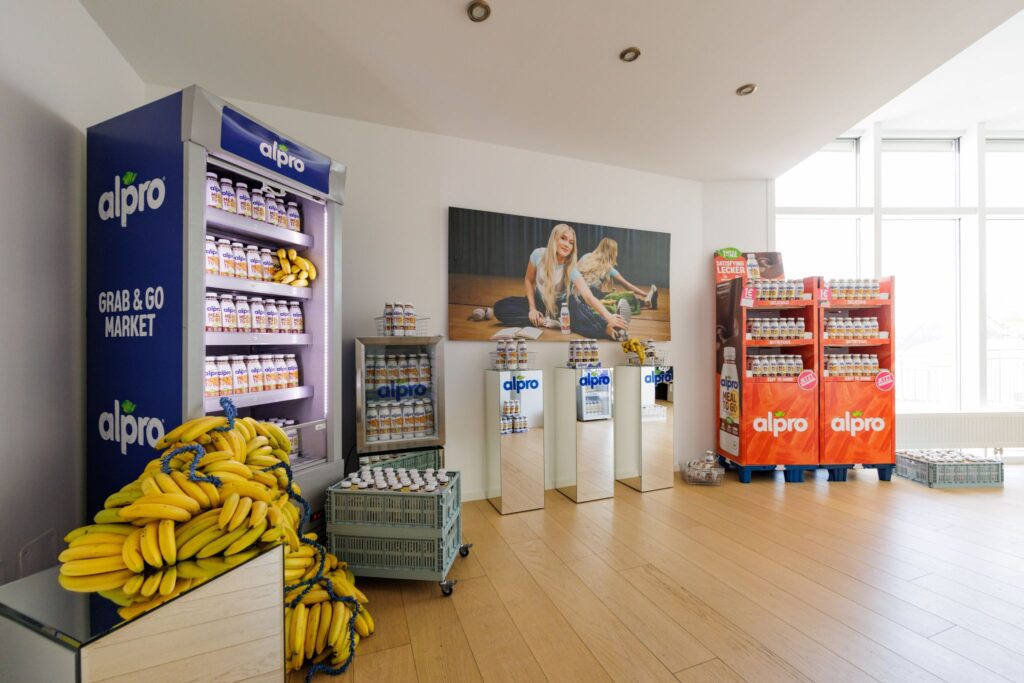
In Europe, Danone‘s other dairy-free leader, Alpro, opened a pop-up Grab & Go market at the Vienna office of public relations agency NetworkPR to promote its new protein-packed Meal to Go range.
Food giant ADM has unveiled eight new plant-based protein ingredients as part of its ProFam and Arcon lines in Europe and North America, which include soy protein isolates, concentrates and pea-based ingredients for use in beverages, dairy alternatives, meat products, baked goods, and other plant-based foods.
Californian flavour giant T Hasegawa has introduced Hasemilk, a powdered dairy-free flavour ingredient that companies can use to replicate the taste and mouthfeel of cow’s milk.
And production house OoS Pictures has released Climate Extremes: Agriculture, a new documentary highlighting the link between the food system and climate change.
Company and finance updates
Swedish national research council Formas has teamed up with Oatly, Malmö FF, Sanitation 360, the Swedish University of Agricultural Sciences, VA SYD and the City of Mälmo to test whether human urine can be collected, treated and reused as a safe and scalable alternative to fossil-based fertilisers.
Biospringer, a subsidiary of French yeast manufacturer Lesaffre, has acquired select IP and technology from bacteria fermentation specialist PTX Foods‘s Bioenhance line.
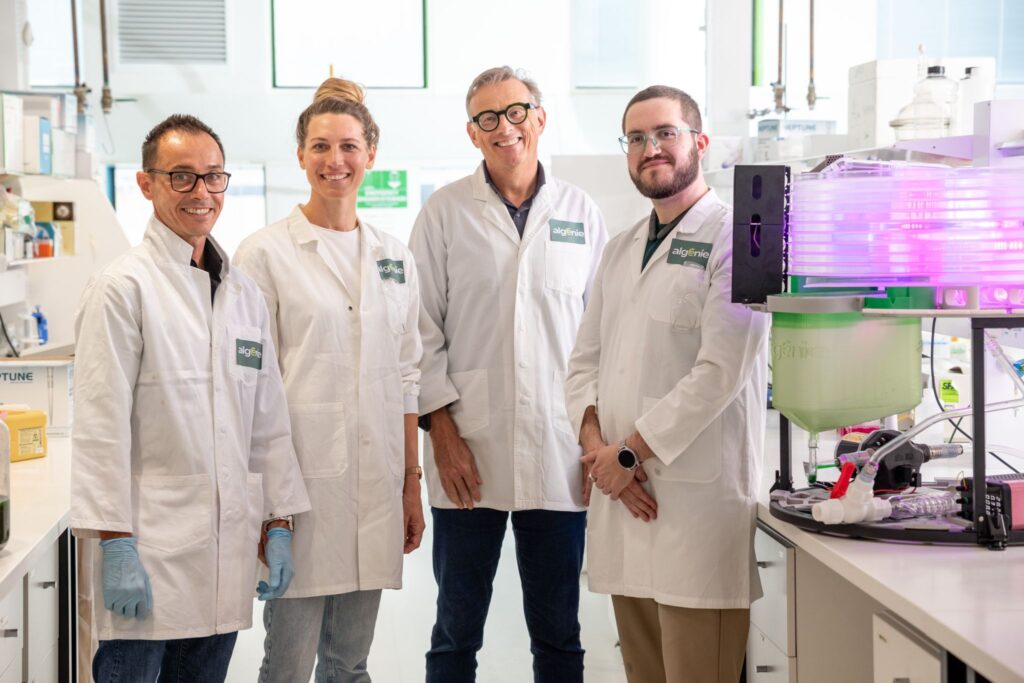
Australian startup Algenie, which uses algae to produce sustainable fuels, plastics and feed, has been awarded A$1.4M ($1M) by the federal government’s Industry Growth Program to take its photobioreactors from lab units to industrial-scale proof of concept.
Dutch fermentation firm NoPalm Ingredients has won the 2026 Feike Sijbesma Sustainable Innovation Award in the late-stage category at F&A Next, receiving a €12,500 prize for its palm oil alternatives.
Swedish biotech startup Curve has teamed up with Digital Tvilling, an AI and digital twin specialist, to develop an integrated biomanufacturing platform to lower the cost of precision-fermented proteins, ingredients, and additives.
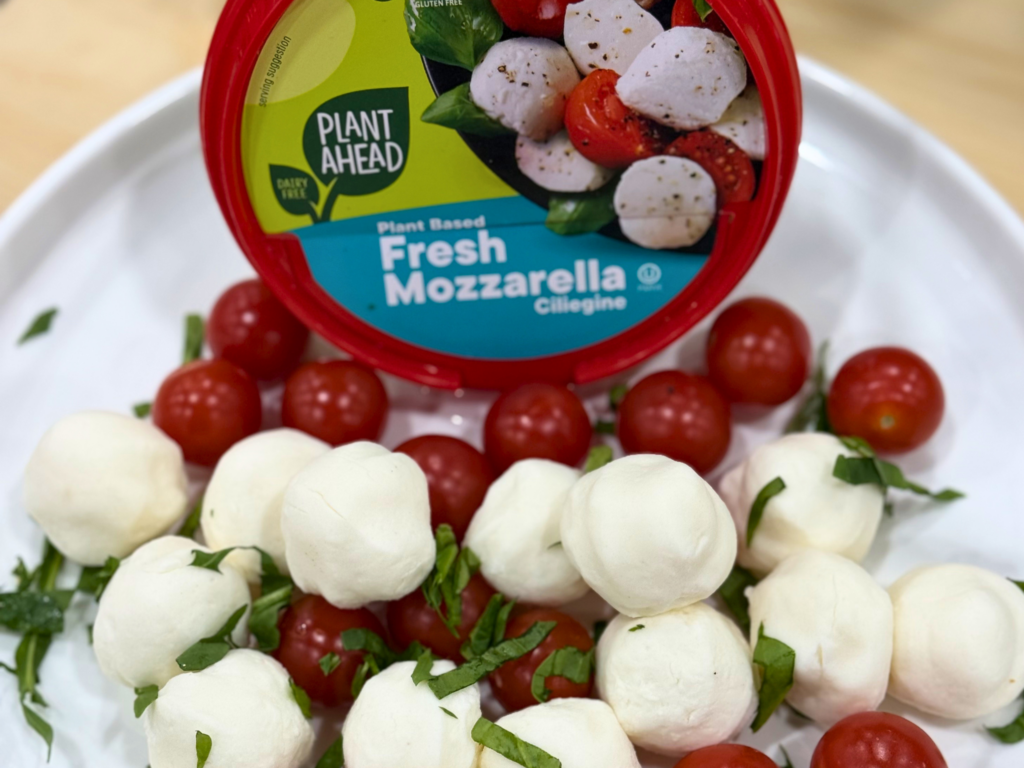
Meanwhile, vegan mozzarella maker Plant Ahead, a subsidiary of Canada’s Wein Foods, has been named the Official Dairy-Free Cheese of the US Pizza Team.
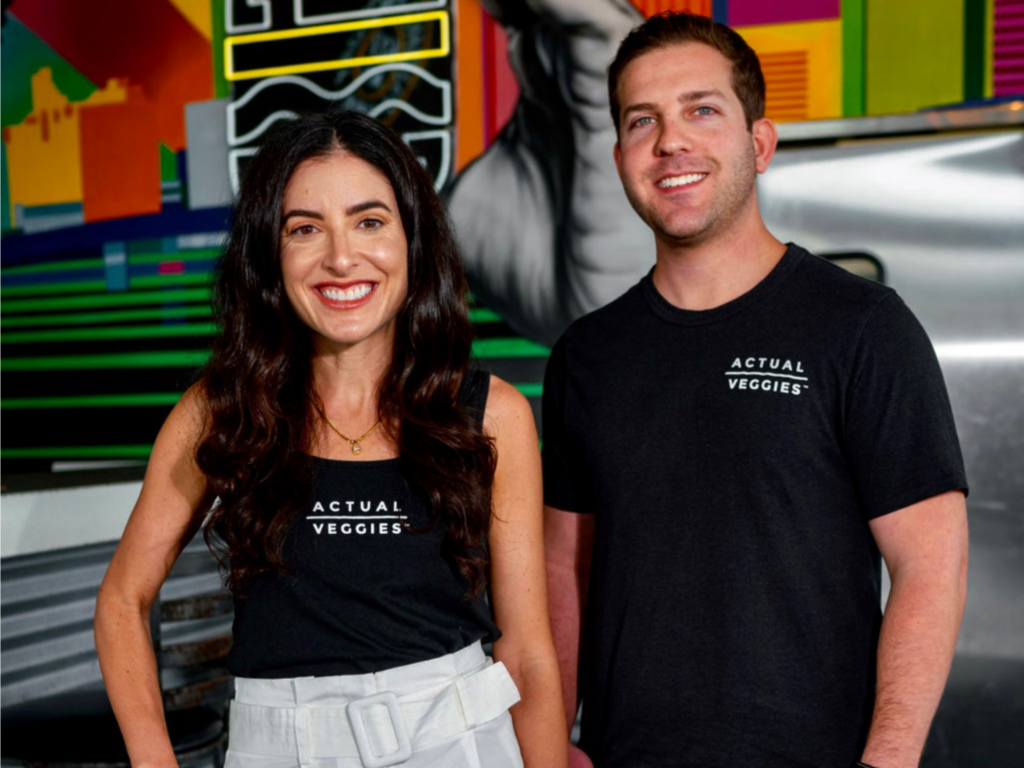
US whole-food-forward startup Actual Veggies hit $20M in revenue in 2025, and forecasts a $30M total this year. Sales of its flagship black bean burger are up by 15% year-on-year, while its mushroom-quinoa patties have enjoyed a 53% spike.
Weeks after securing $6M in funding for its yeast-based emulsifiers, Swiss startup Cosaic has appointed former ADM, Novozymes and Solar Foods executive Juan Benitéz-García as its new chief commercial officer. He is taking over from Lucie Rein.
Sebastien Louvion, chief regulatory officer at precision-fermented dairy firm Standing Ovation, has been re-elected as president of trade association Food Fermentation Europe.
Research and policy developments
As it awaits regulatory approval in Singapore, Dutch cultivated meat pioneer Mosa Meat has joined the APAC Society for Cellular Agriculture.
Speaking of non-dairy wins, The Coffee Bean & Tea Leaf has dropped the surcharge for plant-based milk in the US, following in the footsteps of other major café chains.
Finally, in Belgium, the student council of the Vrije Universiteit Brussel has voted to make on-campus menus 80% plant-based by 2032, with the aim of growing plant-based meal sales by 15% annually.
Check out last week’s Future Food Quick Bites.