

Climate-Smart Food: Can Kenya’s Forgotten Indigenous Crops Save The Planet?

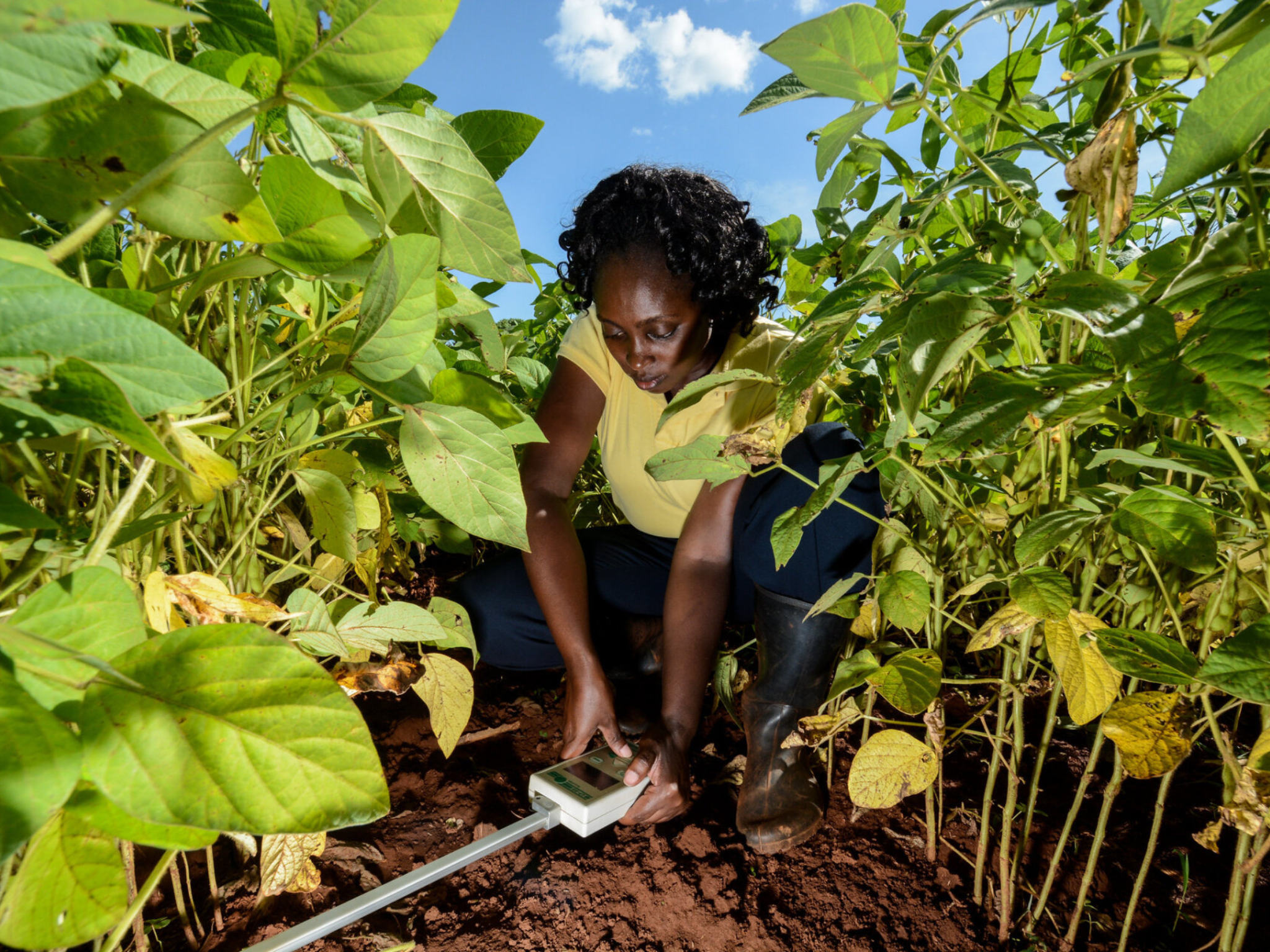
Kenya must leverage Indigenous crops, food waste innovation, and a shift to plant-rich diets to transform its vulnerable agricultural sector into a scalable blueprint for global climate resilience and public health.
Kenya is already feeling the sting of the climate crisis. Prolonged droughts, erratic rainfall, and unpredictable seasons are hurting farmers, while high food prices continue to strain households. In some regions, crop failures have become more frequent, and communities are forced to make hard choices between buying food and paying school fees.
Agriculture, which employs about 70% of the rural population, is among the sectors most vulnerable to climate shocks. Yet food systems are not only victims of climate change; they are also contributors to it. From methane emissions in landfills to greenhouse gases from livestock and fertilisers, what Kenyans grow, eat, and waste affects both people and the planet.
While the focus here is on Kenya, its strategy of leveraging Indigenous crops, fighting food waste, and shifting to healthier, plant-rich diets offers a clear, scalable blueprint for other climate-vulnerable nations globally.
Linking food and climate
For decades, Kenya’s climate agenda has focused mainly on forests, renewable energy, and wildlife. The link between food systems and climate has often been left in the background, yet evidence shows it could be one of the most powerful levers for achieving both adaptation and mitigation goals.
The World Resources Institute (WRI) estimates that agriculture accounts for up to 60% of Kenya’s total greenhouse gas emissions. Much of this figure comes from fertiliser use and livestock production. Food waste is another major issue: about 40% of food in Kenya is lost or wasted before it reaches the table.
Dr Robert Mbeche, director of the food programme at WRI Africa, says this waste reflects both inefficiency and missed opportunity: “When food is wasted, the energy, land, and water used to produce it are also wasted. It is also a social issue. Food waste happens even as many Kenyans face hunger and malnutrition. Climate-smart solutions like regenerative farming, agroecology, and better storage can address all these problems at once.”
Rediscovering Indigenous resilience
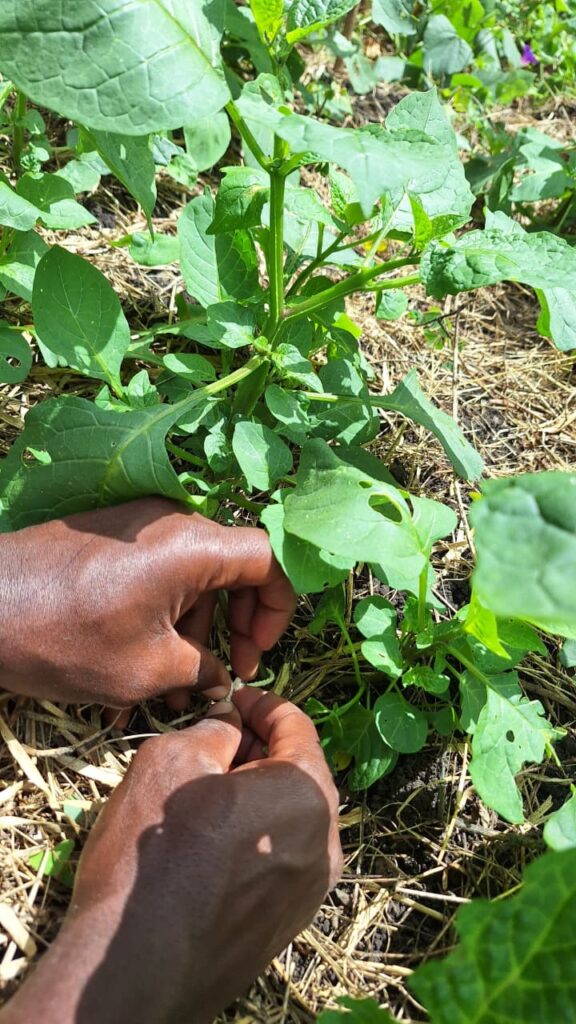
Kenya’s Indigenous crops offer a ready-made foundation for climate-smart food systems. Traditional staples like millet, sorghum, cowpeas, green grams, and African leafy vegetables are naturally adapted to dry conditions, require fewer inputs, and contribute to soil health.
In counties such as Kitui, Makueni, and Turkana, communities are rediscovering crops once dismissed as “poor man’s food”. These plants are now central to resilience-building programmes supported by local cooperatives and women’s groups.
Nutritionist and food justice advocate Crispus Kinyua from the Institute for Food Justice and Development says Indigenous foods are key to both nutrition and sustainability: “When we eat kunde, managu, or terere [African leafy vegetables], we are not just filling our stomachs. We are investing in crops that survive drought, protect biodiversity, and keep smallholder farmers in business.”
He adds that modern diets, heavy on refined flours and processed foods, have distanced people from healthier, locally available options. “Our Indigenous foods carry the wisdom of balance and survival,” he says. “When we return to millet, sorghum, or amaranth, we strengthen both our bodies and our connection to the land.”
Health, nutrition, and the climate connection
The National Institutes of Health reports that 51% of Kenyan adults suffer from one or more non-communicable diseases (NCDs) such as diabetes, hypertension, and cardiovascular illnesses. These conditions are directly linked to diets high in red meat and processed foods.
Nutritionists argue that promoting plant-rich diets can improve health outcomes while reducing emissions. This dual benefit aligns with the Ministry of Health’s efforts to integrate nutrition and climate goals into policy. School feeding programmes that emphasise Indigenous foods, such as sweet potatoes and cowpeas, are already shaping healthier eating habits among children.
Innovation tackling food waste
Kenya is seeing creative solutions to reduce food waste, too, which contributes to methane emissions and lost farmer income. In Nairobi, Farm to Feed Kenya uses a digital platform to link smallholder farmers with buyers for surplus or imperfect produce. The initiative has rescued over 400 tonnes of vegetables that would have otherwise gone to waste while supplying nutritious food to schools and hospitals.
Technology plays a critical role in closing the gap between harvest and consumption. A lot of food never leaves the farm simply because the farmer cannot find a buyer in time. By connecting farmers to real-time demand, Farm to Feed Kenya reduces waste and increases incomes.
In Bungoma, Andrew Wekunda, founder of Andy’s Greens, is taking a similar approach. His network of small farmers grows drought-tolerant African vegetables and grains and sells them directly to urban markets through cold storage and digital coordination. “Our work shows that agriculture can be profitable, healthy, and sustainable at once,” he says. “We invest in local storage hubs so that produce reaches the table instead of rotting in the field.”
Meanwhile, county governments and local innovators are scaling technologies such as solar dryers, hermetic storage bags, and small-scale processing plants. These efforts are gaining traction in areas like Kirinyaga and Bungoma, where post-harvest losses once reached 30% for fruits and grains.
Farmers at the centre
Experts agree that farmers are the backbone of Kenya’s transition to climate-smart agriculture. Many are already experimenting with drought-tolerant crops, integrated pest management, and mixed systems that combine trees, crops, and livestock.
What is often missing, says Dr Mbeche, is consistent policy support: “Farmers innovate every day, but the systems that support them are fragmented. Kenya needs to reward practices that conserve water, build soil fertility, and protect biodiversity.”
Government initiatives such as the National Climate Change Action Plan and the 15 Billion Tree Campaign provide useful frameworks; however, what farmers need most is access to affordable credit, reliable climate data, and extension services to scale their innovations.
Youth inclusion is another crucial factor. Programmes like the AgriBiz Accelerator and the GIZ Agri Jobs 4 Youth Project have shown that with mentorship and financing, young people can lead in regenerative agriculture, hydroponics, and agri-technology. The challenge is to make farming appealing – not as a last resort, but as a career of choice.
When I spoke to Immaculate Adhiambo Awuor, founder of Mamas Gold, a youth-led enterprise in Kenya, she told me: “When I joined the GIZ Agri Jobs for youth programme, I was running Mamas Gold with passion, but without structure or confidence. I understood my product, but I did not understand the numbers.”
Through the programme, she gained financial discipline and, in her words, “the ability to translate an idea into a model that could actually sustain jobs”. Looking back, she added: “I see the impact of the business skills I gained. I see that we have the ability to expand, to employ, to mentor, and to multiply opportunity in a community that needs it.”
Her journey is a reminder that when youth-led enterprises are given the right support, they grow in ways that uplift entire communities.
Food systems and national policy
Kenya’s Vision 2030 identifies food security and environmental sustainability as pillars of national development. The government’s Climate Smart Agriculture Strategy and Agriculture Sector Transformation and Growth Strategy both aim to modernise food systems while cutting emissions.
However, implementation requires stronger alignment between counties, ministries, and research institutions such as KEFRI and KEMFRI. Partnerships with universities, the private sector, and community organisations can drive innovation and ensure that climate-smart agriculture benefits farmers at all scales.
A public health and climate imperative
Experts note that the shift towards climate-smart food systems is not simply about eliminating meat, but about moving decisively towards more balanced, plant-rich diets that are essential for keeping global warming within the 1.5°C threshold.
Making these diets affordable, accessible, and aspirational is key to long-term adoption and to achieving this climate target. Urban food markets, school programmes, and media campaigns can all help reshape perceptions about traditional foods.
Kenya’s Ministry of Health, in collaboration with the Ministry of Agriculture and the Ministry of Education, is already piloting nutrition-sensitive agriculture programmes. These link school feeding, extension services, and public health campaigns to promote sustainable diets and reduce non-communicable diseases.
Towards a climate-smart future
Kenya stands at a crossroads where agriculture, health, and climate intersect. A shift toward climate-smart food systems can cut emissions, create jobs, and make communities more resilient to shocks.
Further, it is an opportunity to redefine how food connects to wellbeing and national development. Food is deeply cultural and personal; it is also political. Every meal is a reflection of choices made on farms, markets, and policies.
The future of Kenya’s climate resilience lies not only in solar panels or electric buses, but in the humble sukuma wiki (collard greens) on our plates.