

No Veg On the Menu: Rethinking Lesotho’s Breakfast Culture in a Warming World

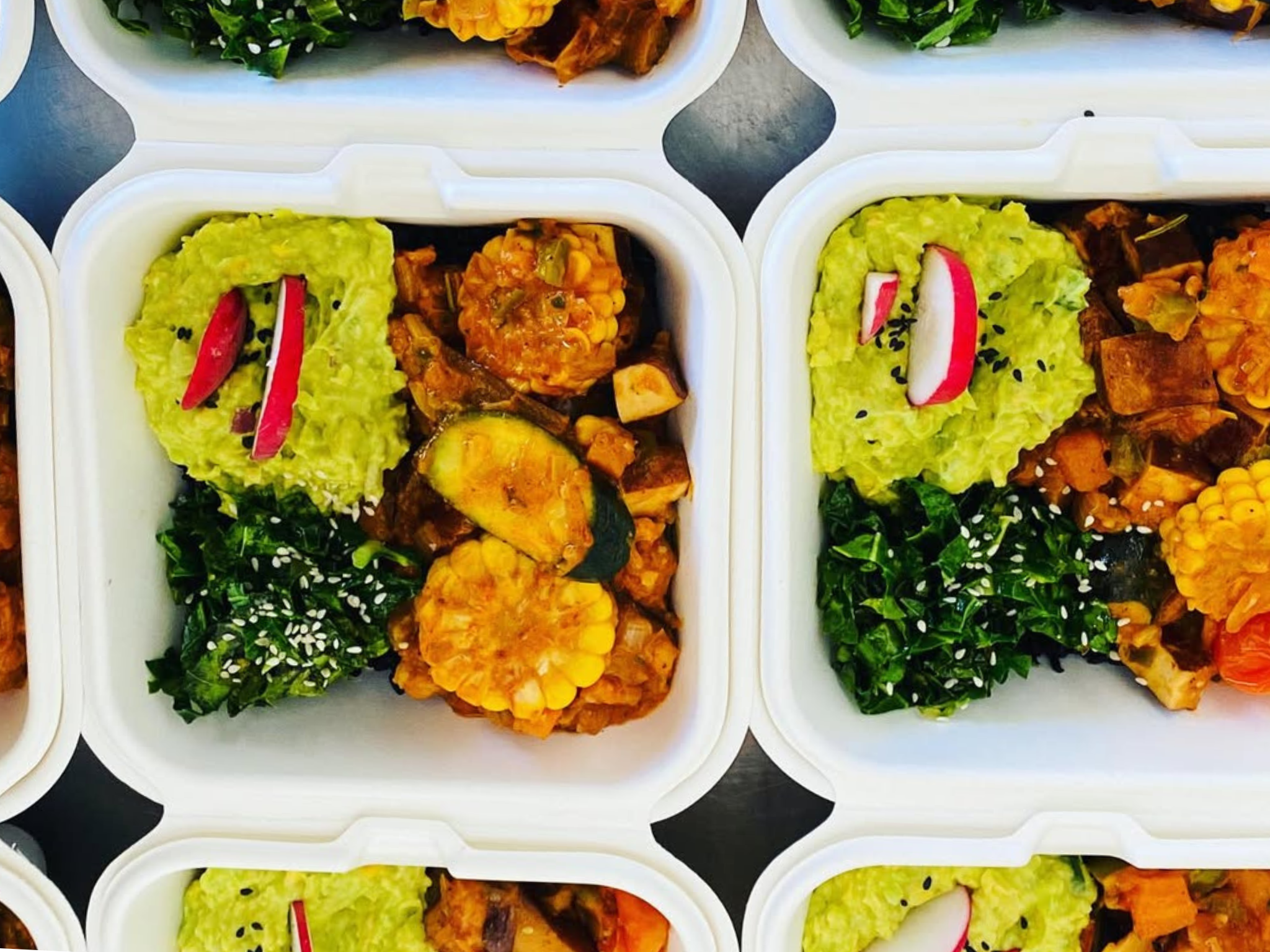
In a warming world, a cold colonial legacy persists on Lesotho’s breakfast plates.
Breakfast, as a post-waking meal, has long existed in human cultures across the globe, though arguably its modern commercial identity was powerfully shaped by the notorious inventor of corn flakes, John Harvey Kellogg, whose famous line “breakfast is the most important meal of the day” helped transform the morning meal into a global market.
In Lesotho, a nation of about two million people, this commercialised idea of breakfast has become deeply embedded, influencing what many households now consider a proper start to the day.
Colonialism is at the heart of breakfast consumption habits in Lesotho, particularly across the hospitality industry, including hotels, restaurants, and bed & breakfast guesthouses. The majority of hotels in the country were built in the 1950s during the British reign, and as such, Lesotho’s hospitality industry grew under British influence. This history still stands today, as evidenced in the type of food options on the majority of hotels’ menus, particularly the classic English breakfast.

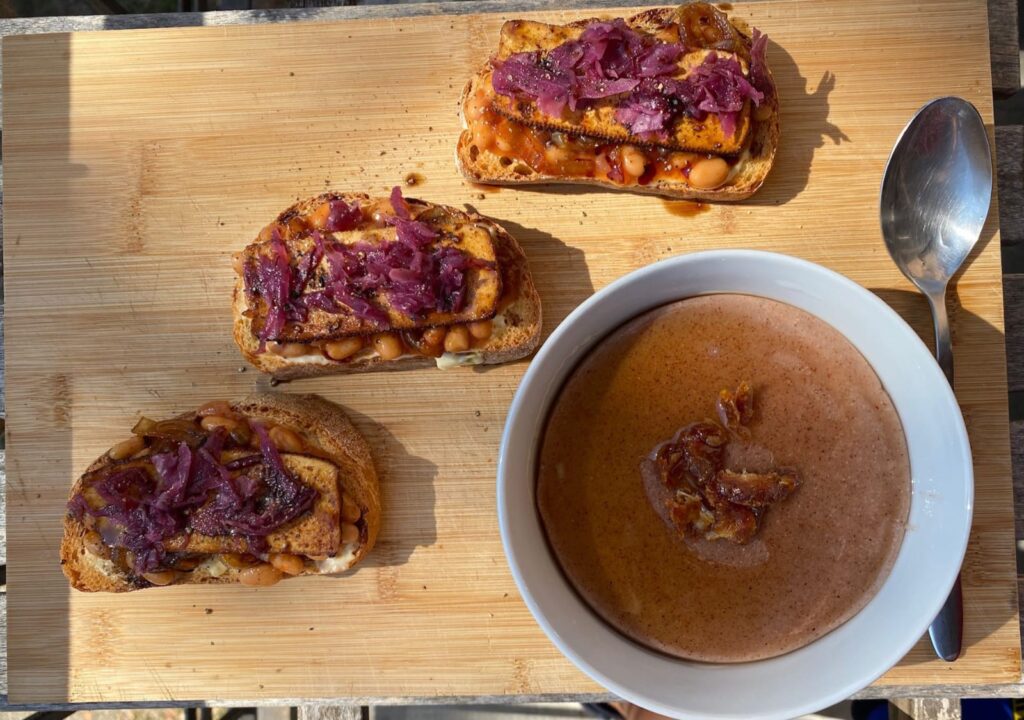
The classic English breakfast, which typically consists of bread, beans, eggs, sausages, cheese, and bacon, has stood the test of time despite Lesotho gaining independence in 1966. A rich, meat-heavy option originally marketed as a premium dish, it continues to shape the menus of hotels, lodges, and guest houses that still model their services on British hotel culture. Over time, it has become the default definition of what a “proper” breakfast should be in formal establishments.
The classic English breakfast comes with a significant climate toll. Animal husbandry is the backbone of the meat-heavy breakfast, and 1 kg of pork creates about 6.5 kgs of greenhouse gases, and eggs nearly 4 kgs. On the other hand, growing plant-based foods like beans and peas produces less than one kg of emissions.
In contrast, Lesotho’s traditional Basotho* breakfasts, like lesheleshele (soft sorghum porridge), motoho (fermented porridge), moroho (fried mixture of dark leafy wild plants), and nyekoe (bean stew, sorghum and pumpkin seasoned with oil, salt and pepper), have a much lighter environmental footprint, relying on locally grown crops that require minimal processing.
In a country grappling with the effects of global warming on its crops, this heavy meat plate is an unnecessary climate liability.
“We have Western breakfast selections with the purpose of presenting what our tourists are familiar with. Which normally makes business move faster for most eateries and guest accommodations.”
So says Mamothe Mohapi, the chairman of Lesotho Hotels and Hospitality Association, a collective of more than 50 accommodation and dining establishments in the country.
“The association does not necessarily have a suggestive power on what goes on the menu. Instead, there is a lot of competitiveness as the initial mandate of the association is a matter of market linkage.”
Lesotho Tourism Board’s public relations officer, Molapo Matela, agrees. According to him, the Ministry of Tourism, Environment and Culture currently has little influence on what F&B operators put on their menu.
Additionally, she says that the majority of chefs and restaurateurs in Lesotho choose Western dishes for convenience and to remain competitive in the market, suggesting that consumers prefer such foods.
Mohapi says location is another factor in whether an establishment serves a traditional breakfast or an International dish. For most city-based tourists, an English breakfast is the predominant choice for both locals and tourists alike.
“The adoption of traditional dishes is mostly done by accommodation establishments that are in rural areas. Unfortunately, most establishments are in Maseru, the capital city.
Maseru has 10 hotels (two of which are five-star establishments) and over 200 Bed & Breakfast accommodations and restaurants.
National tour guide Rethabile Morake says the majority of tourists coming into the country prefer waking up in hotels rather than choosing homestays: “Environmentally conscious tourists make up 40% of my client list, and these are the people who prefer to have a local breakfast.”
According to him, tourists who enjoy waking up in the luxury of hotels miss the opportunity to have local breakfasts; very few establishments have traditional options such as ‘motoho’, a fermented mixture of sorghum flour and water, seasoned with sugar.
While the widespread implementation of climate-forward dishes rooted in cultural identity is not common practice in mainstream hospitality, particularly for breakfast, committed chefs and food activists are starting to introduce contemporary Basotho (ethnic group of people from Lesotho) dishes that are both rooted in traditional food systems and are climate-friendly.
Safeguarding Indigenous Basotho cuisine as climate pressures reshape what we eat
“My main motive as a food activist and cultural cuisine activist is to educate cooks and eaters that our traditional food systems are sustainable, clean, and have low impact on the environment,” explains Ska Marriam Moteane.
An award-winning activist, she says the mentality of classifying traditional cuisine as poor man’s food is “cultural pollution influenced by the Western advertising industry”, particularly during the commercialisation of breakfast in the early twentieth century.
“The stigma around [our] traditional breakfast is holding back the culinary arts and the hospitality industry in general. Our clean and sustainable Indigenous food systems lack education around their climate resilience, nutritional value, as well as their commercial value in the market.”
Now headed into her third decade as a chef, Ska has years of traditional recipe consulting under her belt, as well as an extensive background in culinary arts training in South Africa. She points out that proper education on the Indigenous food systems that form the pillar of Basotho breakfast cuisine is essential.
To better preserve these climate-smart breakfast dishes, Ska has written a book to document Basotho dishes: “I teach cooks to utilise the climate resilient crops and plants we have in abundance at our disposal, which also have less agricultural inputs, such as the Indigenous sorghum that requires no fertilisers, pesticides or any kind of chemical use.”
Another problem she identifies: aspiring chefs are not exposed to local cuisines during their training. She says that African cuisine is not taught in any culinary school in Africa or anywhere else in the world.
This further contributes to the extinction of Indigenous seed banks, and food systems committed to ensuring the lasting preservation of the climate-resilient cultivars of commodities such as sorghum and beans, the two commodities that have for years formed the pillar Basotho breakfast.
“We have fermented sorghum porridge that can be used as a breakfast smoothie, or could be used as a substitute for yoghurt for muesli softening,” she says, adding that through more education and better storytelling, Lesotho’s hospitality industry can offer climate-forward traditional breakfast options that also present cultural significance as a selling point to eaters.
“Most of my clients’ top-selling breakfast dishes are the contemporary traditional dishes,” she says.

The young culinary innovators reimagining breakfast
Delving deep into what makes heritage breakfast in Lesotho more climate-friendly compared to imported breakfast dishes, Maleballo Mokhathi, a 27-year-old gastronomic science student exploring innovative ways to add contemporary elements in cultural cuisine, says eating and sourcing products locally helps to reduce the carbon footprint of the meal overall.
“We live in a heavily globalised world, and it’s almost impossible to eat solely local produce, and from an economic point of view, it may not even be possible, as there would not be enough resources for the entire population,” says Mokhathi.
She adds that promoting our local food could potentially increase demand and encourage local producers to grow more of our Indigenous plants, as well as protect the wild plants used in local cuisine.
Basotho cuisine is centred on wild plants such as groundsel, nettle, amaranth, goosefoot, and many others, which require no labour or agricultural inputs such as fertilisers. Mokhathi suggests incorporating these traditional ingredients within existing Western dishes.
One local chef taking a chance on wild plants is Donald Moletsane, a graduate of the Culinary Arts program from Le Cordon Bleu and founder of Dona@Balos Chef School & Hospitality. He says innovation that puts the Indigenous breakfast options on menus is at the centre of his training philosophy.
“One trick I use to mould my students into prioritising cultural cuisine is taking them on farm visits, where they later compete using wild plants and Indigenous crops to create contemporary dishes,” he says.
While his institution promotes creativity around Indigenous crops and wild plants, the goal is not to recreate traditional dishes but rather to innovate new food concepts inspired by them. This approach is not without its challenges.
Moletsane says the Lesotho government’s failure to promote cultural cuisine in national tourism remains a major barrier to integrating contemporary traditional dishes into mainstream hotels, B&Bs, and lodges – all of which play a key role in driving and shaping breakfast culture in Lesotho.

Policy gaps: laws exist, implementation doesn’t
All three chefs point to the government’s failure to implement existing policies that should protect Lesotho’s traditional food systems, including the Lesotho Food and Nutrition Policy (2016–2025), the National Action Plan for Food Security and Strategic Guidelines (2005), and the Agriculture Sector Strategy (2005).
“We do have policies that could help us become more climate-conscious food consumers, but their implementation is slow,” says Ska Moteane.
Chefs Ska Moteane and Donald Moletsane have both consulted for other African governments and food operators on how to be more forward-thinking and have more climate-forward dishes made with locally available ingredients in their arsenal.
“My creativity has been acknowledged by several governments, including our neighbouring countries of South Africa, as well as Ghana, Nigeria, and many others, but surprisingly, my own government does not take to implementing what I am trying to introduce into the market,” says Moletsane.
Mokhathi believes the government of Lesotho will catch on to the implementation of climate-friendly food options, including breakfast dishes, when the public starts to demand them.
“Our consumption patterns heavily influence what is produced, as that is what sells. So if we as consumers start rethinking our consumption patterns, we could influence what is demanded, and this could shift the current supply and demand chains,” she says.
Further, she says her studies in Italy are preparing her to introduce ways for chefs to reinvent local breakfast dishes so they appeal to both Basotho and international visitors. She argues that fusion cuisine is becoming widely accepted. As a result, incorporating local, Indigenous ingredients and dishes into what is already widely known and accepted can work in favour of the planet.
Noting that cooks ought to reimagine the way food is both prepared and presented to make traditional dishes popular and appealing to those unfamiliar with them, Mokhathi recalls creating bean balls using ‘maloti’ (Lesotho’s signature beer) and ‘lebete’ beans (Indigenous beans), and serving them with a simple tomato gravy during a slow-food event.
They also made pinto bean and sorghum patties to make a burger with ‘sephaphatha’ (a type of local bread) and green vegetables. While this is not a traditional preparation method, this approach makes local ingredients more easily acceptable and relatable to the wider public.
This, according to her, is the role culinary innovation plays in shifting perceptions, so that eating a local breakfast dish is seen as aspirational rather than a marker of poverty. For these stakeholders, prioritising education, storytelling, and creativity in food preparation and presentation will inspire both local and international tourists to see themselves in the story or want to be part of making more inclusive, diverse food choices.
While most of this new generation of local chefs are centred in Maseru, traditional Basotho breakfast options continue to be served in cultural homestays outside the city. However, these homestays are designed primarily to preserve culture, not to address the heavy meat–based breakfast habits of local and international tourists.
The future of dining in Lesotho’s hotels lies not in imported tradition, but in reimagining Basotho cuisine as the true, premium taste of a climate-forward, independent nation.
*Basotho (singular: Mosotho) is the term for the Bantu ethnic group that primarily inhabits the mountain kingdom of Lesotho and parts of South Africa.