

Steakholder Foods Nabs $3.5M to Expand Perfecta Brand of Whole-Cut Plant-Based Meat in the US


Israeli 3D-printed meat startup Steakholder Foods has secured $3.5M in private placements, with another $7M potentially available through warrants, to broaden the distribution of its Perfecta consumer brand in the US.
Weeks after entering the US via its consumer-facing Perfecta label, Steakholder Foods is already looking to expand the reach of its whole-cut meat alternatives with a fresh round of financing.
The Nasdaq-listed company, known for its 3D printing technology for protein production, has sold 1.75 million American depositary shares (ADSs) at a purchase price of $2 per share, totalling $3.5M before deducting agent fees and other offering expenses.
Additionally, Steakholder Foods potentially stands to secure another $7M if investors fully exercise its Series E and Series F warrants (collectively amounting to 3.5 million ADSs worth $2 each) on a cash basis.
The company will use the new funds to advance its R&D and grow its business, as well as for working capital and general corporate purposes. One of its key goals is to further the distribution of Perfecta’s premium plant-based meat products, which include whole-cut steaks, chicken breasts, and fish patties.
“The additional capital will support our efforts to expand distribution, grow brand awareness and bring Perfecta products to more consumers as we work toward broader US availability,” the company said in a LinkedIn post.
Steakholder Foods taps 3D printing to transform plant-based meat and seafood
Founded in 2019 as MeaTech, Steakholder Foods makes 3D printers and premix blends for plant-based and cultivated proteins, including beef, chicken, white fish, shrimp, salmon, and eel.
Its MX200 Meat Printer leverages its Fused Paste Layering tech, combining two distinct materials to replicate the interplay of fat and muscle in animal proteins. It features a shaping mechanism that matches the form of any meat and can produce up to 420kg of plant-based protein per hour.
And its seafood-focused Printer HD144 is equipped with Drop Location in Space technology, enabling it to place plant-based ingredients in specific patterns and layers to mimic the delicate, flaky texture of seafood. This has the capacity to generate 100kg of plant-based fish products an hour.
Steakholder Foods supplies its 3D bioprinters and bio-inks to alternative protein manufacturers, allowing them to mass-produce meat and seafood analogues that can compete on taste, texture and price.
Last year, the firm entered the CPG market with two fish-free seafood products, which debuted in grocery stores in its home country under the Atid Yarok (Green Future) brand.
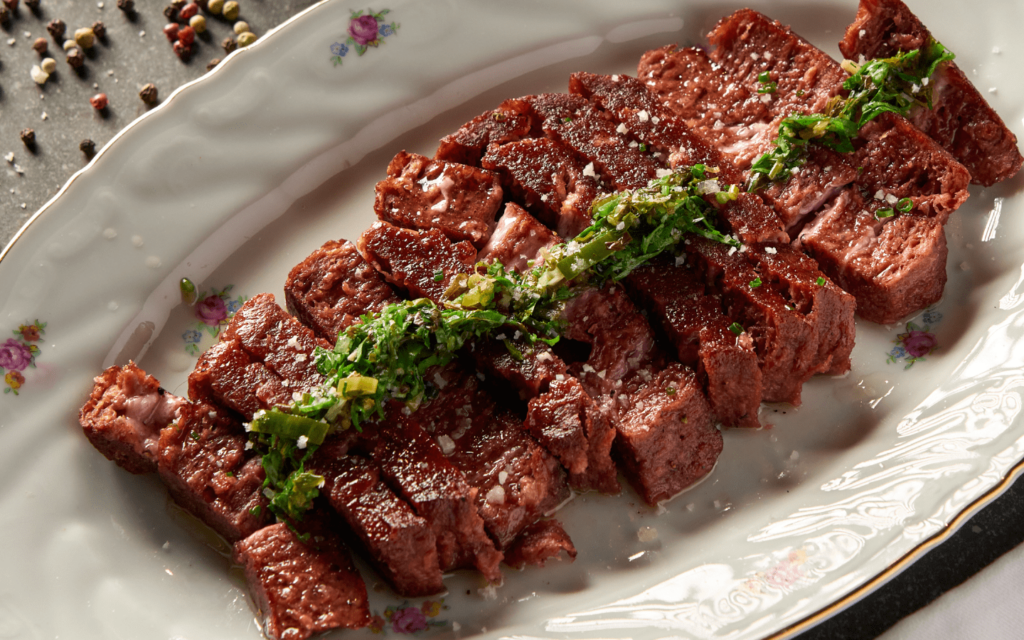
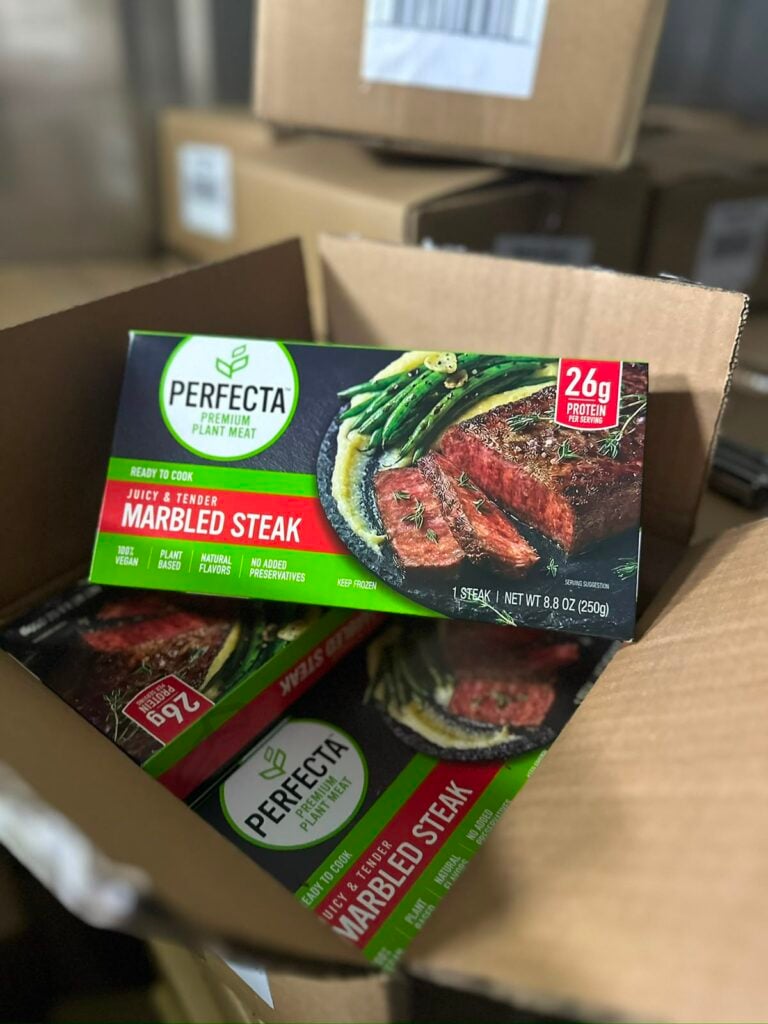
In May, Steakholder Foods took its technology to the US with the launch of the Perfecta brand. Its portfolio comprises whole-cut marbled steak (with 26g of protein), filet mignon and chicken breast (18g of protein each), as well as salmon (5g of protein) and whitefish (4g of protein) patties.
And last month, it announced an agreement with KeHE Distributors, marking the first phase of a broader rollout of the Perfecta range in the US, starting with the Northeast and expanding nationwide as the supply chain is scaled up throughout the year,
Can Perfecta thrive in an ailing US plant-based market?
In a LinkedIn post announcing the new financing, Steakholder Foods co-founder and CEO Arik Kaufman called the expansion of Perfecta “one of our most exciting opportunities”.
That said, it’s looking to make a dent in a floundering market. Plant-based meat and seafood still make up less than 1% of overall meat sales in the US, and purchases fell by 10% in 2025, reaching just one in 10 households. Filets, steaks and cutlets – like the ones Perfecta is selling – witnessed a 15% drop.
This is a result of growing concerns around ultra-processed foods (UPFs), which Americans have been avoiding despite their seemingly never-ending appetite for protein, as well as a lack of satisfaction with the taste and texture of the average meat-free product.
It’s why industry pioneers like Beyond Meat have been facing prolonged financial challenges. The company’s stock price and sales hit an all-time low in 2025, and things haven’t fared much better this year, with net revenues down by 11.6% in the first six months of 2026. That has forced a pivot into the protein drinks segment with Beyond Immerse, though its impact is still too early to tell.
In fact, in its Q2 earnings call yesterday, Beyond founder and CEO Ethan Brown touted the firm’s rollout of a whole-cut mycelium steak filet as a key growth pillar in the US: “We’ve become exceptionally good at making simple plant-based ingredients perform as delicious centre-of-the-plate proteins, leveraging significant investments across plant biology, chemistry, and functionality.”
Whole cuts have often been labelled the “holy grail” for plant-based meat. A large survey of omnivores last year revealed that companies can entice more consumers to these cuts by reducing their off-flavour and aftertaste, mushy texture, and dryness and toughness. That’s the white space Steakholder Foods is targeting with Perfecta.
“With Perfecta now entering the US market, this capital strengthens our ability to build the brand, expand distribution, and bring our products to more consumers across the US,” said Kaufman. “We’ve spent years developing the technology and products. Now it’s about execution, expansion and growth.”