

As El Niño Arrives, Malaysia Explores Cultivated Meat to Battle Climate Change & Food Insecurity

The Malaysian government is studying cultivated meat and other alternative proteins to secure its food supply in the face of climate change and El Niño.
With a “super” El Niño set to raise temperatures to extreme levels, countries need safeguards in place to protect their populations.
Climate experts fear that the current wave of the phenomenon, which began this month, could be among the strongest ever recorded, compounded by the fact that it’s occurring on a much hotter planet thanks to the climate emergency.
Together, these two environmental crises threaten public health, economies, and food security, ushering in prolonged heatwaves, flooding and droughts.
Global food supplies are already strained thanks to climate change and geopolitical tensions, and consumers are battling inflation, driven in large part by continued hikes in food prices. The onset of El Niño is set to worsen these impacts.
In response, governments must adopt solutions that can protect an already fragile food supply chain. Malaysia, whose crop yields could fall by 8-10% this year as a result of El Niño, is now assessing the feasibility of cell-cultured foods like cultivated meat as a weapon against food insecurity.
Cultivated meat can help Malaysia weather El Niño effects
In the year’s first executive committee meeting on the National Food Security Policy, the Malaysian government deliberated on how cultivated meat could help boost food sovereignty.
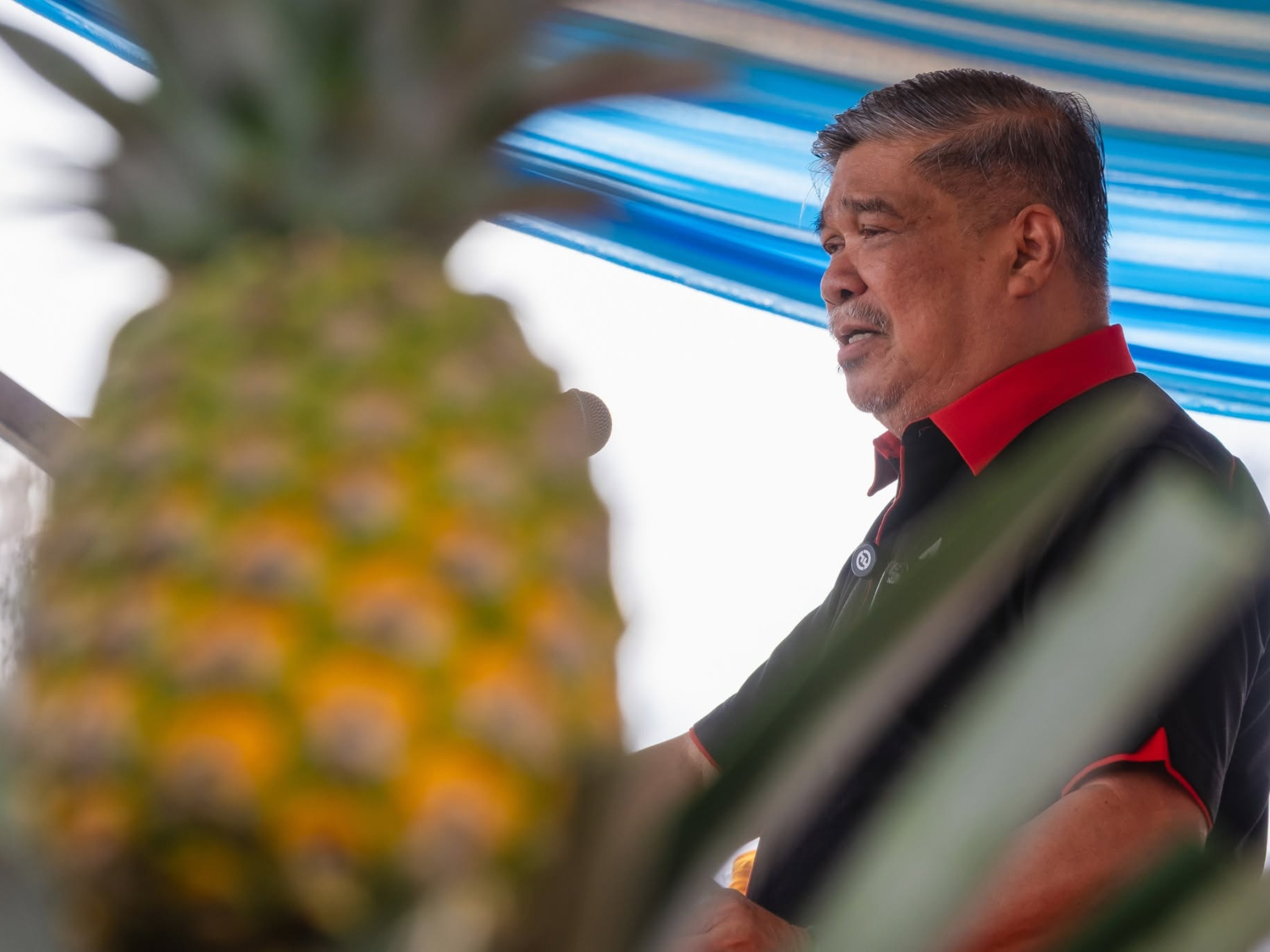
“The meeting discussed the commercial potential of cultured meat and other cell-based food products as alternative sources of meat in Malaysia,” said Mohamad Sabu, the country’s agriculture and food security minister.
He added that the initiative was being examined from technical, economic, regulatory, socio-psychological, environmental and religious perspectives, including requirements for halal certification.
At the meeting, the government was also briefed on R&D efforts involving alternative protein products, alongside discussions of the implications of El Niño and climate change on the food industry, particularly the risk of prolonged droughts that could threaten the local food supply.
Cultivated meat is produced by culturing animal cells in bioreactors, where they’re grown in the same conditions that would be found in an animal’s body. Since the technology doesn’t rely on farmland or weather changes, but only uses farmed inputs like sugar to feed the cells, it’s much more immune to climate shocks than conventional animal proteins.
“The meeting stressed the urgent need for a National Food Security Act to strengthen the country’s food security framework through early warning systems, preparedness plans and targeted support for food producers,” the minister said.
The development comes two years after the government commissioned universities to conduct feasibility studies on cultivated meat and alternative proteins to find sustainable solutions to current crop production woes.
Malaysia’s halal certification of cultivated meat a major breakthrough
Speaking to Green Queen, Jason Ng Chin Aik, founder and manufacturing VP of local cultivated meat contract manufacturer Cell AgriTech, noted that he was “glad to see our government’s initiative to study cultivated meat as part of the nation’s long-term food security strategy”.
He added that the cultivated meat agenda is set to be presented to Prime Minister Anwar Ibrahim next month, at which point, there will be further clarity and potential decisions about the government’s next move.
“While there is no need to rush, it is important that Malaysia starts preparing today by building the right ecosystem, expertise, and regulatory framework for sustainable alternative proteins. We look forward to seeing more positive developments and outcomes in the near future,” he said.
The development of a local cultivated meat industry is a core strategy of the Malaysia National Biotechnology Policy 2.0 for 2022-30. This includes developing university curricula to nurture a dedicated talent pool, forming a cellular agriculture association to foster collaboration and knowledge-sharing, and establishing cell repositories and seed repositories.
Additionally, the programme aims to create a supply chain for the cultivated meat and seafood industry, develop affordable contract research services, establish a regulatory framework, and develop a halal food standard for cultivated proteins.
There was a breakthrough on the latter goal last year, when the Department of Islamic Development Malaysia (JAKIM) issued a landmark fatwa stating that cultivated meat products can be considered halal, a first-of-its-kind declaration for a Muslim-majority nation.
“With JAKIM’s historic fatwa affirming the halal permissibility of cultivated meat, companies, policymakers, and scientists now have a window of opportunity to meet soaring food demand by partnering with global startups to rapidly scale cellular agriculture manufacturing capacity,” Mirte Gosker, CEO of the Good Food Institute APAC, told Green Queen.
“As one of the world’s largest halal markets and an influential voice in multilateral standard-setting, Malaysia is well-positioned to collaborate with Singapore and other forward-looking countries as we work to build a more secure and sustainable protein supply for Asia and beyond.