

Molecular Farming Pioneer Moolec Science Produces Iron-Rich Beef Protein in Pea Seeds

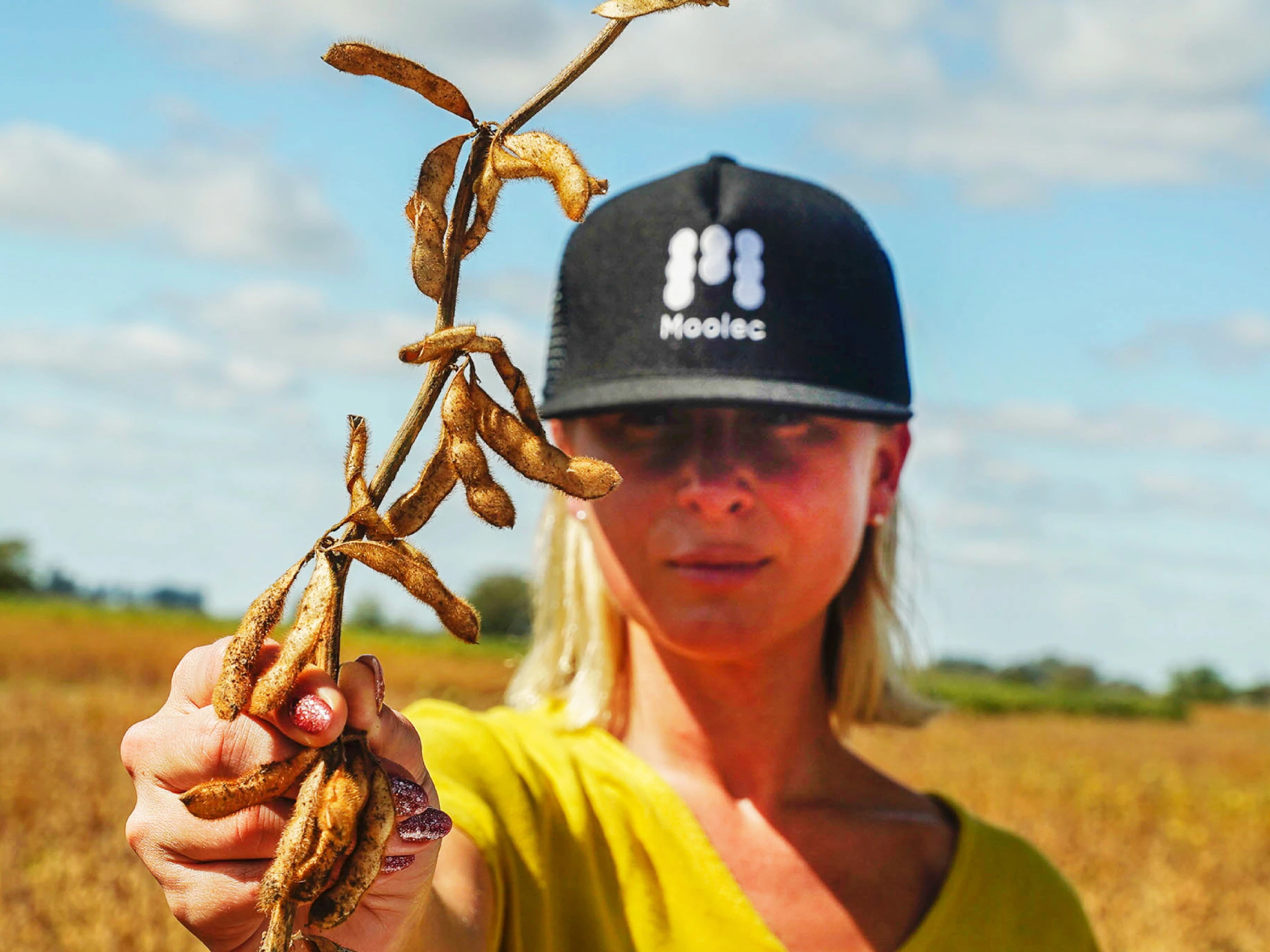
Moolec Science has achieved a breakthrough in its molecular farming tech, genetically engineering pea seeds to produce bovine myoglobin, a heme-containing protein.
Nearly a year after completing a merger with three other companies, molecular farming pioneer Moolec Science has announced a breakthrough in producing animal proteins in plants.
The Nasdaq-listed company has successfully demonstrated the stable expression of bovine myoglobin, an iron-rich protein, in pea seeds.
The milestone was achieved as part of a 28-month sponsored research project with a leading US academic institution and marks the first time this protein has been produced from pea seeds.
Called PEEA1, the innovation expands Moolec Science’s portfolio of ingredients derived from molecular farming, joining Piggy Sooy (soybeans that contain pork proteins), and a nutritionally rich GLASO safflower oil.
Why Moolec uses peas to produce heme protein
Myoglobin is a heme protein found in mammalian muscle cells that facilitates oxygen storage and diffusion in humans and dogs and is an essential source of taurine for cats. It’s also the protein responsible for the colour and iron content of meat and seafood.
Nearly two billion people, or a quarter of the global population, suffer from anaemia, with cases increasing rapidly for women, expectant mothers, young girls, and children under five. Iron deficiency is linked to conditions like heart failure, pregnancy complications, ADHD, autism, and impaired motor skills in children.
To mitigate the high amounts of pollution and land use associated with beef production, Moolec Science uses molecular farming. This technology involves modifying plant cells (rather than animal or microbial cells, as in cultivated proteins or precision fermentation) to enable them to express animal proteins within the crop, which can then be harvested from leaves or other plant tissues for use in food and feed applications.
Its genetically engineered peas can produce high yields of bovine myoglobin. The company says peas are a “globally relevant, protein-rich crop” with an established supply chain and industrial adoption, which makes them a highly attractive source for producing animal-derived ingredients.
As part of its scientific breakthrough, the firm achieved stable myoglobin expression across generations, confirming reproducibility and genetic stability.
By successfully deploying proprietary constructs in a new legume crop, it also validated the platform’s flexibility. Moreover, the milestone establishes pea seeds as a viable platform for the production of high-value recombinant proteins.
A breakthrough following a topsy-turvy year

“This is not just a scientific milestone; it is a clear signal of the scalability and versatility of our platform. Successfully expressing a heme protein in pea is a powerful validation of our ability to expand our technology across crops and product categories,” said Moolec Science CEO Alejandro Antalich.
“This is how we build a pipeline, not just a product, and how we translate innovation into long-term, scalable value for our shareholders,” he added.
In 2024, the company received approval from the US Department of Agriculture’s Animal and Plant Health Inspection Service (APHIS) to plant the genetically engineered peas, a feat achieved by its Piggy Sooy and GLASO ingredients. It now requires clearance from the Food and Drug Administration to commercialise these innovations.
The breakthrough comes after a challenging period for Moolec Science. Last year, it merged with Argentina’s Bioceres Group (which it had spun off from in 2020), precision fermentation player Nutrecon, and farm equipment manufacturer Gentle Tech, with Moolec Science emerging as the parent company.
In December, Bioceres began bankruptcy proceedings, resulting in Moolec Science losing control of that business. A month later, it was granted an extension to demonstrate compliance with the Nasdaq stockholders’ equity requirement until the end of June.
The results of the pea-derived myoglobin project validate its patent portfolio and “reinforce their applicability for large-scale deployment across food and biotechnology applications”, the company said.
It remains a leader in the molecular farming space, alongside players such as Mozza Foods, Alpine Bio, Miruku, NewMoo, Finally Foods, and PoLoPo. In February, the first five of these became the inaugural members of the Global Stewardship Group’s Animal Protein Crop Stewardship programme, which aims to boost the molecular farming sector and bring the technology to market.