

German Plant-Based Pioneer Planethic Group Files for Self-Administration

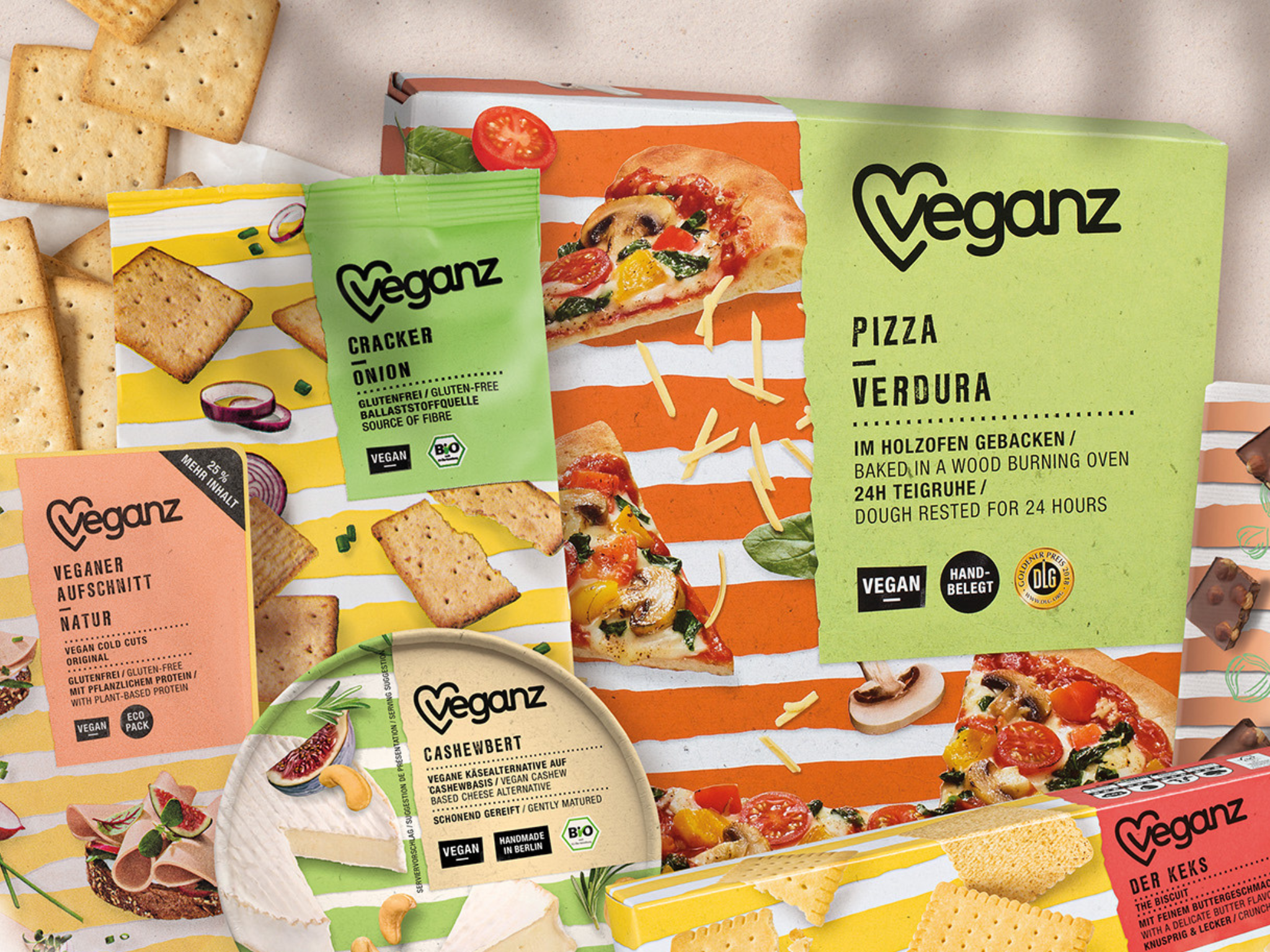
Germany’s Planethic Group (formerly Veganz Group) has kickstarted self-administration proceedings to secure its “long-term competitiveness”, a year after restructuring the business.
Planethic Group, the German holding company formerly known as Veganz Group, has entered self-administration in a bid to safeguard its “long-term competitiveness”.
The owner of plant-based brands Mililk, Happy Cheeze, Peas on Earth and Veganz, Planethic Group announced the move in a filing on the Frankfurt Stock Exchange.
In Germany, self-administration is a form of insolvency in which a company’s management can continue to run operations under the oversight of a court-appointed custodian.
“Following a thorough review of the company’s financial situation, the management board has concluded that continuing the business within insolvency proceedings under self-administration offers the best prospects for a successful restructuring,” Planethic Group said, adding that business operations will continue uninterrupted.
Restructuring puts spotlight on plant-based dairy brand Mililk
Planethic Group has been around since 2011, operating across different verticals within the plant-based food space. It used to run a chain of vegan supermarkets, with 10 stores across Germany, Austria and the Czech Republic at its peak, alongside a branded product range.
It was the first fully vegan retailer in Europe, but it has since closed down all stores amid growing competition from other supermarkets’ private-label brands and an evolution of its business strategy.
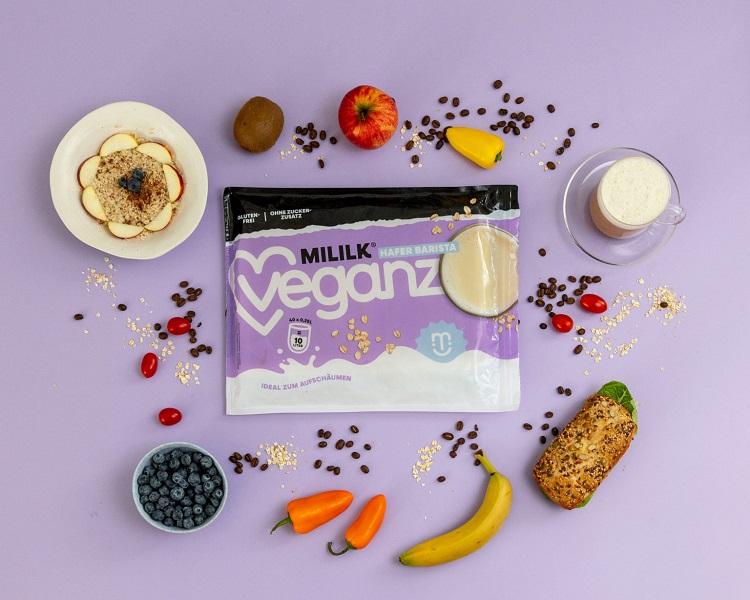
Today, the company is best known as a CPG manufacturer and food tech holding company, with a large focus on Mililk, a line of 2D-printed oat milk sheets that can reduce emissions by 90%.
Last year, the company restructured its operations and moved into a holding structure, setting up Mililk FoodTech as a new subsidiary to “leverage hidden reserves” within the business. The subsidiary was designed to deal with R&D, patents, production, distribution and tech licensing for food manufacturing.
While the focus centred on plant-based milk, projects for juices, smoothies and functional drinks were said to already be underway. At the same time, Planethic Group was expanding the Mililk brand itself, signing a deal with Jindilli Beverages (the maker of Milkadamia) to bring its products to North America, Australia and New Zealand.
This includes the production of Mililk’s oat and almond milks and its coffee creamer drops, as well as the export and distribution of one-litre Tetra Pak formats for retail and five-litre packs foodservice. The oat milk sheets have been launched under the Milkadamia brand in the US.
The move involved setting up a Mililk subsidiary in the US. In March, Planethic Group finalised a SAFE (Simple Agreement for Future Equity) financing agreement to build a production facility for the non-dairy brand in Chicago, with a planned annual capacity of 100 million litres. It was earmarked for a launch this summer.
Insolvency only affects Planethic Group’s holding company
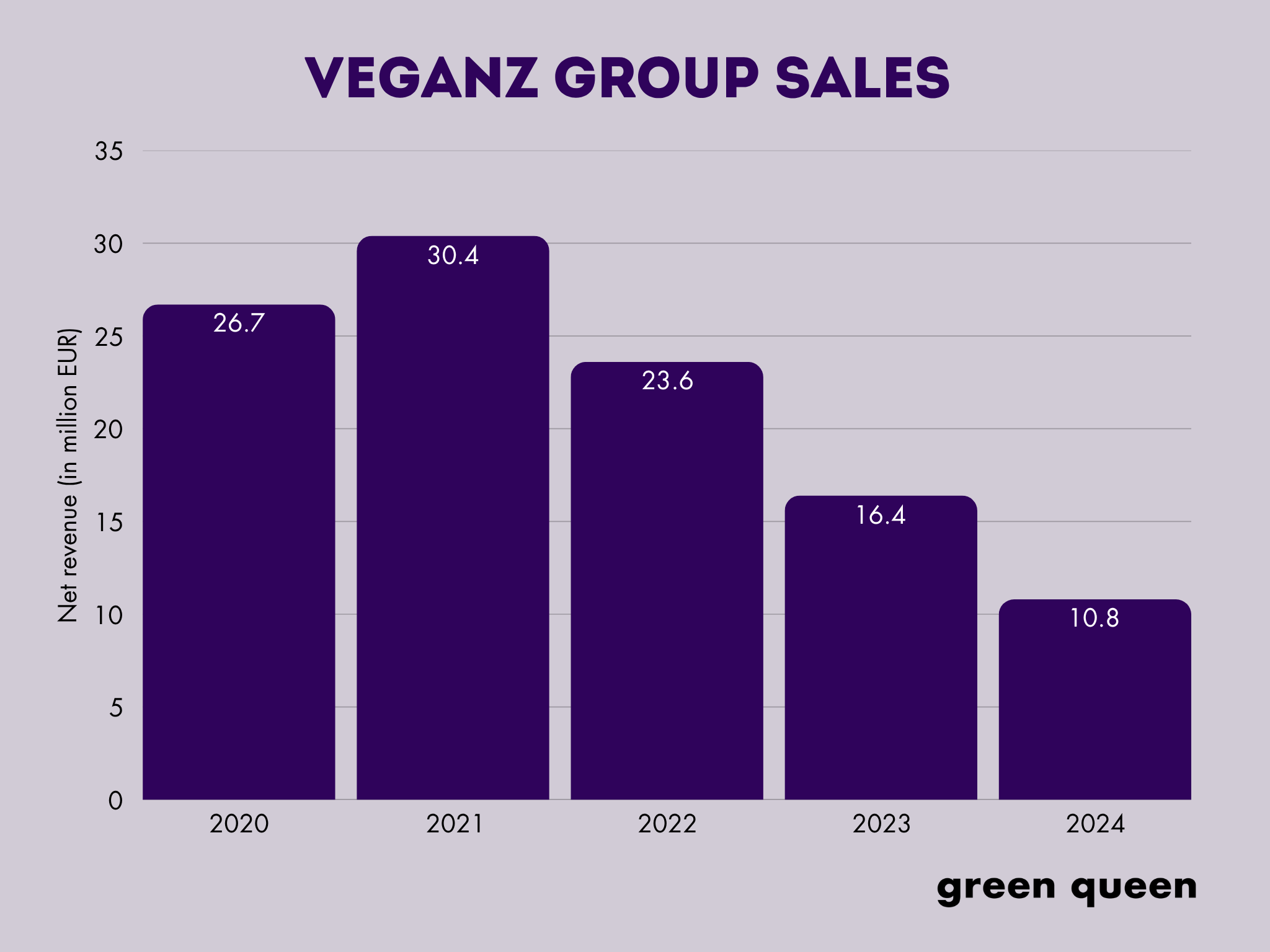
Planethic Group’s restructuring followed three consecutive years of declining revenue, with year-on-year sales down by 34% in 2024, totalling €10.8M. Things were headed in a bleaker direction in the first half of 2025, when it posted revenues of just €2M.
The company had said that once its reorganisation is complete, sales revenues will shift to the respective subsidiaries and its annual reporting would reflect that change.
The restructuring was intended to help potential investors target specific subsidiaries rather than the entire business and to give those divisions a greater chance of success.
Its post-restructuring landscape has been tumultuous, with the firm cycling through three CEOs in eight weeks in 2025. Co-founder Jan Bredack stepped down in September to lead OrbiFarm, an indoor farming company born out of Planethic Group, of which he oversaw the $35M sale to an undisclosed buyer. (He is still the firm’s largest shareholder.)
Bredack’s replacement, Rayan Tegtmeier, lasted only 52 days in the role. He was replaced by Sascha Voigt, the company’s former deputy chairman of the board.
Now, Planethic Group is looking to “continue the restructuring measures” required for a “sustainable turnaround” with the self-administration move, which affects only the holding company. Subsidiaries and equity investments aren’t affected by the proceedings, and Planethic Group has also notified employees, whose wages and salary claims are secured through insolvency payments.
The decision has led to the cancellation of Planethic Group’s bondholder meeting in July, which was supposed to address its outstanding €10M corporate bond, with an interest rate of 7.5% between 2020 and 2030.
“Due to the material change in the legal and economic circumstances resulting from the insolvency filing, it is currently not possible to ensure that the proposed resolutions can be considered and resolved upon in an appropriate manner,” the group said. “The company will keep bondholders informed in a timely manner about the progress of the proceedings and any further measures.”