

Wacker Wins EU Approval for Fermentation-Derived Plant-Based Flavourings for Pet Food

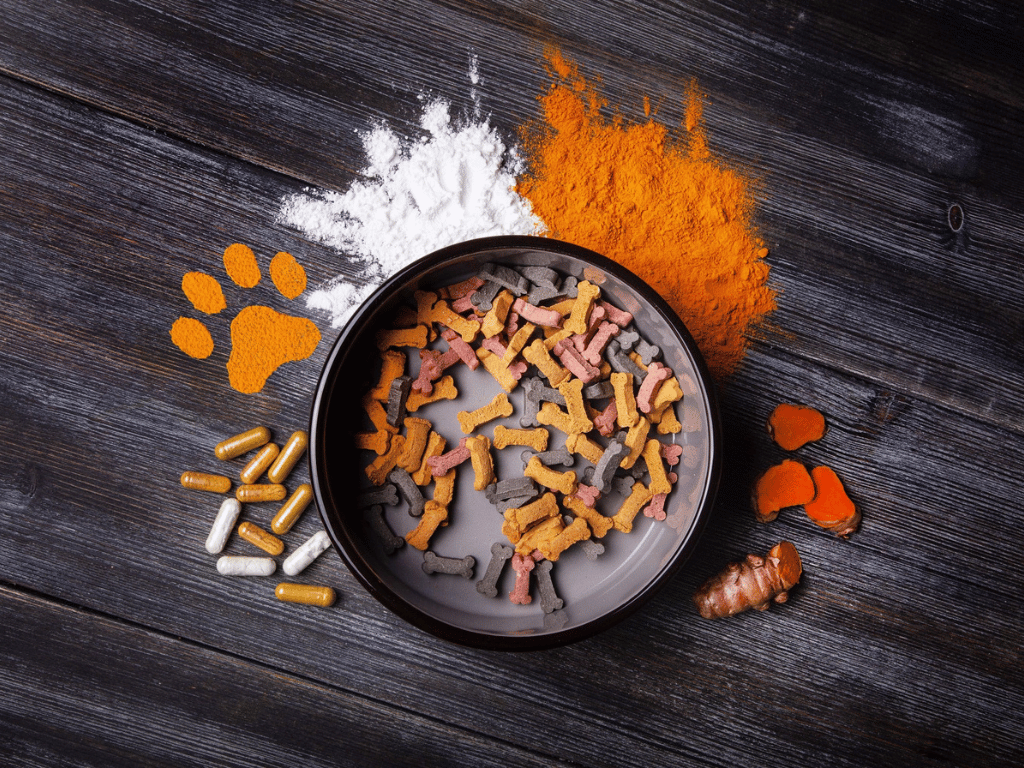
German specialty chemicals company Wacker has secured EU approval for its fermentation-derived amino acids, which can be used as plant-based additives to boost the palatability of pet food.
Chemicals giant Wacker is taking its vegan amino-acid-based solutions to pet food, after obtaining approval from the European Commission to use its fermentation-derived ingredients as feed additives.
The EU’s decision covers the German company’s L-cysteine and L-cystine ingredients, which are sold under the Fermopure label and can be used as flavour precursors and components for better-tasting animal feed.
These amino acids can be used as sensory additives for all animal species, and have previously secured a positive safety assessment from the European Food Safety Authority (EFSA).
The company says this provides pet food manufacturers with a clear regulatory framework for the use of Fermopure, whose approved ingredients include natural L-cystine pet food, and four variants of L-cysteine, spanning hydrochloride monohydrate, hydrochloride monohydrate 20 mesh, hydrochloride anhydrous, and free base.
Wacker’s amino acids are highly effective at low doses
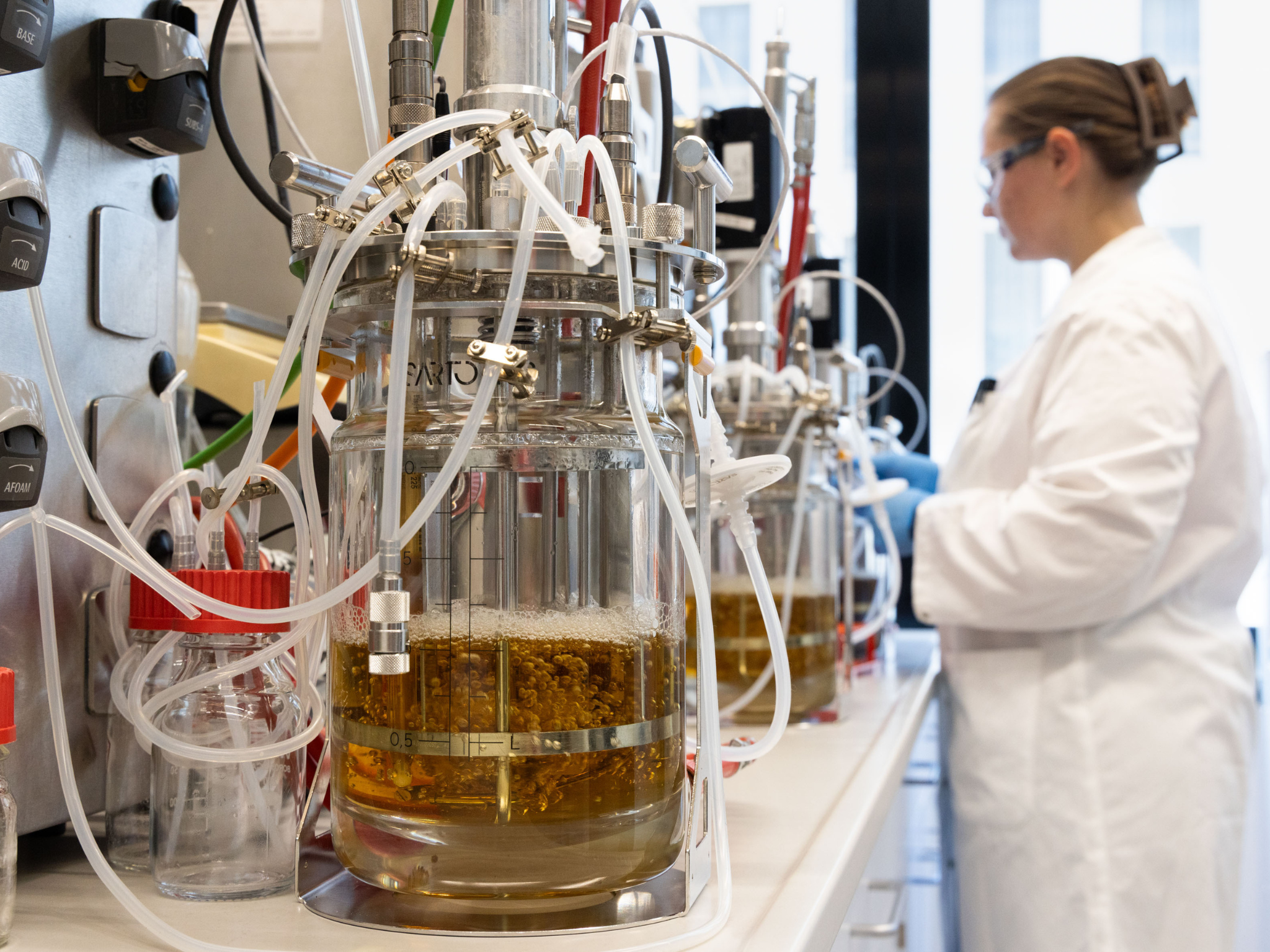
Wacker is over a century old and produces advanced specialty chemical and biotechnological products, including cyclodextrin and cysteine products derived from fermentation, for the personal care, life science, and food sectors.
It calls itself the largest Western manufacturer of L-cysteine and its oxidation product L-cystine, which have been established in the food industry for years. It’s now bringing its fermentation-based versions to the pet food market in Europe, having already supplied products to this industry in the US for over a decade.
The Fermopure ingredients use glucose as a feedstock for microbes. L-cystine is produced via a suitable production strain of E. coli and then purified. This can then be reduced to L-cysteine through electrolysis.
This process enables Wacker to eschew animal-based raw materials, which form the basis of conventionally sourced L-cysteine, and instead leverage biotechnology to produce a more sustainable alternative.
The amino acids are highly effective at low doses and suitable for a range of formats, including liquids, chewable products, tablets, and powders.
“With the new EU approval, we are expanding our range of pet food products in Europe to include amino acids produced through fermentation,” said Christian Hauk, head of bio-ingredients at Wacker’s biosolutions division. “This ensures that our customers receive products made from plant-based raw materials that are of the highest quality and fully traceable.”
Flavourings could increase palatability of nutritious but ‘less appealing’ foods
When added to pet food during production, L-cysteine and L-cystine react with reducing sugars as part of the Maillard reaction, producing meaty and savoury aromas and flavours.
“Since pets have a particularly keen sense of smell and taste, flavourings can also help make nutritionally valuable but less appealing food ingredients more palatable,” the firm said.
It could benefit the growing crop of vegan dog and cat food solutions, as new literature continues to extol the nutritional efficacy and benefits of plant-based ingredients for our furry friends.
Health and nutrition drive pet food purchases more than any factor, with 43-51% of owners open to considering an alternative protein option for their dogs and cats. To drive adoption, companies need to boost nutritional soundness, health credentials, and palatability, according to a 2025 study.
Moreover, vegan pet food is deemed the most effective measure to tackle the climate footprint of dogs and cats. It’s why 2026 has seen a host of low-carbon innovations in the category, including Enifer and Rovio Pet Foods’s mycoprotein-based semi-moist dog treat, MicroHarvest’s suite of mycelium proteins for pets, and VegDog’s fermented protein snacks for cats.