

Prefer’s Bean-Free Coffee Reaches Shell Convenience Stores Across Singapore

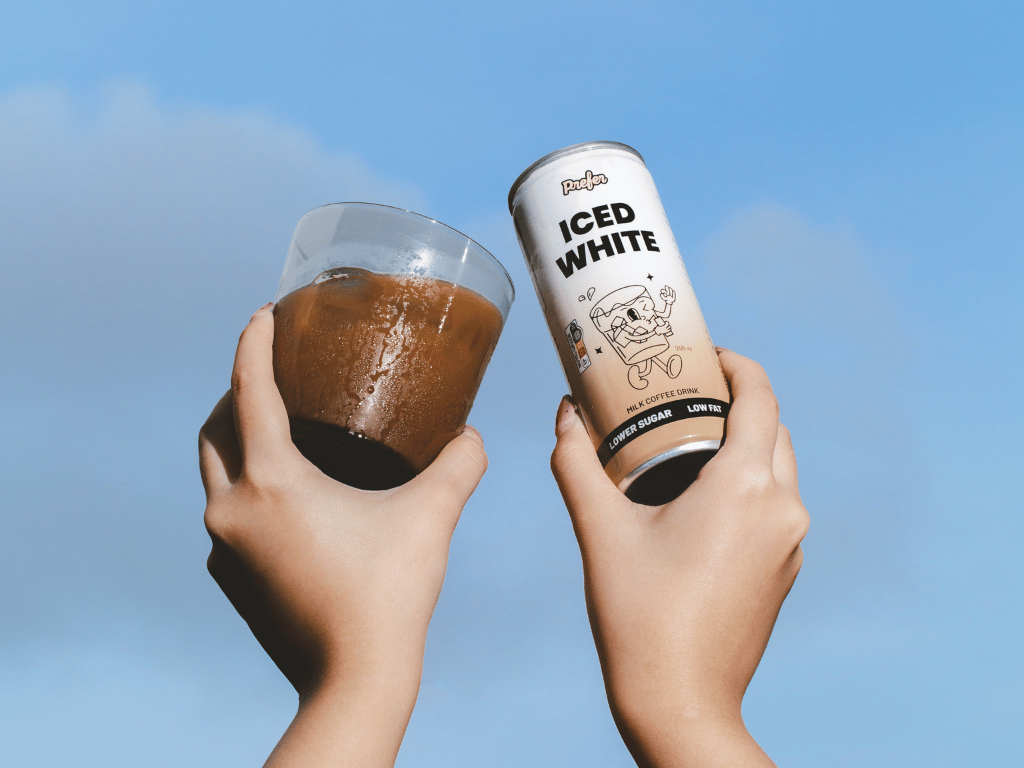
Singaporean beanless coffee startup Prefer has entered retail stores through a listing with Shell, which will stock its ready-to-drink hybrid coffee cans across all 56 service station stores on the island.
All of Shell’s service stations in Singapore will now serve bean-free coffee, thanks to a new partnership with local food tech player Prefer.
The startup makes a coffee alternative with fermented rice and chickpeas, which can be used as an “extender” for conventional coffee and forms the base of its ready-to-drink lattes and black coffee.
Prefer’s Iced White product (which contains dairy) is the first to be rolled out at Shell’s 56 convenience stores in the city-state, six months after the range was first unveiled.
“We launched our range of ready-to-drink coffee in February and got rejected by every retailer we approached,” Prefer co-founder and CEO Jake Berber said in a LinkedIn post. “I don’t blame them; they had no reason to believe they would sell.”
Now, though, things are a little different. Between February and July, sales of its canned beanless coffees shot up 10-fold, primarily from vending machines like IJooz and corporate pantries. The company used that data to give retail listings another shot.
“I cold-reached out to someone who works at Shell and was following me on LinkedIn to ask if they’d share our product deck with the team that runs the convenience stores,” Berber told Green Queen. “We got connected, sent samples, and we’re now in 56 locations across Singapore.”
Prefer gears up to expand bean-free coffee production 50-fold
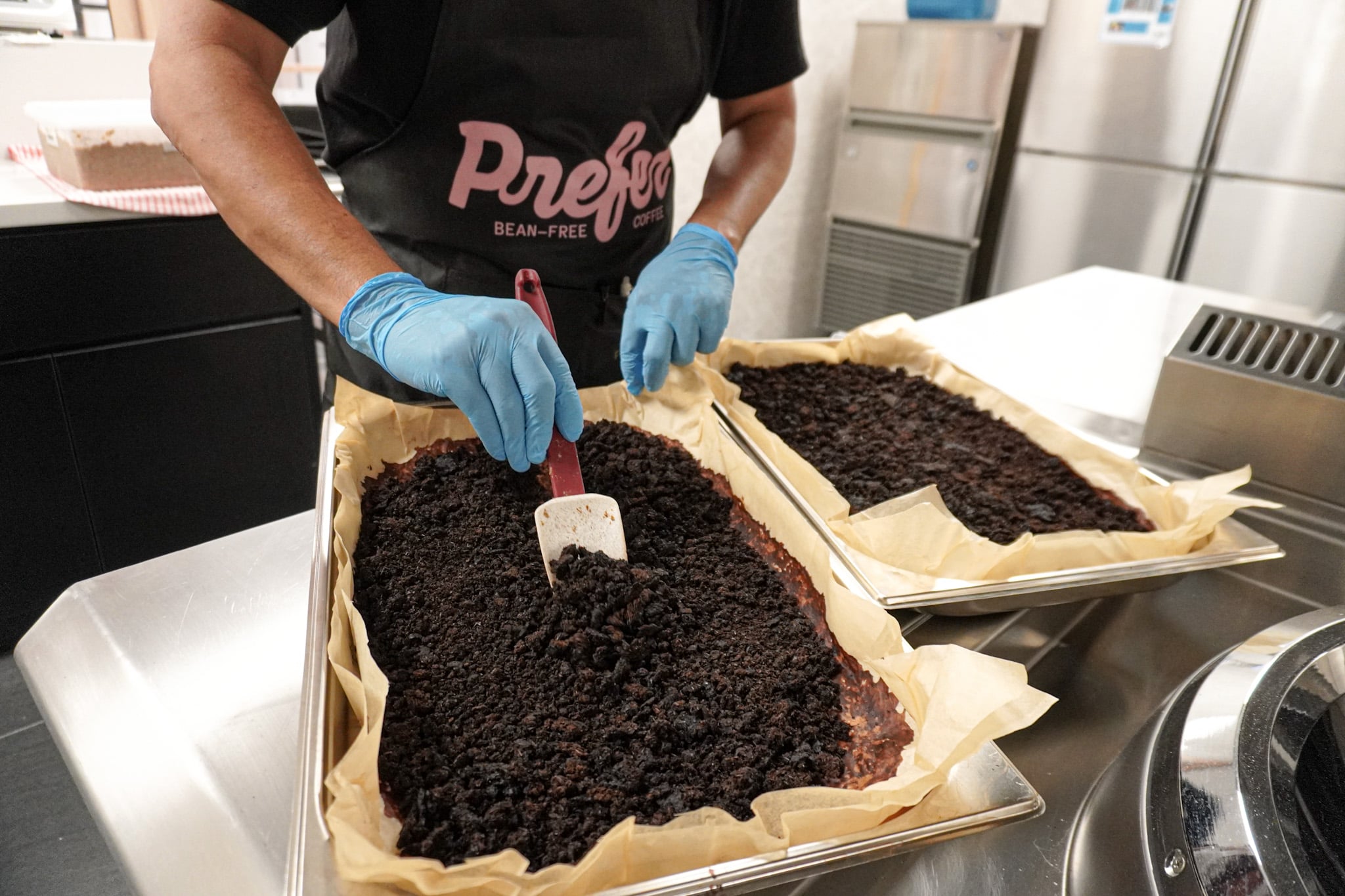
Prefer uses food-grade microbes to ferment rice and chickpeas, which are then roasted and ground just like conventional coffee, unlocking the same aroma volatiles.
The ingredient, called PreferRoast, can substitute up to 40% of coffee in commercial formulations, is 50% cheaper than arabica on average, and has an 85% smaller carbon footprint. It can be supplied to CPG companies, food manufacturers, private-label retailers, and flavour houses for use in a range of products.
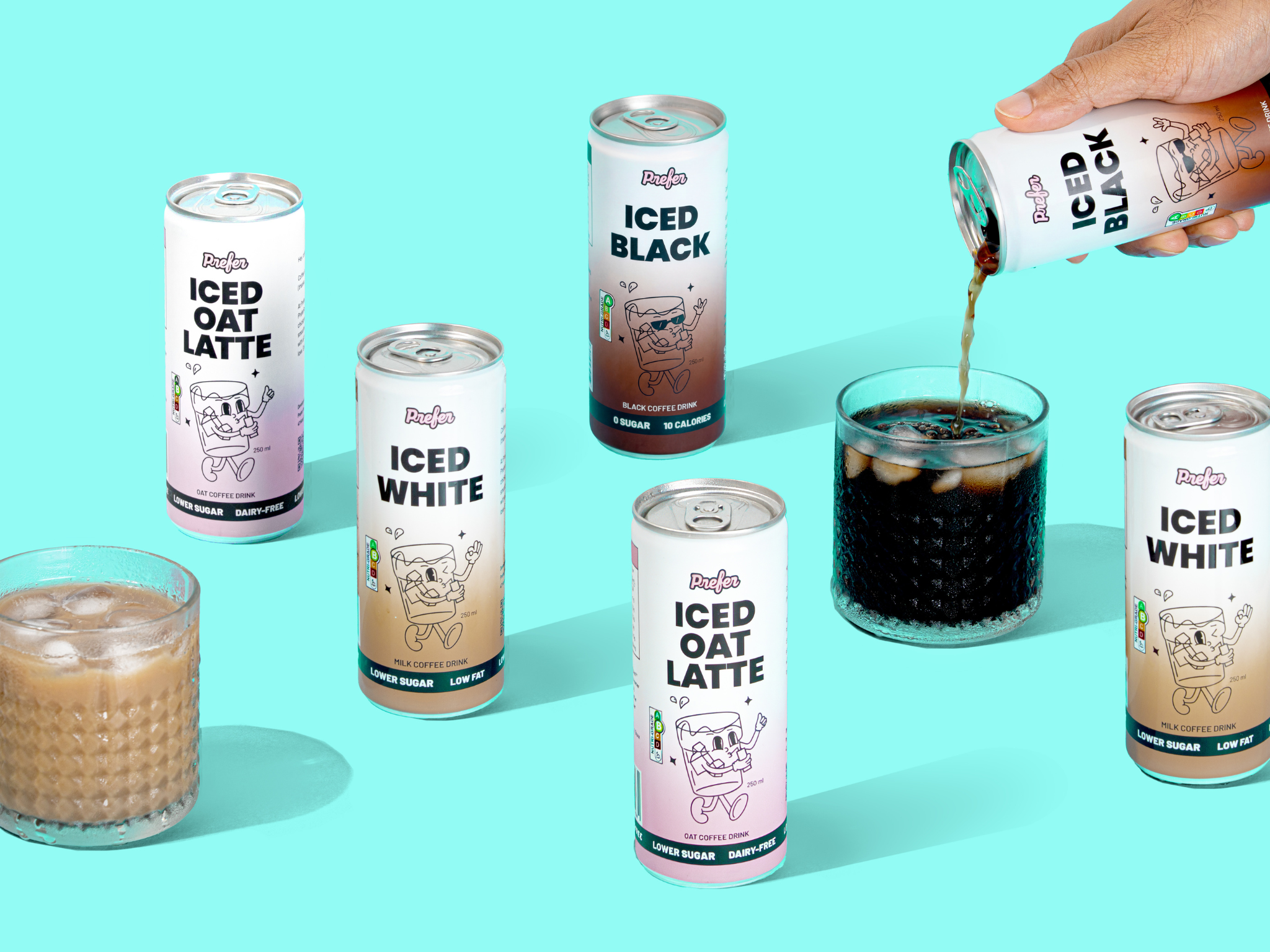
The bean-free ingredient has appeared in a dairy-free latte via a partnership with Ajinomoto and gas protein startup Solar Foods, and is mixed with conventional coffee for its RTD line, which also includes an oat latte and a black coffee.
“For our range of RTD cans, we’re now in 150+ locations across vending, convenience stores and corporate pantries, all in Singapore. We’ve sold our B2B coffee ingredients in Singapore, Japan and the Philippines so far. Thailand is planned to be next,” said Berber.
“Our 500-tonne plant is coming soon,” he added, just as the company welcomed its first piece of major equipment for the facility. “That’ll take our production from 10 tonnes a year to 500, a 50x jump.”
Asked why he thought retailers declined to stock Prefer initially, he pointed to a lack of data: “We’d just launched the cans, so they weren’t clear yet that the product would move.”
He continued: “We believe that the sales data did most of the work… We’ll be sharing an even bigger retail launch in the coming months.”
Next fundraise would fuel scale-up and cost reduction
Prefer’s solution is a glimpse into a possible future for a coffee industry ravaged by climate change. Between 2021 and 2025, Brazil, Vietnam, Colombia, Ethiopia, and Indonesia – which represent 75% of the global coffee supply – experienced 57 extra days of harmful heat (above 30°C).
When temperatures breach this threshold, coffee plants experience heat stress, which can reduce yield, affect bean quality, and increase their susceptibility to diseases, according to Climate Central, which conducted the research.
It’s partly why global coffee prices reached an all-time high in early 2025. And research shows that 60% of coffee species are already endangered, and the tropical area suitable for growing coffee is set to be halved by 2050. In Latin America, around 90% of coffee-growing areas could become unproductive by then.
Simply put, bean-free alternatives will likely become necessary to meet demand for commodity coffee in the coming decades, creating opportunities for Prefer and its growing list of counterparts, including Koppie, Voyage Foods, Compound Foods, Atomo, Northern Wonder, and Wake.
Last year, Prefer announced a partnership with Antipodean company The Coffee Ferm, which it said would license its intellectual property to manufacture and distribute Prefer coffee for Australia and New Zealand.
However, Berber said markets like Thailand and Japan have since “become a bigger priority for us as we have gotten even clearer on who our target B2B partners and consumers are”.
Prefer has secured $6.2M in funding to date, and its CEO said the company is “financially healthy” at the moment: “The next raise would let us increase production another 10x, bring costs down further to reach profitability, and service customers globally.”
Aside from coffee, the company is also working on cocoa-free chocolate. “PreferChoc development is going well, and we’re on track to launch by the end of the year,” Berber said. “It isn’t public yet, but chocolate companies can request samples so their R&D teams can formulate applications and their procurement teams can raise purchase orders.”