

Korean Govt Backs University Project to Develop Precision Fermentation Toolkit

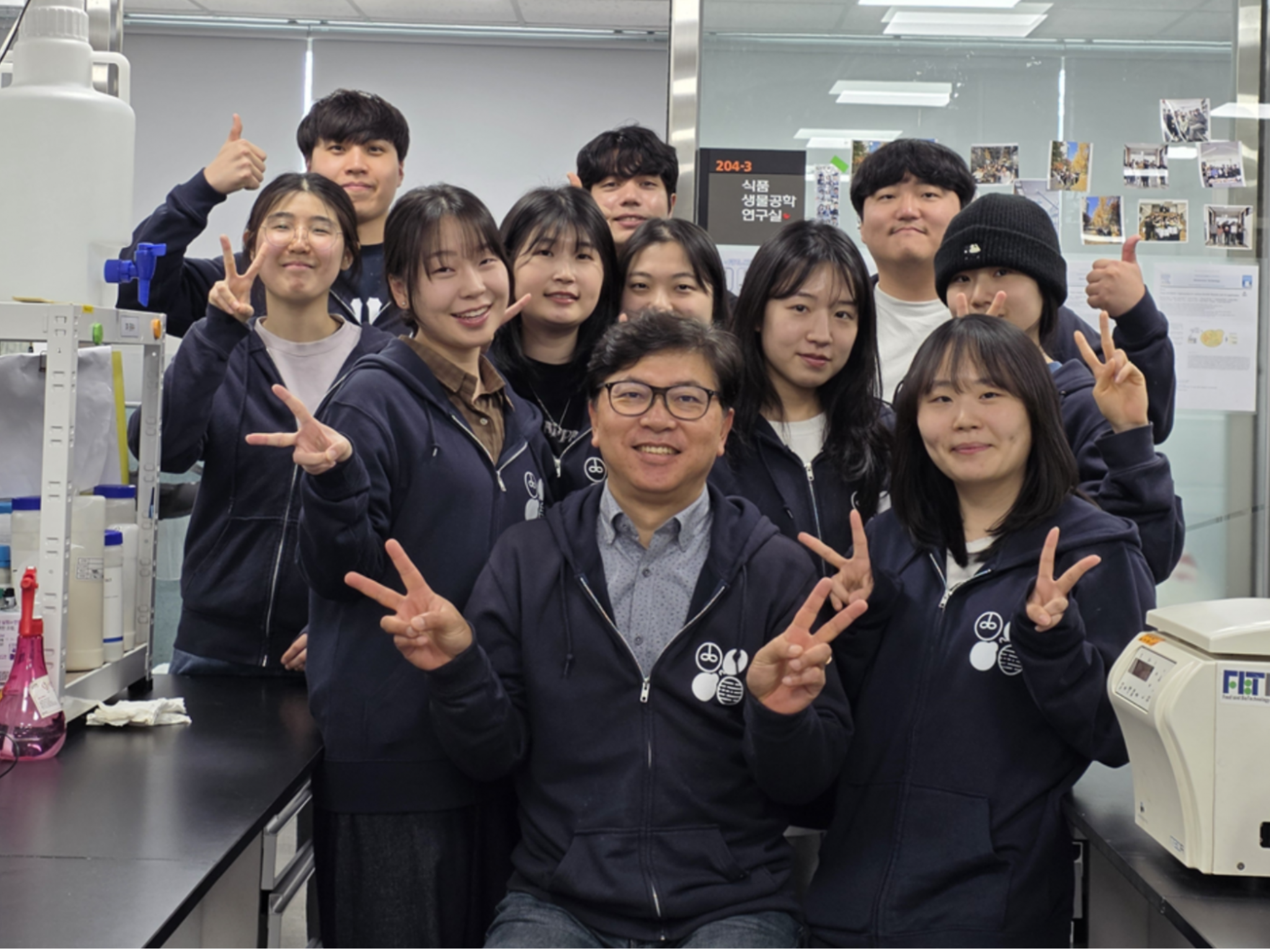
South Korea’s science ministry has selected Kookmin University’s project to engineer food-grade yeast for precision fermentation in the 2026 Basic Research Program.
The South Korean government has recognised precision fermentation as a key technology to safeguard the future of its food system.
The science and IT ministry and the National Research Foundation are supporting research into genetically engineering yeast to produce novel foods, such as proteins and amino acids.
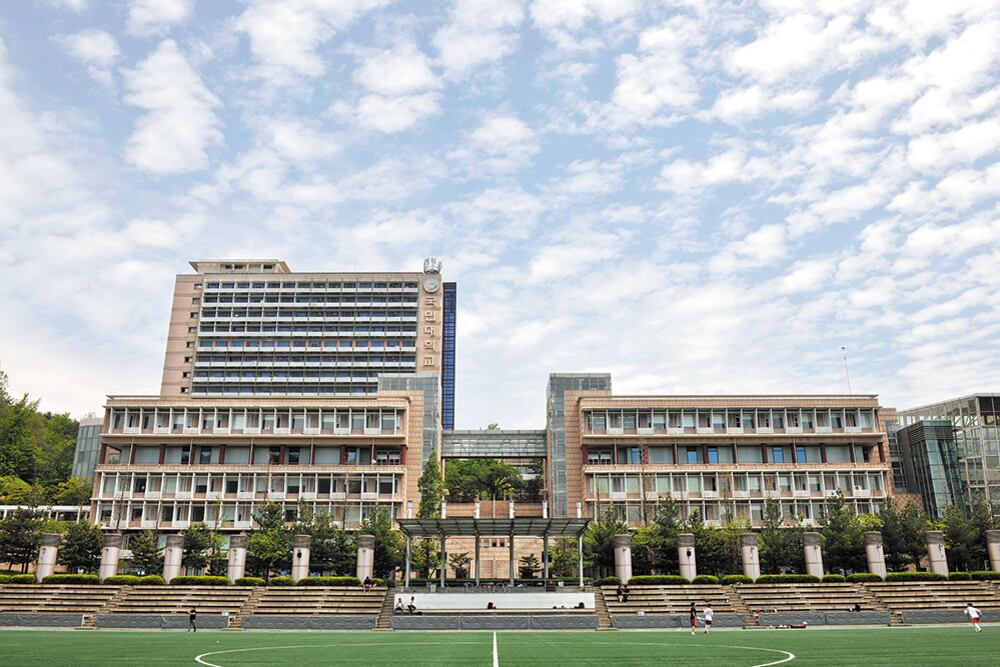
The project, led by the Department of Bio and Fermentation Convergence Technology at Kookmin University in Seoul, has been selected for the core research category of the government-led 2026 Basic Research Program.
The project focuses on developing a genetic toolkit for a food-grade yeast strain, which can then be applied to precision fermentation technology to produce future foods.
Tackling food supply shocks with synthetic biology
The Basic Research Project is a government initiative that aims to bolster creative, challenging foundational research and to foster world-class scientists to enhance the country’s future capabilities in science and technology.
Its core research category is designed to support high-potential individual projects, cultivate excellent basic research skills, and provide a foundation for researchers to become leaders in their fields.
Eligible applicants include faculty members in science and engineering at universities, as well as researchers at national, public, government-funded, and private research institutes.
Kookmin University’s synthetic biology project, led by Prof Park Yong-cheol, aims to develop a genetic toolkit – including modular components for genome editing and strain improvement – for Candida utilis, a food-grade yeast.
This can then be used as a foundation for developing precision fermentation processes for future-friendly food production. This technology involves inserting a specific DNA sequence into microbes to teach them to produce the desired molecules (such as proteins, fats, vitamins, amino acids, and more) when fermented.
This will facilitate the steady domestic production of food ingredients and address the supply chain uncertainties caused by climate change. “The goal is to develop core technologies that can ensure a stable supply of food materials through precision fermentation,” said Park.
Kookmin University researchers target industrialisation of biotech
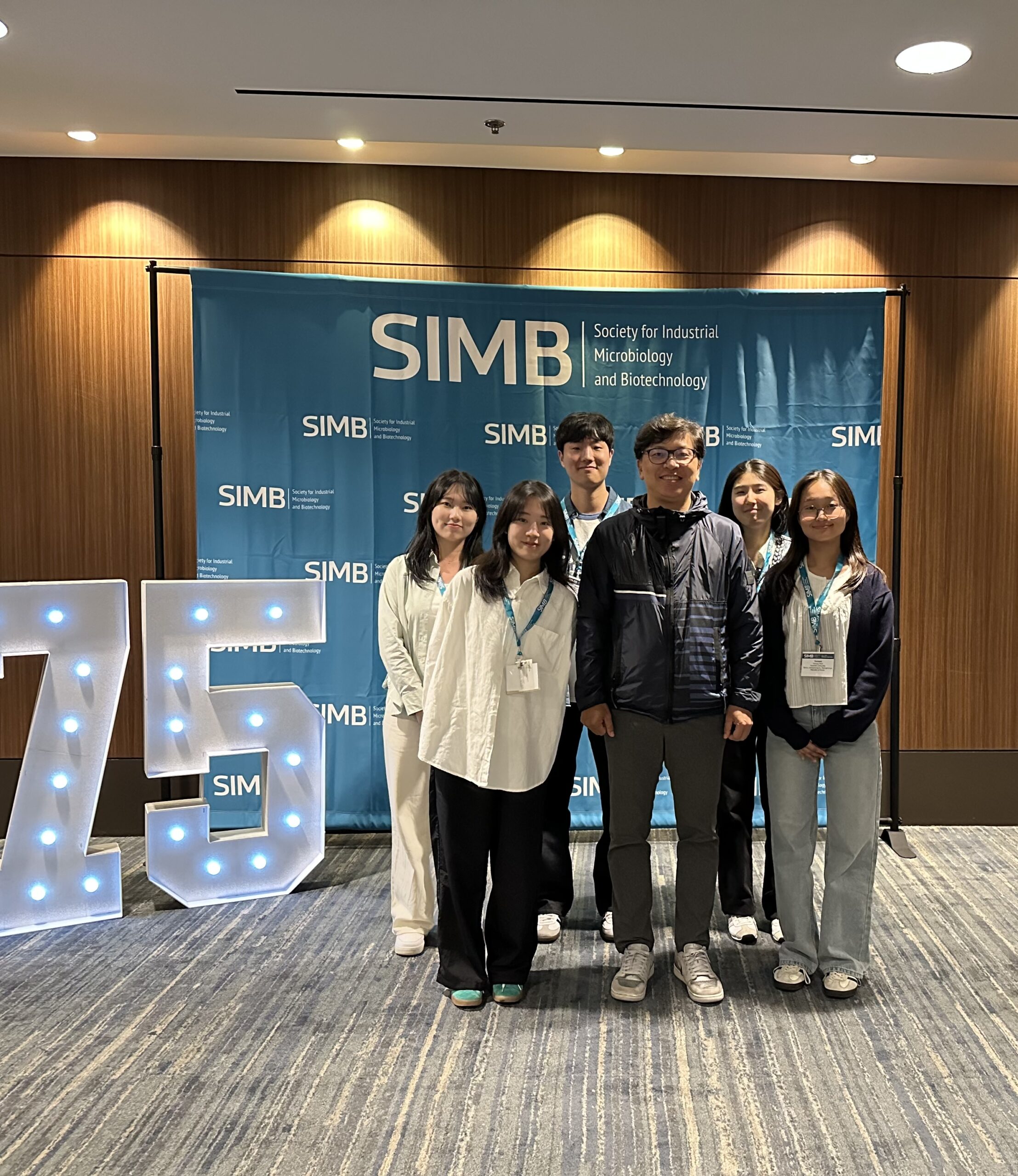
Park’s research team has previously proposed microbial synthetic biology and precision fermentation technologies that can produce various biohealth materials at a mass scale, including human milk oligosaccharides, glutathione, agarose, and terpenes.
Building on that, his department has expanded its research into the biochemical field, including the production of biodegradable plastics and the degradation of plastics. Moreover, in 2022, the team published a paper on the development of carbon-capturing yeast microbes, demonstrating the scalability of their technology.
Park has also conducted a wide array of studies on bio-based industrialisation technologies, including CRISPR-based engineering of food yeasts and bacteria, microbial synthetic biology, and precision fermentation. Plus, he is the founder of BioCraft, a company specialising in yeast manufacturing and brewing.
“This project will broaden the potential for developing and producing diverse food materials while contributing to the industrialisation of synthetic biology,” he said of the latest precision fermentation effort.
It comes months after South Korea’s government enacted the Food Tech Industry Promotion Act, which aims to improve citizens’ lives, create jobs and develop the national economy by reinforcing the convergence of food production with cutting-edge technologies.