

How Botaneco is Using Water to Make Plant-Based Fats for Next-Gen Dairy, Cosmetics & More

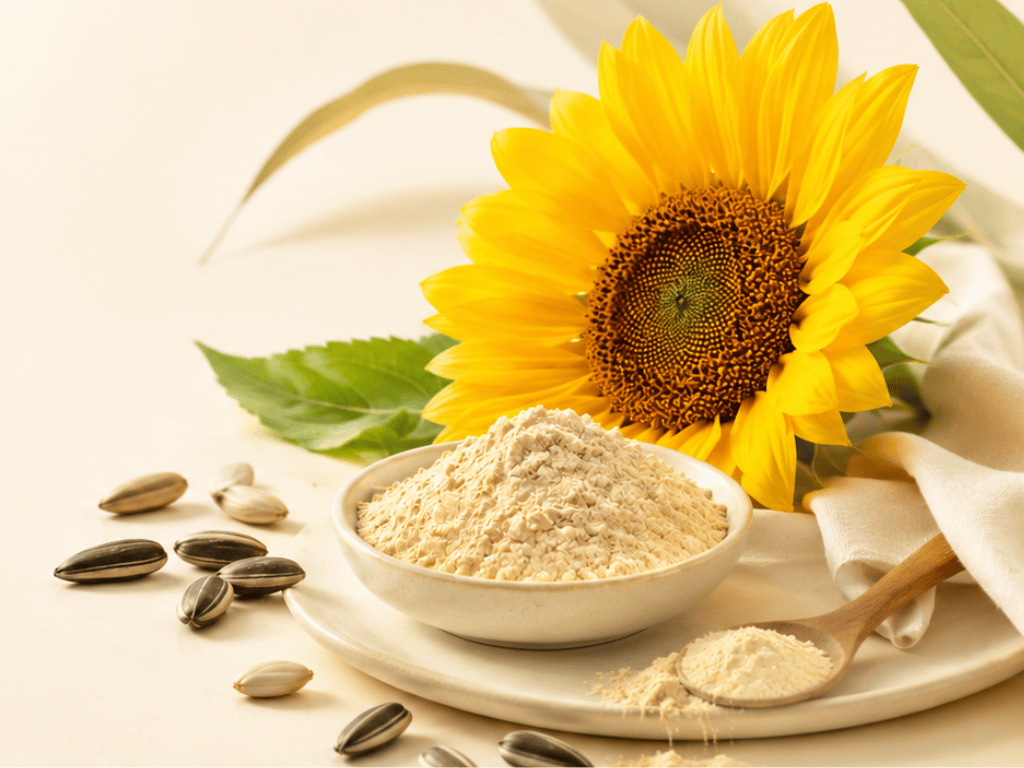
Canadian food tech company Botaneco is using a water-based oleosome platform to produce superior plant-based fats that rival dairy and conventional supply-strained options.
Could water be the key that unlocks the potential of plant-based fats?
Canada’s Botaneco has devised a process that unites two historically unfriendly ingredients – water and oil – to create next-generation fat alternatives.
Oilseeds contain oleosomes, which are microdroplets that store oil and are surrounded by a phospholipid-protein layer that stabilizes the oil during emulsion. The company leverages a proprietary water-based process to separate these naturally occurring olesomes and proteins.
Oleosomes (or oil bodies) can support emulsification, texture and fat delivery in plant-based dairy and meat formulations while maintaining a clean label. Botaneco is targeting several markets with its fat alternatives, as well as the protein and lipid co-streams from the oilseeds, including animal nutrition and personal care.
“Botaneco’s oil-body platform is being developed as an alternative to conventional fat systems that often rely on heavily refined vegetable oils, saturated fats and added emulsifiers to provide texture, stability and mouthfeel,” Jason Hargreaves, director of R&D operations at the company, tells Green Queen.
How Botaneco is turning oilseeds into multiple ingredients
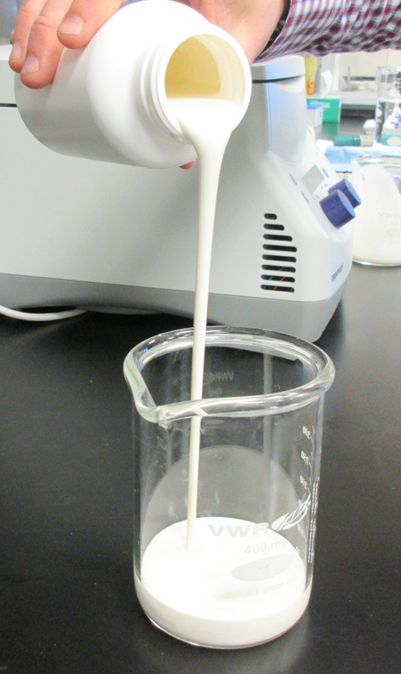
Hargreaves explains that traditional oilseed processing typically uses high pressure, heat and solvent-based extraction to break the seed down into commodity oil and protein fractions.
“Botaneco uses a gentler, water-based process designed to open the seed while preserving valuable natural structures, including intact oil bodies. The process then separates the oil body and protein-rich streams so they can be developed into functional ingredients for food, personal care and feed applications,” he says.
“By isolating these components in their natural form, we can unlock multiple high-value ingredient streams from the same oilseed,” he adds.
Botaneco’s platform can be applied across several oilseed feedstocks. “Our development work has included safflower for personal care applications; sunflower and hemp for food applications; and canola and carinata for protein and animal nutrition opportunities,” says Hargreaves.
“For food-fat applications, sunflower and hemp have been important areas of development because of their established history of human consumption. Canola will also remain an important consideration for any Canadian agrifood ingredient business. Ultimately, the specific crop selected will depend on the target application, required functionality, sourcing and customer needs.”
The firm separates the seed into multiple functional ingredient streams rather than extracting a single commodity component and treating the remainder primarily as a lower-value byproduct.
“Our water-based process is designed to recover intact oil bodies, or oleosomes, alongside seed protein and other useful co-streams, allowing each fraction to be directed towards its highest-value application across food, personal care and feed,” Hargreaves notes.
Oleosome-based fats show potential in plant-based and hybrid dairy
With oleosomes, the oil and naturally occurring vitamins and antioxidants remain enclosed within the original structure created by the seed. “As a result, a single oil-body ingredient can provide several functions at once, including fat delivery, emulsification, texture and sensory enhancement,” says Hargreaves.
The applications Botaneco has demonstrated so far include plant-based and hybrid dairy products like milks, creamers, yoghurts, ice creams, and soft cheeses, since oil bodies can recreate the sensory characteristics of dairy milk, given that their particle size is similar to that of milk-fat globules.
“Conventional plant-based milks often contain separate dispersions of protein and oil combined with an emulsifier such as lecithin. The multifunctional nature of oil bodies can help simplify the ingredient list,” he explains.
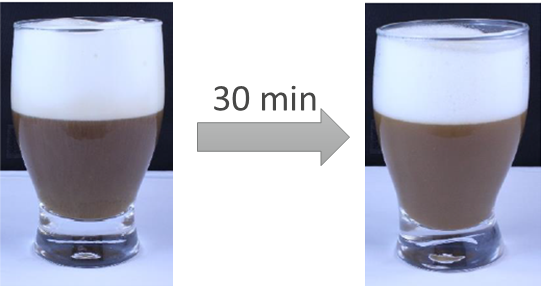
“In beverage testing, barista milks containing oil bodies demonstrated increased creaminess and greater microfoam volume and stability compared with formulations using conventional combinations of oil and lecithin.
“Oil bodies have also shown potential in applications requiring higher levels of fat, including plant-based meat and cheese. In these applications, they may also provide a delivery system for oil-soluble flavours and bioactive compounds.”
Botaneco is exploring its tech’s relevance to oleogels, too, which structure liquid oils in a way that they can perform like solid fats, without hydrogenation or the high saturated fat content.
“Botaneco is not developing conventional oleogels directly, but we see potential for oil-body ingredients within the broader field of structured plant-based fats. Because oil bodies naturally package oil within a stabilised membrane, they may offer useful functionality in applications where emulsion stability, texture, mouthfeel and fat delivery are important,” Hargreaves notes.
“We are continuing to evaluate where oil-body systems may complement other plant-derived structuring technologies and provide value in food applications requiring enhanced texture and stability.”
Botaneco exploring models to scale up manufacturing
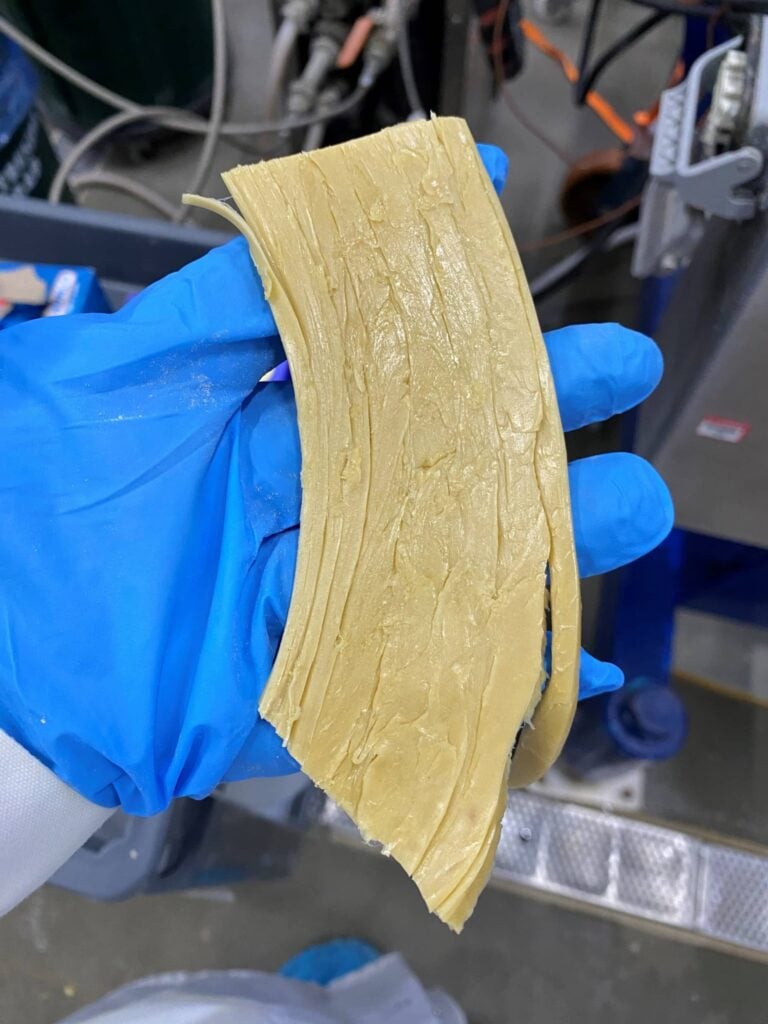
The main technical challenge for Botaneco’s tech is to preserve the natural structure of oleosomes and deliver consistent performance at commercial scale. “Oilseeds naturally vary by crop variety, growing conditions and storage history, so careful feedstock selection and process control are essential,” outlines Hargreaves.
“Botaneco addresses this through controlled aqueous processing tailored to the feedstock, internal analytical and application-development capabilities, product-specific testing, and established quality and food-safety systems. The company also draws on its experience commercialising oleosome-based ingredients for personal care.”
Oleosomes don’t behave exactly like conventional refined oils, which is part of their value. “They can provide oil delivery, emulsification and sensory benefits within a single ingredient system. Bringing that functionality into commercial products requires close collaboration with customers to identify the applications where those advantages deliver the greatest value,” he says.
Botaneco operates internal labs and a multi-tonne-scale manufacturing infrastructure at its Calgary facility, which supports high-volume production for its personal care business and includes pilot-scale capacity to produce initial quantities for food application development and customer evaluation.
But the company believes it would need a larger commercial facility as demand for its food platform develops, and is currently determining the most effective manufacturing and partnership model to scale up in the future.
“Pricing will depend on the crop, product format, concentration, order volume and the functionality required in the final formulation. We recognise that oil-body ingredients will be compared with conventional vegetable oils on price. The simultaneous production of a higher-value protein co-product is expected to support the overall economics of the platform,” reveals Hargreaves.
“We expect customers to assess the ingredient on a cost-in-use basis rather than price per kilogram alone. Where an oil-body ingredient can replace or reduce the need for separate oils, emulsifiers and texturising ingredients, the more relevant comparison is the overall value delivered to the finished product.”
Botaneco’s launch strategy for its oleosome-based ingredients
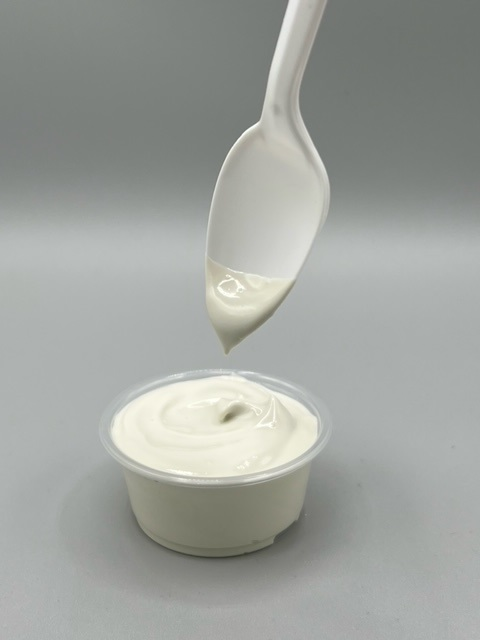
Botaneco explains that the regulatory pathway for its fats will depend on the specific oilseed, product format, intended use, and target market. It’s initially focused on sunflower and hemp oleosomes, since both seeds have an established history of human consumption and relatively low allergenicity.
“The company continues to evaluate the requirements for each target application, including ingredient status, permitted uses, labelling, allergen considerations, compositional standards and any applicable novel-food or premarket approval requirements,” suggests Hargreaves.
“Botaneco will complete the necessary regulatory and substantiation work before commercialising a food ingredient or making nutrition-related claims.”
The firm is taking a partnership-led approach to commercialisation, working with food and nutrition companies, ingredient partners and application specialists to identify the strongest use cases, validate performance and refine product specifications.
“The go-to-market process will begin with targeted application development, customer sampling and formulation trials, followed by initial commercial programmes in selected applications. Production and distribution can then expand as customer demand is established,” he says.
“The ingredient may be offered as a liquid or concentrated oleosome dispersion, or in another stabilised format suited to the application. The final format will depend on factors such as shelf life, shipping requirements and how customers plan to use the ingredient in their formulations.
“Rather than pursuing a single broad-market launch, Botaneco expects commercialisation to progress application by application with strategic partners.”
Though the company doesn’t disclose the amount of capital it has raised, Hargreaves notes that it is currently seeking strategic partnerships to co-develop and commercialise its products. “Depending on the structure of the partnership, that support could include a funding contribution,” he says.