

South Dakota Governor Vetoes Bill That Would Ban Cultivated Meat, But There’s A Catch

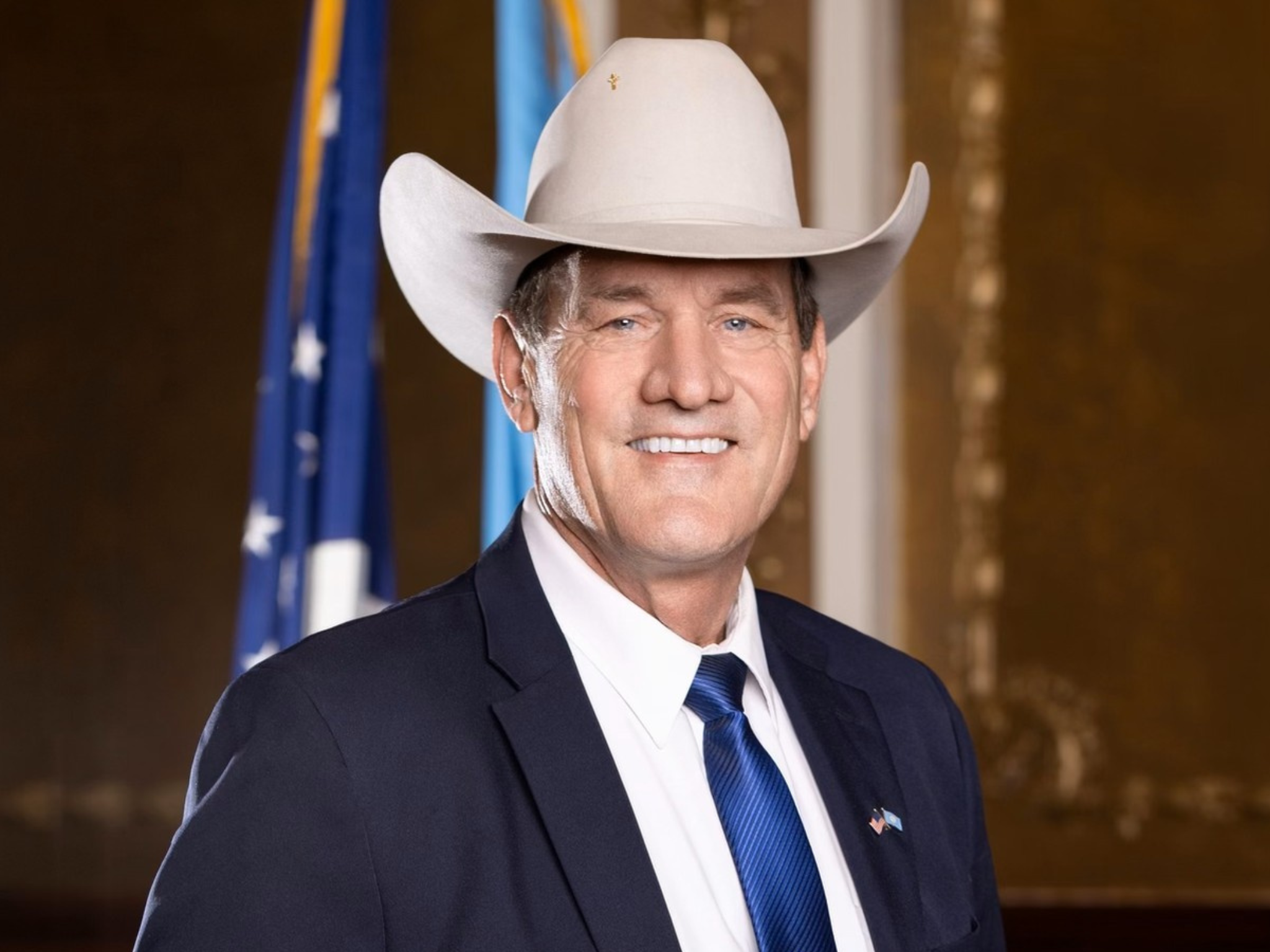
Lawmakers in South Dakota were aiming to enforce a 10-year ban on cultivated meat; Governor Larry Rhoden has vetoed the bill, calling it “against our values” and suggesting an alternative approach instead.
South Dakota’s push to ban cultivated meat has hit a roadblock, with Governor Larry Rhoden vetoing the House of Representatives’ proposal that would have prohibited companies from selling these proteins for the next 10 years.
In a letter to the state legislature, the governor wrote: “While you won’t catch me eating these products, it is against our values to ban products just because we don’t like them. Therefore, I return House Bill 1077 with my veto.”
Though that may seem like a win for the cultivated meat industry, Rhoden outlined that this may not be the end of the issue. To strike a compromise with his fellow lawmakers, he proposed amendments to the Senate’s version of the bill, SB 124, which hasn’t had a hearing yet.
The governor expressed support for a five-year moratorium instead to enable further research within the existing regulatory framework and allow pending legislation in other states to unfold. He added that the Senate bill should “respect constitutional limits and reduce the risk of unnecessary litigation”.
“This approach respects constitutional limits, reduces the risk of unnecessary litigation, and preserves South Dakota’s long-standing commitment to free markets and agricultural leadership,” he said.
Bill to ban cultivated meat raises ‘significant legal concerns’

HB 1077 would have seen cultivated meat added to the list of adulterated food products, selling which could lead to a $500 fine and land you in jail for up to 30 days.
Rhoden, himself a rancher, said the bill marked a departure from the state’s values of nurturing a competitive agricultural economy by permanently banning “a category of lawful, federally regulated food products”.
By banning cultivated meat based on production methods rather than safety, HB 1077 set a precedent “that could ultimately harm South Dakota agriculture”, he explained.
“Other states could adopt similar policies to restrict access to their markets for South Dakota crops or livestock, based not on quality or safety, but on policy disagreements over how those products are produced,” said Rhoden.
“House Bill 1077 raises significant legal concerns, as we have seen in active litigation in other states. Food products approved and regulated under federal law are part of a national marketplace,” he added.
“By categorically and permanently prohibiting the sale and transportation of these products within South Dakota, the bill risks placing an undue burden on interstate commerce, proposes a protectionist economic benefit to in-state industries, and invites expensive constitutional challenges.”
Indeed, Florida and Texas are in the middle of legal challenges against their respective bans on cultivated meat, with judges rejecting both states’ attempts to throw out the lawsuits and allowing the cases to move forward.
Farm and cattle groups supported veto on cultivated meat ban

Rhoden’s decision to veto the House bill was supported by a range of industry groups, including the South Dakota Farm Bureau, the South Dakota Cattlemen’s Association, South Dakota Retailers, and the South Dakota Stockgrowers Association.
“If enacted and upheld, the bill would invite states to ban federally approved products based solely on subjective or political judgments rather than science-based standards,” the South Dakota Farm Bureau said in its statement.
“As a lifelong rancher, I understand agricultural producers take pride in raising our food, and we’ve never been afraid of competition in that regard,” Rhoden noted, striking a similar tone to ranchers in other states who have opposed bans on cultivated meat.
In its statement, the South Dakota Cattlemen’s Association noted that doubting the integrity of the USDA to regulate cultivated meat “also calls into question the agency’s ability to inspect conventional beef products raised by South Dakota ranchers”. “Consumer confidence in the federal inspection system is essential, and undermining that confidence harms all producers and consumers,” it said.
Last year, an attempted ban failed to pass the Senate, and Rhoden signed into law two bills that would require cultivated meat to be clearly labelled and prohibit the state from financing any research, production or distribution of cultivated meat.
“With these safeguards in place, producers are confident that when consumers are presented with a choice, they will continue to choose real beef. We are not afraid to compete in a fair and open marketplace,” the cattle association wrote.
So far, Florida, Alabama, Mississippi, Montana, Indiana, Nebraska, and Texas have banned cultivated meat. And this year, Arizona is attempting to ban cultivated meat with a bill that could put violators in prison for 18 months, and Virginia has floated a bill to impose labelling restrictions on these proteins.
Rhoden’s suggestion to impose a five-year temporary moratorium would, he said, “allow for further study, data collection, and coordination with federal regulators” and “is a more appropriate course of action”.
While this approach also undermines federal agencies, which have established rigorous safety standards for the regulatory approval of cultivated meat, it’s why only four companies have ever sold a cultivated protein product in the US. So despite the veto, South Dakota’s Senate could still land a blow to this industry.