

South Korea’s Samyang Foods Opens Plant-Based R&D Hub in Europe
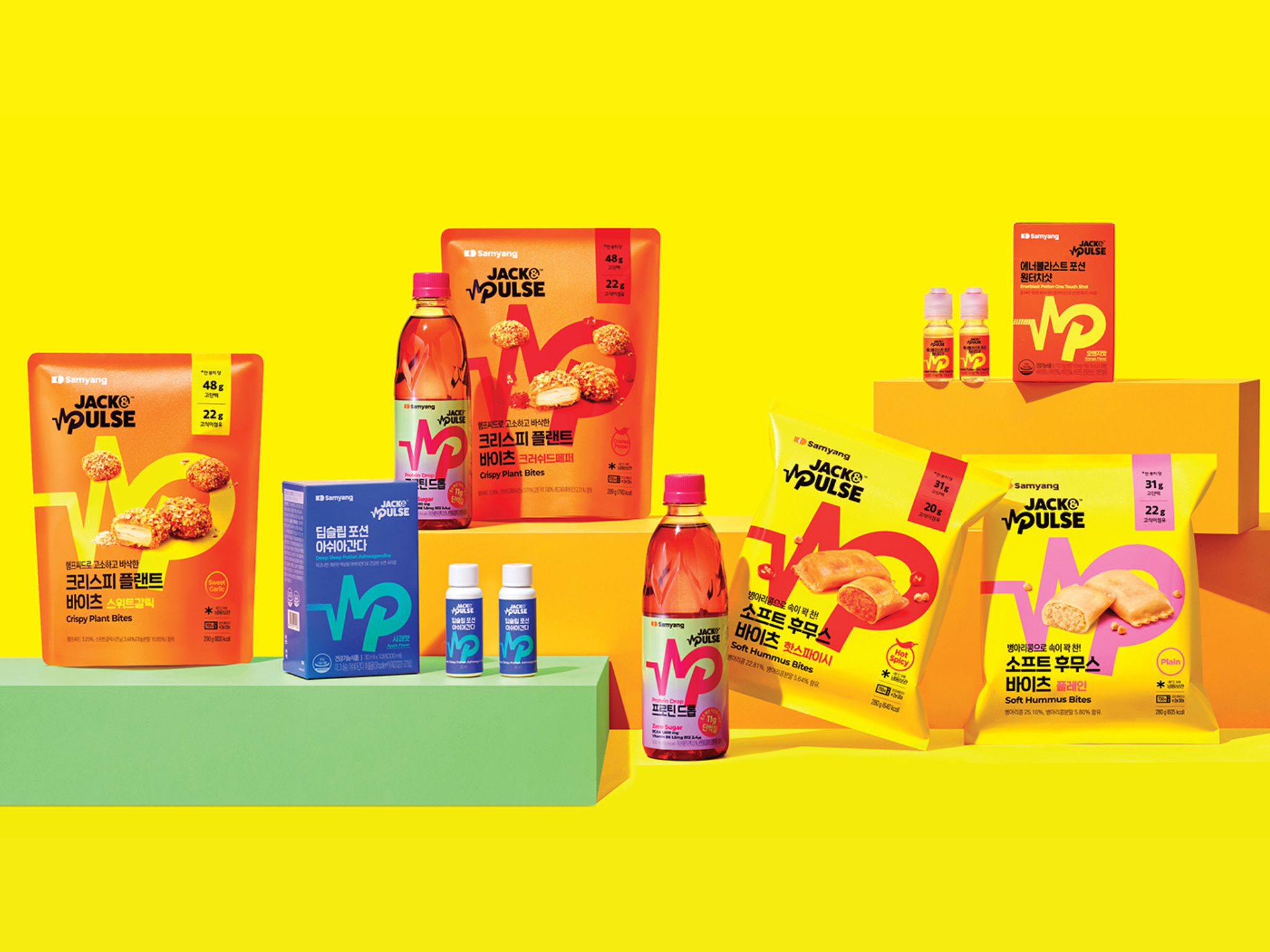
Instant noodle pioneer Samyang Foods has opened a research facility dedicated to plant-based food in the Netherlands, with protein and functional foods among its focus areas.
The company behind Buldak ramen is looking to accelerate the adoption of healthy and sustainable foods and expand its European presence with the opening of a new R&D hub for plant-based foods.
Samyang Foods has set up an office near the Dutch city of Wageningen, one of the world’s leading clusters of agrifood tech research, to focus on the development of new plant-based and functional products tailored to local demand.
It will operate as an overseas research base for Samyang Foods, instead of a local subsidiary. The facility will primarily function as a hub for tech scouting, joint research operations with universities and other institutes, material and tech testing, talent acquisition, and trend exploration.
“We selected Wageningen as our R&D hub to collaborate with the region’s industrial and academic networks, where global researchers, technology partners, and innovative food companies are gathered,” a Samyang Foods spokesperson told the Maeil Business Newspaper.
Samyang Foods taps into Wageningen’s agrifood tech legacy
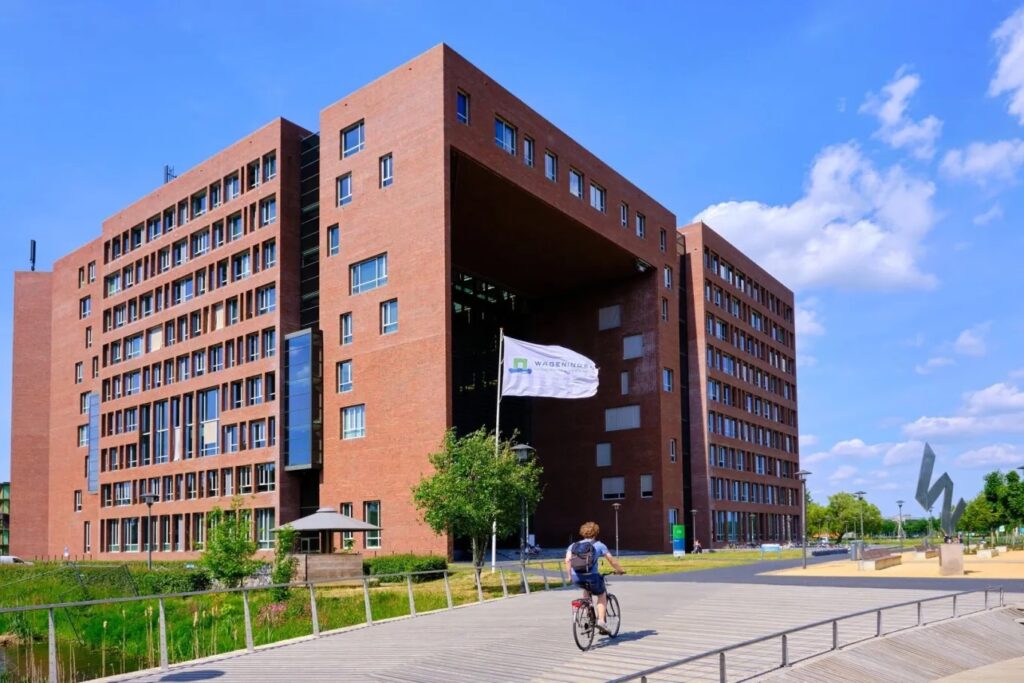
Prior to the establishment of the Wageningen facility, Samyang Foods had already set up its European R&D hub with a temporary office an lab space in the Ede area in January. It moved to the permanent site in Wageningen once the facility was completed in February.
The city is a hotspot for future-facing food and agricultural research, home to the world-renowned Wageningen University & Research, a leading authority in the food tech R&D ecosystem. The institute has spawned many startups working at the intersection of food and climate, including Time-Travelling Milkman, Rival Foods, and Revyve.
In 2024, academics from the university called on the EU to reduce livestock numbers and support a shift to plant-based diets to meet its food security and climate targets.
It underscores why Samyang Foods’s new R&D hub is focused on plant-based foods, which have a dramatically lower impact on greenhouse gas emissions, land use, and water consumption.
The South Korean food giant plans to boost its future food capabilities by partnering with the researchers, tech enablers, and innovative food companies concentrated in Wageningen.
One of the main areas of focus for the facility is to conduct research on plant proteins, although its full scope will be much broader, covering new and innovative technologies that can enable the development of healthier and more functional plant-based foods.
Research hub to operate in tandem with market-facing subsidiary

The R&D hub doesn’t directly generate sales and is mainly being run on research expenses, so it’s initially being operated as an exploratory unit, with a flexible structure built for potential business expansion in the future.
It currently has seven employees, with plans to expand staff to up to 15. It will be run in cooperation with Samyang Foods Europe, a subsidiary established in Amsterdam in 2024, which serves as Samyang Foods’s sales base.
“We plan to actively incorporate the opinions and insights of our European subsidiary to enhance our understanding of the market,” the company told Maeil Business Newspaper.
Choosing the Netherlands as its base of operations in Europe is a smart move: the country is one of the region’s food tech trailblazers, with several leading alternative protein facilities and a highly supportive policy environment.
The Dutch government is targeting a protein consumption split of 50% plant-based and 50% animal-derived by 2030, and many supermarkets have gone beyond to set more ambitious targets. Trade organisations have called on policymakers to extend their support for this transition.
And in December, the Health Council of the Netherlands updated the national dietary guidelines to lower per capita red meat intake from 475g to 200g per week, and instead increase the consumption of legumes by fivefold (to 250g per week). It called for a greater intake of nuts too, and noted that meat and dairy alternatives “can fit into a healthy and sustainable diet”.
Like the Netherlands, South Korea is also emerging as a hub for future food in Asia, with its government unveiling a national action plan for plant-based foods in 2023, becoming just the second to do so.
It’s a movement being propped up by some of the country’s largest food companies, like Pulmuone, CJ CheilJedang, and Nongshim, who are boosting the local plant protein sector through innovations and international collaborations.