

Starbucks India Taps GoodDot’s Plant Protein for New Toastie, Though Unclear Messaging Hinders Mission

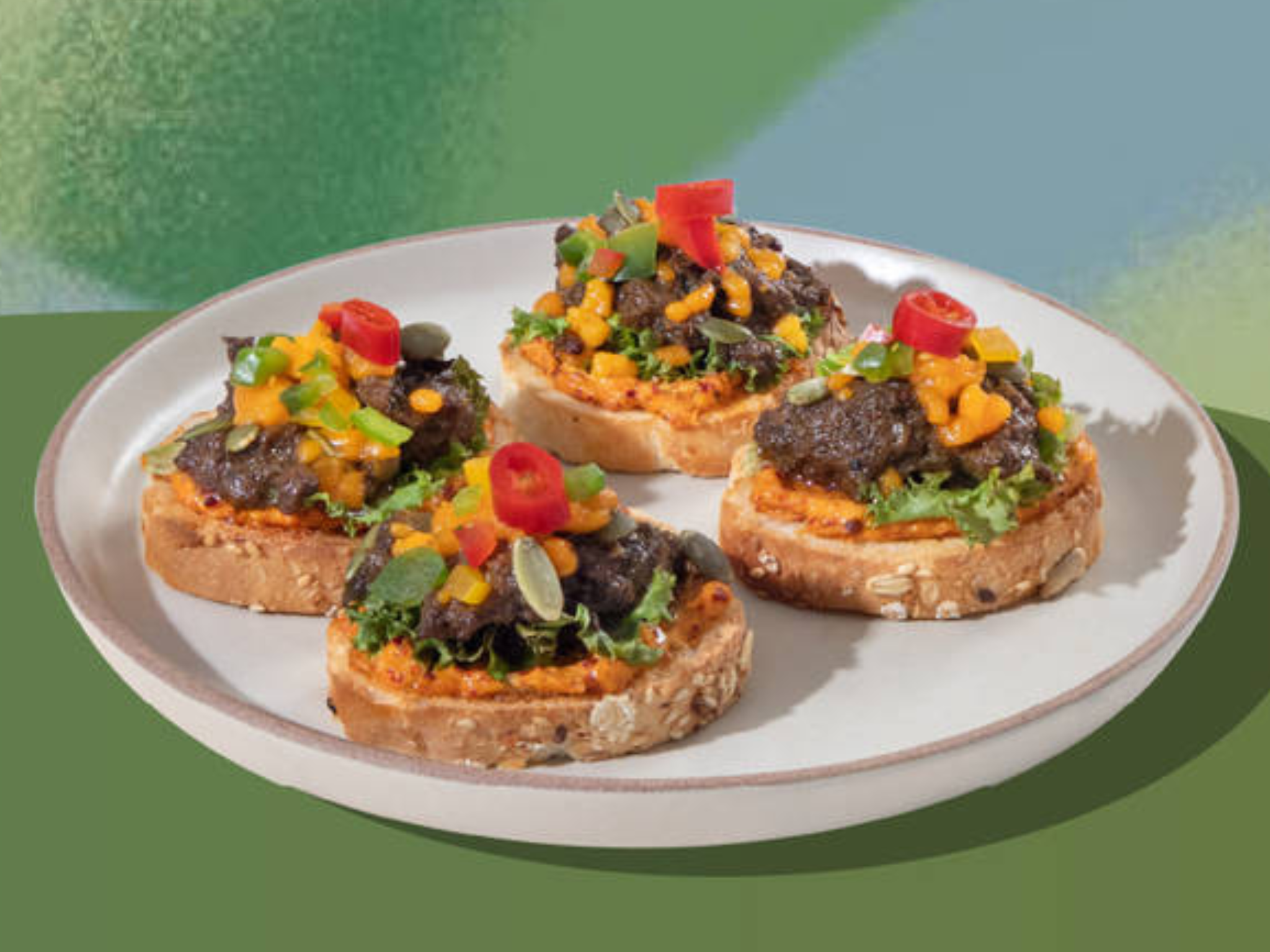
Starbucks has launched a new menu item centred on local startup GoodDot’s soy and pea protein mince, extending its plant-based bet to satiate India’s hunger for protein.
Indians can now walk into a Starbucks store and grab a breakfast meal with around 50g of animal-free protein.
The world’s largest coffee chain has already pioneered the Proffee movement in the most populous nation, rolling out cold foams boosted by yeast protein from Indian startup SuperYou.
Now, Starbucks is digging deeper into this strategy, leveraging the expertise of another local player to launch a plant-protein-packed dish on its menu across the country.
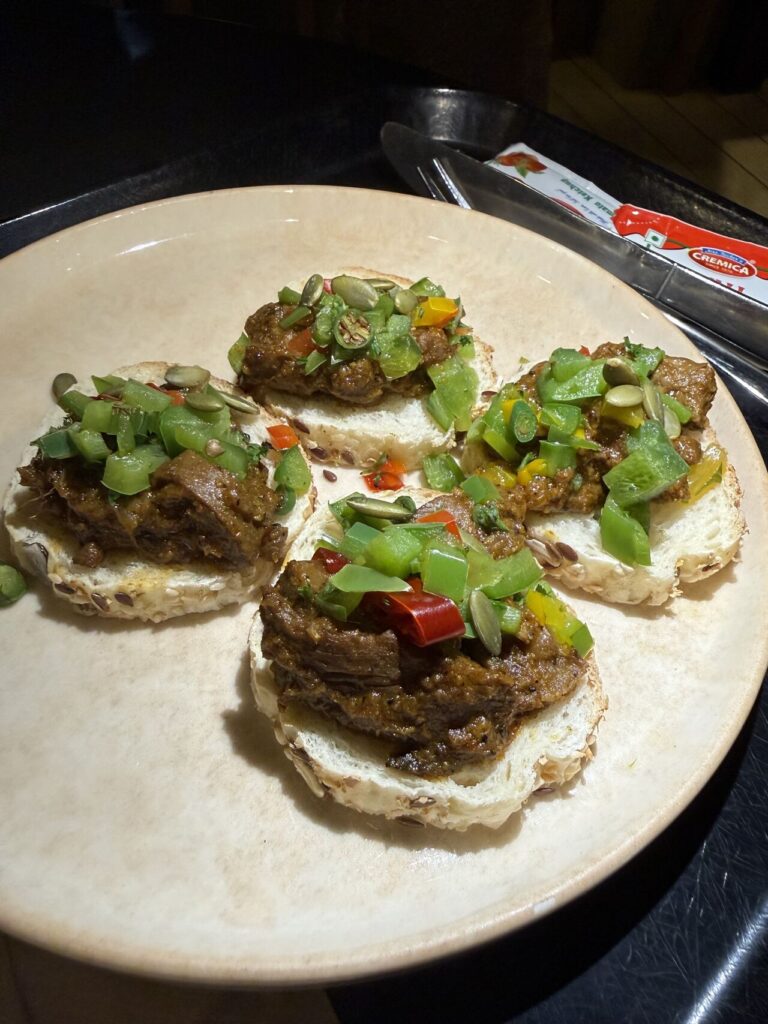
It has teamed up with GoodDot to introduce Soya Protie Toastie, which comprises bruschetta-style toasts topped with a Chettinad curry made from soy and pea protein, and packs 32g of the macronutrient per serving.
By default, the new dish isn’t vegan; since it’s made fresh in-store, it can be customised to remove the cheese, GoodDot co-founder and CEO Abhishek Sinha confirmed to Green Queen.
Plant protein shift is grounded in improving ‘everyday experiences’
Now a decade old, GoodDot is one of India’s earliest and most well-established plant-based meat players, with a consumer-facing product range spanning soya chaap, mutton-style bites, chicken-like chunks, BBQ tikkas, biryani, and even an egg-free scramble.
It also makes a line of plant protein products for B2B clients, including soft chunks, nuggets, kebabs, soya chaap skewers, and the Chettinad curry that Starbucks has embraced.
“Seeing it on Starbucks shelves, where millions make daily food choices, feels amazing,” Sinha said in a LinkedIn post. “It reinforced the idea that compassion, health and commerce can mutually coexist.”
GoodDot has a history of partnering with major food brands. Last year, it teamed up with iconic Indian restaurant chain Haldiram’s, which added its soya chaap – a staple soy-based meat alternative in India – to its menu in the national capital region, which encompasses the cities of New Delhi, Gurgaon, Noida, Faridabad, Ghaziabad, and more.
And at the start of this year, it partnered with hotel giant Hilton on a month-long plant protein festival across its 32 locations nationwide.
Starbucks’s GoodDot partnership comes as research suggests that 80% of the adult population in India is protein-deficient. And while some argue there’s more to protein intake than meets the eye, Indians are still consuming more protein than ever before.
India’s protein market is already valued at $1.5B, and it’s poised for explosive growth over the next decade, thanks in large part to the alternative protein ecosystem. Surveys show that 37% of citizens want to add more plant proteins to their diet, and a larger share of consumers want to increase their intake of protein from plant-based sources than from animal sources.
“No complex messaging. Just good food, in a format people already love,” said Abhinav Sinha, co-founder and VP of strategy at GoodDot. “That’s where the real shift is happening in the (plant) protein space. Not in loud claims or category jargon, but in everyday food experiences getting better.”
Lack of clarity over customisation undermines Starbucks’s plant protein bet
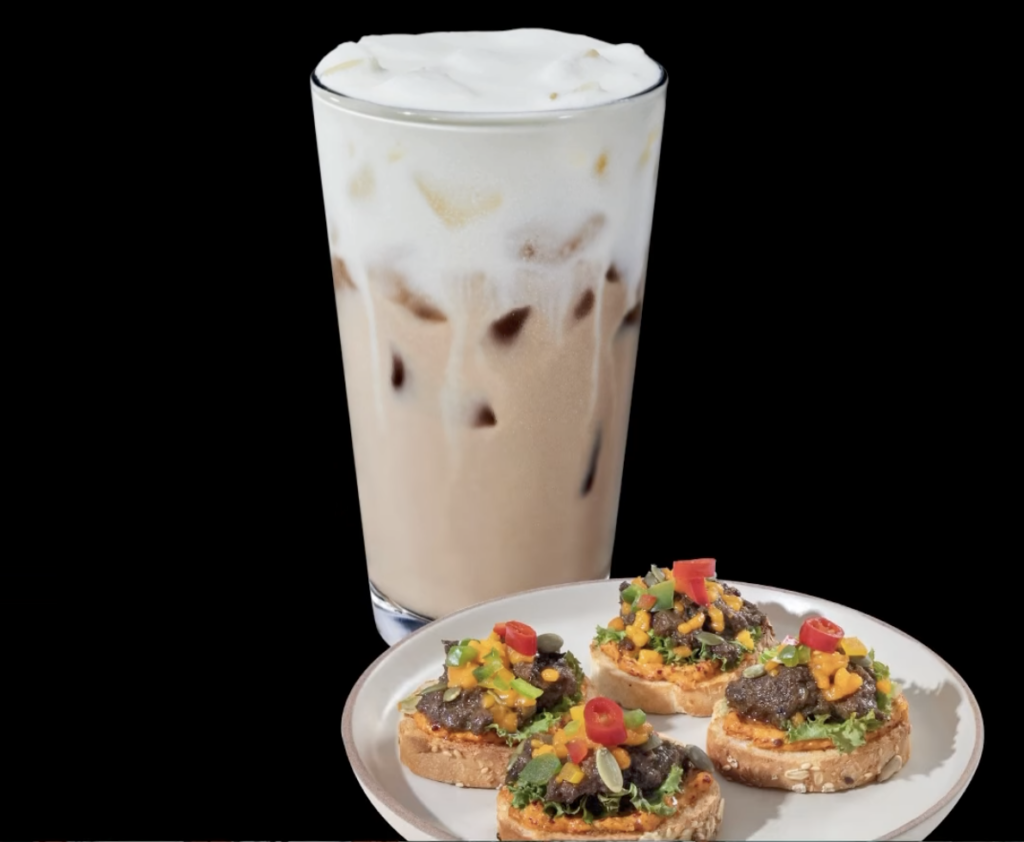
The hunger for protein is why Starbucks roped in SuperYou to make India just the second market where it offers protein cold foams, and why it added a plant-protein-centric option.
The yeast-protein-boosted drinks can offer up to 18g of protein, although that includes the native protein content found in cow’s milk. If swapped for soy milk, the protein levels would be similar. The 32g of protein delivered by the new toasties includes the values from cheese, too, so when removed, the total protein content would be slightly lower.
This is where things get tricky. Customers can make both these items – already being offered as a combo – vegan, though doing so is complicated. Walk into a store and ask for a protein cold foam drink with soy milk, and the barista will likely make a soy milk latte with a foam that contains yeast protein and dairy.
Starbucks shoppers have to specify that they want their cold foam made with non-dairy milk, and accept the barista’s warning that the foam may not be as stable. Likewise, they need to specially ask for the cheese to be omitted from the new toasties.
And there’s no way to do this on the company’s mobile app – customising these menu items to be vegan is only possible in person, and often with a little pleading.
Many Indians are unaware that these offerings can be made plant-based, and that’s a communication miss on Starbucks’s part. On the one hand, the company is championing India’s alternative protein industry; on the other, it’s hampering its own efforts with a lack of clear messaging about customization.
Others have bungled communications around plant-based launches, too. Last year, McDonald’s India introduced vegetarian slices that add 5g of protein each to any burger. Upon launch, it said the product contained soy, pea and whey proteins; its website now states that they’re made from “premium plant-based proteins including peas and soy protein”, with no mention of whey.
McDonald’s latest allergen sheet from December 2025 doesn’t contain any information on the Protein Plus slices, nor does its updated menu from January this year. The burger chain continues to offer the plant protein slice, but there’s still no confirmation about its full ingredient makeup.
Credit where it’s due, though. These launches from Starbucks and McDonald’s are an important step forward for India’s alternative protein ecosystem. That said, as two of the world’s largest food service brands, they could accelerate this transformation with better communication.