

Protein, Pulses & Policy: Is Switzerland Safeguarding Its Future Food Security?

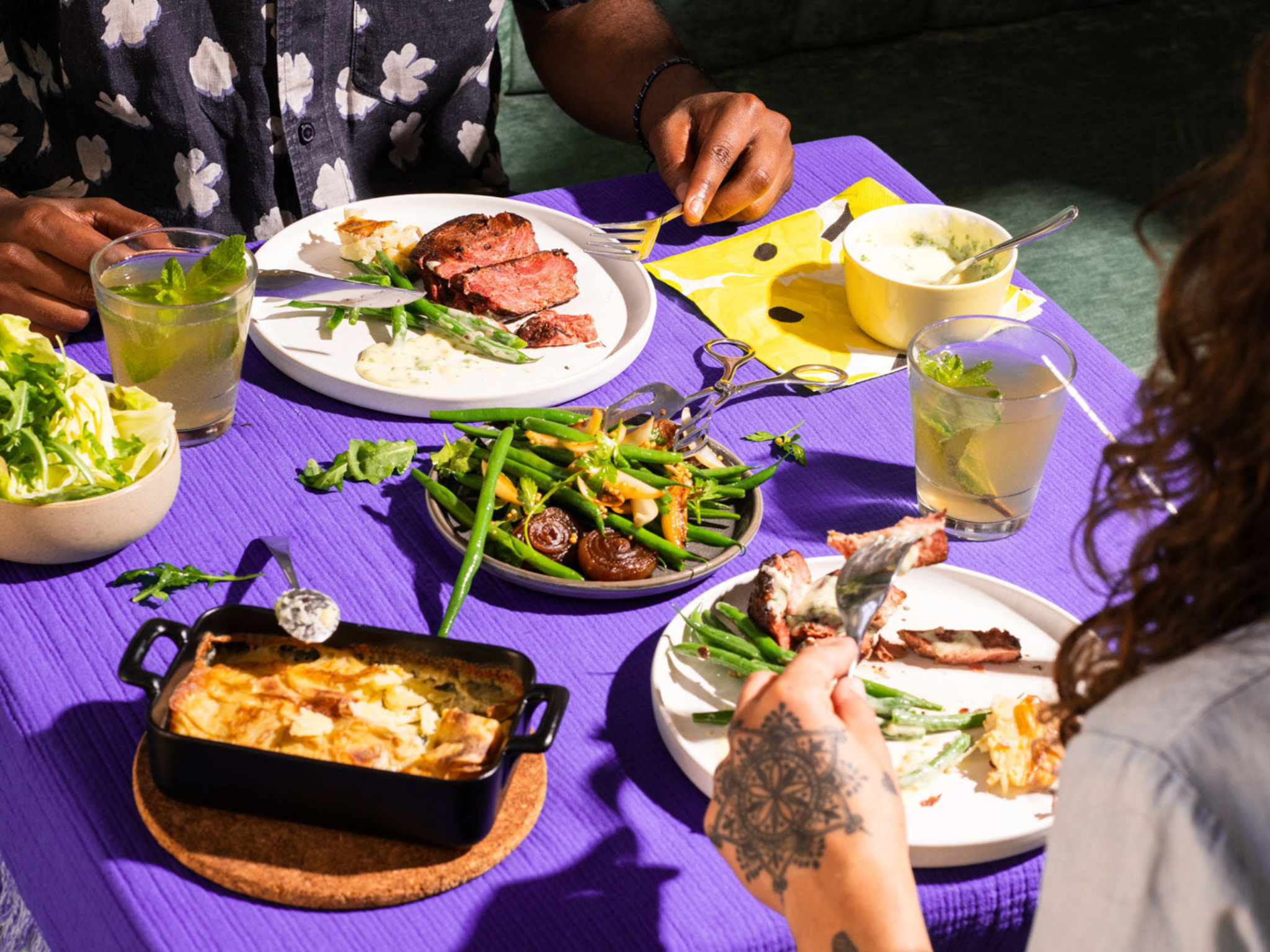
Despite ambitious sustainability targets and a booming food-tech sector focused on plant-based protein, Switzerland’s transition to a future-ready food system is being undermined by deeply entrenched government policies and subsidies that favour traditional meat and dairy.
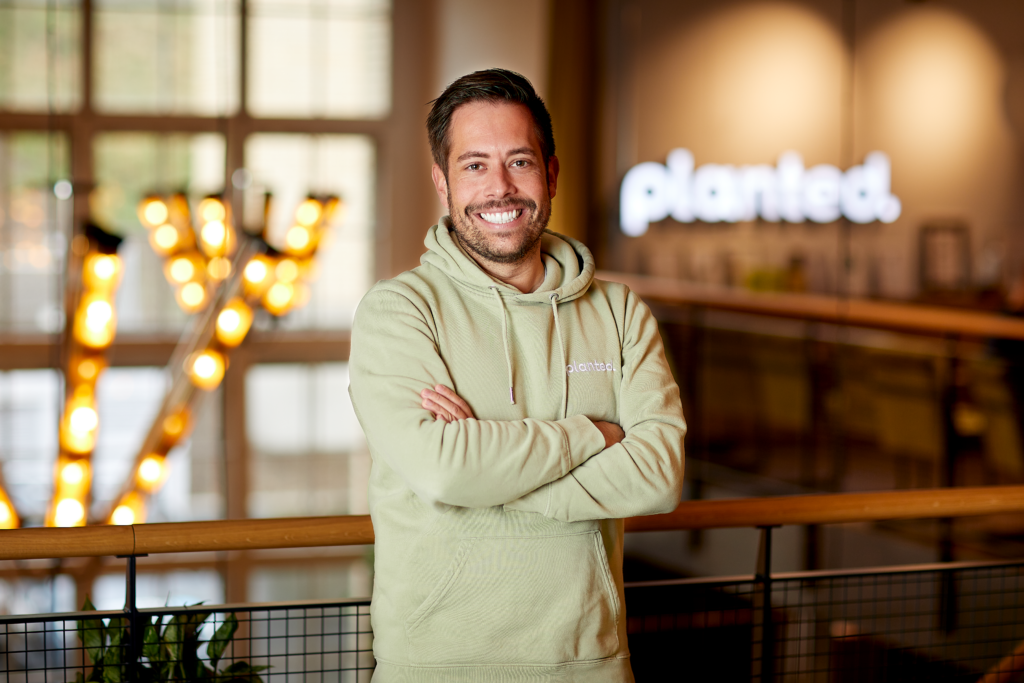
Field trips are often a highlight for school children, a welcome break from the boring classroom routine, and a chance to discover something new. That’s how everything started for Pascal Bieri, co-founder of Planted, Switzerland’s leading plant-based protein startup.
Born and raised in the Swiss countryside, Bieri is passionate about both food and nature. Early in his life, he was confronted with how the two clashed. “During a primary school trip, we went to our local lake, which is dead because of runoff from pork farms. We were shown this big machine that pumps oxygen into the lake to keep it artificially alive. It was sold as such a feat of engineering, but it didn’t seem to occur to anyone to fix the problem upstream.”
As an adult, Bieri decided to tackle the challenge himself, founding Planted in 2019 with his cousin Dr Lukas Böni, with a mission to accelerate the protein transition by centring delicious, sustainable protein on the Swiss plate. Yet, for the first time in years, meat consumption in Switzerland is rising, and some are calling it the end of the plant-based hype.
But food systems shifts are nonetheless underway. Bold policy targets from the Swiss federal government aim to treat a complex litany of issues: the triple threat of limited food sovereignty, a rapidly warming climate, and increasing rates of diet-related diseases. High hopes are placed on the local food tech and innovation sector to ease the transition.
The current state of Swiss food security
As a landlocked country nestled in the arable-land-deficient Alps, food security is of paramount importance for Switzerland. Since 2010, the nation’s population has grown by an average of 1% every year, leaving local leaders wondering: how will we feed the nation?
This is not a new problem. In the mid-1930s, while the rest of Europe was dealing with the Second World War, neutral Switzerland was already grappling with an existential problem: when your land is limited, and your allies can’t send you their surplus food, how do you make sure your people don’t go to bed hungry at night?
Friedrich Wahlen, a Swiss agronomist and politician, was the man tasked with solving the question. His “Wahlen plan”, though unpopular, helped his countrymen survive the war and avoid food rationing. An ambitious strategy designed to cement Switzerland’s food sovereignty, it demanded that every cultivable area in the country be converted to food production – including parks and football fields – and pushed for a rapid decrease in meat consumption to divert animal feed back to human bellies.
Before 1941, Switzerland was importing approximately 50% of its calories, a figure that has remained consistent to the present day. The government, via its recently published national agriculture and food climate strategy, wants to maintain this while simultaneously decreasing the carbon footprint of Swiss plates by a whopping 67%.
Climate change makes this tricky: Switzerland is warming faster than the rest of the world and has almost breached +3°C. And with 43% of Swiss people classified as overweight or obese, the nation is losing up to 17 billion Swiss francs ($21B) a year due to poor nutrition.

Access to healthy and sustainable proteins is one of the foundations of a successful future food system. Animal protein production is land-intensive – 60% of Switzerland’s limited arable land is currently being used to produce animal feed – and not great for the planet, accounting for 85% of agricultural GHG emissions.
Lowering meat and dairy demand should be a no-brainer, but getting people to change how they eat is complicated. Today, the Swiss are eating more meat than ever: an average of 50kg of meat per year, twice the global average, and about 25% more beef than the EU average.
Meanwhile, dairy products, which are almost as bad for the planet as beef, are a cultural staple, with Swiss residents consuming an average of almost 300kg of dairy products per year.
Federal and local governments seem pretty aligned on the path forward. The nutrition strategy centres sustainability alongside human health, and the agriculture strategy is anchored in the realities of climate change.
The hope of new technologies: food sovereignty, better nutrition, and a lighter climate footprint
For some, the answer is clear: solving these interlocking problems means investing in the development of new protein technologies. Switzerland can look across the globe for inspiration to the tiny, forward-thinking city-state of Singapore.
In 2019, the Singaporean government announced its “30 by 30” strategy to boost food security, aiming to have 30% of consumed food be produced locally. With Singapore importing over 90% of its food, the hill to climb is quite a bit steeper than in Switzerland.
Hundreds of millions of dollars invested later, the Singaporean government’s plan has resulted in limited success and has been reframed. Its new “Food Story 2” strategy was unveiled in late 2025, focusing on a wider array of goals: local fibre and protein production, strong and diverse partnerships, and a new stockpiling strategy.
While alternative proteins are no longer a central part of the country’s food security blueprint per se – mostly due to their lack of availability and their higher costs – Singapore continues pouring money into alternative protein development, earmarking the vast majority of its future food R&D budget to this sector.
Six years on, Switzerland can learn from both the successes and failures of Singapore. On the one hand, innovation in the food tech sector – specifically protein – is a major hope for a sustainable and food-safe future. Having said that, consumers are price-conscious, meaning governments must step in to even the playing field between alternative and traditional protein, ensuring that the millions invested in R&D do not go to waste once products hit the supermarket shelves.
With this in mind, it’s clear that the food innovation sector in Switzerland is booming, growing by 64% over the past four years. The country boasts 227 active startups. While they are playing their part, the government is sending mixed messages to innovators: signing checks for food tech R&D, but not following through on the policy front.
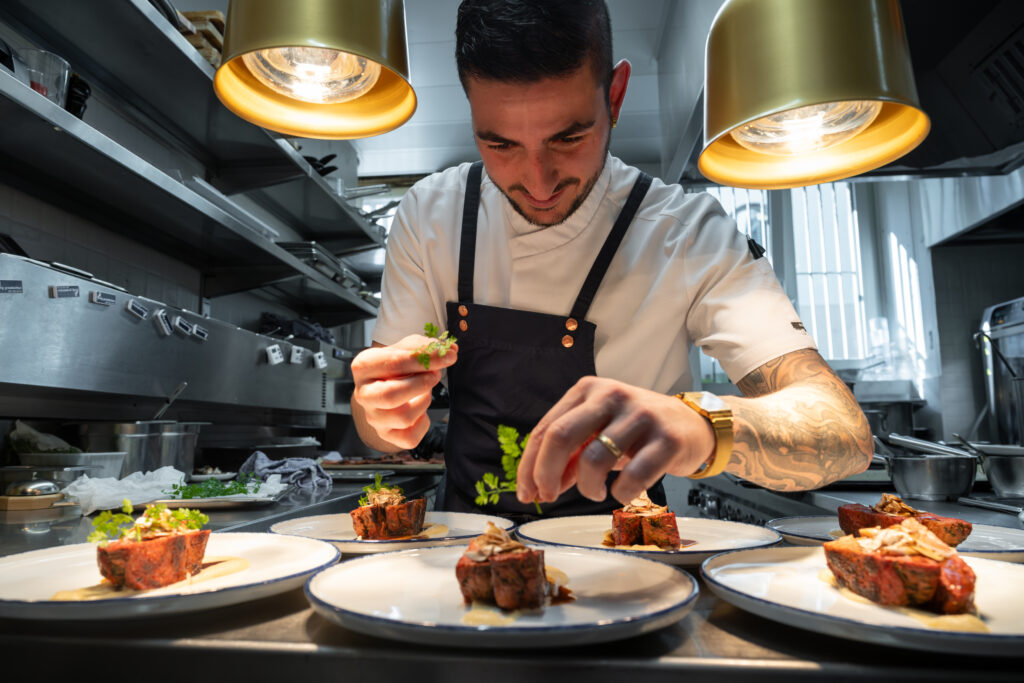
Planted’s Swiss headquarters sit just outside of Zürich, in an up-and-coming food tech innovation park. With over 200 employees, Planted boasts a large product range, having developed over 20 plant-based meat replacements, from whole-muscle plant-based steak to pork-inspired meat products. Bieri speaks fondly of the early years of Planted, which he says “wouldn’t have been possible without the help of the Swiss Federal Institute of Technology (ETH) and their pioneer grant”.
Today, Planted products are ubiquitous across the country, found in many Zürich restaurants, in most supermarkets, and in various collaborations with well-known chains – most recently, Subway. Bieri was poised for global expansion from the beginning, and today, his products are sold across Western Europe.
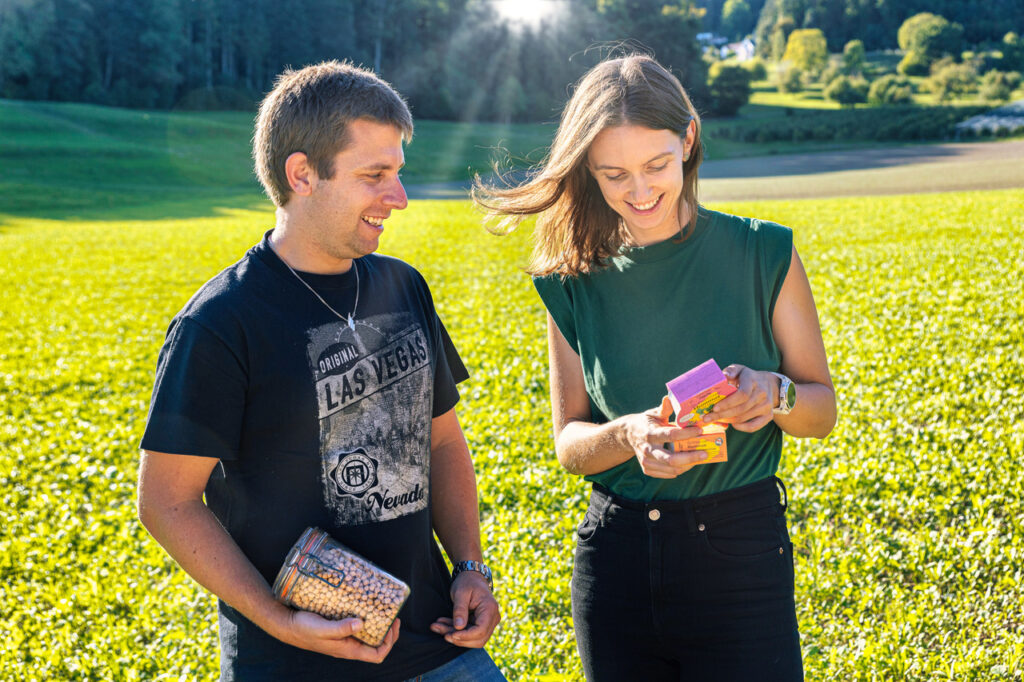
New-kid-on-the-block Fabas is a female-founded food startup tackling the Swiss dairy addiction using locally grown legumes. CEO and co-founder Anik Thaler realised as a student that beans are an incredible solution to many of Switzerland’s food issues. They are highly nutritious, have a small carbon footprint, and are excellent for improving soil quality. The problem? Imported beans are far cheaper than homegrown ones. Still, Thaler was undeterred by her “radikal lokal” (radically local) mission.
After a couple years of selling falafel and hummus made from Swiss chickpeas, Thaler pivoted to focus on the dairy problem, bringing on co-founder Dr Katharina Pälchen to help traditional yoghurt producers expand their product portfolio from animal-milk yoghurt to plant-based alternatives by offering them the Fabas “pre-mix”, the equivalent of milk from a dairy farm, and the accompanying bacteria that can ferment it into yoghurt.
The strength of its approach is that it plugs straight into the operational workflow of traditional animal-milk yoghurt-making efforts with no adaptation required, making the plant switch a no-brainer for producers. Swiss farmers are eager to supply Thaler. “We have a waitlist of over 120 Swiss farmers that want to sell their beans to us,” she says.
Farmers all over Switzerland are starting to join forces around pulse production, citing climate change, health, and animal rights as major motivators. Fabas has received a great deal of support at both the national and local level, securing the coveted Innosuisse grant from the federal government to help with R&D, as well as a climate grant from the city of Zurich and support from neighbouring city Schlieren, a suburb of Züich, to scale up its lab space.

Bold strategies upheld by weak measures
Despite all this momentum, it’s still difficult to compete with conventional dairy players. “What we really need is policy change,” Thaler says. Today, the Fabas pre-mix is roughly twice as expensive as cow milk on the Swiss market, mostly due to production scale and the lack of government subsidies for pulses.
Switzerland’s broad dairy subsidies, which support the transformation of milk into cheese and the sale of Swiss milk itself, remain a key obstacle. And Swissmilk, the national marketing and information organisation of Swiss milk producers, receives federal funding every year to promote the quality of local milk over that of foreign imported dairy, even though Switzerland does not import any milk.
Thaler is a pulse activist, co-founder of the Swiss Pulse Board, where she advocates for local pulse production to receive the same boost as meat, dairy, and other Swiss crops. A recent paper confirms that while Swiss-grown legumes could replace up to 84% of meat protein, price and politics stand in the way.
Bieri has witnessed a similar situation. Beyond R&D support and the early production phase, Planted does not receive ongoing subsidies from Switzerland, whereas the meat industry continues to benefit from both advertising and production subsidies. Bieri criticises this as “a historical and inefficient system that costs Swiss taxpayers a great deal of money.” To remain competitive, Planted is investing heavily in scaling up its production to improve unit economics.
On the surface, Switzerland is a strong defender of the free market, but in practice, the food market is not truly free. Over 60% of the state’s subsidies for food and agriculture are earmarked for the production and promotion of animal-based foods, and less than 10% supports plant products. In total, 5.4 million Swiss francs ($6.7M) are invested each year by the government into the advertising arm of the meat lobby alone.
“The strategy documents [from the government] outline bold climate goals for sustainable food systems transformation, but the measures outlined in the action plan, if they are fulfilled, would not allow us to meet these goals,” says Silvano Lieger, policy expert and founder of the non-governmental association Protein Transition Switzerland (PTS). “The culture in Switzerland is to hold on to the status quo,” Lieger says, “and the status quo is meat.”
Sarah Heiligtag, who leads the TransFARMnation project, has successfully coached over 200 farms on swapping meat for beans. She sees that “many farmers want to make the switch, but there is really no help from the government. Today, chickpeas imported from Turkey are still 10 times cheaper than the ones grown in Switzerland.”
Ultimately, when a tired consumer enters the supermarket, they often default to purchasing meat because it is comparably priced or cheaper than plant-based alternatives, and its consumption is heavily promoted through more aggressive advertising.
Swiss founders are working hard to get local food systems future-ready, and the Swiss government has an opportunity to cement its place as a world leader in sustainable food systems.
“What’s missing in Switzerland is a clear vision for the future,” Bieri says. “I’m not the kind of person that wants to ask for a million subsidies to make our products cheaper, but, at the very least, equalise the playing field between us and the meat industry – and start to account for externalities, instead of subsidising them.”