

Alternative Proteins ‘A Major Opportunity’, Says UK Food Security Minister

The UK’s food security minister has confirmed that alternative proteins represent a “major opportunity” in the upcoming national food strategy, with a promise to accelerate novel food approvals.
Just a week after the UK’s food safety agency identified cultivated meat and fermentation-derived proteins as two of the country’s most promising future food innovations, the alternative protein sector has received further backing from the government.
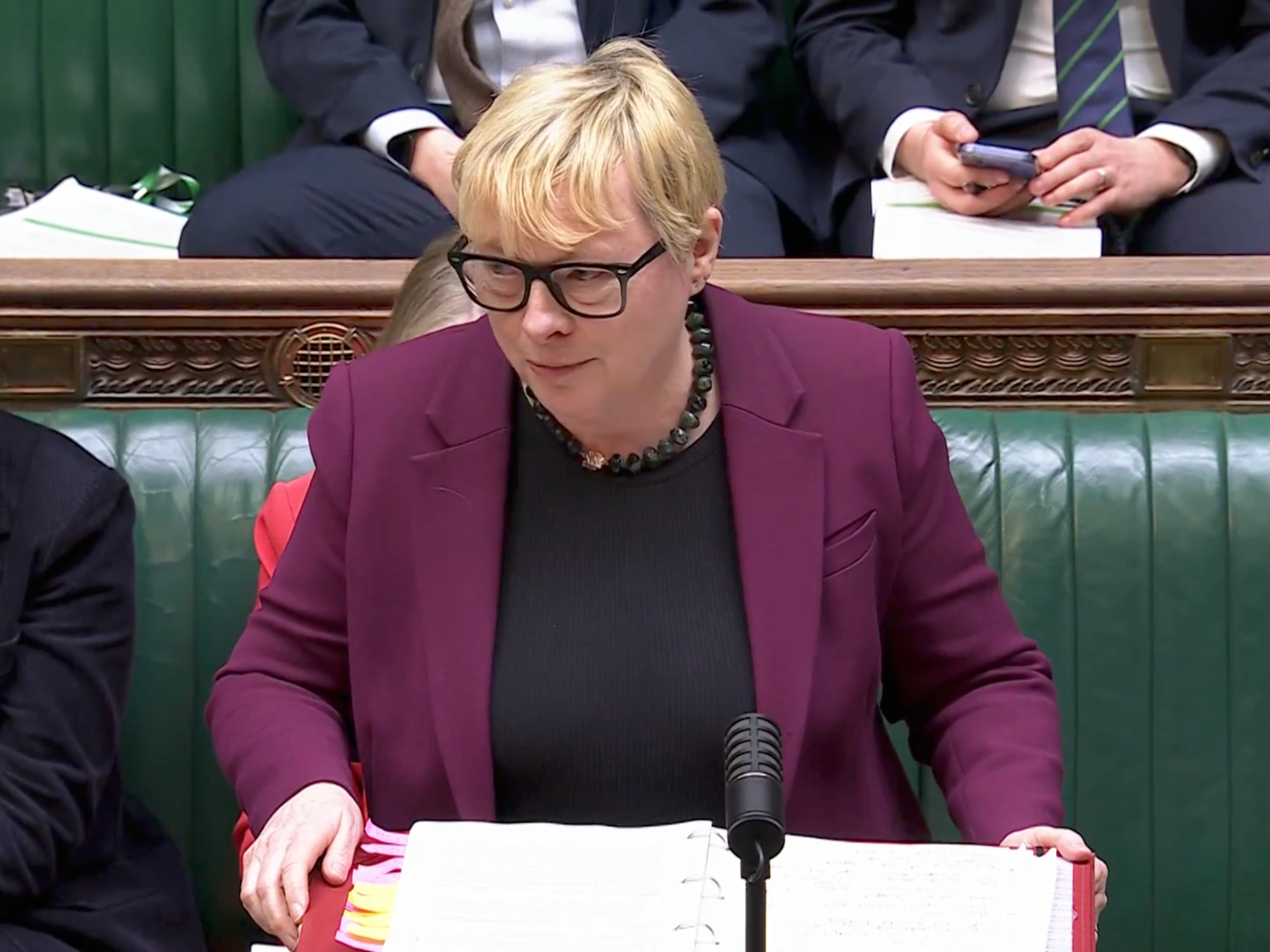
During a parliamentary debate at the House of Commons, Dame Angela Eagle, the minister for food security and rural affairs, said these sustainable proteins will play a key role in the forthcoming Good Food Cycle strategy.
Responding to a question by Labour MP Will Stone about the integration of this sector into the latter plan, Eagle said: “The government’s Good Food Cycle strategy sees alternative proteins as a major opportunity, and not just for the economy but for health, sustainability and food resilience.”
She added: “We are backing the sector and working with the Food Standards Agency [FSA] on novel food programmes to accelerate precision fermentation technology.”
UK food strategy prioritises health and sustainable food environment
The UK’s new food strategy was first proposed by Eagle’s predecessor, Daniel Zeichner, aiming to create a “good food cycle” where businesses can invest in healthier and more sustainable supply chains to make food more accessible and affordable to the public.
The goal is to ensure that the UK’s food system has a “smaller environmental footprint, supports our net zero commitments, and is more resilient to short-term shocks and better adapted to the long-term challenges”.
The government has identified 10 priority outcomes from its plan, the first two being “an improved food environment that supports healthier and more environmentally sustainable food sales” and “access for all to safe, affordable, healthy, convenient and appealing food options”.
This is where alternative proteins come in, with the Good Food Cycle pledging to ensure that regulatory frameworks promote innovation and economic growth, calling “proportionate and predictable regulation” essential.
It’s a much-needed overhaul of the UK’s novel food regulation system, which had continued using EU-era regulation for years after Brexit. That increased the time and money it takes for food tech innovators to bring novel proteins like cultivated meat and precision-fermented proteins to market.
But the FSA began modernising its framework in 2025, launching a cultivated meat regulatory sandbox to help fast-track the launch of these products. And late last year, it published the first of several pieces of guidance for cultivated meat regulation.
Cultivated meat could enter UK market next year

“The cultivated meat sector could bring in billions of pounds to the UK economy and help to increase food chain security. Companies such as Hoxton Farms are leading the way in this – they are genuinely world-leading,” said Stone, asking Eagle whether she would meet with the London-based startup to support the growth of this sector.
“I am happy to meet my honourable friend and congratulate the company he mentions, which is leading the way in this area,” the food security minister responded.
She added: “We have a major national hub for plant-based, cultivated and fermentation-based research and development, which is at the forefront of progress in this exciting new area.”
That hub, the National Alternative Protein Innovation Centre, is located at the University of Leeds, and was set up through a £38M investment from public and private sector players, £15M of which came from the government.
Three other major alternative protein R&D centres have been established since 2023: the Cellular Agriculture Manufacturing Hub, the Microbial Food Hub, and Bezos Earth Fund‘s Centre for Sustainable Protein. Collectively, they have been backed by over £60M in public and philanthropic funding.
The Good Food Institute Europe suggests that the UK has invested £75M towards developing sustainable proteins since Henry Dimbleby’s National Food Strategy in 2021. In reaction to the new food strategy, the think tank has urged the government to invest a further £150M for alternative protein R&D and infrastructure between 2026 and 2030, including £30M to set up a plant-based innovation fund.
Eagle’s comments come shortly after the FSA published a report on innovative food technologies that could come to British plates over the next decade. Cultivated meat and precision-fermented foods are amongst the products closest to launch.
The regulator is currently evaluating four cultivated meat applications from Aleph Farms, Ivy Farm Technologies, Vital Meat and Gourmey (both owned by Parima), with the latter being the furthest along in the process. The FSA is hoping to complete safety evaluations for cultivated meat by February 2027, which will then be subject to ministerial approval before launching into restaurants and supermarkets.