

Yoga Bar Founder, Better Bite Ventures Launch $260,000 Scheme for Next-Gen Food Startups in India

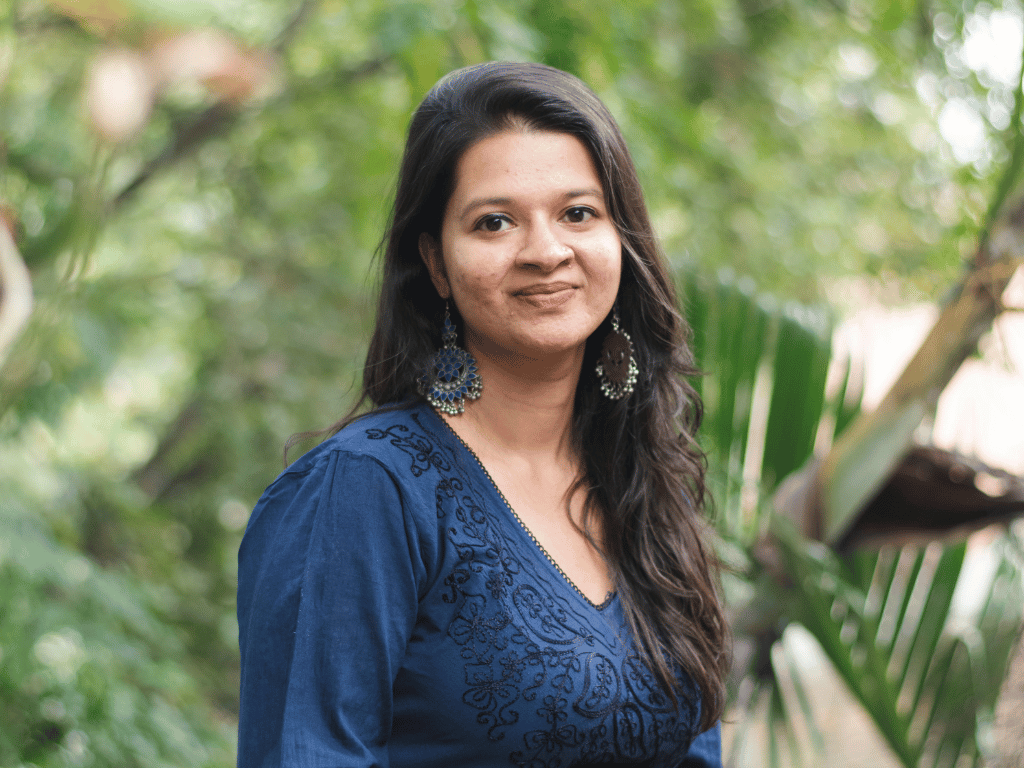
VC firm Better Bite Ventures and Yoga Bar co-founder Suhasini Sampath have teamed up to launch First Bite India, a funding initiative to scale an emerging startup in the better-for-you, functional, or next-gen food categories.
Suhasini Sampath and her sister built a protein bar startup from scratch into a ₹1,000 crore (over $100M) business in under a decade, before exiting with a sale to India’s second-largest FMCG company.
Now, the Yoga Bar co-founder wants to support the next disruptive modern food brand in the country.
She has collaborated with Singapore-based VC firm Better Bite Ventures to launch First Bite, a ₹25 crore ($260,000) call for India’s “earliest-stage food founders”.
“India is arguably the most exciting market in Asia-Pacific right now for food consumer brands,” Michal Klar, managing partner of Better Bite, tells Green Queen. “We believe the next generation of food brands is being created there as we speak – and we want to support founders with their first cheque.”
Applications for the scheme are open until September 23. “We are looking for brands in functional food and beverage, healthy snacking (including protein and fibre), and better-for-you staples. We also like modern takes on nostalgic and classic foods,” he outlines.
Winning founders will have a ‘sharp take on a big category’
The $260,000 sum is available to any consumer food or drink brand that’s pre-launch or has only just begun selling, and founders don’t need revenue or decks. The product and branding can still be works in progress, as long as there’s a defined direction, and the company doesn’t need to be incorporated.
On its website, Better Bite explains that strong applicants would have a unique take on a large food category, with a compelling reason to exist that competitors can’t copy and founders who know why their product is needed in the current landscape.
Startups that have raised a small round from angels or early-stage investors are still eligible, as are those in the middle of an ongoing fundraise, with the VC firm open to join other investors in those efforts.
Better Bite has backed more than 30 startups across Asia-Pacific, including Indian players Greenest, Shaka Harry, and Phyx44, often offering the first cheque. Its portfolio companies have gone on to raise hundreds of millions of dollars in follow-on funding.
The winning startup would not just benefit from the capital, it also be able to tap into Sampath, who turned Yoga Bar into a household brand in the world’s most populous country, as a sounding board. Plus, it will benefit from introductions to investors for when it’s time to raise again.
“I built Yoga Bar from a first batch to an exit. Now I want to back the person who’s about to start that journey,” Sampath says. “We’re not looking for traction. We’re looking for a sharp take on a big category and a founder who knows exactly why this product and why now. If that’s you, or you know who it is, apply.”
Once the applications close, Better Bite and Sampath will proceed with the selection and investment process, subject to positive due diligence. “We know the best founders are moving fast, and so are we,” says Klar. “We are offering standard early-stage investment instruments common in India and aiming to close the investment as soon as possible, so founders can start building.”
Why India’s future food industry is catching investors’ eyes
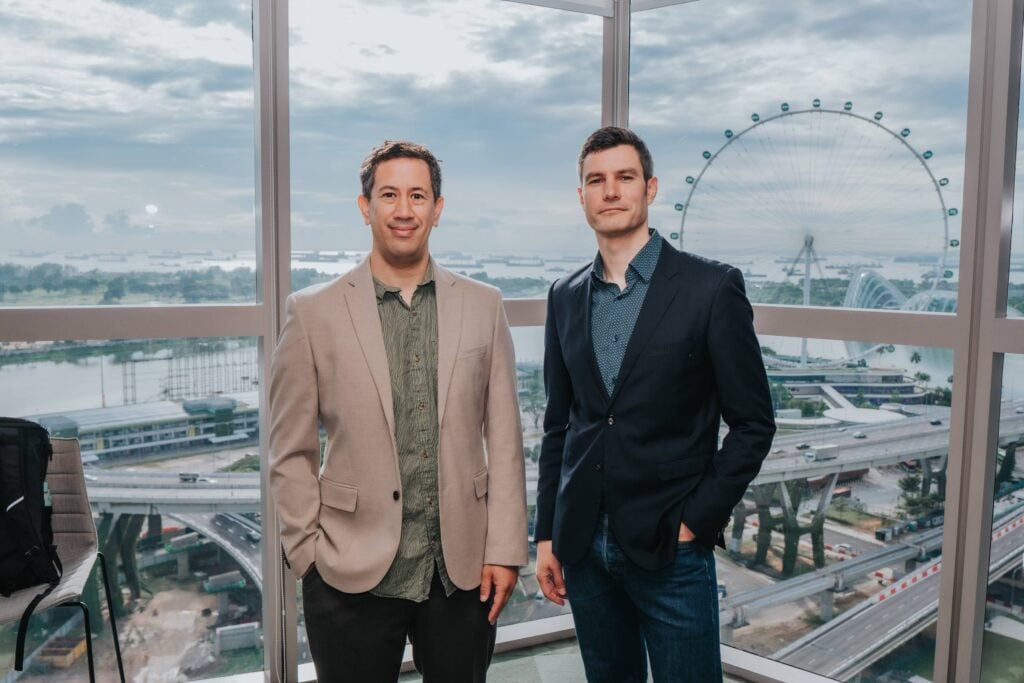
The programme comes at a time when alternative protein and functional, better-for-you food brands are piquing investor interest. This year, Arboreal Bioinnovations raised $24M to scale up its suite of functional ingredients, which include yeast and plant proteins, sugar replacers, and fibres, while Inaara NeoFoods secured ₹21 crore ($2.2M) to advance its AI-powered platform for producing plant-based proteins, fibres, fats, and functional starches.
In February, Good Monk closed a ₹33 crore round ($3.6M) to scale its dietary supplements and plant-based proteins, just as Shark Tank alum Cosmix Wellness agreed to sell a 60% stake to CPG giant Marico in a deal worth $25M. And last year, Earthful, another Shark Tank success, landed $2.9M to support the expansion of its women’s health products.
“It’s a few things converging. On the demand side, urban consumers, especially millennials and Gen Z, are actively looking for healthier options, but they want them in formats and flavours they already know,” notes Klar. “Protein is a big part of that: India has one of the most protein-deficient diets in the world, and awareness of that gap has gone mainstream in the last few years.”
Indeed, 37% of Indians want to add more plant proteins to their diets, and more want to increase their protein intake from plant-based sources than from animal products.
This shift is being driven by Gen Z, which accounts for 27% of the population and controls 35% of consumption spending. In a 2026 survey, 82% of this cohort said it’s important to consume protein, and 91% are open to adopting plant-based foods (mainly to increase protein intake).
India’s fast-growing GLP-1 market, which has already skyrocketed from $16M in 2021 to nearly $100M today, is accelerating this demand. Weight-loss drugs are entering the country at much lower prices than in the West, and analysts expect more than 50 branded semaglutide medications to debut in this market this year.
“On the supply side, modern channels like quick commerce have changed the economics of launching a brand. A new company can reach consumers in the top cities within weeks, without the expensive and slow process of building offline distribution. That lowers the barrier to entry, so you get far more brands testing far more ideas, and the good ones scale quickly,” Klar explains.
He praised Suhasini as “the perfect collaborator” for First Bite, reiterating Yoga Bar’s success as one of the most recognisable food brands in India. “And now, she is keen to support the next generation of food founders in India, sharing the lessons she learned building Yoga Bar and her deep network in the Indian consumer space,” he says. “It’s the kind of practical help that founders need most in the early days of building a breakout brand.”