


What Is It and Why Is It Used?
Propylene glycol is an alcohol-based industrial grade solvent used mostly as a ‘wetting’ agent. It helps makes products more fluid, and easy to spread on (your body). It is most notorious for its usage in anti-freeze; the exact same formulation is also used in personal care products. Manufacturers use it as a humectant also- for skin conditioning!
What Is It Used In?
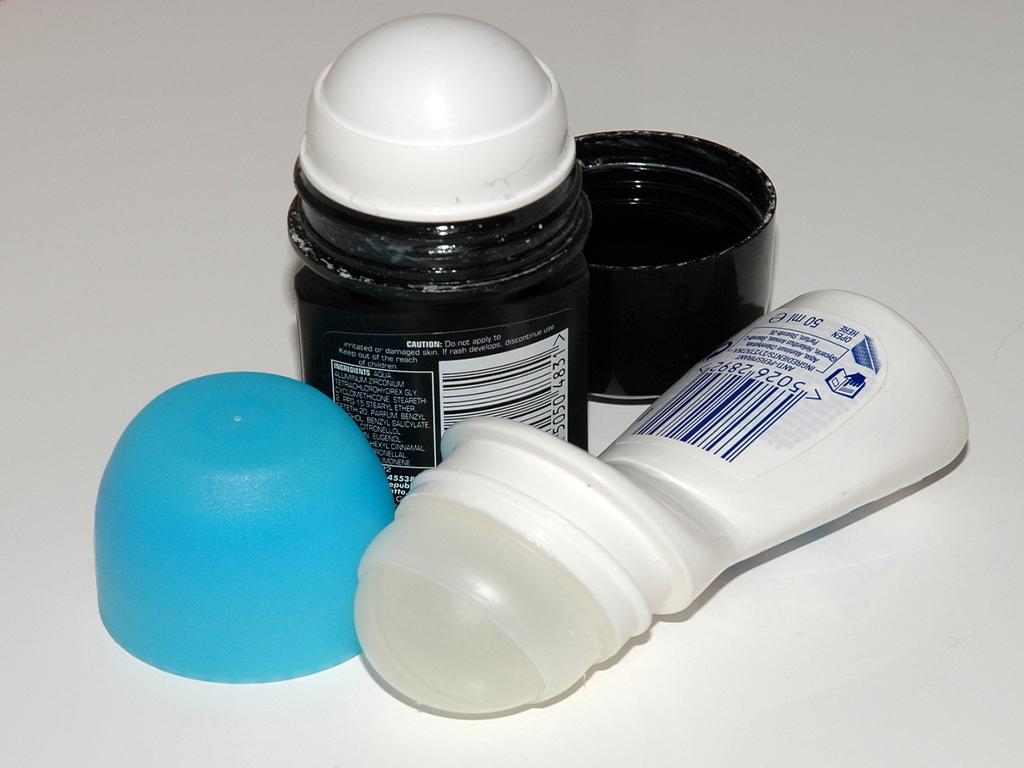
Propylene glycol is used in all products that are ‘slathered’ onto your skin’s surface. It is present in shampoos, conditioners, face and body lotions, after-shave, face and washes, mouthwash, lipstick, toothpaste, and most frequently, deodorants– which is where some of the highest propylene glycol concentrations are found and which most of us use daily in large amounts on our underarms and so is easily absorbed into our lymphatic system.
What to Look Out For On An Ingredient Label
There are many names behind which propylene glycol hides such as:
- 1, 2-DIHYDROXYPROPANE
- 1, 2-PROPANEDIOL
- 2-HYDROXYPROPANOL
- METHYLETHYL GLYCOL
- PROPANE-1, 2-DIOL
- 1, 2-DIHYDROXYPROPANE
- 1, 2-PROPYLENE GLYCOL
- 1, 2-PROPYLENGLYKOL (GERMAN)
- ALPHA-PROPYLENEGLYCOL
- METHYLETHYLENE GLYCOL
Why Is It Bad For You?
Exposure to propylene glycol is linked to liver, kidney and brain damage. It is a skin irritant and can induce dermatitis, allergies and rashes. It is especially dangerous for pregnant mothers as it is reported to cause fetus deformity, developmental abnormalities, reproductive toxicity, endocrine disruption and cancer.
This substance is absorbed into your skin extremely easily. It actually changes your skin’s structure in order to allow deeper penetration of anything you lather on your skin. Even if you weren’t worried about propylene glycol specifically, you would still need to be concerned that it was opening up your pores to absorb sulfates, phthalates, parabens and all the other nasties.
Industrial workers who work with propylene glycol are required by law to wear protective clothing, eye masks and gloves due to the high risk of exposure from any skin contact. There are also regulations on how to dispose of propylene glycol as it is a waste hazard.
Keep following us for more information about the dangerous ingredients in your medicine cabinet. We have covered Sulfates, Parabens and Phthalates so far and we will keep on going until you are armed with everything you need to know!
Photo credit: How can I recycle this via photopin cc.