

South Dakota Becomes Eighth US State to Ban Cultivated Meat with 5-Year Moratorium

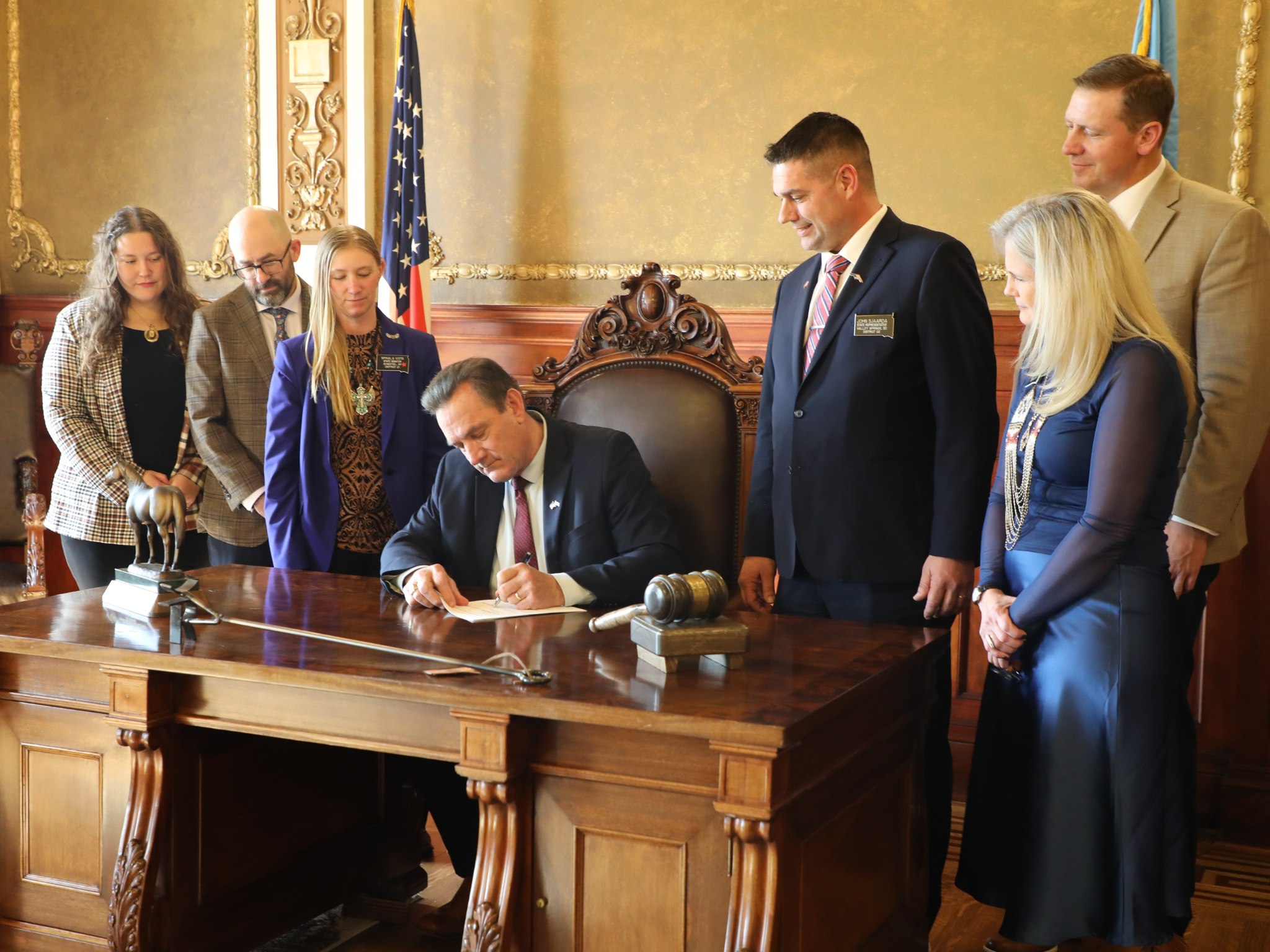
South Dakota Governor Larry Rhoden has signed a bill that puts a five-year moratorium on the sale of cultivated meat, a month after vetoing a proposal to impose a permanent ban.
The Mount Rushmore State has temporarily outlawed the sale of what could be the Mount Rushmore of food technology.
South Dakota has imposed a five-year moratorium on cultivated meat, barring its sale, manufacture or distribution within state borders between July 1 this year and June 30, 2031.
Governor Larry Rhoden signed the Senate-introduced bill on Thursday, making South Dakota the eighth US state to ban cultivated meat. Violators of the law could be charged with a Class 2 misdemeanour, which may result in a $500 fine, 30 days in jail, or both.
It comes a month after Rhoden rejected a similar proposal from the House of Representatives, which would have effectively put a permanent ban on the sale of cultivated meat.
Cultivated meat ban labelled a ‘prime example of good government’
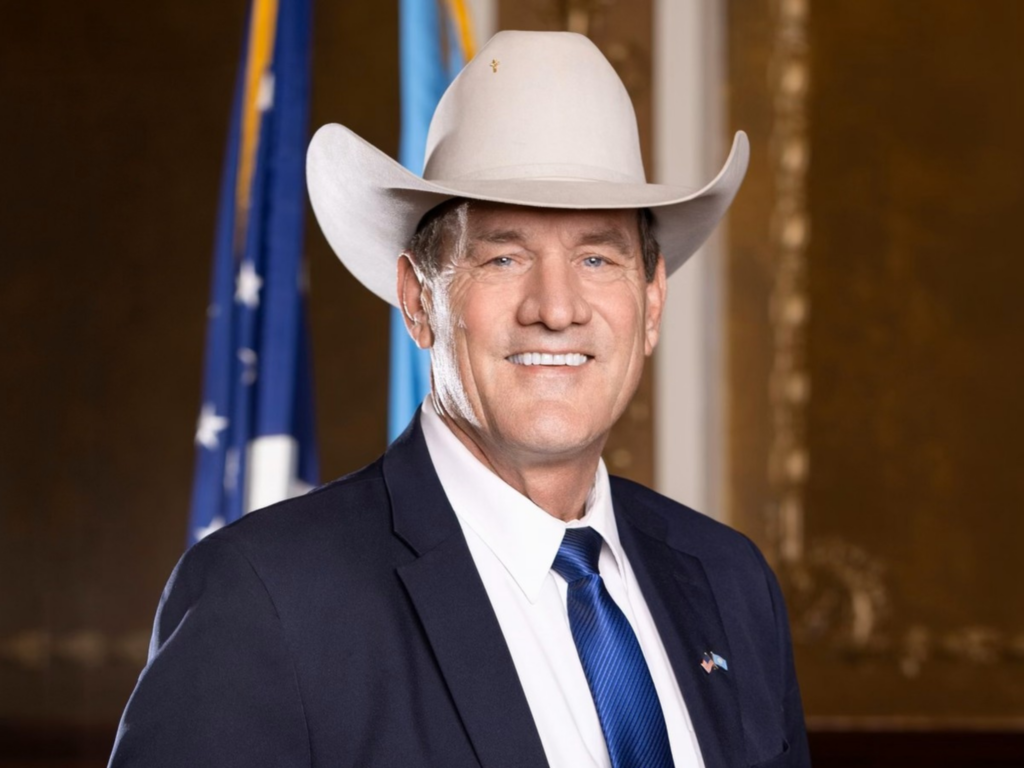
Originally, SB 124 sought to prohibit food businesses from selling these proteins for 10 years, outlining that the state government could suspend, revoke, or deny the renewal of an establishment’s license if a violation was found.
The bill followed HB 1077, which would have seen cultivated meat added to the list of adulterated food products. But Rhoden vetoed this proposal last month, suggesting that it was against the state’s values and could harm the local agriculture industry.
“By categorically and permanently prohibiting the sale and transportation of these products within South Dakota, the bill risks placing an undue burden on interstate commerce, proposes a protectionist economic benefit to in-state industries, and invites expensive constitutional challenges,” he said.
To strike a compromise, the government proposed amendments to SB 124 instead, which hadn’t been heard in the legislature yet. He expressed support for a five-year temporary ban, which he claimed would enable further research within the existing regulatory framework and allow pending legislation in other states to unfold.
“This approach respects constitutional limits, reduces the risk of unnecessary litigation, and preserves South Dakota’s long-standing commitment to free markets and agricultural leadership,” he had stated.
The bill’s sponsors took up the suggestion, halving the timeline of the ban from a decade to five years. It passed both the legislative chambers untroubled. Rhoden’s office labelled the law a compromise and a “prime example of good government in action”.
“A good process makes for good government, and SB 124 is proof of that,” the Republican governor said. “By talking to producers, legislators, and other stakeholders, we worked together to chart a strong path forward. We will continue to prioritise open dialogue and common sense solutions that deliver results for South Dakotans.”
Livestock industry backs decision to keep ban temporary

Rhoden, a rancher himself, found support from the state’s livestock industry, which praised the decision to veto the indefinite ban in favour of the five-year moratorium.
“While cell-cultured protein products aren’t something we as an industry promote, we recognise they are approved and inspected by the Food and Drug Administration and USDA, and we have confidence in the food safety system that consumers across the country and around the world rely on when choosing US beef,” the South Dakota Cattlemen’s Association told Brownfield Ag News.
“The short-term pause instead of a permanent ban alleviated concerns about market retaliation for traditional ag products and costly litigation because it was temporary,” it added.
Indeed, Florida and Texas are both in the middle of legal challenges against their respective bans on cultivated meat, with judges rejecting both states’ attempts to throw out the lawsuits and allowing the cases to move forward.
Alabama, Mississippi, Montana, Indiana and Nebraska have also prohibited businesses from selling cultivated meat. Arizona, for its part, is attempting to ban cultivated meat with a bill that could put violators in prison for 18 months, and Virginia has floated a bill to impose labelling restrictions on these proteins.
In 2025, Rhoden already signed into law two bills that would require cultivated meat to be clearly labelled and prohibit the state from financing any research, production or distribution of these proteins. The latest law adds to these restrictions.